Heat exhaustion and heat stroke are progressive heat-related illnesses separated by one critical threshold: the body’s ability to cool itself. Heat exhaustion produces heavy sweating and a weak pulse while thermoregulation still functions; heat stroke occurs when that system fails, core temperature spikes above 103°F, and confusion or loss of consciousness sets in.
This guide covers Arizona’s climate-driven risk factors, symptom recognition and escalation, prevention and hydration strategies, first aid and emergency response protocols, and IV hydration as a recovery support.
Arizona’s sustained triple-digit temperatures, minimal overnight cooling, and intense solar radiation push thermoregulation past its limits faster than more temperate regions. Hundreds of heat-related deaths occur in the state each year, with the majority happening outdoors during peak summer months.
Recognizing each condition early determines the outcome. Heat exhaustion shows up as cool, clammy skin with heavy sweating and muscle cramps. Heat stroke replaces those signs with hot, red skin; a rapid, strong pulse; slurred speech; and altered consciousness. The shift between the two can happen in minutes.
Prevention centers on scheduling outdoor activity before 10 a.m. or after 6 p.m., following a 14-day acclimatization period before sustained exertion, and drinking fluids with electrolytes during prolonged heat exposure. Older adults, young children, outdoor workers, and people on certain medications carry the highest risk.
First aid for heat exhaustion focuses on moving to a cool area, applying cold compresses, and rehydrating slowly. Heat stroke demands immediate cold-water immersion and a 911 call before transport. Recovery from heat stroke can take days to weeks under medical supervision, and IV hydration therapy may complement that process by restoring fluids directly into the bloodstream.
What causes heat exhaustion and heat stroke in Arizona’s environment?
Heat exhaustion and heat stroke are caused by prolonged heat exposure that overwhelms the body’s cooling mechanisms. Arizona’s extreme desert temperatures, strenuous outdoor activity, and individual health vulnerabilities all accelerate this breakdown. The sections below cover climate-specific risks and the activities or conditions that increase danger.
How does Arizona’s climate increase the risk for heat-related illnesses?
Arizona’s climate increases the risk for heat-related illnesses through sustained triple-digit temperatures, minimal overnight cooling, and intense solar radiation across the desert landscape. These conditions push the body’s thermoregulation past its limits faster than in more temperate regions. Low humidity can mask sweat loss, creating a false sense of safety while dehydration accelerates silently.
Certain populations face compounded danger in this environment. According to the National Institute on Aging, older adults are at higher risk for heat-related illnesses and death due to factors such as cardiovascular, lung, or kidney disease; medications like diuretics, sedatives, and blood pressure drugs; alcohol consumption; living without air conditioning; and chronic dehydration. When these vulnerabilities intersect with Arizona’s relentless summer heat, even brief outdoor exposure becomes hazardous. Checking the NWS HeatRisk forecast, which ranges from Green (little to no risk) to Magenta (extreme risk), helps residents gauge daily danger levels before heading outside.
Which activities or conditions raise the risk of heat exhaustion and heat stroke?
The activities and conditions that raise the risk of heat exhaustion and heat stroke include strenuous outdoor exercise, occupational labor in direct sun, inadequate fluid intake, and lack of acclimatization to high temperatures.
Heat exhaustion can develop after several days of exposure to high temperatures combined with insufficient fluids, producing heavy sweating, rapid breathing, and a fast, weak pulse. Left untreated, it progresses to heat stroke, a life-threatening condition where body temperature may rise above 106°F in minutes and the sweating mechanism fails entirely. According to the Maricopa County Department of Public Health, Maricopa County identified 608 heat-related deaths in 2024, with 77% occurring outdoors.
Key risk-raising activities and conditions include:
- Outdoor construction, landscaping, or agricultural work during peak heat hours
- Competitive or recreational athletics without a gradual 14-day acclimatization period
- Hiking desert trails with insufficient water or shade access
- Prolonged vehicle exposure, particularly for children left in parked cars
For anyone working two or more hours in the heat, OSHA recommends access to both cool water and electrolyte-containing fluids. Recognizing how quickly conditions escalate is the first step toward spotting the warning signs that follow.
What are the warning signs and symptoms of heat exhaustion?
The warning signs and symptoms of heat exhaustion include heavy sweating, weakness, cool and clammy skin, a fast but weak pulse, muscle cramps, dizziness, nausea, and headache. Recognizing early symptoms and knowing when they escalate helps prevent progression to heat stroke.
How can you recognize early symptoms of heat exhaustion?
You can recognize early symptoms of heat exhaustion by watching for heavy sweating, weakness or tiredness, cool and pale skin that feels clammy, and a fast but weak pulse. Muscle cramps, mild dizziness, and nausea also appear in the initial stages.
These symptoms develop because the body is struggling to regulate its core temperature, though it has not yet lost the ability to sweat. According to the National Weather Service, additional early indicators include headache, nausea or vomiting, and fainting. Symptoms often worsen gradually over hours, particularly when fluid intake is inadequate or heat exposure continues. The presence of any two or three of these signs together warrants immediate action: moving to a cool environment, loosening clothing, and sipping water slowly.

When do symptoms of heat exhaustion become dangerous?
Symptoms of heat exhaustion become dangerous when they persist despite cooling efforts, or when confusion, vomiting, or loss of consciousness develops. At that point, the condition may be progressing toward heat stroke.
Key escalation signals to watch for include:
- Sweating that suddenly stops, indicating the body’s cooling mechanism is failing.
- Rapid, strong pulse replacing the earlier weak pulse pattern.
- Skin that shifts from cool and clammy to hot, red, or dry.
- Slurred speech or disorientation, which signals central nervous system involvement.
- Body temperature rising above 103°F.
If untreated, heat exhaustion can turn into heat stroke, a life-threatening illness in which body temperature may rise above 106°F in minutes, as noted by MedlinePlus. Any sign of mental status changes, such as confusion or inability to answer simple questions, means the situation is a medical emergency requiring 911 activation. For most people, the shift from manageable discomfort to genuine danger happens faster than expected, making prompt recognition the single most important factor in preventing a fatal outcome.
What are the warning signs and symptoms of heat stroke?
The warning signs and symptoms of heat stroke include body temperature above 103°F, confusion, slurred speech, hot and dry skin, rapid pulse, and loss of consciousness. The sections below explain how to distinguish heat stroke from heat exhaustion and what immediate steps to take.
How can you differentiate heat stroke symptoms from heat exhaustion?
You can differentiate heat stroke symptoms from heat exhaustion by comparing skin condition, pulse quality, mental status, and core body temperature. According to the National Weather Service, heat exhaustion produces heavy sweating with cool, pale, clammy skin and a fast but weak pulse, while heat stroke causes hot, red, dry or damp skin with a rapid and strong pulse.
The clearest distinctions between the two conditions are:
- Sweating: Heat exhaustion causes heavy sweating; heat stroke often stops sweating entirely.
- Skin appearance: Cool and clammy in heat exhaustion; hot and red in heat stroke.
- Pulse: Fast and weak during heat exhaustion; rapid and strong during heat stroke.
- Mental function: Heat exhaustion may cause dizziness and nausea; heat stroke produces confusion, slurred speech, and loss of consciousness.
- Body temperature: Heat exhaustion stays below 103°F; heat stroke exceeds 103°F.
Confusion and slurred speech are the most reliable red flags separating a medical emergency from a condition you can manage with rest and fluids.
What immediate actions should you take if someone shows signs of heat stroke?
If someone shows signs of heat stroke, you should call 911 immediately and begin cooling the person before emergency services arrive. Heat stroke is a life-threatening emergency where every minute of elevated body temperature increases the risk of organ damage.
While waiting for paramedics, take these steps:
- Move the person to the coolest available area, preferably indoors with air conditioning.
- Remove excess clothing to allow heat to escape from the skin.
- Apply cold water or ice packs to the neck, armpits, and groin.
- If possible, immerse the person in cold water up to the neck, which is the most effective cooling method.
- Do not give fluids by mouth if the person is confused or unconscious.
Never wait to see if symptoms improve on their own. Recognizing these emergency steps prepares you to act on prevention strategies covered next.
How can you prevent heat exhaustion and heat stroke in Arizona?
You can prevent heat exhaustion and heat stroke in Arizona by adjusting outdoor activity timing, maintaining consistent hydration, and recognizing which populations face elevated risk. The following subsections cover outdoor precautions, hydration strategies, and vulnerable groups.
What precautions should be taken during outdoor activities?
Precautions during outdoor activities include scheduling exertion before 10 a.m. or after 6 p.m., wearing lightweight and light-colored clothing, and taking frequent rest breaks in shaded or air-conditioned areas. Gradual acclimatization is also critical; the Arizona Interscholastic Association identifies the need for gradual acclimatization over a 14-day period before sustained outdoor exertion in hot environments.
Key outdoor precautions include:
- Checking the NWS HeatRisk forecast before heading outside, where categories range from Green (little to no risk) to Magenta (extreme risk).
- Wearing sunscreen and a wide-brimmed hat to reduce radiant heat absorption.
- Using the buddy system so someone can recognize early warning signs.
- Planning a route near cooling stations or shaded rest points.
For anyone working outdoors for extended periods, OSHA recommends employers provide cool water and, for shifts of two hours or more, access to fluids containing electrolytes. Even recreational hikers and runners benefit from applying this same standard to their own planning.

How can hydration practices reduce the risk of heat-related illnesses?
Hydration practices reduce the risk of heat-related illnesses by maintaining blood volume, supporting sweat production, and preventing the electrolyte imbalances that accelerate heat exhaustion. According to OSHA, employers should provide cool water for workers to drink, and for those working two hours or more, also provide access to additional fluids that contain electrolytes.
Effective hydration strategies include:
- Drinking water consistently throughout the day rather than waiting until thirst sets in.
- Adding electrolyte-containing beverages during prolonged outdoor exposure exceeding two hours.
- Avoiding alcohol and excessive caffeine, both of which accelerate fluid loss.
- Monitoring urine color as a simple hydration gauge; pale yellow indicates adequate intake.
Pre-hydrating before outdoor activity matters just as much as drinking during it. Starting a hike or shift already behind on fluids puts the body at a disadvantage that can be difficult to recover from in triple-digit Arizona heat.
Which groups are most vulnerable to heat-related complications?
The groups most vulnerable to heat-related complications include older adults, young children, outdoor workers, and individuals taking certain medications. According to the National Institute on Aging, factors that put older adults at greater risk include cardiovascular, lung, or kidney disease; medications such as diuretics, sedatives, and some blood pressure medicines; alcohol use; lack of air conditioning; and dehydration.
Young children face distinct dangers. The National Highway Traffic Safety Administration reports that about 37 children per year die from heatstroke after being left or becoming trapped in vehicles, with 52% of these deaths occurring because a caregiver forgot the child was in the car.
Other high-risk groups include:
- Outdoor laborers, particularly in construction and agriculture.
- Athletes who train without proper acclimatization.
- People experiencing homelessness who lack reliable access to cooling shelters.
- Individuals with chronic illnesses that impair thermoregulation.
Understanding who carries the highest risk is the first step; the next consideration is knowing exactly what to do when heat illness strikes despite these precautions.
What are the recommended first aid and recovery steps for heat exhaustion?
The recommended first aid and recovery steps for heat exhaustion include moving to a cool area, removing excess clothing, applying cold compresses, and rehydrating with water or electrolyte fluids. The sections below cover effective home treatments and when to seek emergency medical attention.
Which treatments are effective for relieving heat exhaustion at home?
Effective treatments for relieving heat exhaustion at home focus on rapid cooling and fluid replacement. Move the person to an air-conditioned room or shaded area immediately. Remove any unnecessary clothing to help the body release trapped heat.
Key home treatment steps include:
- Apply cool, wet cloths to the neck, forehead, and armpits.
- Sip cool water or an electrolyte drink slowly to avoid nausea.
- Lie down with legs elevated slightly above heart level.
- Use a fan directed at damp skin to accelerate evaporative cooling.
- Rest for the remainder of the day, avoiding physical exertion.
Most people begin feeling better within 30 to 60 minutes when cooling starts promptly. However, if symptoms such as vomiting, confusion, or fainting develop during home treatment, the situation may be escalating beyond heat exhaustion.
When should you seek medical attention for heat exhaustion?
You should seek medical attention for heat exhaustion when symptoms persist beyond 30 minutes of active cooling, when vomiting prevents oral rehydration, or when mental status changes occur. These signs suggest possible progression toward heat stroke, which requires emergency intervention.
According to the Korey Stringer Institute at the University of Connecticut, responders should remove all equipment and excess clothing, cool the person as quickly as possible within 30 minutes via whole-body ice water immersion, then activate emergency medical services by calling 911. Cooling should cease when core temperature reaches 101 to 102°F (38.3 to 38.9°C).
Situations that warrant calling 911 include:
- Body temperature rising above 103°F despite cooling efforts.
- Loss of consciousness or inability to drink fluids.
- Confusion, slurred speech, or seizures.
As the American College of Emergency Physicians states, “Anyone who thinks they’re having a medical emergency should not hesitate to seek care.” Delayed treatment significantly increases the risk of organ damage, so erring on the side of caution is always the safer choice when recovery stalls.
With first aid and escalation protocols understood, the next step is knowing how to respond after a confirmed heat stroke event.
How should you respond and recover after a heat stroke event?
You should respond to a heat stroke event by initiating rapid cooling immediately and calling 911. Recovery involves medical monitoring, gradual return to activity, and sustained rehydration over days to weeks.
What is the proper emergency response for suspected heat stroke?
The proper emergency response for suspected heat stroke is immediate, aggressive cooling followed by activation of emergency medical services. According to the National Athletic Trainers’ Association, the goal for any exertional heat stroke patient is to lower core body temperature to less than 102°F within 30 minutes of collapse, with cold-water immersion up to the neck serving as the most effective cooling modality.
The critical steps include:
- Remove all equipment and excess clothing to expose skin for cooling.
- Submerge the person in cold or ice water up to the neck.
- Call 911 after cooling has been initiated.
- Continue cooling until core temperature reaches 101–102°F.
- Monitor breathing and consciousness while waiting for paramedics.
Seconds matter in this situation. Cooling must begin before transport, not after arrival at a hospital; delaying immersion while waiting for an ambulance significantly worsens outcomes.

What does recovery from heat stroke involve and how long does it take?
Recovery from heat stroke involves a medically supervised process that spans days to several weeks, depending on severity and organ involvement. Once emergency cooling stabilizes core temperature, physicians typically monitor kidney function, liver enzymes, and electrolyte balance because heat stroke can trigger multi-organ stress.
The general recovery timeline follows this pattern:
- Days 1–3: Hospital observation, IV fluid replacement, and lab monitoring for organ damage.
- Days 4–14: Gradual return to light activity with close attention to heat tolerance.
- Weeks 2–6: Progressive re-acclimation to heat exposure, guided by symptom response.
Individuals who have experienced heat stroke often retain increased heat sensitivity for months afterward. Rushing back into strenuous activity or heat exposure before full recovery raises the risk of recurrence. For anyone supplementing recovery with wellness services, it is worth noting that the U.S. Food and Drug Administration states compounded drugs are not FDA-approved, meaning their safety and effectiveness are not verified before marketing.
Understanding recovery timelines helps set realistic expectations for returning to daily routines and informs decisions about supportive hydration strategies.

How can IV hydration therapy support recovery from heat exhaustion or heat stroke?
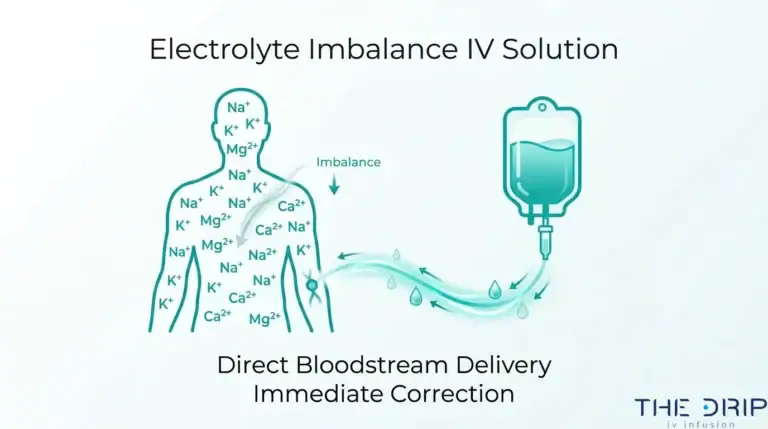
IV hydration therapy can support recovery from heat exhaustion or heat stroke by delivering fluids and electrolytes directly into the bloodstream, bypassing the GI tract for faster absorption. The subsections below cover what The Drip IV Infusion offers and the key takeaways from this article.
Can The Drip IV Infusion provide treatment for heat-related illnesses?
The Drip IV Infusion can provide mobile IV hydration sessions designed to support rehydration and replenishment after heat exposure. Founded in 2022 by professionals with decades of experience in nursing, emergency medicine, home health, and IV medical techniques, The Drip IV Infusion sends nurses directly to a client’s home or workplace across Arizona.
Available IV cocktails include customizable add-ons such as Vitamin C, Zinc, Magnesium, and B-Complex Vitamins. A typical session takes one hour.
However, IV hydration is not a substitute for emergency medical care. Heat stroke is a life-threatening condition requiring 911 activation and rapid cooling. Anyone experiencing confusion, loss of consciousness, or body temperature above 103°F should seek emergency treatment first.
This content is for informational purposes only and is not a substitute for professional medical advice.
What are the key takeaways about heat exhaustion vs heat stroke: Arizona warning signs & recovery we covered?
The key takeaways about heat exhaustion vs heat stroke: Arizona warning signs and recovery are:
- Heat exhaustion causes heavy sweating, weakness, and a fast, weak pulse; untreated, it can escalate to heat stroke.
- Heat stroke is a medical emergency marked by confusion, body temperature above 103°F, and potential loss of consciousness. Call 911 immediately.
- Arizona’s extreme heat drives significant mortality. According to the Arizona Department of Health Services, 977 heat-related deaths occurred in Arizona during 2024, with around 63% in Maricopa County.
- Prevention depends on consistent hydration, shade access, gradual acclimatization, and recognizing early warning signs.
- First aid priorities include rapid cooling, moving to shade, and activating emergency services when symptoms escalate.
- IV hydration therapy may complement recovery by restoring fluids after heat exposure, though it does not replace emergency medical treatment.
Understanding the difference between these two conditions is the first step toward staying safe in Arizona’s heat.