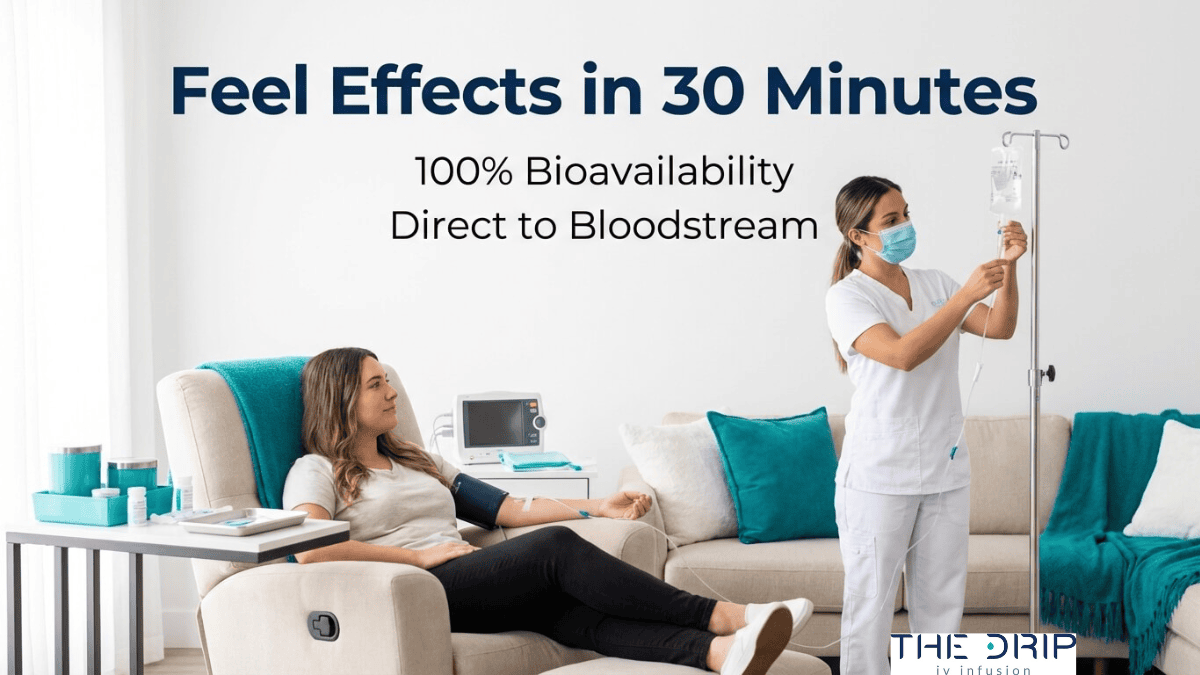
IV hydration therapy is a method of delivering fluids, vitamins, and minerals directly into the bloodstream through an intravenous catheter, bypassing the digestive system entirely to achieve immediate nutrient absorption. Most people begin feeling effects within 30 minutes to one hour of infusion.
We cover how IV therapy works and how quickly effects appear, condition-specific response timelines, the factors that influence absorption speed, and how mobile IV services can accelerate your recovery.
IV hydration achieves 100% bioavailability because nutrients enter systemic circulation directly, skipping the absorption losses that occur during digestion. Many recipients notice sensations like calm, energy restoration, or even a vitamin-like taste in the mouth during the session itself, confirming that nutrients are already circulating.
Response timelines vary by condition. Hangover symptoms often improve within 30 to 45 minutes, while dehydration relief and fatigue recovery typically follow a similar window. Athletic recovery benefits primarily from the speed of rehydration rather than direct performance gains. Migraine relief generally requires a longer timeline, with meaningful improvement building over several hours.
Several variables shape how quickly any individual feels results. Dehydration severity, drip formula composition, infusion rate, overall health, age, and body weight all influence absorption speed and the intensity of perceived effects. Someone with a greater fluid deficit tends to notice a more dramatic initial shift than someone starting close to baseline hydration.
Mobile IV therapy removes scheduling and travel delays by bringing licensed nurses directly to your location. Starting treatment sooner, particularly during acute symptoms, allows the body to begin absorbing fluids and vitamins before conditions progress.
What Is IV Hydration Therapy and How Does It Work?
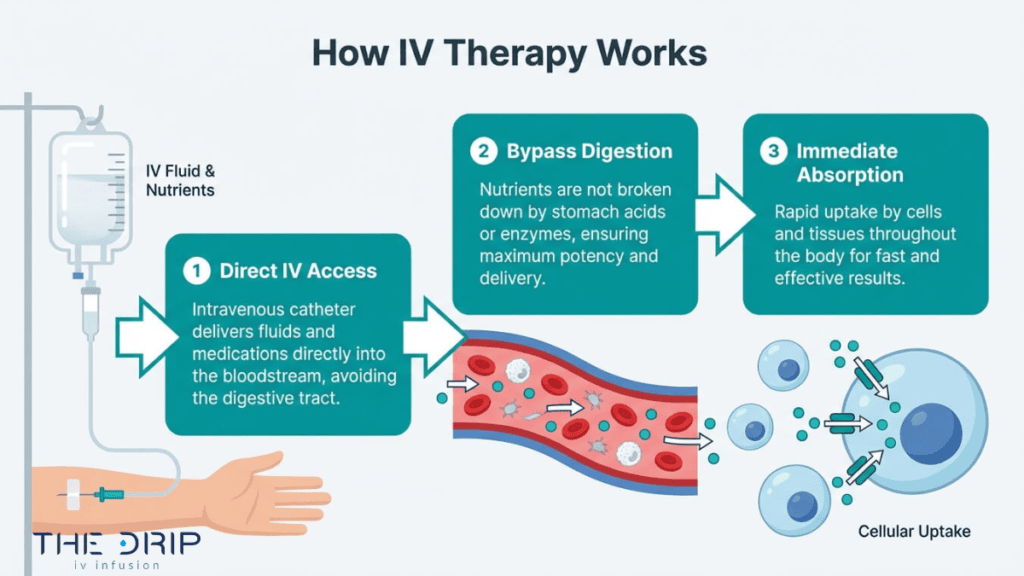
IV hydration therapy is a method for delivering fluids, vitamins, and minerals directly into the bloodstream through a small catheter placed in a vein. IV hydration therapy works by bypassing the gastrointestinal tract entirely, which allows nutrients to reach cells without the absorption losses that occur during digestion. A licensed nurse inserts the IV line, connects a bag of customized fluid, and monitors the drip throughout the session. Because the solution enters the bloodstream immediately, the body can use 100% of the delivered nutrients. According to a 2024 review published in MDPI (Molecules), intravenous delivery ensures 100% bioavailability and immediate achievement of maximum therapeutic concentration. A typical session takes about one hour, during which the fluid steadily infuses at a controlled rate. This direct delivery method is what makes the timeline of IV therapy effects notably different from oral supplements or drinking water alone.
How Quickly Do Most People Feel the Effects of IV Therapy?
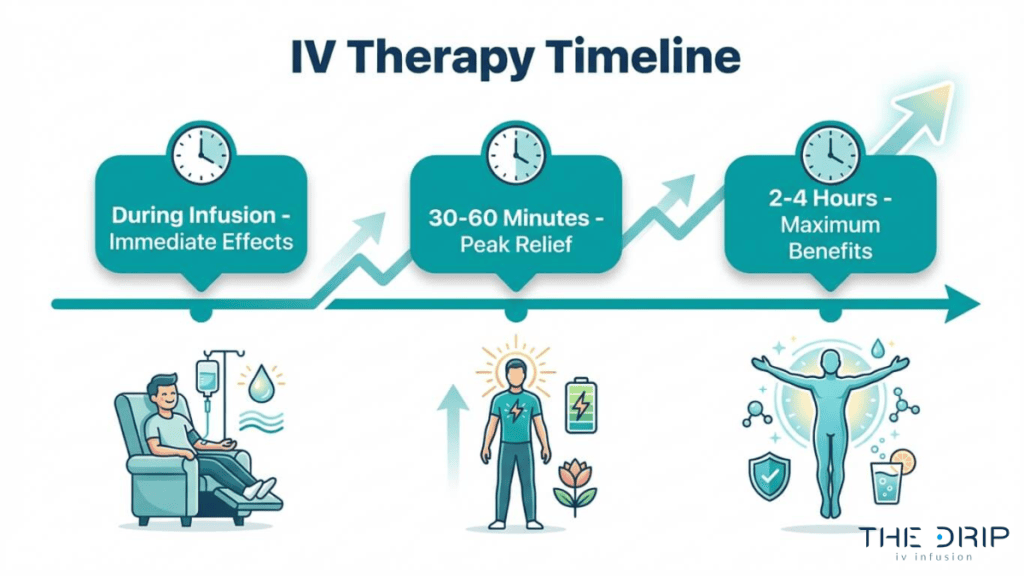
Most people feel the effects of IV therapy during the infusion or within one hour of treatment. The speed depends on the formula, hydration level, and individual health factors.
How Soon Do You Notice Effects During the IV Infusion?
You notice effects during the IV infusion almost immediately in many cases. Many clients report improvement during or within an hour of IV therapy because it delivers fluids, vitamins, and minerals directly into the bloodstream for immediate absorption. Some patients notice a “taste of vitamins” in their mouth or throat during a Myers’ Cocktail infusion, which is a normal sign that nutrients are circulating. Others experience sensations such as calm, mild euphoria, or a feeling of energy restoration during the first session. These early signals confirm the nutrients are reaching systemic circulation and taking effect before the drip bag is even empty.
How Long After the Session Do Peak Effects Occur?
Peak effects occur within a few hours after the IV therapy session ends. Because intravenous delivery achieves 100% bioavailability, nutrients reach therapeutic concentration faster than any oral supplement. Most recipients feel their strongest improvement between two and four hours post-infusion, once the body has fully distributed and begun utilizing the delivered vitamins, minerals, and fluids. For wellness-focused drips that include B vitamins or glutathione, the energy and clarity peak tends to build gradually during this window. Staying well-hydrated and eating a balanced meal after treatment can help sustain these peak benefits longer.
How Long Do the Effects of IV Hydration Therapy Last?
The effects of IV hydration therapy last anywhere from a few days to roughly two weeks, depending on the individual and the specific drip formula used. Hydration-focused infusions typically sustain their benefits for two to three days, while nutrient-dense cocktails containing vitamins and antioxidants may support wellness for a week or more. According to a 2019 review published in Evidence-Based Practice, oral rehydration therapy carries approximately a 4% higher risk of needing additional treatment compared with intravenous fluid therapy in pediatric gastroenteritis patients, highlighting the sustained rehydration advantage of IV delivery. Consistent sessions help maintain these benefits over time, especially for individuals with ongoing hydration or nutrient demands.
With onset and duration clarified, understanding condition-specific timelines helps set accurate expectations.
How Long Does It Take to Feel IV Therapy for Dehydration?
IV therapy for dehydration typically takes 30 minutes to one hour to deliver fluids and produce noticeable relief. The speed depends on whether dehydration is mild or severe.
How Fast Does IV Hydration Work for Mild Dehydration?
IV hydration works for mild dehydration within approximately 30 to 45 minutes as fluids enter the bloodstream directly. Most people with mild fluid deficits notice improved energy, reduced thirst, and clearer thinking before the infusion bag is empty. According to the American Academy of Pediatrics, oral rehydration therapy requires a full 4-hour period for mild to moderate dehydration, yet IV hydration remains a common alternative in emergency settings due to its faster absorption. Because mild cases involve smaller fluid deficits, the body responds quickly once isotonic saline or electrolyte solutions begin circulating. For most people experiencing everyday dehydration from heat, travel, or skipped fluids, IV therapy is one of the most efficient correction methods available.
How Fast Does IV Hydration Work for Severe Dehydration?
IV hydration works for severe dehydration within the first 15 to 30 minutes of infusion, though full stabilization requires significantly longer. Severe cases often involve dangerous electrolyte imbalances and organ stress, so healthcare providers administer fluids at higher initial rates to restore blood volume rapidly. While early symptoms like dizziness and dry mouth may ease quickly, complete rehydration in severe clinical cases can take several hours under medical supervision. Patients treated in emergency departments for conditions like severe gastroenteritis frequently require extended IV fluid protocols. Severe dehydration always warrants professional medical evaluation; however, for moderate cases caught early, a mobile IV session can help restore fluid balance before symptoms escalate.
With hydration timelines established, understanding how IV therapy supports hangover recovery reveals similar rapid-response benefits.
How Long Does It Take to Feel IV Therapy for Hangover Recovery?
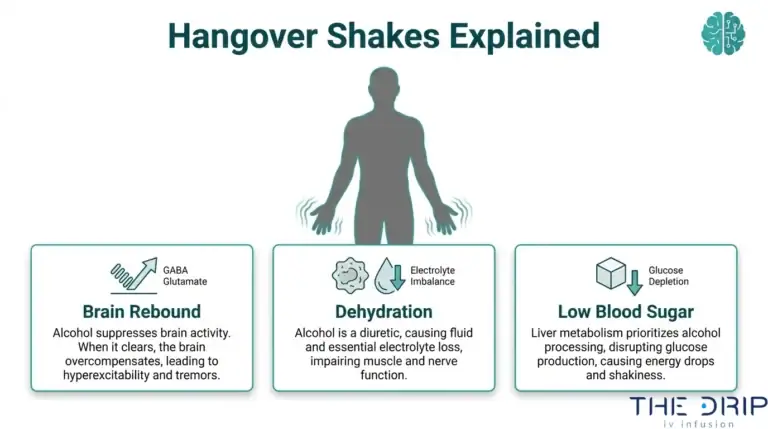
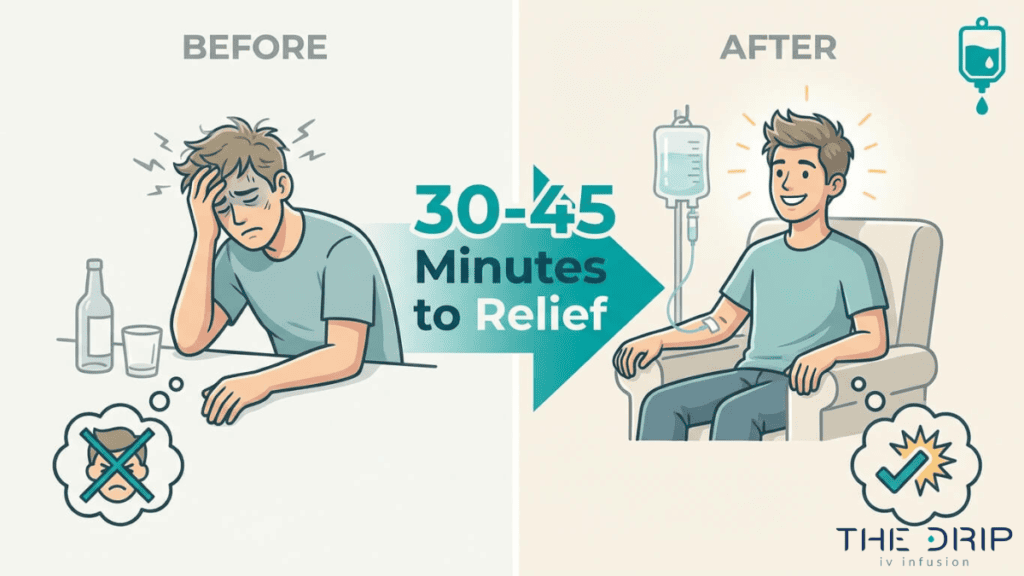
IV therapy for hangover recovery typically produces noticeable symptom improvement within 30 to 45 minutes after administration. Fluids and nutrients bypass the digestive system entirely, allowing direct absorption into the bloodstream. This is particularly valuable after a night of heavy drinking, when nausea and stomach irritation often make oral rehydration difficult or ineffective.
Because alcohol depletes electrolytes, B vitamins, and fluids simultaneously, a hangover IV drip addresses multiple deficiencies in a single session. Most people report reduced headache intensity, less nausea, and improved energy before the infusion even finishes. For those dealing with severe hangover symptoms, this rapid delivery makes IV hydration one of the most practical recovery options available.
How Long Does It Take to Feel IV Therapy for Illness Recovery?
IV therapy for illness recovery typically produces noticeable improvement within 30 to 60 minutes, though the timeline depends on illness severity and the specific nutrients infused. Because fluids and vitamins enter the bloodstream directly, the body can begin using them immediately rather than waiting for gastrointestinal absorption. For common illnesses like colds or the flu, this direct delivery helps address dehydration, nutrient depletion, and fatigue more efficiently than oral supplements alone. According to a study published in Pediatric Emergency Care, treatment time for patients receiving IV hydration for gastroenteritis exceeded 4 hours, with a mean of 5.4 hours, reflecting how more involved conditions require longer infusion protocols. Mild symptoms such as low-grade fatigue or early congestion often respond faster than systemic infections that demand sustained fluid support. For most people recovering from seasonal illness, the combination of saline, electrolytes, and vitamins like vitamin C and zinc creates a foundation for relief that builds throughout the session and continues afterward. Illness recovery is one of the scenarios where starting IV therapy early can make the most meaningful difference in how quickly you return to normal.
How Long Does It Take to Feel IV Therapy for Athletic Recovery?
IV therapy for athletic recovery typically produces noticeable effects within 30 to 60 minutes of infusion. The timeline depends on dehydration severity, nutrient formulation, and individual metabolism.
Athletes often seek IV rehydration after intense training or competition to restore fluid balance and replenish electrolytes more rapidly than oral intake allows. According to a study published in Sports Medicine, rehydration is more rapid with IV fluid in athletes, though the benefits are generally transient with only small differences to markers of exercise performance compared to oral rehydration. This suggests the primary advantage lies in speed of recovery rather than direct performance enhancement.
IV prehydration and rehydration has been proposed as an ergogenic aid for athletes to achieve euhydration more effectively than drinking fluids alone. Because nutrients enter the bloodstream directly, bypassing the gastrointestinal tract, absorption begins immediately during the session. Most athletes report feeling rehydrated and less fatigued before the infusion finishes.
For athletes managing post-event soreness, nausea, or cramping, the rapid fluid delivery addresses symptoms faster than waiting for oral fluids to process through the digestive system. The practical window for meaningful relief typically falls within that first hour, making IV therapy a compelling option when quick turnaround between training sessions or events matters most.
Understanding how quickly athletic recovery responds to IV therapy raises a related question: how effective is this approach for migraine relief?
How Long Does It Take to Feel IV Therapy for Migraine Relief?
IV therapy for migraine relief typically produces noticeable improvement within a few hours of administration. The timeline depends on the specific infusion and migraine severity.
According to a 2021 study published in JAMA Network, treatment with intravenous eptinezumab during a migraine attack resulted in a median time to headache pain freedom of 4 hours, compared to 9 hours for the placebo group. This suggests that while IV therapy accelerates relief significantly over doing nothing, migraines generally require more time to resolve than simpler conditions like hangover symptoms or mild dehydration.
Migraine-specific IV formulations often include magnesium, B-complex vitamins, and anti-nausea medications like Zofran, which work together to address multiple migraine pathways simultaneously. Because these nutrients enter the bloodstream directly, they bypass the digestive system entirely, an important advantage when nausea makes oral medication difficult to keep down.
For those experiencing frequent or severe migraines, consistent hydration and nutrient support may help reduce episode frequency over time. Understanding the factors that influence your personal response time can help set realistic expectations for each session.
How Long Does It Take to Feel IV Therapy for Fatigue and Low Energy?
IV therapy for fatigue and low energy typically produces noticeable effects within 30 to 60 minutes of infusion. The response depends on nutrient deficiency severity, the specific drip formula, and individual metabolism.
Fatigue-focused IV formulas commonly include B-complex vitamins, magnesium, and amino acids, all of which support cellular energy production. Because these nutrients enter the bloodstream at 100% bioavailability, they bypass the slow absorption rates associated with oral supplements. For individuals whose fatigue stems from dehydration or micronutrient depletion, the correction feels relatively immediate as fluid volume and nutrient levels restore simultaneously.
Chronic fatigue tied to prolonged deficiencies may require multiple sessions before sustained improvement becomes apparent. A single infusion often provides a temporary energy lift, while cumulative treatments help maintain consistent nutrient levels over time. According to a report published in Cureus (PMC), IV vitamin therapy delivers essential micronutrients directly into the bloodstream, bypassing the gastrointestinal tract to offer enhanced bioavailability and higher therapeutic dosages.
For most people dealing with everyday low energy, one session is enough to feel a meaningful difference within the first hour. Persistent fatigue, however, warrants a conversation with a healthcare provider to rule out underlying conditions before relying on IV therapy alone. Understanding what influences these timelines helps set realistic expectations for any IV session.
What Factors Affect How Quickly You Feel IV Hydration Results?
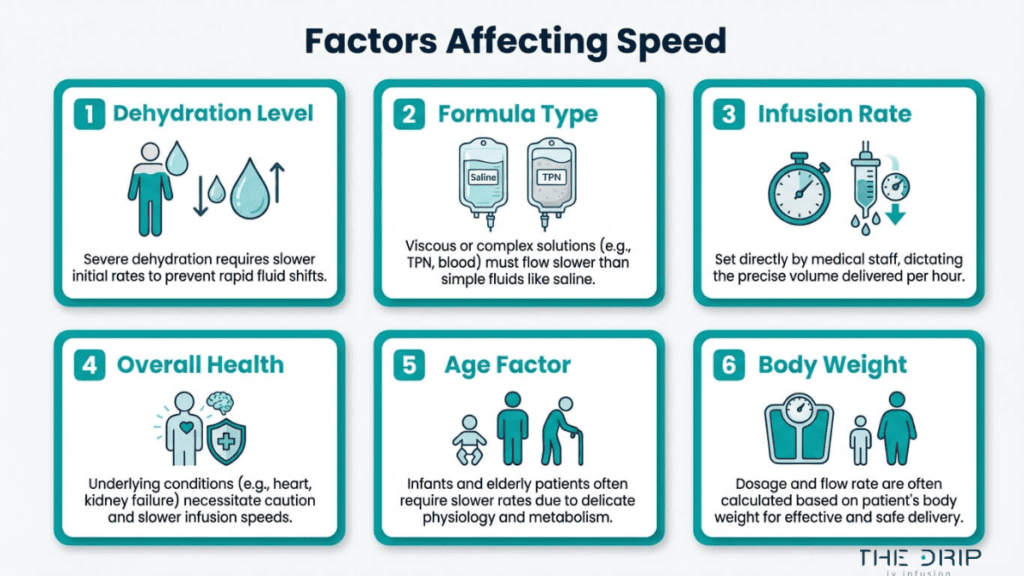
Several factors affect how quickly you feel IV hydration results, including dehydration severity, drip formula, infusion rate, overall health, age, and body weight. Each variable influences absorption speed and symptom relief differently.
Does Your Level of Dehydration Affect How Fast IV Therapy Works?
Your level of dehydration directly affects how fast IV therapy works. Someone experiencing moderate to severe fluid deficit will often notice a more dramatic and rapid shift in how they feel compared to a mildly dehydrated individual. According to a study published in Clinical Infectious Diseases (Oxford Academic), participants commonly described IV therapy as “faster,” “stronger,” or “more direct” because it bypassed the gastrointestinal tract and entered the bloodstream immediately. The greater the deficit, the more pronounced that initial relief tends to be. Mild dehydration, by contrast, may produce subtler improvements since the body starts closer to baseline fluid levels.
Does the IV Drip Formula Affect How Soon You Feel Results?
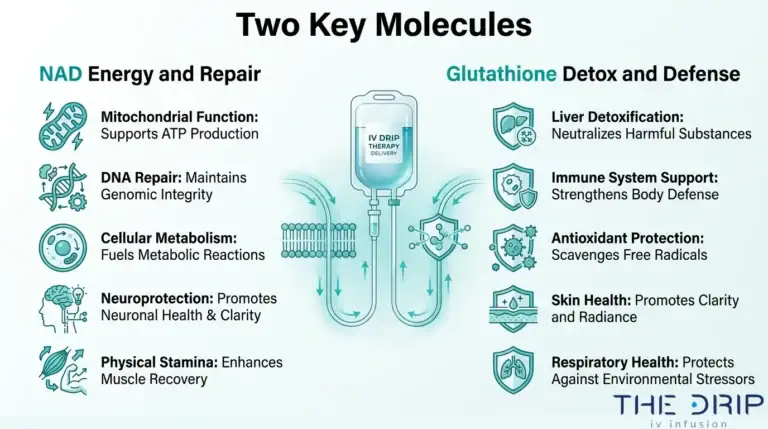
The IV drip formula affects how soon you feel results. A basic saline solution primarily restores fluid volume, which can produce noticeable relief within minutes. Formulas containing additional nutrients, such as B-complex vitamins, magnesium, or glutathione, may require slightly longer to produce their full effects because each micronutrient has a different mechanism of action. Higher-concentration vitamin cocktails often deliver a more pronounced energy boost compared to hydration-only blends. For most people, customized formulas that match their specific symptoms tend to produce the most noticeable improvements in the shortest time.
Does the Infusion Rate Affect How Quickly Effects Begin?
The infusion rate affects how quickly effects begin. A faster drip delivers fluids and nutrients into the bloodstream more rapidly, which can accelerate symptom relief. However, faster is not always better. According to a publication in Nutrition and Integrative Medicine (Taylor & Francis), when glutathione is added to an IV drip, it can be painful for the patient if the infusion rate is too high, necessitating careful monitoring by a licensed professional. Infusion specialists adjust the rate based on the patient’s tolerance, the specific formula, and the clinical goal, balancing speed with comfort and safety.
Does Your Overall Health Affect IV Therapy Response Time?
Your overall health affects IV therapy response time. Individuals with well-functioning kidneys, a healthy cardiovascular system, and no chronic conditions typically process and distribute IV fluids more efficiently. Those managing conditions that impair circulation or nutrient metabolism may experience a slower onset of noticeable benefits. Chronic illness can also increase baseline nutrient demands, meaning the body absorbs infused vitamins and minerals before surplus levels produce a perceptible change. A person in generally good health often feels the effects sooner simply because their systems respond to rehydration more predictably.
Does Your Age or Body Weight Influence How Fast IV Works?
Your age and body weight influence how fast IV works. Larger individuals have a greater total blood volume, which means infused fluids are distributed across a bigger vascular space; this can dilute the immediate perceived effect. Older adults may experience slower circulation and reduced kidney efficiency, both of which can delay how quickly rehydration translates into symptom relief. Younger, leaner individuals often report feeling results sooner because their smaller fluid compartments reach optimal hydration levels faster. These physiological differences are one reason infusion specialists tailor drip rates and volumes to each patient’s profile.
Understanding which variables shape your response time helps set realistic expectations before your session.
Why Is IV Hydration Faster Than Drinking Water or Oral Fluids?
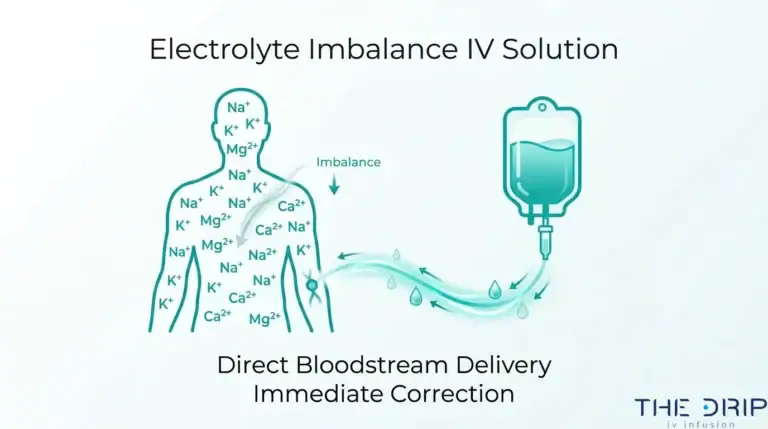
IV hydration is faster than drinking water or oral fluids because it delivers fluids directly into the bloodstream, bypassing the entire digestive system. This eliminates the absorption delay that limits oral intake. The difference comes down to bioavailability, digestive bypass, and rehydration efficiency.
According to a review published in the Journal of Pharmacology & Pharmacotherapeutics, bioavailability of IV medications is always higher than that of their oral counterpart, allowing patients to get relief from symptoms earlier through the intravenous route. When you drink water, it must pass through the stomach, be absorbed by the intestinal lining, and then enter circulation. That process takes time, and not all fluid is absorbed efficiently. IV hydration skips every one of those steps.
This distinction matters most when rapid rehydration is the goal. IV prehydration and rehydration has been proposed as an ergogenic aid for athletes to achieve euhydration more effectively and efficiently than oral intake. While several studies have confirmed that rehydration is more rapid with IV fluid, the performance benefits tend to be transient, with only small differences in exercise markers compared to oral rehydration.
Oral rehydration still works well for mild cases, but it carries limitations when speed is critical. For anyone dealing with significant fluid loss, nausea that prevents drinking, or time-sensitive recovery needs, the direct-to-bloodstream approach of IV hydration provides a measurable advantage in how quickly the body restores fluid balance.
What Should You Expect During and After an IV Therapy Session?
You should expect a comfortable, straightforward process during an IV therapy session that typically takes about one hour. Here is what happens before, during, and after treatment.
A typical IV therapy session begins with a brief health assessment by a licensed nurse. The nurse reviews your medical history, checks vital signs, and selects or confirms the appropriate IV drip formula. Once the catheter is placed in your arm, the infusion delivers fluids, vitamins, and minerals directly into your bloodstream. Most people feel only a slight pinch during insertion.
During the session, you can relax, read, or use your phone while the drip runs. Some recipients notice a mild cooling sensation at the injection site as fluids enter the vein. A metallic or vitamin-like taste in the mouth is also common, particularly with nutrient-dense formulas. According to Prime IV Hydration & Wellness, some patients report a “taste of vitamins” in their mouth or throat during a Myers’ Cocktail IV infusion, which is considered a normal sign that the vitamins are circulating.
After the session, many people experience a noticeable boost in energy and mental clarity within the first hour. Mild effects like slight bruising or tenderness at the IV site may occur but typically resolve within a day. Staying well-hydrated after your appointment helps extend the benefits.
Knowing what a session involves helps set realistic expectations; the next step is learning how to maximize those results.
How Can You Make IV Hydration Therapy Work Faster?
You can make IV hydration therapy work faster by preparing your body before the session, choosing the right drip formula, and following proper aftercare. The strategies below cover hydration, nutrition, and session timing.
Arriving well-hydrated improves vein accessibility, which allows the infusion specialist to start the drip quickly and maintain a steady flow rate. Drinking 16 to 20 ounces of water in the hour before your appointment plumps your veins and supports smoother catheter placement. Eating a light meal beforehand also stabilizes blood sugar, reducing the chance of lightheadedness that could slow the process.
Communicating your symptoms clearly helps the infusion specialist select the optimal drip formula and infusion rate for your needs. Certain additives, such as glutathione, require slower administration to prevent discomfort; according to a Taylor & Francis publication on orthomolecular parenteral nutrition therapy, glutathione added to an IV drip can be painful if the infusion rate is too high, necessitating careful monitoring by a licensed professional. Being transparent about your health history ensures the rate stays as efficient as possible without compromising safety.
Staying relaxed during the session also matters. Stress constricts blood vessels, potentially slowing fluid delivery. Deep breathing, reclining comfortably, and avoiding caffeine beforehand all help keep veins dilated. After the session, continued oral hydration and rest allow your body to distribute the infused nutrients more effectively, extending and accelerating the benefits you feel.
Understanding these preparation steps sets the stage for exploring how mobile IV services bring treatment directly to you.
How Does Mobile IV Therapy With The Drip IV Infusion Speed Up Your Recovery?
Mobile IV therapy with The Drip IV Infusion speeds up recovery by eliminating travel time and delivering immediate hydration at your location. The following sections cover how licensed nurses accelerate results and the key takeaways about IV hydration timing.
Can At-Home IV Treatments From Licensed Nurses Help You Feel Results Sooner?
Yes, at-home IV treatments from licensed nurses can help you feel results sooner. When a nurse arrives at your location, treatment begins immediately, removing the delays of scheduling, commuting, and waiting at a clinic. According to Pure IV Nevada, rapid intervention in mobile IV therapy can decrease recovery time by up to 25% compared to traditional appointments by providing immediate hydration at the patient’s location.
The Drip IV Infusion was founded by professionals with decades of experience in nursing, emergency medicine, and IV medical techniques. This clinical expertise means each session is tailored to your needs, with careful monitoring of infusion rates and nutrient combinations. Starting treatment sooner, especially during acute symptoms like dehydration or fatigue, allows the body to begin absorbing fluids and vitamins before conditions worsen.
What Are the Key Takeaways About How Long IV Hydration Therapy Takes to Work?
The key takeaways about how long IV hydration therapy takes to work center on a few consistent findings from this article:
- Most people begin feeling effects within 30 minutes to one hour, as fluids and nutrients enter the bloodstream directly.
- Severity of dehydration, the specific IV drip formula, and individual health all influence how quickly results appear.
- IV hydration works faster than oral fluids because it bypasses the digestive system and achieves 100% bioavailability.
- Condition-specific responses vary; hangover symptoms often improve within 30 to 45 minutes, while more complex conditions may take longer.
- Mobile IV therapy shortens the overall timeline by bringing treatment to you, so recovery starts the moment your nurse begins the infusion.
For anyone considering their first session, The Drip IV Infusion offers a full menu of IV cocktails and add-ons designed to match specific recovery goals, all administered by experienced nurses in the comfort of your home.