Mobile IV therapy is a nurse-administered service that delivers fluids, vitamins, and nutrients directly into your bloodstream at your chosen location. Preparing correctly ensures comfortable vein access, reduces side effects, and helps your infusion specialist work safely and efficiently.
This guide covers pre-appointment body preparation, home space setup, medical clearance for higher-risk groups, what to expect during and after your session, and choosing the right drip for your goals.
Eating a light meal, drinking your normal daily water intake, disclosing all medications, and wearing loose clothing with upper-arm access are the core steps before any appointment. Skipping hydration can make veins harder to locate, while undisclosed prescriptions like blood thinners or potassium-sparing drugs can create dangerous nutrient interactions.
Your physical space matters as much as your body. A clean, well-lit room with a disinfected flat surface and roughly five to six feet of clearance around a comfortable chair gives the nurse room to set up equipment, monitor vitals, and respond quickly if needed.
Pregnant women, people with chronic kidney disease or heart failure, and anyone on anticoagulants should get physician approval before booking. These conditions alter how the body processes both fluids and specific vitamins, making medical review essential for safe formulation and dosing.
During the session, which typically lasts about one hour, the nurse monitors flow rate and watches for signs of infiltration or discomfort. Afterward, proper insertion site care, brief activity modification, and realistic expectations about when benefits appear complete the process.
Matching your drip formulation to a specific goal, whether athletic recovery, immune support, or fatigue relief, influences both safety and results.
What Is Mobile IV Therapy and How Does It Work?
Mobile IV therapy is a healthcare service where a nurse travels to your home, office, or other location to administer intravenous fluids, vitamins, or medications. Understanding how the process works helps you prepare effectively for your appointment.
Mobile IV therapy works by delivering fluids and nutrients directly into your bloodstream through a peripheral IV catheter, bypassing the gastrointestinal system entirely. A licensed nurse arrives at your chosen location with all necessary supplies, including IV bags, tubing, catheters, and sterile equipment. After a brief health screening, the nurse inserts a small catheter into a vein, typically in your arm, and connects it to an IV bag hung on a portable pole.
The infusion then drips steadily into your bloodstream over the course of approximately one hour. Because this delivery method skips the digestive tract, nutrients reach your cells more directly than oral supplements. According to Dr. Joshua Septimus, associate professor of clinical medicine and medical director at Houston Methodist Primary Care Group Same Day Clinics, “IV therapy is a routine procedure that’s incredibly standardized and safe in the clinical setting. Most importantly, it’s administered by professionals in a medical-grade facility.” While mobile sessions occur outside traditional clinical walls, the same standardized protocols and trained nursing professionals apply.
Throughout the session, the nurse monitors your response and adjusts the flow rate as needed. For anyone preparing for their first visit, knowing this straightforward process can ease uncertainty about what to expect.
Why Does Preparing for Mobile IV Therapy Matter?
Preparing for mobile IV therapy matters because proper preparation directly affects your comfort, safety, and the effectiveness of your infusion. Steps like hydrating, eating beforehand, disclosing medications, and setting up a clean space help your nurse work efficiently and reduce the risk of complications. Skipping these basics can lead to difficult vein access, preventable side effects, or delays during your session.
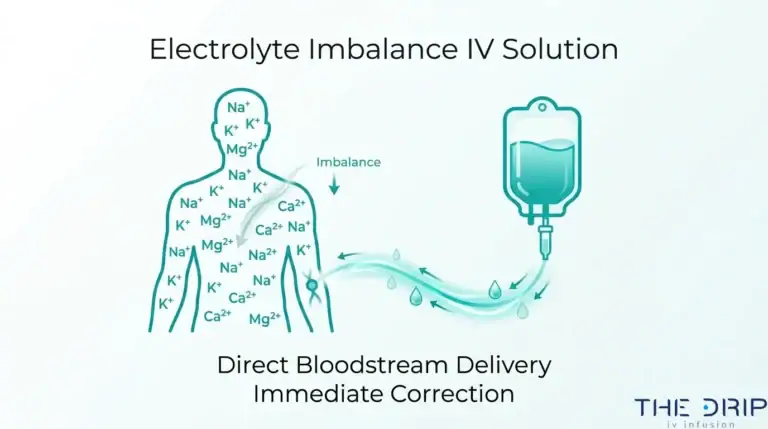
Mobile IV therapy bypasses the gastrointestinal system and delivers fluids, vitamins, or electrolytes directly into the bloodstream. Because this route is more immediate than oral intake, even small oversights in preparation, such as arriving dehydrated or failing to mention a prescription, can have outsized consequences. According to the CDC, good hand hygiene before catheter insertion, combined with proper aseptic technique during catheter manipulation, provides protection against infection. Your nurse handles sterile protocol, but your role in preparation sets the stage for a smooth, safe experience.
For anyone with underlying health conditions, preparation carries additional weight. Chronic kidney disease can impair the body’s ability to clear excess water-soluble vitamins like B vitamins and vitamin C, as noted by the National Kidney Foundation. Individuals on blood thinners or medications that interact with specific nutrients need to communicate those details before the infusion begins. Proper preparation transforms mobile IV therapy from a passive experience into an active partnership between you and your infusion specialist.
What Should You Do Before Your Mobile IV Therapy Appointment?
Before your mobile IV therapy appointment, you should hydrate, eat a light meal, disclose all medications, and wear accessible clothing. The following subsections cover each preparation step.

How Much Water Should You Drink Before IV Therapy?
You should drink your normal daily water intake before IV therapy. According to the Institute of Medicine, the adequate intake for total water is 3.7 L per day for young men and 2.7 L per day for young women (ages 19 to 30), with fluids from beverages providing approximately 13 cups and 9 cups respectively.
There is no need to overhydrate or follow a special pre-infusion water protocol. Maintaining your usual hydration helps ensure veins remain plump and accessible for catheter insertion, which makes the process smoother for both you and the nurse. If you are already dehydrated and unable to drink enough fluids, rapid rehydration through an IV drip may be offered during your session.
What Should You Eat Before an IV Infusion Session?
You should eat a small, bland meal before an IV infusion session. Fasting is not required. According to Fox Chase Cancer Center’s infusion preparation guidance, eating a small, bland meal on the morning of your appointment helps prevent nausea and lightheadedness during treatment.
Good pre-appointment food choices include:
- Toast or crackers
- Oatmeal or plain rice
- Bananas or applesauce
- Light soup or broth
Arriving on an empty stomach increases the chance of feeling dizzy or nauseous once fluids and nutrients enter your bloodstream. Even if your appetite is low, eating something light makes a noticeable difference in comfort during the session.
Which Medications Should You Disclose Before IV Therapy?
You should disclose all medications, supplements, and over-the-counter products before IV therapy. Certain drugs interact directly with IV nutrients, creating risks your infusion specialist needs to manage.
Key medication categories to report include:
- Blood thinners (warfarin, heparin): Vitamin C and vitamin K can alter anticoagulation effectiveness.
- Blood pressure medications (ACE inhibitors, ARBs, spironolactone): Potassium-containing IV fluids combined with these drugs increase the risk of severe hyperkalemia.
- Metformin: This diabetes medication commonly reduces vitamin B12 levels, which may affect your IV formulation choices.
- Chemotherapy or radiation therapy: Antioxidant supplements administered during active cancer treatment have shown concerning interactions.
According to the Singapore Health Sciences Authority, healthcare professionals should monitor vitamin K intake from supplements for patients on warfarin therapy, as it can alter INR levels. Full transparency about your medication list helps your nurse tailor a safe infusion.
What Clothing Should You Wear for an IV Therapy Visit?
You should wear loose, short-sleeved clothing for an IV therapy visit. The IV catheter is typically placed in a vein on your forearm or the back of your hand, so your nurse needs easy access to both arms from the elbow down.
Practical clothing tips include:
- Choose a short-sleeve shirt or a top with sleeves that push up easily above the elbow.
- Avoid tight-fitting long sleeves, compression garments, or layered jackets.
- Wear comfortable bottoms since you will be seated or reclined for about an hour.
Comfortable, accessible clothing reduces preparation time and helps your infusion specialist locate veins quickly. Since the session happens in your own home, treat it like a relaxed appointment where comfort is the priority.
With your body fueled and your space ready, the next step is preparing the room where your session will take place.
How Should You Prepare Your Space for a Mobile IV Visit?
You should prepare your space for a mobile IV visit by cleaning a flat surface, choosing a comfortable seat with arm access, and keeping supplies organized. The sections below cover ideal room setup, space requirements, and items to have ready.

What Room Setup Works Best for Mobile IV Therapy?
The room setup that works best for mobile IV therapy includes a clean, well-lit area with a comfortable chair or recliner. Choose a room with good lighting so the nurse can locate veins easily. A hard, flat surface nearby, such as a table or countertop, gives the nurse a sterile workspace for supplies. According to UC Davis Health’s Department of Pharmacy Services, you should store supplies in a bag or sealed bin in a clean, dry space off the floor. Wipe down the surface with a disinfectant before the appointment. Avoid carpeted or cluttered areas where sterile equipment could be compromised.
How Much Space Does an IV Therapy Nurse Need?
An IV therapy nurse needs enough room to move freely around the chair, access both arms, and set up equipment on a nearby surface. As the National Home Infusion Association notes, when infusion therapy is provided in a patient’s home, the infusion nurse ensures proper patient education, training, and monitoring throughout the session. The nurse will typically bring the following:
- IV bags with fluids or nutrient formulations
- Tubing and extension sets
- A portable IV pole or hook
- Sterile supplies, including catheters and alcohol swabs
Clear a space of roughly five to six feet around the chair. This allows comfortable positioning for catheter insertion, vital sign monitoring, and quick response if an infusion reaction occurs.
Should You Have Anything Ready for the Nurse’s Arrival?
Yes, you should have a few items ready for the nurse’s arrival. Preparing these basics helps the session start smoothly:
- A glass of water and a light snack for yourself
- A list of current medications and supplements
- Your photo ID and any intake forms the provider requested
- A blanket or pillow for comfort during the one-hour session
- A phone charger or book, since you will be seated throughout
Having loose-fitting sleeves or a short-sleeve shirt also helps the nurse access your arm without delay. For most people, this small amount of preparation is the difference between a seamless visit and unnecessary interruptions once the infusion begins.
With your space ready, knowing who should check with a doctor before booking adds another layer of safe preparation.
Who Should Consult a Doctor Before Booking Mobile IV Therapy?
Certain individuals should consult a doctor before booking mobile IV therapy, including pregnant women, people with kidney or heart conditions, and those taking blood thinners. Each group faces specific risks that require medical clearance.

Should Pregnant Women Get Medical Clearance Before IV Therapy?
Pregnant women should get medical clearance before IV therapy. Pregnancy alters fluid balance, nutrient metabolism, and medication tolerance, so an obstetrician needs to confirm that any IV formulation is safe for both mother and baby. While IV rehydration is sometimes used clinically for severe morning sickness when oral fluids fail, wellness IV drips contain nutrient combinations that may not be evaluated for prenatal safety.
According to the National Athletic Trainers’ Association, IV fluids should only be administered by a licensed medical professional when oral fluids are not tolerated or fluid losses from vomiting or diarrhea are ongoing. This principle applies even more strictly during pregnancy. Always bring your prenatal records and current supplement list to the consultation.
Should People with Kidney or Heart Conditions Consult a Doctor First?
People with kidney or heart conditions should consult a doctor first before receiving any IV infusion. These conditions fundamentally change how the body processes both fluids and nutrients, creating risks that healthy individuals do not face.
Key concerns include:
- Chronic kidney disease (CKD): Impaired kidneys may not clear excess B vitamins or vitamin C, allowing potentially harmful accumulation.
- Heart failure: Volume overload and fluid congestion remain primary issues, according to Circulation: Heart Failure, and even moderate IV fluid volumes can worsen symptoms.
- Electrolyte imbalance: Potassium-containing IV formulations pose hyperkalaemia risk, especially for patients on ACE inhibitors or ARBs.
For anyone managing these conditions, a physician should review the exact IV formulation, fluid volume, and infusion rate before every session.
Should People on Blood Thinners Prepare Differently for IV Therapy?
People on blood thinners should prepare differently for IV therapy. Anticoagulant medications such as warfarin increase bleeding risk at the catheter insertion site, and certain IV nutrients can interfere with drug effectiveness. According to the Singapore Health Sciences Authority, healthcare professionals should monitor vitamin K intake for patients on warfarin therapy, since vitamin K directly counteracts warfarin’s mechanism. Vitamin C has also been linked to warfarin resistance in case reports.
Before booking, patients on blood thinners should:
- Inform the infusion specialist about their specific anticoagulant and current dosage.
- Ask their prescribing physician whether the IV drip’s ingredients interact with their medication.
- Expect the nurse to apply extended pressure after catheter removal to prevent prolonged bleeding.
Skipping this step is one of the most common and avoidable preparation mistakes. With these precautions addressed, knowing what to expect during the session itself helps the process go smoothly.
What Should You Expect During a Mobile IV Therapy Session?
You should expect a straightforward process lasting about one hour, with minor needle discomfort and a nurse monitoring you throughout. The sections below cover infusion duration, pain management, and side effects to watch for.

How Long Does a Typical Mobile IV Infusion Take?
A typical mobile IV infusion takes approximately one hour from start to finish. This timeframe includes the initial health screening, vein access, and the drip itself. Staying well-hydrated beforehand can make vein access faster and smoother, since dehydration reduces vein visibility. According to the Mayo Clinic, dehydration occurs when the body uses or loses more fluid than it takes in, leaving insufficient water for normal functions. Drinking your usual daily fluids before the appointment helps your nurse locate a vein quickly, which can shorten the overall session. Most clients relax, read, or work during the infusion while the nurse monitors flow rate and comfort.
Does Getting an IV Hurt and How Can You Prepare for It?
Getting an IV involves a brief pinch during needle insertion, but most people find the discomfort minimal and short-lived. Once the catheter is in place, you should feel little to no pain for the remainder of the session.
To reduce discomfort, consider these preparation steps:
- Hydrate normally so veins are plump and easier to access.
- Wear a short-sleeved or loose-fitting top to expose the inner elbow or forearm.
- Avoid caffeine right before your appointment, as it can constrict blood vessels.
- Let your nurse know if you have a history of difficult vein access or needle anxiety.
Taking slow, deep breaths during insertion also helps the body relax, which makes the process easier for both you and the infusion specialist.
What Side Effects Should You Watch for During an Infusion?
The side effects you should watch for during an infusion include localized discomfort at the IV site, coldness in the arm, and signs of infiltration. According to St. Jude Children’s Research Hospital, IV infiltration occurs when fluid leaks into surrounding tissue, causing swelling, pain, coolness, and skin color changes around the catheter site.
Alert your nurse immediately if you notice any of the following:
- Swelling, redness, or tightness near the IV insertion point.
- A burning or stinging sensation that worsens during the drip.
- Dizziness, nausea, or sudden chills.
- Skin that feels unusually cold or looks pale around the catheter.
Most side effects resolve quickly once the nurse adjusts the catheter or flow rate. Serious reactions are rare when a trained professional monitors the session. Understanding what to look for after your session is equally important for a smooth recovery.
What Should You Do After Your Mobile IV Therapy Session?
After your mobile IV therapy session, you should focus on proper insertion site care, activity modification, and realistic expectations for results. The following subsections cover wound care, activity restrictions, and when benefits typically appear.
How Should You Care for Your IV Insertion Site Afterward?
You should care for your IV insertion site afterward by applying gentle pressure with gauze, keeping the area clean, and monitoring for signs of complications. Once the nurse removes the catheter, hold firm pressure over the puncture site for several minutes to stop bleeding before applying a bandage.
Keep the bandage dry and in place for at least a few hours. Avoid submerging the site in water during that time.
According to The Royal Children’s Hospital Melbourne’s peripheral IV device management guidelines, warning signs of phlebitis include swelling, redness, heat, induration, purulence, or a palpable venous cord near the insertion site. Contact your provider if you notice any of these symptoms, as they may indicate inflammation or infection requiring attention.
What Activities Should You Avoid After IV Therapy?
The activities you should avoid after IV therapy include heavy lifting, strenuous exercise, and prolonged pressure on the insertion arm for the first few hours. These can reopen the puncture site or increase bruising.
Avoid the following activities on the day of your session:
- Intense weightlifting or high-impact workouts that strain the arm used for the IV.
- Hot tubs, swimming pools, or baths that could expose the puncture wound to bacteria.
- Tight clothing or blood pressure cuffs on the infusion arm.
Light walking and normal daily tasks are generally fine. Most people can return to their usual routine shortly after a session, though listening to your body remains important. If you feel lightheaded or notice unusual swelling, rest and hydrate before resuming activity. The Drip IV Infusion’s mobile service includes post-session guidance from your nurse, who will review specific aftercare steps based on your infusion type and answer any questions before leaving your location.
How Soon Will You Feel the Benefits of IV Therapy?
You will feel the benefits of IV therapy within minutes to a few hours for hydration-related effects, though nutrient-specific results vary. Because IV infusions bypass the gastrointestinal system, fluids and electrolytes reach the bloodstream immediately, which is why many clients notice improved energy and reduced fatigue relatively quickly.
That said, results depend on your baseline hydration status, the specific drip formulation, and individual physiology. Some people report feeling noticeably better before the session even ends, while others experience gradual improvement over 24 to 48 hours. For wellness-focused infusions containing vitamins or antioxidants, sustained benefits often require consistent sessions rather than a single treatment.
Choosing the right IV drip formulation can influence how quickly and effectively you notice results.
How Do You Choose the Right IV Therapy Drip for Your Needs?
You choose the right IV therapy drip by matching the infusion’s nutrient profile to your specific health goal, such as athletic recovery, immune support, or energy restoration. The following subsections break down which drips align with each common need.

Which IV Drip Should Athletes Choose for Recovery?
Athletes should choose an IV drip that contains electrolytes, B-complex vitamins, magnesium, and amino acids for recovery. These nutrients support muscle repair, rehydration, and energy restoration after intense training. However, the American College of Sports Medicine consensus guidelines state that “IV fluids do not provide an advantage over drinking oral fluids and electrolytes.” Oral rehydration should be the first approach after exercise. IV therapy may be considered when oral intake is not tolerated due to nausea or ongoing fluid losses. For most recreational athletes, proper hydration and nutrition after a workout will accomplish the same goal; IV recovery drips are best reserved for situations where oral replenishment falls short.
Which IV Therapy Is Best for Immune Support and Illness Recovery?
The best IV therapy for immune support and illness recovery typically includes high-dose vitamin C, zinc, and B vitamins. Vitamin C delivered intravenously bypasses the gastrointestinal system entirely, which can be especially helpful when nausea or vomiting limits oral intake. Zinc supports immune cell function, while B vitamins contribute to energy metabolism during recovery. As Dr. Melissa Young of the Cleveland Clinic explains, “IV vitamin therapy is a more direct delivery of nutrients to your body’s cells. The nutrients go right into your bloodstream, totally bypassing your gastrointestinal system.” For clients recovering from a cold, flu, or general sickness, an immune-focused drip can deliver these nutrients when the body needs them most.
Which IV Infusion Helps Most with Fatigue and Low Energy?
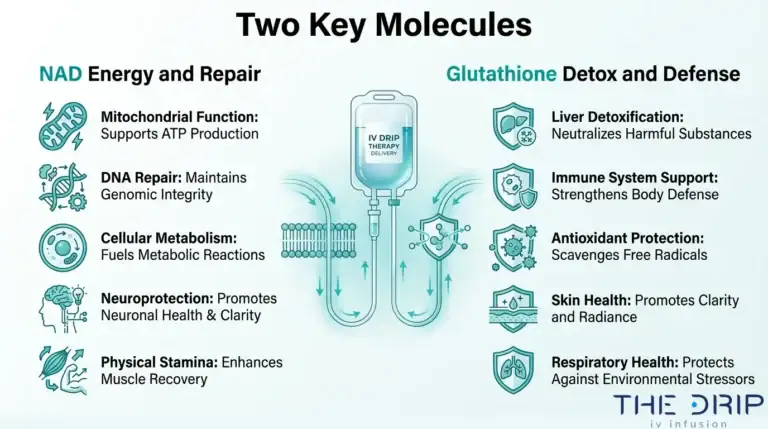
The IV infusion that helps most with fatigue and low energy is one containing B12, B-complex vitamins, magnesium, and NAD+. B12 deficiency is a common cause of persistent fatigue, and IV delivery ensures full absorption regardless of gut health. NAD+ has gained attention for cellular energy production, though the U.S. Food and Drug Administration has received adverse event reports following use of NAD+ injectable drugs, including severe chills, shaking, vomiting, and fatigue consistent with excessive endotoxin levels. This makes ingredient sourcing and sterile compounding critical. Before selecting a fatigue-focused drip, disclosing all current medications to your infusion specialist is essential; certain drugs like warfarin can interact with vitamin formulations in ways that affect safety.
Choosing the right drip starts with understanding your goal, but fitting IV therapy into a broader wellness routine ensures lasting results.
How Can Mobile IV Therapy Fit Into Your Wellness Routine?
Mobile IV therapy can fit into your wellness routine as a convenient, nurse-administered service delivered at home or work. The following sections cover how The Drip IV Infusion simplifies preparation and the key takeaways for getting ready.
Can The Drip IV Infusion’s Nurse-Administered Service Simplify Your Preparation?
Yes, The Drip IV Infusion’s nurse-administered service can simplify your preparation by handling clinical setup, sterile protocols, and monitoring so you focus only on basic readiness steps. Founded in Fall 2022 by professionals with decades of experience in nursing, emergency medicine, home health, and IV medical techniques, The Drip IV Infusion brings equipment, supplies, and expertise directly to your location. You only need to hydrate normally, eat a light meal, disclose your medications, wear a short-sleeved shirt, and prepare a clean, well-lit space. The Drip IV Infusion’s mobile model eliminates travel, waiting rooms, and facility logistics. For most people, that reduction in friction makes consistent wellness sessions far easier to maintain than clinic-based alternatives.
What Are the Key Takeaways About How to Prepare for Mobile IV Therapy?
The key takeaways about how to prepare for mobile IV therapy are:
- Drink water at your normal daily pace; do not overhydrate or skip fluids.
- Eat a small, balanced meal before your session to reduce lightheadedness.
- Disclose all medications and supplements to your nurse, especially blood thinners or potassium-sparing drugs.
- Wear loose clothing with easy upper-arm access for catheter placement.
- Set up a clean, well-lit area with a comfortable chair and a nearby surface for supplies.
- Consult your physician before booking if you are pregnant, have kidney disease, heart failure, or take anticoagulants.
- After your session, apply gentle pressure to the insertion site, stay hydrated, and watch for swelling, redness, or unusual pain.
Preparation is straightforward when you follow these steps, and The Drip IV Infusion’s nursing team guides you through each one during scheduling and arrival.