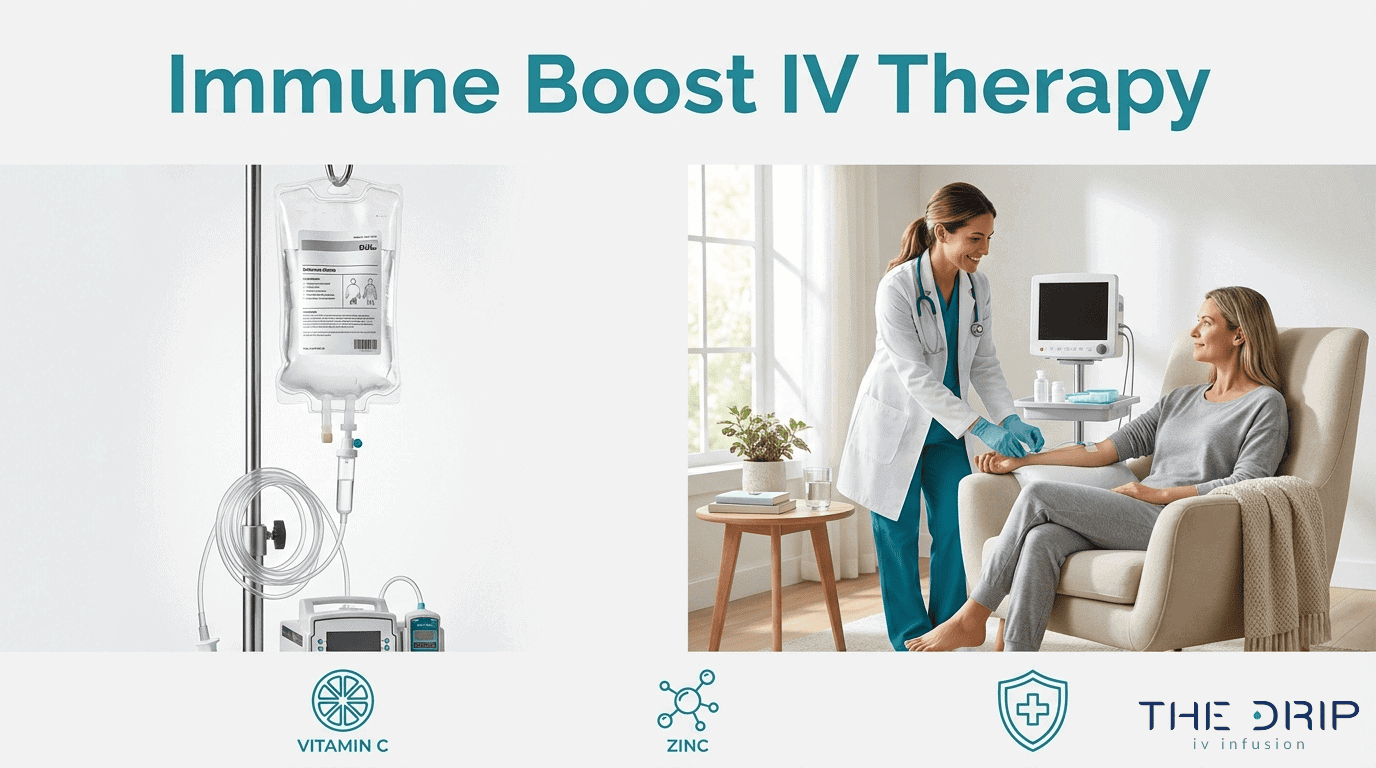
Immune boost IV therapy is a nurse-administered treatment that delivers a targeted blend of vitamins, minerals, and antioxidants directly into the bloodstream through a vein, bypassing the digestive system for rapid absorption at higher concentrations than oral supplements can achieve. This guide covers what immune IV drips contain and how they work, their specific health benefits, who should (and should not) consider this therapy, and how to choose a safe provider.
Core ingredients like vitamin C, zinc, glutathione, B-complex vitamins, and electrolyte-balanced fluids each serve distinct immune functions. Vitamin C protects leukocytes from oxidative damage, zinc regulates signaling pathways in both innate and adaptive immune cells, and glutathione acts as the body’s most abundant intracellular antioxidant while recycling other protective nutrients within the formula.
IV delivery achieves plasma nutrient concentrations 30 to 70 times higher than oral doses because intestinal transport mechanisms cap how much the gut can absorb. This bioavailability advantage makes IV therapy particularly relevant during illness recovery, chronic stress, or when digestive conditions impair nutrient uptake.
Reported benefits include strengthened baseline immunity, faster recovery from illness, reduced inflammation, improved energy levels, and visible skin health improvements. However, clinical evidence for healthy individuals with normal nutritional intake remains limited, and certain populations, including those with kidney disease, heart conditions, or G6PD deficiency, should avoid this therapy entirely.
Choosing a qualified provider with licensed medical staff, sterile compounding practices, and transparent ingredient sourcing is essential for safety. Mobile services like The Drip IV Infusion now bring these nurse-administered treatments directly to clients’ homes, making consistent immune support more accessible.
What Does an Immune Boost IV Drip Actually Contain?
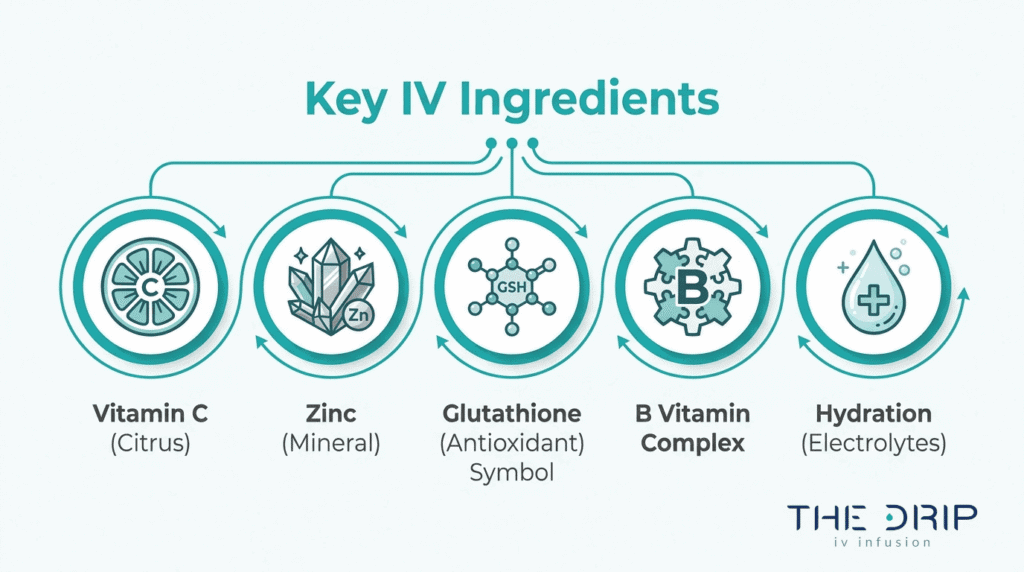
An immune boost IV drip contains a targeted blend of vitamins, minerals, antioxidants, and hydration fluids delivered directly into the bloodstream. The core ingredients include vitamin C, zinc, glutathione, B-complex vitamins, and electrolyte-balanced fluids.
What Role Does Vitamin C Play in Immune IV Therapy?
Vitamin C plays a central role in immune IV therapy as a potent antioxidant and essential cofactor that protects immune cells from oxidative damage. It supports leukocyte function and aids in the biosynthesis of collagen and neuropeptides.
When delivered intravenously, vitamin C bypasses the gastrointestinal system entirely. According to MD Anderson Cancer Center, high-dose IV vitamin C can achieve plasma levels up to 100 times higher than those achieved orally, potentially offering pharmacological benefits impossible with oral supplementation. This absorption advantage is what makes IV delivery particularly valuable for immune support protocols; oral intake simply cannot replicate these concentrations due to intestinal absorption limits.
How Does Zinc Support Immunity in an IV Infusion?
Zinc supports immunity in an IV infusion by regulating intracellular signaling pathways in both innate and adaptive immune cells. It functions as a gatekeeper of immune function, and deficiency results in decreased production of T helper 1 (Th1) cytokines, which are critical for coordinating the body’s defense against pathogens.
Delivering zinc intravenously ensures rapid bioavailability without relying on gut absorption, which can be inconsistent. For anyone already experiencing immune stress or digestive compromise, this direct delivery method is one of the most practical ways to restore zinc levels quickly.
Why Is Glutathione Included in Immune Boost IV Drips?
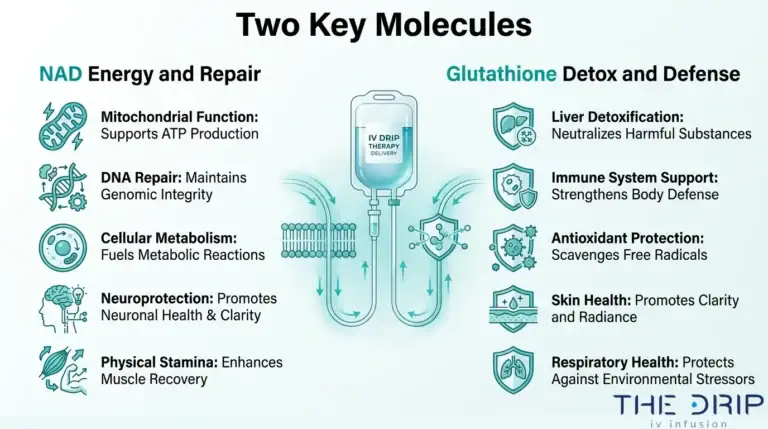
Glutathione is included in immune boost IV drips because it is the body’s most abundant intracellular antioxidant. It neutralizes free radicals, supports detoxification pathways, and helps regenerate other antioxidants, such as vitamin C and vitamin E.
Immune cells rely heavily on glutathione to maintain function under oxidative stress. Key benefits of glutathione in immune IV formulas include:
- Reducing oxidative damage to white blood cells during immune responses.
- Supporting liver detoxification, which reduces the body’s overall toxic burden.
- Enhancing the recycling of other antioxidants within the formula.
Pairing glutathione with vitamin C in a single infusion creates a synergistic antioxidant effect that neither nutrient achieves as effectively alone.
What Do B-Complex Vitamins Contribute to Immune Support?
B-complex vitamins contribute to immune support by fueling cellular energy production and supporting the formation of immune cells. This group includes B1, B2, B3, B5, B6, and B12, each playing a distinct metabolic role.
Key contributions include:
- B6 supports lymphocyte production and antibody response.
- B12 is essential for red blood cell formation and neurological function.
- B3 (niacinamide) has historically been used in IV formulas like the Myers’ cocktail for conditions including chronic fatigue.
Without adequate B vitamins, energy metabolism slows and immune cell turnover suffers. Including the full complex in an IV drip ensures no single B vitamin becomes a bottleneck.
How Do Electrolytes and Hydration Fluids Enhance the Formula?
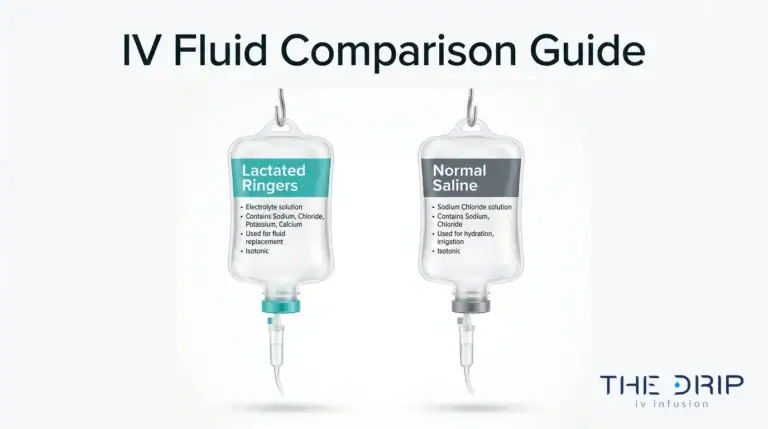
Electrolytes and hydration fluids enhance the formula by creating the optimal fluid environment for nutrient delivery and cellular function. Solutions such as normal saline (0.9% NaCl) and lactated Ringer’s restore fluid balance while maintaining proper electrolyte concentrations.
Hydration itself is foundational to immune performance. Dehydrated cells struggle to transport nutrients, remove waste, and mount effective immune responses. The IV base fluid serves two purposes:
- It acts as the carrier vehicle for all dissolved vitamins, minerals, and antioxidants.
- It corrects dehydration rapidly, restoring blood volume and supporting organ function.
Understanding these core ingredients clarifies how each component works together within a single infusion to support the immune system.
How Does Immune Boost IV Therapy Work in the Body?
Immune boost IV therapy works by delivering vitamins, minerals, and antioxidants directly into the bloodstream through a vein. The sections below explain why this method bypasses digestion, how absorption differs from oral supplements, and what occurs at the cellular level.
Why Does IV Delivery Bypass the Digestive System?
IV delivery bypasses the digestive system because nutrients enter the bloodstream directly through a vein, skipping the mouth, stomach, and intestines entirely. When you swallow a supplement, it must survive stomach acid, pass through the intestinal lining, and undergo first-pass metabolism in the liver before reaching circulation. Each of these stages reduces the amount of active nutrient that ultimately enters the blood.
Intravenous administration eliminates every one of these barriers. The nutrient solution flows from the IV line into the venous system and circulates to tissues within minutes. This route is particularly relevant for water-soluble vitamins like vitamin C and B-complex, which face absorption ceilings in the gut. For individuals with compromised digestive function, IV delivery offers a path that oral intake simply cannot replicate.
How Does Intravenous Absorption Differ From Oral Supplements?
Intravenous absorption differs from oral supplements primarily in bioavailability; the percentage of a nutrient that reaches systemic circulation. Oral vitamins must pass through saturable transport mechanisms in the intestine, which cap how much the body can absorb per dose regardless of the amount consumed.
According to research published in the Annals of Internal Medicine, intravenous administration of vitamin C can produce plasma concentrations 30 to 70 times higher than the maximum tolerated oral doses because oral absorption is limited by these intestinal transport ceilings. This difference in achievable blood levels is why IV formulas can deliver pharmacological concentrations that pills and powders cannot match.
The growing demand for this delivery method is reflected in market trends, with the global intravenous medical devices market projected to reach USD 22 billion by 2030. Still, higher plasma levels do not automatically guarantee better clinical outcomes for every individual. Choosing between IV and oral supplementation should depend on specific health goals and nutritional status.
What Happens at the Cellular Level During an Immune IV Drip?
During an immune IV drip, nutrients circulating in the blood are taken up by immune cells, where they participate in essential biochemical processes. Vitamin C protects leukocytes from oxidative damage they generate while fighting pathogens, and B vitamins serve as cofactors in cellular energy production that fuels immune responses.
According to research published by the National Center for Biotechnology Information, zinc acts as a gatekeeper of immune function by regulating intracellular signaling pathways in both innate and adaptive immune cells; its deficiency results in decreased production of T helper 1 (Th1) cytokines. These cytokines are critical for activating macrophages and coordinating the body’s defense against infections. By supplying zinc, vitamin C, and glutathione simultaneously at high plasma concentrations, an immune IV drip gives immune cells the raw materials they need when demand is highest.
Understanding these cellular mechanisms helps clarify what benefits immune boost IV therapy may offer in practice.
What Are the Benefits of Immune Boost IV Therapy?
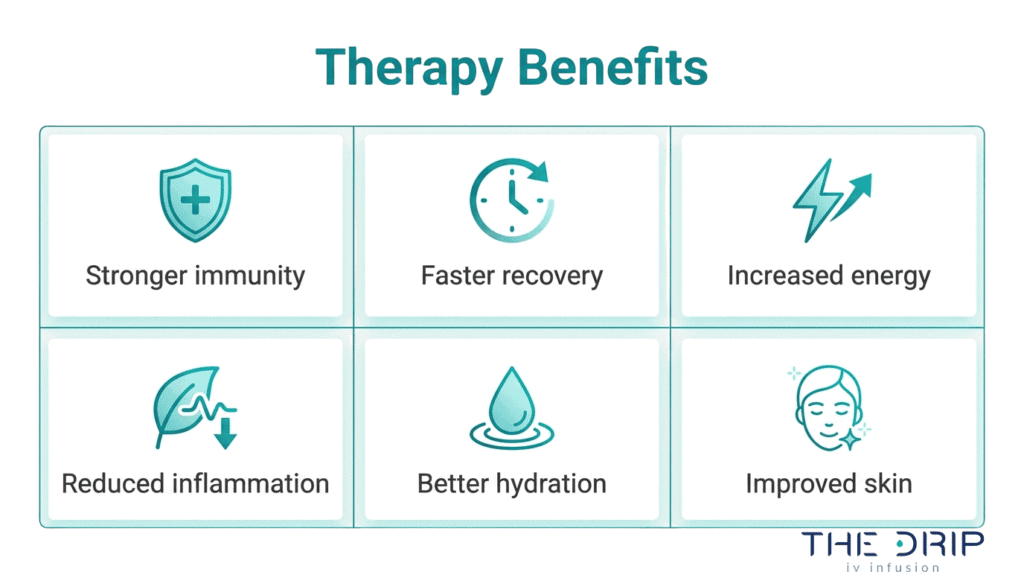
The benefits of immune boost IV therapy include strengthened immune defense, faster illness recovery, cold prevention, increased energy, reduced inflammation, and improved skin health. Each benefit stems from delivering high-dose nutrients directly into the bloodstream.
How Does It Strengthen the Body’s Natural Immune Defense?
Immune boost IV therapy strengthens the body’s natural immune defense by delivering concentrated doses of vitamin C, zinc, and glutathione directly to immune cells. Zinc regulates intracellular signaling pathways in both innate and adaptive immune cells, according to a review published by the National Center for Biotechnology Information (NCBI). When zinc levels drop, T helper 1 cytokine production decreases, weakening the body’s first line of defense.
Vitamin C further supports this process by protecting leukocytes from oxidative damage during pathogen response. Because IV delivery bypasses intestinal absorption limits, immune cells receive these nutrients at concentrations oral supplements cannot match. For anyone looking to fortify baseline immunity rather than wait until illness strikes, this direct-delivery approach offers a meaningful advantage.
Can Immune IV Therapy Speed Up Recovery From Illness?
Yes, immune IV therapy can speed up recovery from illness by restoring depleted nutrient levels and rehydrating the body during periods of acute stress. Illness rapidly drains vitamin C, B-complex vitamins, and zinc stores as the immune system works to fight infection.
IV administration replenishes these nutrients faster than oral intake, which matters most when the gastrointestinal system is already compromised by nausea, vomiting, or poor appetite. Electrolyte-balanced hydration fluids also counteract dehydration that commonly accompanies fever and respiratory infections. While IV therapy does not replace medical treatment for serious conditions, it supports the body’s natural healing processes when nutrient demands exceed what diet alone can supply.
How Does It Help Prevent Colds and Seasonal Infections?
Immune boost IV therapy helps prevent colds and seasonal infections by maintaining optimal levels of immune-supporting nutrients before exposure occurs. Vitamin C functions as a potent antioxidant and essential cofactor that keeps leukocytes prepared to respond rapidly to viral threats, as documented by the Linus Pauling Institute at Oregon State University.
Proactive sessions before cold and flu season, international travel, or high-exposure periods give the immune system a measurable nutrient advantage. Zinc’s role in regulating adaptive immune cell signaling further enhances the body’s ability to neutralize pathogens early. Prevention-focused IV therapy is most effective when scheduled consistently rather than reactively.
What Are the Energy and Fatigue-Reduction Benefits?
The energy and fatigue-reduction benefits of immune boost IV therapy stem from B-complex vitamins, magnesium, and amino acids delivered at full bioavailability. B vitamins are essential cofactors in cellular energy production, converting food into usable ATP. When these nutrients bypass digestive absorption barriers, the body can utilize them almost immediately.
Chronic fatigue often correlates with subclinical nutrient deficiencies that standard blood panels miss. IV therapy addresses this gap directly. Many clients report noticeable energy improvements within hours of a session, particularly those managing high-stress lifestyles, irregular sleep, or demanding physical routines. Sustained energy, rather than a temporary stimulant spike, makes this one of the most consistently reported benefits.
How Does Immune IV Therapy Reduce Inflammation and Oxidative Stress?
Immune IV therapy reduces inflammation and oxidative stress by flooding the body with antioxidants, primarily vitamin C and glutathione, at pharmacologically effective concentrations. Vitamin C neutralizes free radicals that damage healthy cells, while glutathione supports detoxification pathways in the liver and throughout tissues.
Chronic low-grade inflammation underlies many modern health complaints, from joint stiffness to brain fog. Oral antioxidant supplements face intestinal absorption ceilings that limit their anti-inflammatory impact. IV delivery removes this bottleneck entirely. For individuals dealing with persistent inflammatory responses or environmental toxin exposure, targeted antioxidant infusions offer a practical strategy that complements dietary and lifestyle interventions.
Can It Improve Skin Health and Overall Appearance?
Yes, immune boost IV therapy can improve skin health and overall appearance through the combined effects of vitamin C, glutathione, and hydration. Vitamin C is an essential cofactor in collagen biosynthesis, the process that maintains skin firmness and elasticity, as confirmed by the Linus Pauling Institute.
Glutathione, often called the body’s master antioxidant, supports an even skin tone by influencing melanin production pathways. Meanwhile, the hydration component restores moisture at the cellular level, reducing dullness and fine lines. These cosmetic benefits are secondary to immune function, yet they make immune boost IV therapy appealing for clients seeking both internal wellness and visible results.
With these benefits in mind, identifying who stands to gain the most helps guide informed decisions.
Who Should Consider Getting an Immune Boost IV Drip?
Several groups may consider getting an immune boost IV drip, including frequent travelers, athletes, people experiencing chronic stress, those recovering from surgery or illness, and individuals with nutrient absorption issues.
How Does Immune IV Therapy Help Frequent Travelers?
Immune IV therapy helps frequent travelers by replenishing hydration and delivering immune-supporting nutrients like vitamin C, zinc, and B vitamins directly into the bloodstream. Air travel exposes the body to recirculated cabin air, disrupted sleep cycles, and dehydration from low-humidity environments. These stressors can temporarily weaken immune defenses at a time when exposure to new pathogens is highest. A pre-travel or post-travel infusion provides rapid nutrient delivery that supports the body’s natural defenses during these vulnerable windows. For anyone with a packed travel schedule, this proactive approach can be more practical than relying solely on oral supplements that take longer to absorb.
Why Might Athletes and Active Individuals Benefit?
Athletes and active individuals might benefit from immune boost IV therapy because intense training depletes fluids, electrolytes, and micronutrients faster than sedentary lifestyles allow. Heavy exercise increases oxidative stress and temporarily suppresses immune function during recovery windows. IV infusions deliver replenishing nutrients at higher bioavailability than oral intake, supporting faster recovery between training sessions.
However, it is important to note that context matters here. According to the Mayo Clinic, there is limited evidence that IV vitamins provide benefit to people with normal nutritional intake and levels; healthy individuals are generally advised that they do not need IV hydration or vitamins. Athletes pushing beyond normal metabolic demands may have different needs, but consulting a healthcare provider before starting any IV regimen remains essential.
How Does It Support People With Chronic Stress or Burnout?
Immune boost IV therapy supports people with chronic stress or burnout by addressing the nutrient depletion that prolonged stress creates. Chronic stress elevates cortisol levels, which over time can suppress immune cell activity and accelerate the consumption of key micronutrients, particularly B vitamins, vitamin C, and magnesium. Oral supplementation may not fully compensate when the body is under sustained pressure, since stress itself can impair digestive efficiency. IV delivery bypasses these absorption barriers, making nutrients immediately available at the cellular level. For professionals managing high-demand careers or caregivers experiencing sustained fatigue, periodic infusions can serve as one component of a broader stress-management strategy.
Can It Help Those Recovering From Surgery or Illness?
Yes, it can help those recovering from surgery or illness by providing direct nutritional support when the body’s demand for immune resources is elevated. Recovery periods increase the need for vitamin C, zinc, and amino acids that support tissue repair and immune cell production. Post-surgical patients and those fighting infections often experience reduced appetite or gastrointestinal sensitivity, making oral supplementation less reliable. IV therapy delivers these nutrients without requiring digestive processing, which is particularly valuable when gut function is compromised. This makes it a practical complement to standard medical care, though it should always be coordinated with the supervising healthcare provider managing recovery.
Why Do People With Nutrient Absorption Issues Choose IV Therapy?
People with nutrient absorption issues choose IV therapy because it bypasses the gastrointestinal system entirely, delivering vitamins and minerals directly into the bloodstream. Conditions such as Crohn’s disease, celiac disease, irritable bowel syndrome, and chronic gastritis can impair the intestinal lining’s ability to absorb nutrients effectively. Even with a nutrient-rich diet or high-quality oral supplements, these individuals may remain deficient in critical immune-supporting micronutrients. IV infusions eliminate the absorption variable, ensuring that the full administered dose reaches circulation. For this population, IV therapy addresses a genuine physiological limitation rather than simply offering convenience.
With the right candidate profile established, understanding who should avoid immune boost IV therapy is equally important.
Who Should Avoid Immune Boost IV Therapy?
People with certain medical conditions should avoid immune boost IV therapy due to risks of fluid overload, hemolysis, or electrolyte imbalances. Key groups to consider include those with heart disease, kidney conditions, and specific enzyme deficiencies.
Individuals who should avoid or consult a physician before receiving immune boost IV therapy include:
- People with heart conditions. Medically unnecessary IV drips can cause fluid overload, which strains the cardiovascular system and may worsen congestive heart failure.
- People with kidney disease. Impaired kidneys cannot efficiently filter the added fluid volume and minerals, increasing the risk of dangerous electrolyte imbalances.
- People with G6PD deficiency. According to the Royal Australian College of General Practitioners, high-dose intravenous vitamin C is contraindicated in patients with Glucose-6-phosphate dehydrogenase deficiency because it can result in significant hemolysis of red blood cells.
- People with allergies to specific IV ingredients. Reactions to B vitamins, preservatives, or other formula components can range from mild irritation to anaphylaxis.
- Pregnant or nursing individuals without physician clearance. Nutrient dosages in immune IV formulas may exceed safe thresholds during pregnancy or lactation.
Anyone with a chronic medical condition should discuss immune boost IV therapy with a qualified healthcare provider before booking a session. For most practitioners, the safest approach is to screen for these contraindications during the intake process, which is why choosing a provider with clinical expertise matters significantly.
Understanding who should avoid this therapy helps clarify how session frequency works for those who are good candidates.
How Often Should You Get an Immune Boost IV Infusion?
You should get an immune boost IV infusion on a schedule tailored to your health goals, lifestyle demands, and a healthcare provider’s guidance. Most people benefit from sessions every one to four weeks, though frequency varies by individual need. General wellness maintenance, seasonal illness prevention, and active recovery each call for different cadences.
For general immune maintenance, a monthly session helps sustain elevated nutrient levels in the bloodstream. During cold and flu season, or periods of heavy travel and high stress, biweekly infusions may offer more consistent support. Athletes or individuals recovering from illness sometimes benefit from weekly sessions for a short period before tapering back.
Several factors influence the right schedule:
- Baseline health status: Individuals with nutrient absorption issues or chronic stress may need more frequent sessions than those in good overall health.
- Seasonal exposure: Fall and winter months, when respiratory infections peak, often warrant a temporary increase in frequency.
- Activity level: High-performance athletes place greater physical demands on their bodies and may deplete micronutrients faster.
- Provider recommendation: A qualified infusion specialist can adjust timing based on how your body responds after each session.
According to the Mayo Clinic, there is limited evidence that IV vitamins provide benefit to people with normal nutritional intake and levels, so healthy individuals with balanced diets may not need frequent infusions. This underscores why personalized assessment matters more than a one-size-fits-all protocol. Starting with a monthly cadence and adjusting based on subjective response and professional input remains the most practical approach for most people.
Understanding your ideal frequency sets the stage for knowing what the session itself involves.
What Should You Expect During an Immune Boost IV Session?
During an immune boost IV session, you should expect a straightforward process that typically takes about 1 hour from start to finish. The experience involves a brief health screening, comfortable IV placement, and a relaxation period while nutrients infuse directly into your bloodstream. Here is what each stage looks like.
First, an infusion specialist reviews your health history and current symptoms. This pre-session screening identifies any contraindications, such as kidney conditions or allergies, that could affect treatment safety. Vital signs like blood pressure and heart rate are checked to establish a baseline before the infusion begins.
Once cleared, the infusion specialist selects an appropriate vein, typically in the forearm or hand, and inserts a small catheter. According to the Cleveland Clinic, IV vitamin therapy delivers a liquid mixture of vitamins, minerals, and antioxidants directly into the bloodstream through a vein, allowing for rapid absorption while bypassing the gastrointestinal system. You may feel a brief pinch during insertion, but discomfort is minimal.
During the infusion itself, the nutrient blend drips at a controlled rate. Most people relax, read, or work on a device while the session progresses. The infusion specialist monitors the IV site and your comfort level throughout. Common sensations include:
- A cool feeling along the arm as the fluid enters the vein.
- A slight taste of vitamins, which some clients notice with higher-dose formulas.
- Gradual improvement in energy or hydration as the session continues.
After the catheter is removed, a small bandage covers the insertion site. Many people report feeling more energized and hydrated almost immediately, though individual responses vary. There are no lengthy recovery requirements; most clients resume normal activities right away.
For anyone new to IV therapy, knowing what to expect removes much of the uncertainty and makes the session feel routine rather than intimidating. Understanding the comparison between IV and oral delivery further clarifies why this method appeals to so many people.
How Does Immune IV Therapy Compare to Oral Immune Supplements?
Immune IV therapy compares to oral immune supplements primarily through differences in bioavailability, absorption speed, and achievable nutrient concentrations. The key distinction lies in how each method delivers vitamins and minerals to cells.
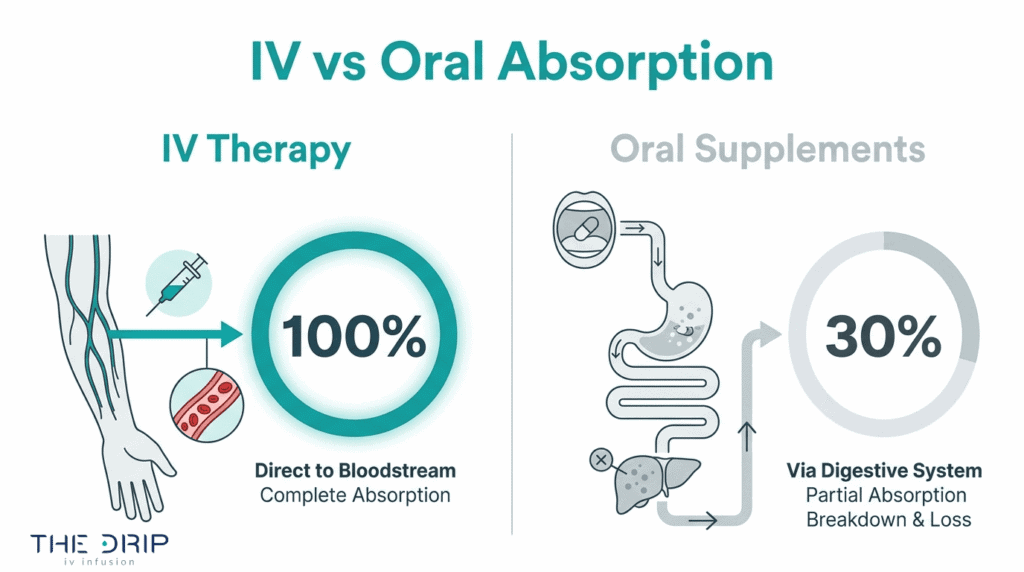
Immune IV therapy bypasses the gastrointestinal system entirely, delivering nutrients directly into the bloodstream. Oral supplements, by contrast, must pass through the stomach and intestines, where saturable transport mechanisms limit how much the body can absorb. According to research published in the Annals of Internal Medicine, intravenous administration of vitamin C can produce plasma concentrations 30- to 70-fold higher than the maximum tolerated oral doses, since oral absorption is constrained by intestinal transport limits.
This difference matters most when higher therapeutic concentrations are the goal. For everyday maintenance in individuals with balanced diets and normal nutrient levels, oral supplements often provide sufficient support. However, when rapid replenishment is needed, such as during illness recovery, periods of chronic stress, or when digestive conditions impair nutrient absorption, IV delivery achieves concentrations that oral routes simply cannot match.
There are several practical factors that distinguish these two approaches:
- Bioavailability: IV delivery provides near-100% bioavailability, while oral supplements typically achieve far lower absorption rates depending on the nutrient.
- Speed of effect: IV infusions deliver nutrients within minutes; oral supplements require digestion and gradual absorption over hours.
- Concentration ceiling: Oral doses hit a plateau governed by intestinal transporters, whereas IV administration can safely push plasma levels well beyond that ceiling.
- Convenience: Oral supplements require no appointment and can be taken daily at home, making them more accessible for routine use.
- Cost: Oral supplementation is significantly less expensive per dose than IV infusion sessions.
Neither method universally replaces the other. For most healthy individuals maintaining adequate nutrition, oral supplements serve as a practical, cost-effective baseline. IV therapy becomes particularly valuable when the body’s demand for specific nutrients exceeds what the digestive system can deliver, or when conditions like malabsorption, acute depletion, or illness recovery call for rapid, high-concentration replenishment. Knowing the risks and side effects of each approach helps determine which option suits your needs.
Are There Side Effects or Risks of Immune Boost IV Therapy?
The side effects and risks of immune boost IV therapy are generally mild but can include discomfort at the injection site, bruising, and, in certain populations, more serious complications. Understanding these risks helps you make an informed decision.
Most people tolerate immune IV infusions well when administered by a qualified nurse. However, certain health conditions increase the risk of adverse reactions. The most common side effects include:
- Bruising, swelling, or soreness at the catheter insertion site.
- A cool sensation or mild discomfort as fluids enter the vein.
- Lightheadedness or a metallic taste during infusion, particularly with glutathione or magnesium pushes.
- Temporary flushing or warmth, especially with B-complex vitamins.
More serious risks apply to specific populations. According to AARP, medically unnecessary IV drips can be risky for individuals with heart or kidney conditions, as they could lead to fluid overload or electrolyte imbalances. People with renal impairment may struggle to excrete excess water-soluble vitamins, while those on blood thinners or certain medications should disclose their full medical history before any infusion.
Allergic reactions, though uncommon, can occur with any intravenous formulation. Signs such as hives, difficulty breathing, or rapid heart rate require immediate medical attention. This is one reason why having a licensed nurse present throughout the session matters; trained professionals can recognize and respond to adverse events quickly.
For most healthy adults, the risk profile of a single immune boost IV session remains low. The key factor is proper screening beforehand. A thorough health intake that reviews medications, allergies, and pre-existing conditions significantly reduces the likelihood of complications. Choosing a reputable provider with transparent protocols is the most practical step toward a safe experience.
How Do You Choose a Safe and Qualified IV Therapy Provider?
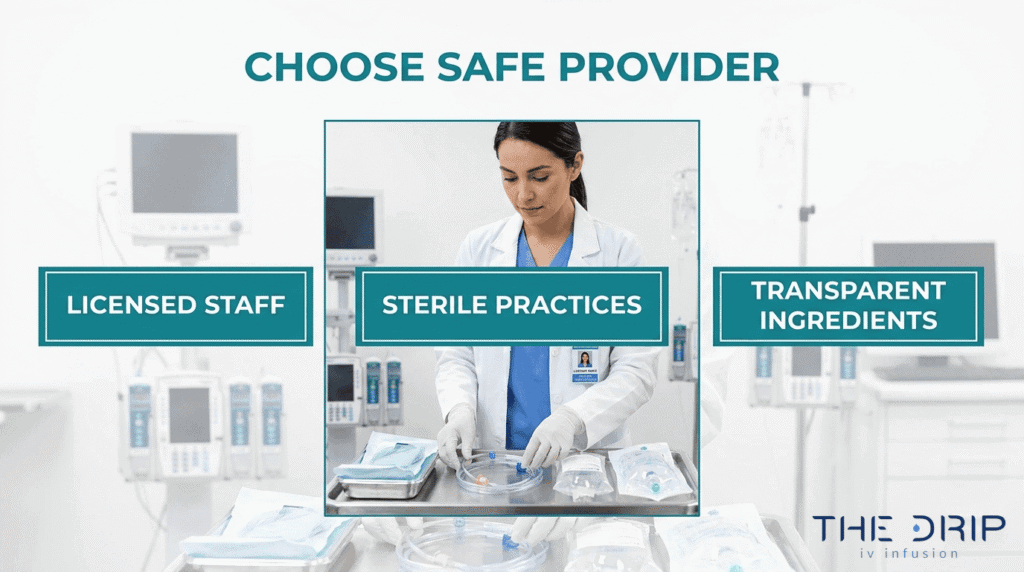
You choose a safe and qualified IV therapy provider by verifying medical credentials, confirming regulatory compliance, and evaluating the clinic’s safety protocols. Key factors include staff qualifications, ingredient transparency, and adherence to sterile compounding standards.
Selecting the right provider requires evaluating several critical areas:
- Medical staff credentials. Confirm that a registered nurse or licensed medical professional administers every infusion. Providers staffed by experienced nurses with backgrounds in emergency medicine or home health deliver safer outcomes.
- Regulatory compliance. IV hydration clinics often fall outside routine FDA oversight, as a Yale University study found these facilities are frequently exempted as compounding pharmacies, leaving state governments predominantly responsible for regulation. Verify that your provider meets all applicable state licensing requirements.
- Sterile compounding practices. The FDA has issued warnings about insanitary conditions during the compounding process at some IV clinics. Ask whether your provider follows USP 797 standards for sterile preparation.
- Transparent ingredient sourcing. A qualified provider discloses every ingredient, dosage, and fluid base used in each IV formulation. Vague descriptions of proprietary blends are a red flag.
- Pre-infusion health screening. Safe providers conduct a health intake that covers medical history, current medications, and known contraindications before any infusion begins.
- Clean, professional environment. Whether at a fixed clinic or through a mobile service, the treatment space should use single-use supplies, maintain proper waste disposal, and follow infection control protocols.
Providers who cut corners on any of these areas introduce unnecessary risk. The safest IV therapy experiences come from teams that combine clinical expertise with full transparency about what enters your bloodstream. With provider standards established, mobile IV services offer another layer of convenience worth exploring.
How Can Mobile IV Therapy Enhance Your Immune Support Routine?
Mobile IV therapy enhances your immune support routine by bringing nurse-administered infusions directly to your home, eliminating the need to visit a clinic. The following sections cover how The Drip IV Infusion delivers this service and the key takeaways from this guide.
Can The Drip IV Infusion’s Nurse-Administered Service Deliver Immune Boost Treatments to Your Home?
Yes, The Drip IV Infusion’s nurse-administered service can deliver immune boost treatments to your home. Founded in Fall 2022 by professionals with decades of experience in nursing and emergency medicine, The Drip IV Infusion operates as a mobile IV therapy provider across Arizona. Each session is administered by a qualified nurse who arrives with all necessary supplies, sets up the infusion, and monitors the process on-site.
This convenience reflects a broader industry shift. According to NurseJournal, mobile IV nursing is trending as health and wellness companies expand at-home services to meet growing consumer demand. The Drip IV Infusion offers customizable immune-focused formulas with add-ons such as vitamin C, zinc, glutathione, and B-complex vitamins. A typical session takes one hour.
What Are the Key Takeaways About Immune Boost IV Therapy?
The key takeaways about immune boost IV therapy center on informed decision-making, realistic expectations, and provider quality. This guide has covered the core principles every prospective client should understand:
- Immune boost IV drips deliver vitamins, minerals, and antioxidants directly into the bloodstream, bypassing digestive absorption limits.
- Ingredients such as vitamin C, zinc, glutathione, and B-complex vitamins each serve distinct immune functions.
- IV bioavailability exceeds oral supplementation for certain nutrients, though clinical evidence for healthy individuals remains limited.
- Candidates with chronic stress, nutrient absorption issues, or recovery needs may benefit most.
- Choosing a qualified provider with licensed nurses and transparent protocols is essential for safety.
Transparency matters in this space. In 2018, the Federal Trade Commission brought its first-ever action targeting an IV cocktail therapy marketer for making deceptive health claims about the Myers’ Cocktail. This precedent reinforces why reputable providers avoid overpromising results. Always consult a healthcare professional before starting any IV therapy regimen, and select a provider whose claims align with evidence-based practice.