An IV drip session is an intravenous infusion that delivers fluids, vitamins, or minerals directly into the bloodstream, with most wellness treatments lasting between 30 minutes and two hours depending on the drip type and individual factors.
This guide covers session durations by drip formulation, the physiological and logistical variables that extend or shorten treatment time, preparation and in-session expectations, and the differences between mobile and in-clinic infusion experiences.
Drip formulation is the strongest predictor of session length. Hydration, hangover, immune support, and athletic recovery drips typically finish within 30 to 60 minutes because they use straightforward saline-based solutions with moderate nutrient loads. Myers’ Cocktail infusions fall in a similar range at 20 to 60 minutes, while glutathione pushes can wrap up in as little as 15 to 30 minutes. NAD+ sessions run the longest among standard wellness options, averaging roughly 97 minutes per infusion due to the slower drip rate nicotinamide adenine dinucleotide requires for comfort and safety. High-dose vitamin C protocols at clinical-trial concentrations can extend to several hours.
Beyond the formula itself, bag volume, vein accessibility, infusion rate, and added nutrients all influence total time. Larger bags take longer to empty, smaller or dehydrated veins may require slower flow, and each extra add-on increases the fluid volume in the line.
Proper preparation, including hydrating beforehand, eating a light meal, and wearing loose sleeves, helps sessions start on time and run efficiently. Whether the infusion happens at home through a mobile provider or in a clinic setting, the same nurse-monitored protocols and flow rates apply.
What Is the Typical Duration of an IV Drip Session?
The typical duration of an IV drip session ranges from 30 minutes to several hours, depending on the drip type, bag volume, and individual factors. The sections below break down session length for specific IV formulations, from quick hydration drips to longer NAD+ infusions.
How Long Does a Hydration IV Drip Take?
A hydration IV drip takes approximately 30 to 60 minutes for a standard session. The exact duration depends on the fluid volume prescribed, the infusion rate, and individual factors such as vein condition. Below is a closer look at what drives hydration drip timing and why people choose this option.
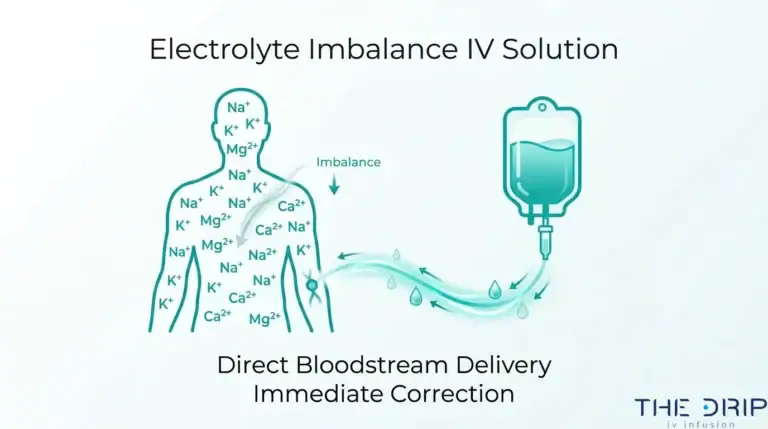
Hydration IV drips deliver saline or electrolyte solutions directly into the bloodstream, bypassing the digestive system for faster fluid replenishment. According to Harvard Health Publishing, people seek out IV fluids on demand for hangovers, dehydration from the flu or overexertion, food poisoning, jet lag, and getting an “instant healthy glow” for skin and hair. Because a hydration drip typically contains fewer additives than nutrient-heavy formulas, the infusion rate can often be set higher, keeping total session time on the shorter end of the spectrum. For most clients, a straightforward rehydration session is one of the quickest IV therapy options available.
How Long Does an Immune Support IV Drip Take?
An immune support IV drip takes approximately 30 to 60 minutes for a standard wellness session. The exact duration depends on the volume of fluids, the specific vitamins and minerals included, and individual factors like vein accessibility. Immune support formulations typically combine nutrients such as vitamin C, zinc, and B-complex vitamins to target the body’s natural defense systems. According to the North Dakota Board of Nursing, retail IV therapy settings offer menus addressing immunity, hydration, energy, and other wellness goals, with clients choosing options that may include vitamins, minerals, and other additives added to IV fluids. For most people seeking a seasonal immune boost or recovery support, this is one of the more straightforward drip types to schedule into a busy day.
How Long Does a Vitamin C IV Drip Take?
A vitamin C IV drip takes anywhere from 30 minutes for a standard wellness dose to 3 hours for high-dose clinical protocols. Session length depends on the concentration of ascorbic acid, the total volume of the IV bag, and the prescribed infusion rate. According to the National Cancer Institute, clinical trials have administered vitamin C infusions for 3 consecutive days at 3 hours per session, and IV vitamin C (also identified as ascorbate or L-ascorbic acid) is generally well tolerated in these settings. Wellness-focused vitamin C drips at lower doses typically finish much faster. For most people seeking a vitamin C boost outside of a clinical trial, a session closer to 30 to 60 minutes is more realistic.
How Long Does a Myers’ Cocktail IV Drip Take?
A Myers’ Cocktail IV drip takes 20 to 60 minutes. Session length depends on cocktail volume, vein size, and individual tolerance. Below is a closer look at what this infusion contains and why timing varies.
The Myers’ formula consists of high doses of B vitamins, vitamin C, and minerals such as magnesium and calcium, all mixed with sterile water. According to the Merck Manual, these infusions typically take 20 to 60 minutes, depending on the volume of the cocktail and the size of the person’s veins. Smaller veins often require a slower drip rate, which pushes sessions closer to the 60-minute mark. For most people, this multi-nutrient blend fits comfortably into a lunch break. Among all wellness IV options, the Myers’ Cocktail remains one of the most time-efficient choices for delivering a broad spectrum of micronutrients in a single session.
How Long Does a Glutathione IV Drip Take?
A glutathione IV drip typically takes 15 to 30 minutes, though sessions can extend slightly depending on dosage and infusion rate. Reduced L-glutathione is often administered as a standalone push or added to a larger infusion bag, and each approach affects total session time differently.
Glutathione infusions tend to be among the shorter IV drip types because dosages are relatively small compared to high-volume hydration bags. Manufacturers of intravenous glutathione preparations recommend dosages of 600 to 1,200 mg for once- to twice-weekly sessions, according to a 2025 case report published in the Muller Journal of Medical Sciences and Research. At these volumes, the infusion itself requires less time than nutrient-dense drips that use 500 mL or 1,000 mL bags. When glutathione is added as a supplement to a larger IV cocktail, however, the total appointment length reflects the base drip’s duration rather than the glutathione component alone.
For most people, a dedicated glutathione session is one of the quickest options on an IV therapy menu. Understanding how NAD+ compares helps put longer infusion times in perspective.
How Long Does a NAD+ IV Drip Take?
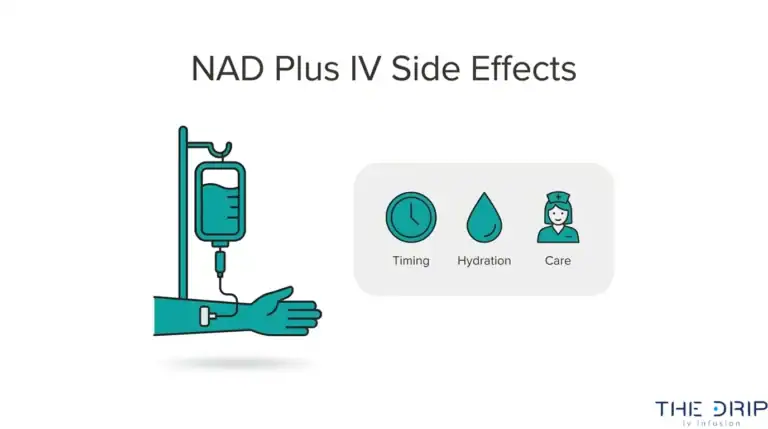
A NAD+ IV drip takes approximately 90 to 120 minutes per session. Nicotinamide adenine dinucleotide requires a slower infusion rate than standard vitamin drips because rapid delivery can cause flushing, nausea, and chest tightness. According to a 2026 retrospective study published in Frontiers in Aging, clients receiving 500 mg NAD+ diluted in 500 mL of normal saline averaged 97 ± 56.33 minutes per infusion across four consecutive treatment days. That wide time range reflects individual tolerance; some people handle faster drip rates comfortably while others need the flow dialed back. For most wellness clients, planning a two-hour window is the most practical approach to avoid feeling rushed during a NAD+ session.

How Long Does an Athletic Recovery IV Drip Take?
An athletic recovery IV drip typically takes 30 to 60 minutes. The session length depends on the bag volume, nutrient additives, and individual hydration needs.
Athletic recovery is one of the most common categories offered at retail IV therapy settings. According to the North Dakota Board of Nursing’s practice guidance, these facilities offer menus addressing athletic recovery alongside energy, immunity, and hydration, with clients choosing options that may include vitamins, minerals, and prescription drug additives mixed into IV fluids. For athletes seeking rapid rehydration after intense training, this drip type represents a practical middle-ground session; short enough to fit between workouts, yet comprehensive enough to deliver electrolytes and nutrients that oral supplements take longer to absorb.
How Long Does a Hangover IV Drip Take?
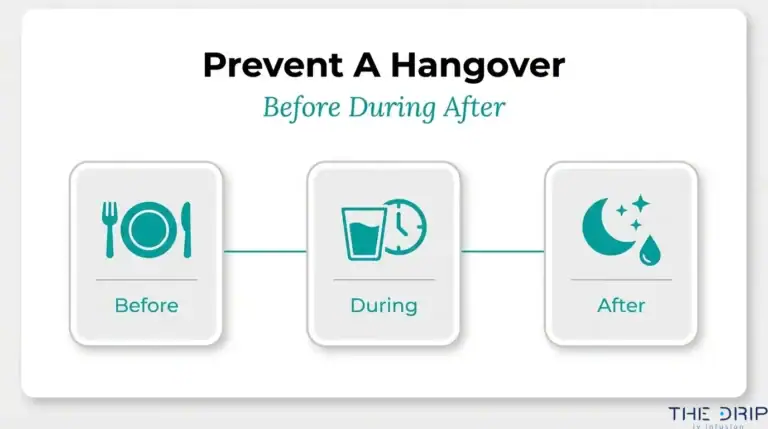
A hangover IV drip takes approximately 30 to 60 minutes. This session length covers fluid rehydration, electrolyte replenishment, and anti-nausea support delivered directly into the bloodstream. Hangover drips rank among the most popular reasons people seek on-demand infusion therapy, and the relatively short session makes same-day relief practical.
According to a Harvard Health Publishing article, people seek out IV fluids on demand for hangovers, dehydration from the flu or overexertion, food poisoning, and jet lag. Because hangover symptoms involve both fluid loss and nutrient depletion, the infusion typically combines saline with targeted add-ons such as B vitamins, magnesium, and Zofran for nausea. For most clients recovering from a night out, this combination strikes the right balance between thoroughness and speed, making it one of the most time-efficient drip options available.
How Long Does a Weight Management IV Drip Take?
A weight management IV drip takes approximately 30 to 60 minutes for a standard session. These infusions typically combine hydrating saline with metabolism-supporting nutrients such as B vitamins, lipotropic compounds, and amino blends designed to complement an active weight loss program.
The growing popularity of weight management infusions reflects a broader wellness trend. According to JAMA Medical News, the medical spa market in 2022 was a $15 billion industry with nearly 9,000 facilities, and vitamin injections alongside GLP-1 drugs were among the most typical non-IV treatments available. IV weight management formulas occupy a similar space, offering nutrient delivery that bypasses the digestive system for faster absorption.
For anyone pursuing weight loss goals, pairing a weight management drip with proper nutrition and exercise tends to yield the most meaningful results. Understanding how pregnancy-specific formulas differ in timing helps expecting mothers plan their own sessions.
How Long Does a Pregnancy-Safe IV Drip Take?
A pregnancy-safe IV drip takes approximately 30 to 60 minutes for standard rehydration and nutrient support. Duration depends on the volume prescribed and whether additional vitamins are included.
Pregnant women experiencing persistent nausea and vomiting often require intravenous hydration to prevent dehydration and nutrient depletion. According to a 2018 ACOG Practice Bulletin, thiamine 100 mg is recommended with the initial rehydration fluid, followed by 100 mg daily for the next 2 to 3 days, for women who have vomited for more than 3 weeks, in order to prevent Wernicke encephalopathy. When thiamine and multivitamins are added to the IV bag, the session may extend slightly beyond the standard window. Pregnancy-safe formulations prioritize gentle hydration with carefully selected nutrients, making session length predictable for most expecting mothers. For anyone managing morning sickness or hyperemesis, scheduling these sessions during a low-symptom window tends to make the experience far more comfortable.
What Factors Can Make an IV Drip Take Longer?
Several factors can make an IV drip take longer, including bag volume, vein accessibility, infusion rate, and nutrient complexity. The sections below break down how each variable influences total session time.

How Does IV Bag Volume Affect Session Length?
IV bag volume affects session length directly: larger bags contain more fluid, which requires more time to infuse at a given drip rate. Standard IV bags come in 250 mL, 500 mL, and 1,000 mL sizes. A 250 mL hydration drip finishes significantly faster than a 1,000 mL bag used for more intensive treatments. For context, nursing dosage guidelines show that a 500 mL bag of 0.9% normal saline may be set to infuse over two hours, while a 1,000 mL bag of D5W can take up to eight hours depending on tubing and rate settings. When booking a session, confirming the prescribed bag size gives clients the most accurate time estimate.
How Does Vein Accessibility Impact Drip Time?
Vein accessibility impacts drip time because difficult-to-access veins can slow catheter placement and reduce flow consistency. Factors such as dehydration, age, and naturally smaller veins make the insertion process longer and may require a smaller-gauge catheter, which limits how quickly fluid can enter the bloodstream. According to the Wisconsin Technical College System Open Textbook, even microdrip tubing at 60 gtt/mL is used for smaller volumes like 50 mL infusions over 20 minutes, illustrating how tubing and vein conditions together shape the pace. Staying well-hydrated before an appointment is one of the simplest ways to improve vein visibility and help the session start smoothly.
How Does the Infusion Rate Change Duration?
The infusion rate changes duration by controlling how many milliliters of fluid enter the bloodstream per hour. A slower rate extends the session; a faster rate shortens it. Providers set the rate based on the client’s age, weight, vessel condition, and the specific nutrients being delivered. A registered-nurse focus-group study published in Risk Management and Healthcare Policy found that “all participants agreed that the rate of IV infusion is largely dependent on the patient’s physical and mental conditions,” with age and blood vessel attributes cited as primary factors. High-dose protocols require especially careful rate management. For instance, clinical-trial vitamin C infusions have been administered over three hours per session to maintain safety.
Does Adding Extra Nutrients Extend the Session?
Yes, adding extra nutrients can extend the session. Each add-on, such as glutathione, vitamin C, or magnesium, increases the total volume of fluid in the IV bag and may require a slower infusion rate to ensure comfort and proper absorption. Some nutrients also need specific dilution ratios or sequential administration, which adds time. A basic hydration drip with minimal additives finishes faster than a customized cocktail loaded with multiple vitamins and minerals. For most wellness clients, each additional add-on may contribute a few extra minutes to the overall session.
Understanding these variables helps set realistic expectations before your appointment starts.
How Should You Prepare to Get the Most From Your IV Session Time?
You should prepare for your IV session time by hydrating, eating lightly, and wearing accessible clothing. The sections below cover what to do before your appointment and what to expect once the infusion begins.

What Should You Do Before Your IV Appointment?
You should do the following before your IV appointment to ensure a smooth, comfortable experience:
- Wear comfortable clothes with loose sleeves or layers so the nurse can easily access your arm for catheter placement.
- Eat a small, bland meal the morning of your session to reduce the chance of lightheadedness or nausea during infusion.
- Drink water beforehand, since well-hydrated veins are easier to access and can support a steadier infusion rate.
- Arrive at least 15 minutes before your scheduled appointment time to complete any intake paperwork without cutting into your session.
According to Fox Chase Cancer Center, these preparation steps help patients feel more at ease and keep the infusion process on schedule. A little advance planning goes a long way toward maximizing every minute of your IV session.
What Should You Expect During the Infusion Process?
You should expect the infusion process to include catheter insertion, a steady drip of your chosen IV formula, and continuous monitoring by a nurse. After the nurse places a small peripheral catheter, typically in the forearm or hand, the IV bag connects through tubing that controls the flow rate. Most wellness sessions last 30 to 60 minutes depending on the treatment selected.
Throughout the drip, your nurse monitors the line and checks for any discomfort. According to the Centers for Medicare and Medicaid Services, the infusion process encompasses the drug, equipment such as a pump, supplies including tubing and catheters, and nursing services. For mobile sessions, you can relax, work, or even sleep at home while your body absorbs nutrients directly into the bloodstream.
With the right preparation and a clear idea of what happens during treatment, you can make the most of every IV session.
How Does a Mobile IV Drip Session Compare to an In-Clinic Visit?
A mobile IV drip session delivers the same infusion therapy as an in-clinic visit, but at your chosen location. The key differences involve convenience, environment, and scheduling flexibility.

Can The Drip IV Infusion Deliver Treatments to Your Home?
Yes, The Drip IV Infusion can deliver treatments to your home. A registered nurse arrives with all necessary supplies and stays throughout the session, which typically lasts 30 to 60 minutes depending on the treatment selected. The menu includes hydration, energy, athletic recovery, migraine, anxiety, pregnancy, cold/flu, and weight-loss therapy.
Session length at home mirrors what patients experience in clinical settings. According to a systematic review of 13 studies published in Healthcare (Amsterdam), home-infusion patients were “no more likely to experience adverse drug events or side effects” than medical-setting patients, and they overwhelmingly preferred home infusion due to less disruption of family and personal responsibilities.
The amount and speed of IV fluids are still individualized based on weight, age, and medical conditions, regardless of where the session takes place. For clients who want to multitask, relax, or work during their infusion, home delivery eliminates travel time and waiting rooms entirely.
What Are the Key Takeaways About IV Drip Session Length by Type?
The key takeaways about IV drip session length by type center on three factors: drip formulation, bag volume, and individual physiology.
- Hydration and hangover drips typically finish in 30 to 45 minutes because they use straightforward saline-based formulations.
- Myers’ Cocktail infusions take 20 to 60 minutes depending on cocktail volume and vein size.
- NAD+ sessions run longest, averaging roughly 97 minutes per infusion due to the slower drip rate this compound requires.
- High-dose vitamin C protocols can extend to several hours when administered at clinical-trial dosages.
- Athletic recovery, immune support, and weight management drips generally fall within the standard 30 to 60 minute range.
Choosing a mobile session with The Drip IV Infusion does not change these timeframes. The same nurse-monitored protocols, flow rates, and safety standards apply whether you receive infusion therapy at home or in a clinic setting.