IV fluids are a method of delivering hydration, electrolytes, and nutrients directly into the bloodstream through a small catheter placed in a vein. Because this route bypasses the digestive system entirely, it produces near-instant physiological effects that feel noticeably different from drinking water or taking oral supplements.
This guide covers how IV fluids interact with your body, the positive effects they deliver, what sensations to expect during an infusion, how your starting condition shapes the experience, potential side effects, and how mobile IV therapy can improve the process.
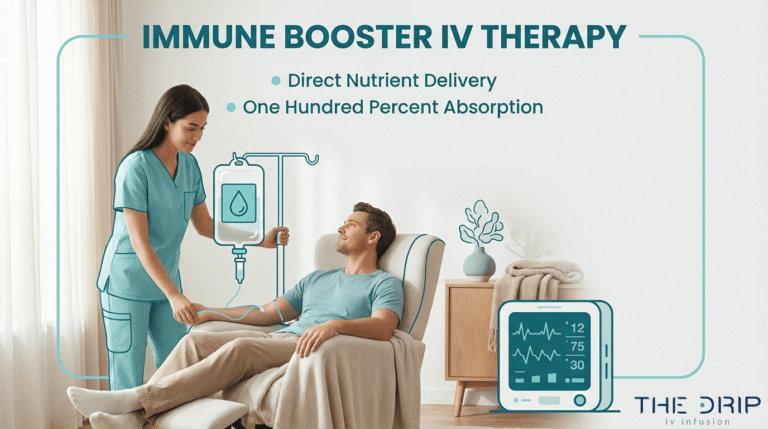
Once fluids enter your bloodstream, your body distributes them across vascular, interstitial, and intracellular compartments with 100% bioavailability. This immediate absorption means relief from symptoms like dizziness, fatigue, and dry mouth can begin within minutes of starting an infusion.
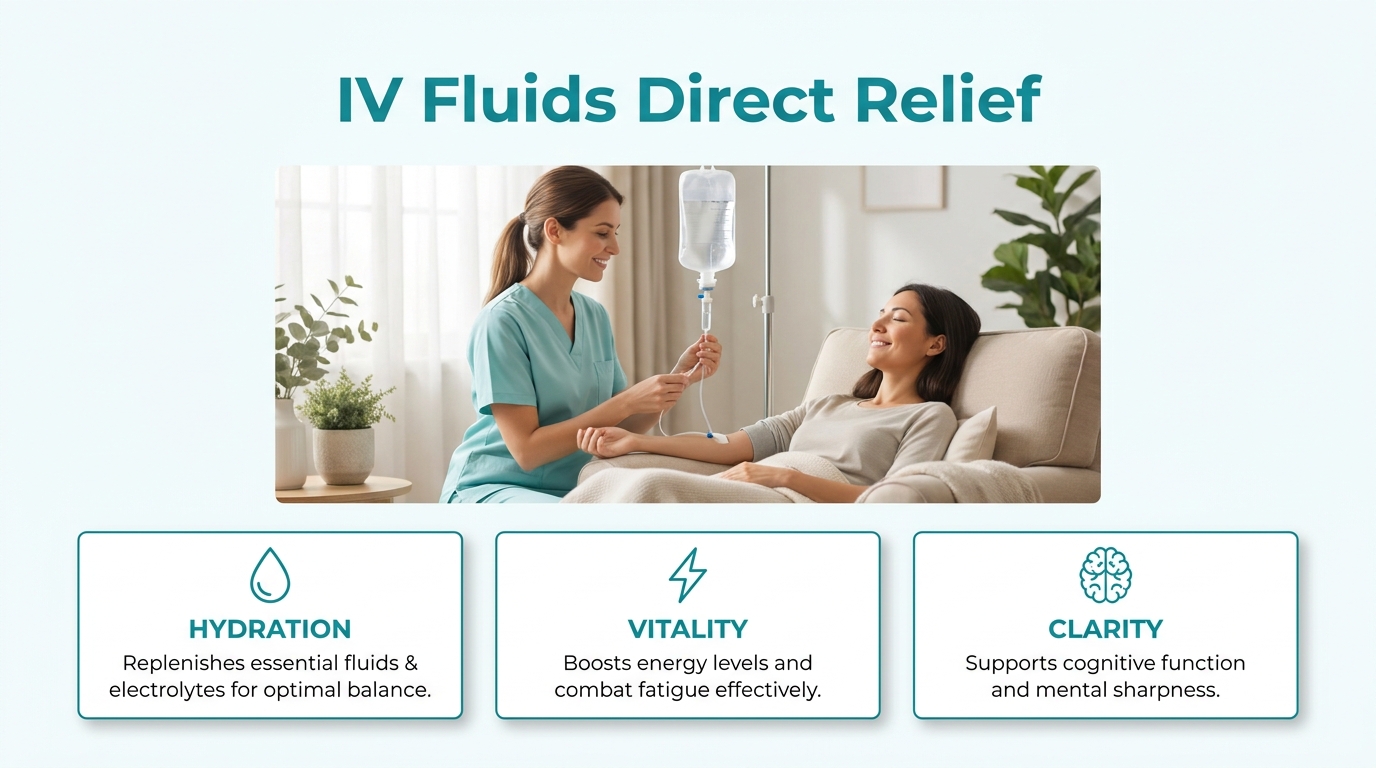
The positive effects span several areas of wellness. Energy levels improve as dehydration and electrolyte imbalances are corrected. Hydration at the cellular level supports skin elasticity and collagen production. Mental clarity sharpens when fluid balance is restored to the brain, and nausea or headaches tied to dehydration often ease through direct volume replacement.
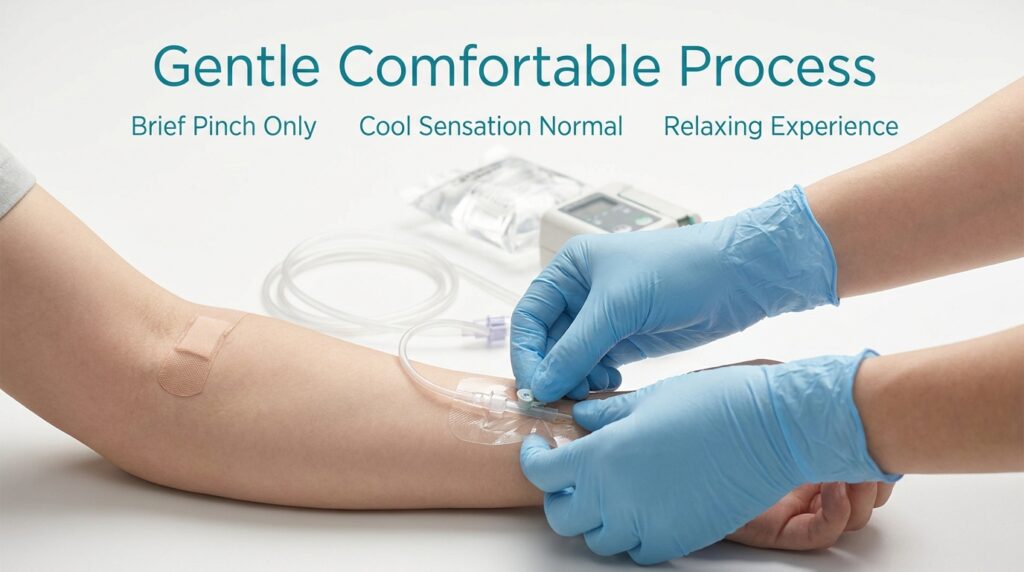
During the infusion itself, most people feel a brief pinch at needle insertion followed by a cooling sensation as room-temperature fluid enters the vein. Lightheadedness is uncommon but possible, particularly for those who are anxious or already dehydrated.
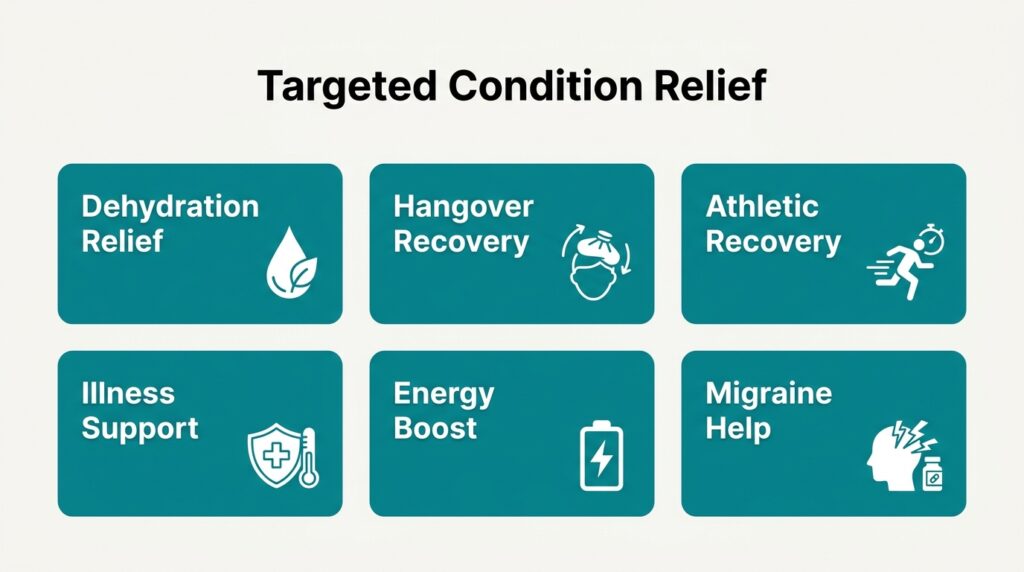
Your starting condition significantly shapes the experience. Severe dehydration, hangover recovery, post-exercise fatigue, and illness each produce distinct responses to IV hydration. Side effects like bruising, chills, or mild nausea can occur but are typically short-lived when infusions are administered by trained professionals.
What Happens to Your Body When You Receive IV Fluids?
Your body responds to IV fluids through a rapid sequence: direct bloodstream entry, systemic distribution, and noticeable symptom relief. The following subsections cover how fluids enter circulation, what your body does with them, and how quickly you can feel the effects.
How Do IV Fluids Enter Your Bloodstream?
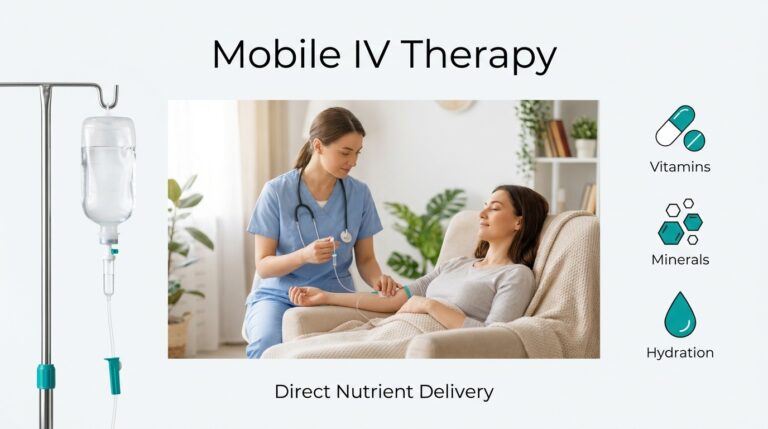
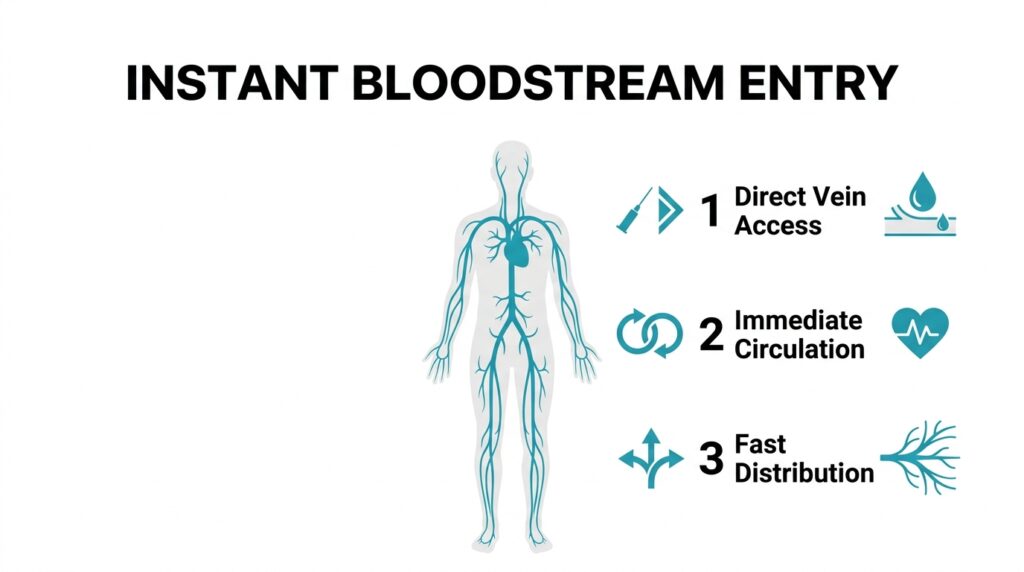
IV fluids enter your bloodstream through a small catheter placed directly into a vein, bypassing the digestive system entirely. A nurse inserts the catheter, typically into a vein on the hand or forearm, and connects it to a fluid bag via tubing. Gravity or an infusion pump then delivers the solution straight into venous circulation.
This direct vascular access is what makes IV delivery fundamentally different from drinking water or taking oral supplements. According to the American College of Sports Medicine, the immediate entry of fluids into the bloodstream via IV offers more rapid rehydration than oral fluids, which must be emptied from the gut and absorbed across the intestinal wall. Once the fluid passes through the catheter tip, it mixes with blood within seconds and begins circulating throughout the body.
What Does Your Body Do With IV Fluids Once They’re Absorbed?
Your body distributes IV fluids across three major compartments: the intravascular space (blood vessels), the interstitial space (between cells), and the intracellular space (inside cells). Because the fluid enters circulation instantly, the body can begin restoring plasma volume, balancing electrolyte concentrations, and supporting organ function without waiting for gastrointestinal absorption.
According to pharmacokinetic modeling published in Frontiers in Veterinary Science, the entry of infused IV fluid into the central compartment is instantaneous with 100% bioavailability. By comparison, oral water intake can take between 45 and 120 minutes to be fully absorbed. This immediate availability allows the kidneys, heart, and other organs to respond to the fluid in real time, adjusting filtration rates and blood pressure accordingly. For most people, this translates into faster relief from dehydration symptoms than oral rehydration alone can provide.
How Quickly Can You Feel the Effects of IV Fluids?
You can often feel the effects of IV fluids within minutes of the infusion starting. IV fluids restore volume quickly, improving dehydration-associated symptoms such as:
- Dizziness and lightheadedness
- Dry mouth and throat
- Fatigue and low energy
- Headache
- Fast heart rate
The speed of relief depends on your starting hydration level, the type of fluid used, and infusion rate. Someone severely dehydrated will typically notice a more dramatic shift than someone mildly low on fluids. Most clients report feeling noticeably better before their session ends, which is one reason IV therapy has become such a popular recovery option.
Understanding what happens inside your body during an infusion sets the stage for exploring the specific positive effects IV fluids deliver.
What Are the Positive Effects of IV Fluids?
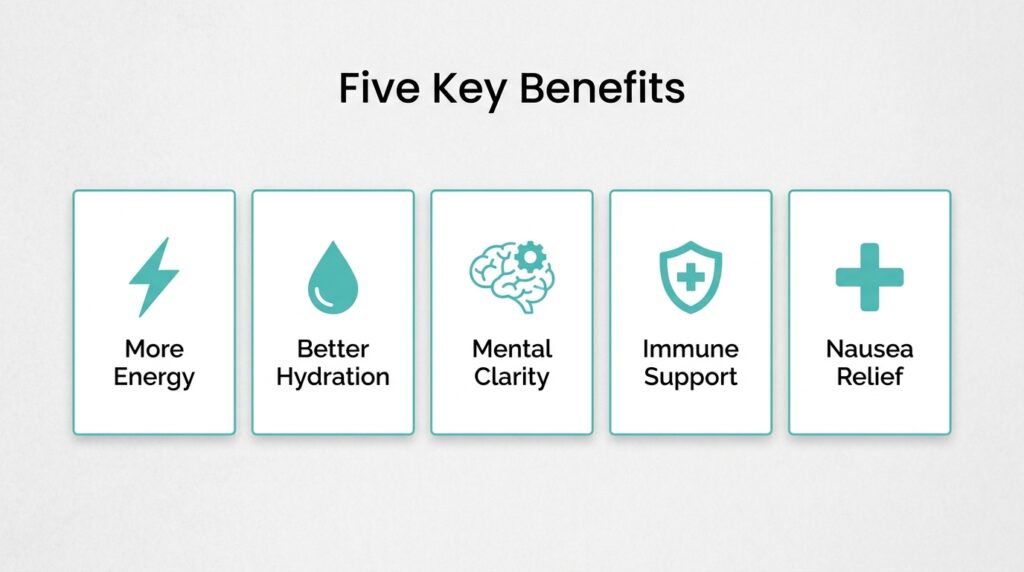
The positive effects of IV fluids include improved energy, better hydration, enhanced mental clarity, nausea relief, and stronger immune support. Each benefit stems from rapid nutrient delivery directly into the bloodstream.
How Do IV Fluids Improve Your Energy Levels?
IV fluids improve your energy levels by correcting dehydration and restoring electrolyte balance quickly. Fatigue is one of the earliest symptoms of fluid deficit, and replenishing volume directly through the bloodstream addresses this faster than oral intake. Infusions that include B-complex vitamins, amino acids, or magnesium further support cellular energy production. Because the digestive system is bypassed entirely, nutrients reach cells without the absorption losses common with oral supplements. For athletes or anyone experiencing prolonged fatigue, this direct delivery can make a noticeable difference in how quickly energy returns.
How Do IV Fluids Affect Your Hydration and Skin?
IV fluids affect your hydration and skin by delivering fluids directly into systemic circulation with a 100% absorption rate, bypassing the digestive system entirely. This means every milliliter administered reaches the bloodstream immediately, unlike oral hydration, which depends on gut absorption. Proper hydration at the cellular level supports skin elasticity and overall appearance. According to Grand View Research, IV hydration therapy is believed to enhance the normal production of elastin and collagen, which maintain youthful, healthy-looking skin and reduce the appearance of wrinkles. Well-hydrated skin simply looks and feels better, making this one of the most popular reasons people seek IV infusions.
How Do IV Fluids Help With Mental Clarity and Focus?
IV fluids help with mental clarity and focus by rapidly correcting the dehydration that impairs cognitive function. Even mild fluid loss can reduce concentration, slow reaction time, and cause brain fog. When electrolytes and hydration reach the brain through direct bloodstream delivery, these symptoms often resolve faster than through drinking water alone. Infusions containing magnesium or B vitamins provide additional neurological support, since these nutrients play essential roles in neurotransmitter function. For anyone experiencing mental sluggishness after illness, travel, or intense activity, restoring fluid balance intravenously can sharpen focus noticeably within the session.
How Do IV Fluids Reduce Nausea and Headaches?
IV fluids reduce nausea and headaches by rehydrating the body without requiring anything to pass through the stomach. This is especially valuable when someone cannot keep oral fluids down. Dehydration-related headaches respond well to rapid volume restoration, and anti-nausea medications like Zofran can be added directly to the infusion for faster symptom control. However, not all headache types respond equally. A 2016 study published in ScienceDirect found that headache freedom was achieved by only 14% of migraine patients who received IV fluids, compared to 18% who did not. This underscores the importance of matching the infusion to the underlying cause.
How Do IV Fluids Support Your Immune Response?
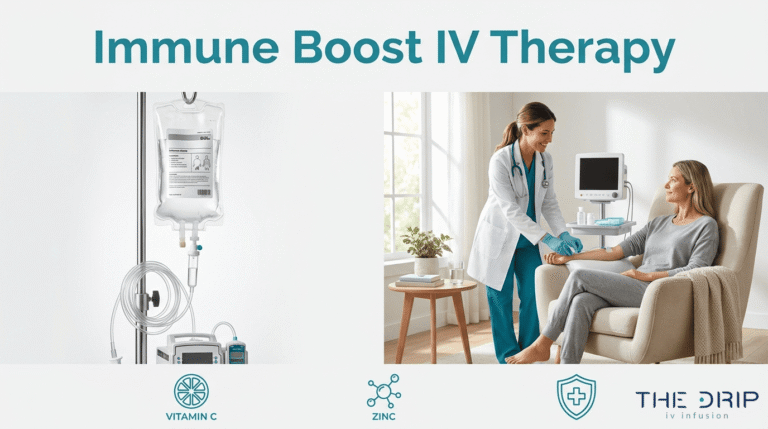
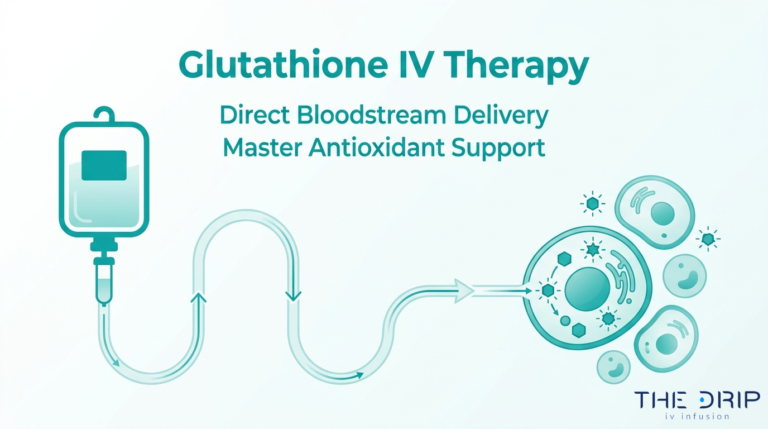
IV fluids support your immune response by delivering immune-boosting nutrients directly into the bloodstream at full bioavailability. Vitamin C, zinc, and glutathione are commonly included in immune-focused infusions because they play critical roles in white blood cell function and antioxidant defense. When the body is fighting illness, nutrient demands increase significantly, and oral supplementation may not keep pace due to digestive limitations. Intravenous delivery ensures these nutrients reach immune cells at therapeutic concentrations without delay. For anyone feeling run down or hoping to stay ahead of seasonal illness, this targeted support can make a measurable difference in recovery speed.
With these benefits established, the next section explores what IV fluids feel like during the infusion itself.
How Do IV Fluids Make You Feel During the Infusion?
IV fluids produce distinct physical sensations during the infusion, from the initial needle insertion to the steady flow of fluid into your veins. The following subsections cover needle sensation, fluid flow feelings, the common cooling effect, and potential lightheadedness.
What Does the IV Needle Insertion Feel Like?
The IV needle insertion feels like a brief pinch or sting as the sterile needle slides into the vein. According to Cleveland Clinic, common sensory reports during IV insertion include this short “pinch” or “sting,” often followed by a cooling sensation as fluid enters the bloodstream.
The discomfort typically lasts only a few seconds. Once the catheter is seated and the needle is removed, most people notice the sharp sensation fades quickly. A slight pressure or awareness at the site may linger, but actual pain rarely continues beyond the initial stick. For anyone anxious about needles, this brief moment is generally the most uncomfortable part of the entire session.
What Sensations Do You Notice as Fluids Start Flowing?
The sensations you notice as fluids start flowing typically include mild coolness along the vein, a subtle feeling of fullness, and occasionally a slightly metallic taste. Approximately one-third of patients report experiencing a metallic taste when a saline line is flushed, according to medical professionals surveyed on clinical forums.
These sensations occur because fluid entering the bloodstream is slightly cooler than internal body temperature and begins circulating immediately. Some people also feel a gentle tingling near the IV site as the infusion rate stabilizes. These responses are normal and usually become less noticeable within the first few minutes as your body adjusts to the steady flow.
Is It Normal to Feel a Cool Sensation During an IV Drip?
Yes, it is normal to feel a cool sensation during an IV drip. Nursing Times reports that a “cool feeling” is frequently described by patients during infusion of fluids stored at room temperature, which is lower than internal body temperature.
This temperature difference, typically around 68–72°F for stored fluids versus 98.6°F internally, creates a noticeable coolness that travels along the vein. The sensation is harmless and tends to diminish as the fluid warms within the circulatory system. For those who find it uncomfortable, requesting a slower drip rate or a warmed fluid bag can reduce the intensity. This cooling effect is one of the most predictable parts of any IV session.
Can You Feel Lightheaded or Dizzy During IV Infusion?
Yes, you can feel lightheaded or dizzy during IV infusion, though it is uncommon in properly administered sessions. Lightheadedness may result from vasovagal responses triggered by needle anxiety, positional changes, or rapid fluid shifts in the body.
Sitting or lying comfortably and staying relaxed during the session minimizes this risk significantly. Patients who are already dehydrated before their infusion sometimes experience brief dizziness as fluid volume rebalances. Informing your infusion specialist about any lightheadedness allows for immediate adjustments to drip rate or positioning. In most cases, the sensation passes quickly and does not indicate a serious concern.
Understanding these sensations helps set realistic expectations before your first appointment with an infusion specialist.
How Do IV Fluids Make You Feel Based on Your Condition?
IV fluids feel different depending on your starting condition. Dehydration, illness recovery, hangovers, post-exercise fatigue, and migraines each produce distinct responses to intravenous hydration.
How Do IV Fluids Feel When You Are Dehydrated?
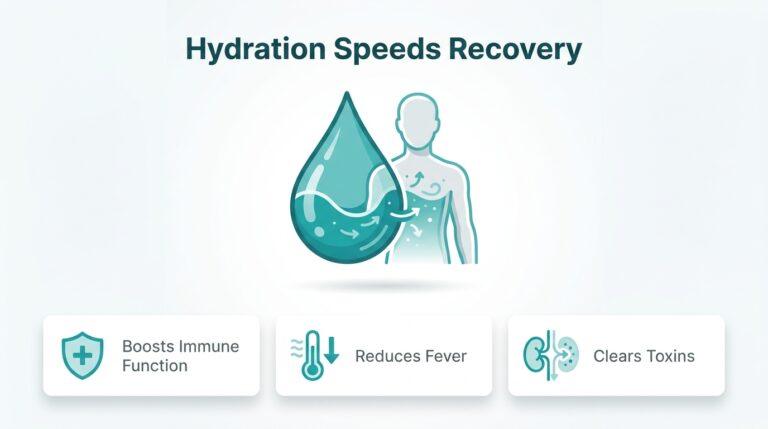
IV fluids feel restorative when you are dehydrated, often producing rapid relief from symptoms like dizziness, dry mouth, and fatigue. Because dehydration depletes circulating blood volume, direct fluid replacement restores that volume faster than drinking water can. As a Cedars-Sinai physician notes, “If you’ve been sick or out drinking, you’re dehydrated, so hydrating will make you feel better.” Most people notice improved energy and mental sharpness within minutes as fluid balance normalizes. Severe dehydration tends to produce the most dramatic improvement, while mild cases may feel a subtler lift.
How Do IV Fluids Feel When You Are Recovering From Illness?
IV fluids feel supportive when you are recovering from illness, particularly when nausea or vomiting makes oral intake difficult. Illnesses that cause fluid loss through fever, sweating, or gastrointestinal distress leave the body depleted of both water and electrolytes. Replenishing these directly into the bloodstream bypasses a compromised digestive system, which can reduce fatigue and help stabilize energy levels more quickly. Many people recovering from stomach viruses or respiratory infections report feeling less sluggish shortly after an infusion. For anyone unable to keep fluids down, this route can be especially valuable in preventing prolonged dehydration.
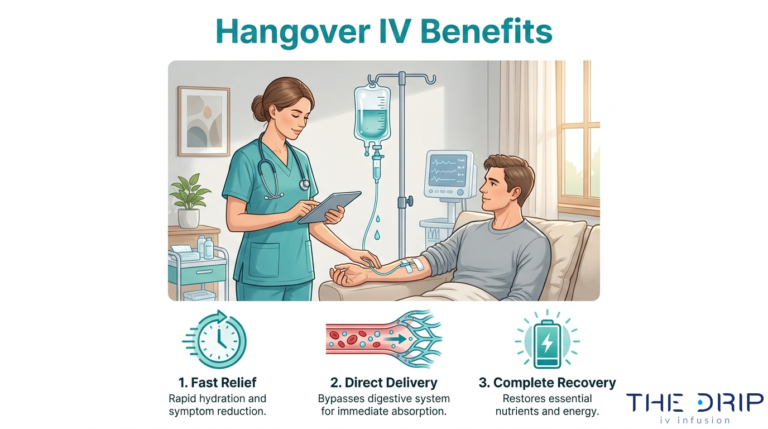
How Do IV Fluids Feel When You Have a Hangover?
IV fluids feel relieving when you have a hangover because alcohol acts as a diuretic, depleting hydration and essential electrolytes overnight. Symptoms like headache, nausea, fatigue, and brain fog stem largely from this fluid loss. Receiving IV hydration restores volume directly, which can ease headache intensity and reduce that heavy, sluggish feeling. When combined with add-ons such as anti-nausea medication or B-complex vitamins, the effect often feels more comprehensive. Results vary by severity; someone mildly hungover may feel nearly normal within the hour, while heavier cases take longer to fully stabilize.
How Do IV Fluids Feel After Intense Physical Activity?
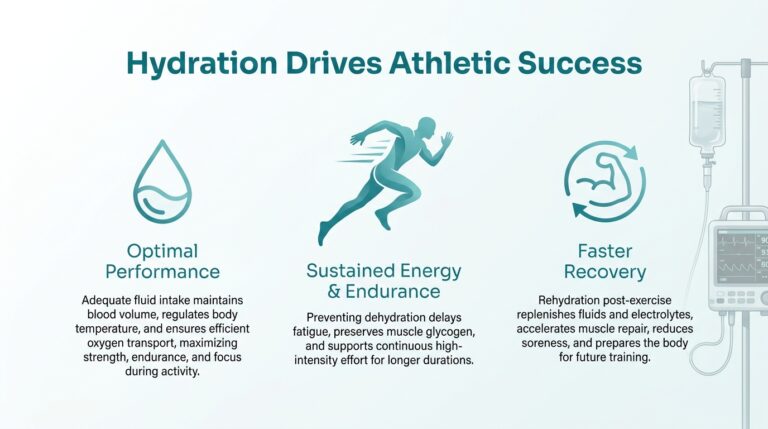
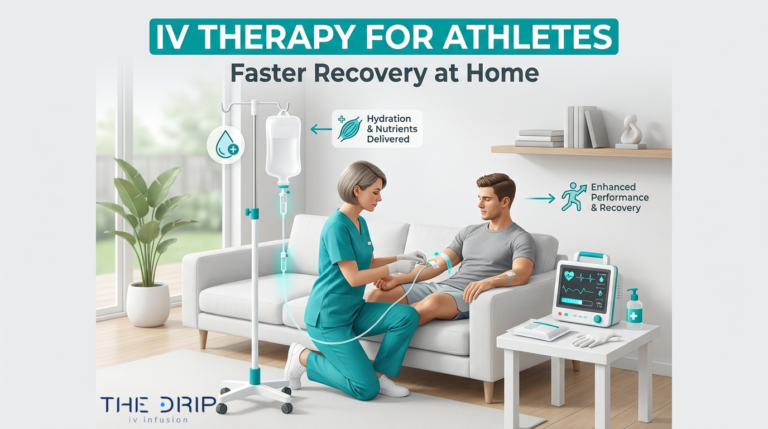
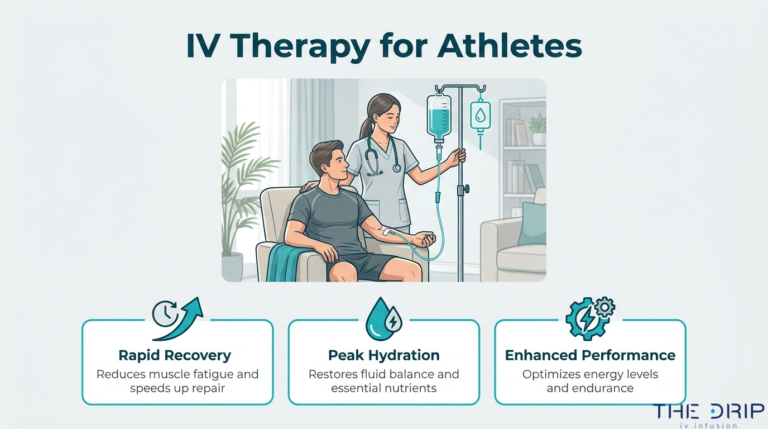
IV fluids feel rejuvenating after intense physical activity, helping replenish fluids and electrolytes lost through prolonged sweating. Hard training depletes sodium, potassium, and magnesium, all of which contribute to muscle cramping, fatigue, and sluggish recovery. Delivering these directly into the bloodstream accelerates rehydration compared to oral intake alone. Athletes often describe a noticeable reduction in muscle soreness and faster return of energy following an infusion. For endurance events or back-to-back training sessions, this approach can meaningfully shorten recovery windows and restore performance readiness.
How Do IV Fluids Feel When You Have a Migraine?
IV fluids feel variable when you have a migraine, and relief depends heavily on what is driving the episode. Dehydration-triggered migraines tend to respond well to fluid replacement, as restoring volume can ease vascular tension contributing to pain. However, not all migraines are dehydration-related. According to a 2016 study published in ScienceDirect (Balbin et al.), headache freedom was achieved by 14% of patients who received IV fluids for migraines, compared to 18% who did not receive them. This suggests IV saline alone may not be sufficient for migraine-specific pain relief. Infusions paired with targeted medications or electrolyte blends often produce better outcomes than hydration alone.
Understanding how your specific condition shapes the IV experience helps set realistic expectations before your session.
What Side Effects Can IV Fluids Cause?
IV fluids can cause side effects ranging from minor site reactions to serious complications like fluid overload. The most common issues include bruising, chills, nausea, and volume-related problems.
What Does Bruising or Soreness at the IV Site Feel Like?
Bruising or soreness at the IV site feels like localized tenderness, often accompanied by visible discoloration and mild swelling. A hematoma from a failed IV attempt is characterized by swelling, bruising, tenderness, and discoloration around the insertion site, according to clinical nursing references from Nurseslabs. The area may feel warm or throb slightly in the hours following catheter removal. These symptoms typically resolve within a few days without intervention. Applying gentle pressure during needle withdrawal and keeping the arm elevated can minimize bruising severity. Most patients find site soreness manageable and short-lived compared to the benefits of infusion therapy.
Can IV Fluids Make You Feel Cold or Give You Chills?
Yes, IV fluids can make you feel cold or give you chills. Fluids stored at room temperature are cooler than internal body temperature, which creates a noticeable cooling sensation as they enter the bloodstream. Some patients experience mild shivering, particularly during faster infusion rates or larger fluid volumes. Slowing the drip rate or using a fluid warmer typically resolves this discomfort. According to Dr. Sandy Wang of the University of Rochester Medicine, IV fluids should generally be reserved for patients who cannot keep anything down, especially water. For most recipients of elective wellness infusions, chills remain temporary and subside shortly after the session ends.
Can You Feel Nauseous After Receiving IV Fluids?
Yes, you can feel nauseous after receiving IV fluids. Nausea during or after infusion may result from rapid fluid delivery, sensitivity to specific vitamins or minerals in the solution, or an empty stomach before the session. Certain additives, particularly B vitamins and magnesium, occasionally trigger mild stomach discomfort when infused quickly. Eating a light meal beforehand and communicating any sensitivities to the infusion specialist can reduce this risk. If nausea persists, slowing the infusion rate usually provides relief. In most cases, post-infusion nausea is brief and resolves within minutes.
What Does Fluid Overload Feel Like?
Fluid overload feels like shortness of breath, swelling in the extremities, rapid weight gain, and a sensation of tightness in the chest. According to a 2026 study published in PubMed Central (Naidoo), rapid IV fluid administration in certain populations, such as children with severe acute malnutrition, is not tolerated due to the high risk of heart failure and fluid overload. Elevated blood pressure and visibly distended neck veins are additional warning signs. Trained professionals monitor infusion rates carefully to prevent this complication. For healthy adults receiving standard wellness infusions, fluid overload remains rare when volumes and delivery speeds are properly managed.
Understanding potential side effects helps you make informed decisions about IV therapy options.
How Long Do the Effects of IV Fluids Last?
The effects of IV fluids typically last between a few hours and several days, depending on the type of infusion, the individual’s hydration status, and overall health. Hydration benefits from a standard saline infusion generally persist for two to three hours as the body processes and redistributes the fluid. Vitamin and nutrient-enriched infusions, however, can produce effects that last anywhere from several days to roughly two weeks, since these micronutrients support ongoing cellular processes after absorption.
Several factors influence this duration:
- Baseline hydration level: Someone who is severely dehydrated will notice rapid improvement, but the body may use the fluids faster to restore balance.
- Infusion composition: Saline-only drips replenish fluid volume temporarily, while formulas containing B vitamins, vitamin C, or magnesium continue supporting energy and immune function for days.
- Metabolic rate and activity level: Physically active individuals or those with higher metabolic demands tend to process infused fluids and nutrients more quickly.
- Overall health status: Chronic conditions or ongoing illness can shorten the window of benefit as the body diverts resources toward recovery.
Because IV administration delivers nutrients with nearly 100% bioavailability, according to pharmacokinetic modeling published in Frontiers in Veterinary Science, the body receives the full dose without digestive losses. This efficient delivery is one reason many people report feeling benefits sooner and for a more sustained period compared to oral supplements. Still, IV fluids are not a permanent fix; the body continuously metabolizes and excretes what it receives, so periodic sessions may be needed to maintain consistent results.
Understanding how quickly these effects fade helps set realistic expectations before your next appointment.
Why Do IV Fluids Work Faster Than Drinking Water?
IV fluids work faster than drinking water because they bypass the entire digestive system and enter the bloodstream directly. This difference in delivery route affects absorption speed, bioavailability, and how quickly the body can use the fluids.
IV administration delivers fluids into systemic circulation with 100% bioavailability, according to IV DRIPS. Oral water, by contrast, must travel through the stomach, get emptied into the gut, and then cross the intestinal wall before reaching the bloodstream. That process can take between 45 and 120 minutes for full absorption.
Because IV fluids skip digestion entirely, rehydration begins the moment the infusion starts. Cells, organs, and tissues receive fluid, electrolytes, and nutrients almost immediately. This is particularly significant when dehydration is already affecting how someone feels, since symptoms like fatigue, dizziness, and headaches can improve within minutes rather than hours.
The speed advantage extends beyond simple hydration. When vitamins, minerals, or electrolytes are included in an IV drip, those nutrients also achieve full bioavailability. Oral supplements lose potency as they pass through stomach acid and liver metabolism before reaching circulation. For individuals recovering from intense physical activity, this distinction matters considerably; some sports medicine studies have reported that athletes receiving IV therapy recover up to 50% faster than those relying solely on oral hydration.
For most people dealing with moderate dehydration or post-activity recovery, IV delivery simply eliminates the bottleneck that the digestive tract creates. Understanding this mechanism helps explain why the positive effects of IV therapy often feel more immediate and pronounced than drinking the same volume of water.
Who Benefits Most From IV Fluid Therapy?
IV fluid therapy benefits people whose conditions involve dehydration, nutrient depletion, or difficulty absorbing fluids orally. The individuals who gain the most include:
- People experiencing moderate to severe dehydration from illness, vomiting, or diarrhea, where oral intake cannot keep pace with fluid loss.
- Athletes and active individuals who need rapid electrolyte and fluid restoration after intense physical exertion.
- Those recovering from hangovers where nausea prevents adequate oral rehydration.
- Individuals with chronic fatigue or low energy who may benefit from direct vitamin and mineral delivery.
- Expecting mothers dealing with morning sickness when persistent nausea limits what they can keep down.
- Frequent travelers and professionals seeking immune support during high-exposure periods.
According to Express Urgent Care, IV fluids can restore volume quickly, improving dehydration-associated symptoms such as dizziness, dry mouth, fatigue, headache, and fast heart rate. This rapid symptom relief is precisely why people with acute fluid deficits tend to notice the most dramatic improvement.
For anyone who can hydrate normally through drinking water, the benefits are less pronounced. IV fluid therapy delivers the greatest value when the body’s usual absorption pathways are compromised or overwhelmed, making direct bloodstream delivery a practical advantage rather than just a convenience.
How Can Mobile IV Therapy Enhance How IV Fluids Make You Feel?
Mobile IV therapy enhances how IV fluids make you feel by combining clinical-grade infusions with the comfort and convenience of your own environment. The following sections cover how nurse-administered home infusions improve the experience and what to remember about how IV fluids affect you.
Can Nurse-Administered IV Infusions at Home Improve Your Experience?
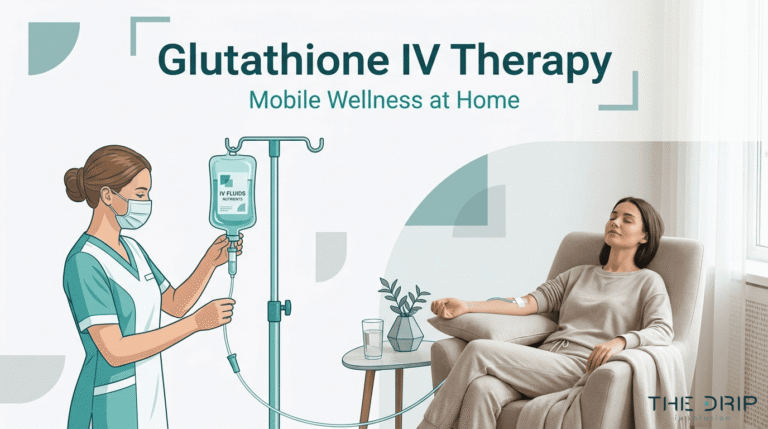
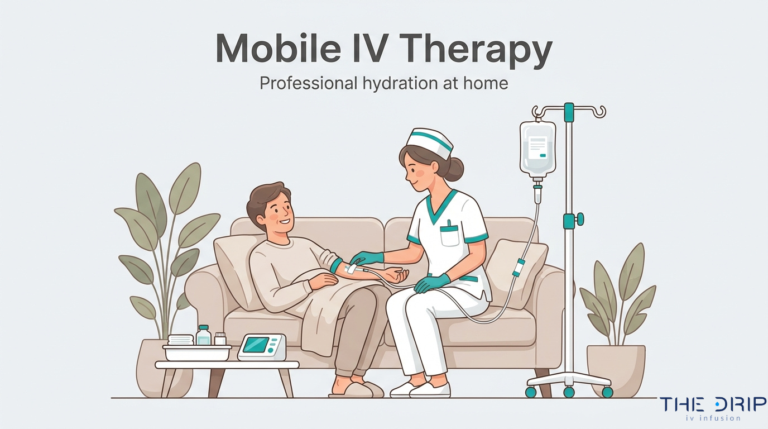
Yes, nurse-administered IV infusions at home can improve your experience by eliminating the stress of clinical settings and allowing you to relax in familiar surroundings. According to a 2019 study published in the Journal of Patient Experience, patients receiving IV infusions often describe the experience as “reassuring,” with one participant stating they chose IV therapy because they were told “this is going to work quicker.”
The Drip IV Infusion brings this level of care directly to homes and workplaces across Arizona. Founded in Fall 2022 by professionals with decades of nursing and emergency medicine experience, The Drip IV Infusion provides customized infusions administered by skilled nurses. Receiving treatment in a comfortable space, rather than a busy clinic, helps many clients feel calmer during the session and more satisfied with results.
What Should You Remember About How IV Fluids Make You Feel?
What you should remember about how IV fluids make you feel centers on a few key takeaways from this guide:
- IV fluids enter the bloodstream immediately with nearly 100% bioavailability, producing faster effects than oral hydration.
- Common sensations during infusion include a brief pinch at insertion and a cool feeling as fluids flow.
- Positive effects range from improved energy and mental clarity to reduced nausea and better hydration.
- Side effects like bruising, chills, or soreness at the IV site are possible but typically mild.
- How IV fluids make you feel depends heavily on your starting condition; dehydrated or ill individuals often notice the most dramatic improvement.
- Mobile IV therapy with a trained nurse can make the entire process more comfortable and reassuring.
For anyone considering a personalized infusion experience, The Drip IV Infusion offers a full menu of IV cocktails and add-ons tailored to individual wellness goals.