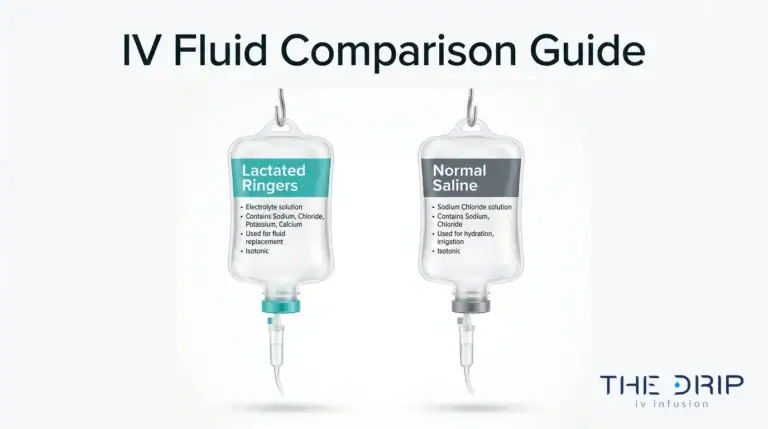
IV therapy after surgery is a recovery method that delivers fluids, vitamins, and nutrients directly into the bloodstream through a vein, bypassing a digestive system often compromised by anesthesia and surgical trauma. This direct delivery achieves 100% bioavailability, making it one of the most efficient ways to replenish what the body loses during a procedure.
This guide covers the physiological demands of post-surgical recovery, how intravenous delivery works compared to oral alternatives, essential recovery nutrients, pain and inflammation management, surgery-specific benefits, timing and candidacy, and the advantages of receiving professional IV therapy at home.
Surgery depletes nutrient stores, disrupts hydration, and triggers an inflammatory cascade that slows healing precisely when metabolic demand peaks. Fluid excretion drops dramatically under general anesthesia, and gut dysfunction can make oral intake unreliable for days.
Intravenous delivery bypasses these digestive barriers entirely, sending vitamin C, zinc, B-complex vitamins, glutathione, amino acids, magnesium, and electrolytes into circulation at full concentration within minutes.
Several of these nutrients also serve a direct role in pain reduction and inflammation control. Perioperative magnesium lowers opioid consumption measurably, while glutathione replenishment restores antioxidant defenses that drop significantly within 24 hours of surgery.
Orthopedic, cosmetic, abdominal, cardiac, and dental procedures each create unique recovery demands that targeted IV formulations can address. Starting sessions before surgery and resuming them within the first days afterward aligns with evidence-based enhanced recovery protocols.
Receiving these infusions at home eliminates travel strain, reduces infection exposure, and keeps recovery on schedule under the oversight of qualified infusion specialists.
Why Is Post-Surgical Recovery So Demanding on the Body?
Post-surgical recovery is so demanding on the body because surgery depletes nutrients, disrupts hydration, and triggers widespread inflammation simultaneously. These stresses compound one another, slowing healing at a time when the body’s metabolic needs are highest. The sections below explore nutrient depletion, anesthesia’s effects on hydration, and the post-surgical inflammatory response.

What Happens to Nutrient Levels During Surgery?
Nutrient levels during surgery drop significantly due to increased metabolic demand, blood loss, and fasting protocols. The body rapidly consumes stored vitamins, minerals, and amino acids to manage tissue repair and immune activation. According to a review in the Journal of Bone and Joint Surgery, postoperative nutritional support requires continued protein intake of 1.2 to 1.5 g/kg/day alongside glutamine, creatine, and omega-3 fatty acids to counteract these losses. Fluid metabolism also shifts dramatically under anesthesia; a study published in Acute and Critical Care found that only 5% to 10% of infused volume is excreted within two hours during general anesthesia, compared to 75% to 90% in conscious patients. This retention alters electrolyte balance and complicates nutrient delivery through oral routes.
How Does Anesthesia Affect Hydration and Organ Function?
Anesthesia affects hydration and organ function by suppressing the body’s normal fluid regulation mechanisms. General anesthesia slows kidney filtration, reduces urinary output, and causes fluid to accumulate in tissues rather than circulate efficiently. Liver metabolism decreases under sedation, which delays the processing of both medications and nutrients. The gut also enters a temporary state of reduced motility, making oral rehydration difficult in the hours immediately following a procedure. These compounding effects leave many patients dehydrated at a cellular level even when intravenous fluids are administered intraoperatively. For anyone recovering at home, recognizing that hydration deficits often persist well beyond the operating room is essential to planning effective recovery support.
Why Does the Body’s Inflammatory Response Increase After Surgery?
The body’s inflammatory response increases after surgery because surgical trauma activates the immune system to repair damaged tissue. A 2020 review in Frontiers in Pharmacology found that surgical trauma and gut manipulation trigger an inflammatory response in the muscularis externa, and the resulting neuroinflammatory cascade leads to gastrointestinal dysfunction and postoperative ileus. This inflammation accelerates muscle and weight loss; a study published in the Journal of Multidisciplinary Healthcare (n=28) showed both control and intervention groups experienced postoperative weight and muscle mass loss, though nutritional supplementation significantly reduced weight loss at two and four weeks post-surgery. Anemia compounds the problem further, since roughly half of patients undergoing major operations present with anemia preoperatively, according to the UK Health Research Authority. Managing inflammation early through targeted nutrient replenishment can meaningfully influence how quickly the body transitions from damage control to active healing.
Understanding these physiological demands helps clarify why targeted nutrient delivery matters during recovery.
What Is IV Therapy for Post-Surgical Recovery?
IV therapy for post-surgical recovery is a method of delivering fluids, vitamins, and nutrients directly into the bloodstream through a vein to support healing after a surgical procedure. The subsections below explain how intravenous delivery differs from oral supplements and why bypassing the digestive system matters during recovery.
How Does Intravenous Delivery Differ from Oral Supplements?
Intravenous delivery differs from oral supplements in how completely the body absorbs the administered nutrients. When a substance enters the bloodstream through an IV line, it reaches systemic circulation without any loss to digestion. Oral supplements, by contrast, must pass through intestinal absorption and hepatic first-pass metabolism before reaching the rest of the body.
According to the NCBI Bookshelf (National Library of Medicine), an intravenously administered active drug delivered directly into systemic circulation yields a bioavailability of 100%, while GI alterations such as GI surgery can further reduce oral bioavailability. This distinction becomes especially relevant for post-surgical patients whose digestive function may already be compromised. For anyone recovering from a procedure, the predictability of IV nutrient delivery offers a measurable advantage over oral alternatives.
Why Is Bypassing the Digestive System Important After Surgery?
Bypassing the digestive system is important after surgery because surgical trauma frequently disrupts normal gastrointestinal function. Procedures involving anesthesia, abdominal manipulation, or prolonged fasting can slow gastric motility and reduce the gut’s ability to absorb nutrients effectively. Nausea, vomiting, and restricted oral intake are common in the early postoperative period, making oral supplementation unreliable precisely when nutrient demands are highest.
IV therapy circumvents these barriers entirely. Fluids, electrolytes, and micronutrients enter the bloodstream at full concentration, regardless of gut status. This direct delivery pathway ensures that healing tissues receive the support they need without waiting for digestive recovery to catch up.
Understanding how IV delivery works sets the stage for identifying which specific nutrients matter most in a post-surgery IV drip.
What Nutrients Are Most Important in a Post-Surgery IV Drip?
The most important nutrients in a post-surgery IV drip include vitamin C, zinc, B-complex vitamins, glutathione, amino acids, magnesium, and electrolytes with hydration fluids. Each targets a specific recovery need.

Vitamin C
Vitamin C is essential for post-surgical healing because the body uses it to form collagen, build blood vessels, and repair tissue. According to the Mayo Clinic, the body needs vitamin C for healing, and deficiency causes poor wound healing. Oral absorption drops below 50% at doses above 1 gram per day, making intravenous delivery especially practical when higher therapeutic levels are needed during recovery. For patients who cannot eat normally after surgery, IV vitamin C bypasses the digestive system entirely and reaches the bloodstream at full concentration. This makes it one of the most universally included nutrients in any post-operative drip protocol.
Zinc
Zinc supports immune function, cell division, and wound closure. Surgical wounds depend on rapid cell proliferation, and zinc plays a direct role in collagen synthesis and inflammatory regulation at the tissue level. Many patients enter surgery with suboptimal zinc levels, particularly older adults and those with restricted diets. Delivering zinc intravenously ensures consistent bioavailability without relying on a digestive system that may be compromised after anesthesia or abdominal procedures. For most post-surgical patients, pairing zinc with vitamin C in the same IV drip creates a stronger foundation for tissue repair than either nutrient alone.
B-Complex Vitamins
B-complex vitamins are a group of eight water-soluble nutrients: B1 (thiamine), B2 (riboflavin), B3 (niacin), B5 (pantothenic acid), B6, B7 (biotin), B12, and folic acid. These vitamins support cellular energy production and red blood cell formation. Surgical stress increases metabolic demand, and depleted B vitamins can contribute to fatigue, delayed healing, and anemia. IV delivery is particularly valuable when nausea, reduced appetite, or post-anesthesia gut dysfunction limits oral intake. Prioritizing B-complex replenishment early in recovery helps restore the energy pathways the body relies on for tissue repair.
Glutathione
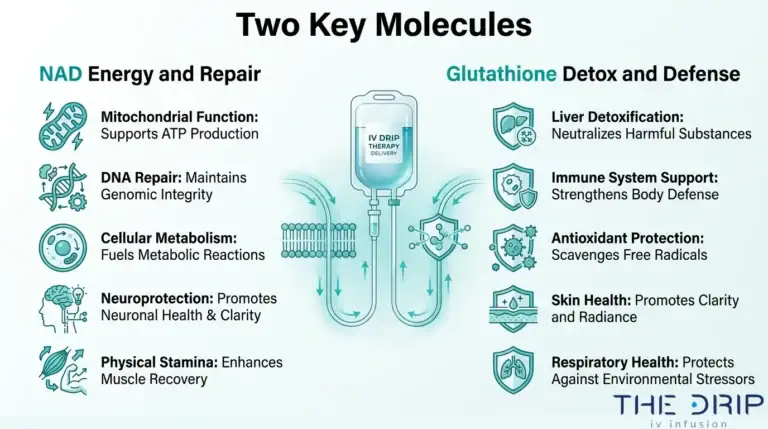
Glutathione is the body’s primary intracellular antioxidant, and surgery depletes it significantly. It neutralizes oxidative stress generated during surgical trauma and supports detoxification pathways that process anesthesia byproducts. Because glutathione breaks down rapidly in the digestive tract, oral supplementation delivers very little to the bloodstream. IV administration bypasses this limitation entirely. For patients recovering from procedures involving significant tissue disruption, glutathione replenishment helps protect cells from further oxidative damage during the critical early healing window.
Amino Acids
Amino acids are the building blocks of protein and serve as the structural foundation for tissue repair after surgery. Surgical patients need adequate amino acid supply to rebuild muscle, synthesize collagen, and maintain immune function. Glutamine and arginine are particularly relevant in perioperative nutrition. Patients who cannot tolerate solid food, or whose digestive systems are recovering from anesthesia, benefit from IV amino acid delivery because it provides immediate substrate for healing without requiring intestinal absorption. Including amino acids in a post-surgery IV drip addresses one of the most fundamental recovery needs: giving the body raw materials to rebuild.
Magnesium
Magnesium supports muscle relaxation, nerve function, and over 300 enzymatic reactions in the body. A meta-analysis published in Anesthesiology, reviewing 20 randomized clinical trials with 1,257 subjects, found that perioperative systemic magnesium reduced opioid consumption by a weighted mean difference of 10.52 mg morphine IV equivalents. This makes magnesium one of the most practical additions to any recovery-focused IV formulation. Beyond pain management, magnesium helps prevent muscle cramps and supports cardiovascular stability during the post-operative period.
Electrolytes and Hydration Fluids
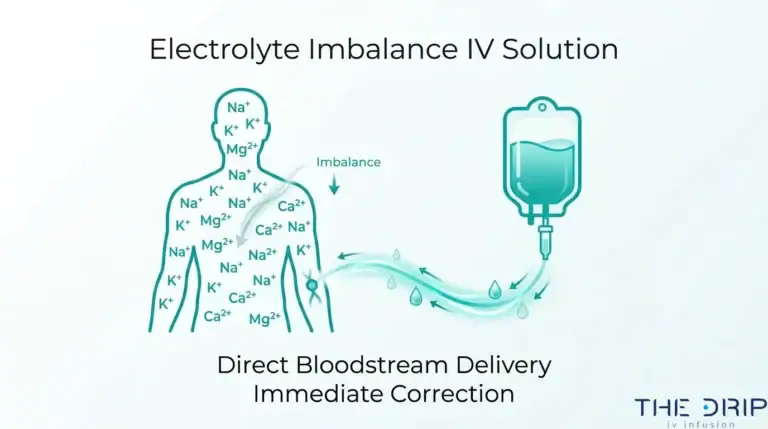
Electrolytes and hydration fluids restore the fluid and mineral balance that surgery disrupts. According to the Merck Manual, blood electrolytes, including sodium, potassium, chloride, and bicarbonate, regulate nerve and muscle function while maintaining acid-base balance and water balance. Imbalances can result from dehydration, medications, or inappropriate IV fluid administration. Proper electrolyte replenishment prevents complications such as cardiac arrhythmias, muscle weakness, and confusion. IV hydration fluids deliver precise electrolyte ratios directly into the bloodstream, which is especially critical when oral fluid intake remains limited after surgery.
With the right nutrient foundation in place, understanding how these components address pain and inflammation adds another layer to recovery planning.
How Does IV Therapy Help with Pain and Inflammation After Surgery?
IV therapy helps with pain and inflammation after surgery by delivering anti-inflammatory nutrients and antioxidants directly into the bloodstream, replenishing compounds the body rapidly depletes during surgical stress. The following sections cover how IV nutrients reduce pain medication dependence and how specific anti-inflammatory compounds support healing.

Can IV Therapy Reduce Reliance on Pain Medication?
Yes, IV therapy can reduce reliance on pain medication by providing analgesic nutrients that lower postoperative pain intensity. Intravenous vitamin C and magnesium both demonstrate measurable effects on opioid consumption after surgical procedures. According to a 2013 meta-analysis of 20 randomized clinical trials (n=1,257) published in Anesthesiology, perioperative systemic magnesium reduced opioid consumption by a weighted mean difference of −10.52 mg morphine IV equivalents. Vitamin C delivered intravenously at appropriate doses has also shown reductions in morphine use within hours of surgery. For patients recovering at home, this kind of targeted nutrient support may help minimize the side effects associated with prolonged opioid use, such as nausea, constipation, and cognitive fog.
How Do Anti-Inflammatory Nutrients in IV Drips Support Healing?
Anti-inflammatory nutrients in IV drips support healing by counteracting oxidative stress and modulating the immune response that intensifies after surgery. Glutathione, one of the body’s primary antioxidants, drops significantly during the postoperative period. A study published in the Annals of Surgery found that skeletal muscle glutathione decreased by 40% (p<0.01) at 24 hours post-operation, while plasma glutathione fell 20% below preoperative levels (p<0.05). Replenishing glutathione intravenously helps restore the body’s antioxidant defense at a time when it is most compromised. Immunonutrition, as identified in a review in Anesthesia and Pain Medicine, uses specific nutrients such as arginine, glutamine, omega-3 fatty acids, and antioxidants including vitamins C and E to modulate immune function during perioperative care. Prioritizing these nutrients through IV delivery, rather than waiting for oral absorption to catch up, gives recovering patients a meaningful advantage during the critical early healing window.
What Types of Surgery Benefit Most from IV Therapy Recovery?
The types of surgery that benefit most from IV therapy recovery include orthopedic, cosmetic, abdominal, cardiac, and dental procedures. Each places unique demands on the body’s hydration, nutrient stores, and tissue repair systems.
How Does IV Therapy Aid Recovery After Orthopedic Surgery?
IV therapy aids recovery after orthopedic surgery by delivering hydration, vitamins, and amino acids that support bone, muscle, and connective tissue repair. Joint replacements, fracture repairs, and spinal procedures create significant tissue trauma requiring sustained nutrient availability during healing.
As St. Elizabeth Healthcare notes, “Hydration is one of the cornerstones of recovery.” Orthopedic patients often face reduced mobility that limits oral intake, making intravenous delivery especially practical. Adequate vitamin C, zinc, and magnesium support collagen synthesis in repairing tendons, ligaments, and surgical incision sites. For patients recovering at home after a knee or hip replacement, IV therapy can help maintain the nutrient levels that prolonged immobility and appetite loss would otherwise compromise.
How Does IV Therapy Support Healing After Cosmetic Surgery?
IV therapy supports healing after cosmetic surgery by supplying collagen-building nutrients directly to the bloodstream during the critical wound-healing window. Procedures such as facelifts, abdominoplasties, and breast augmentations depend heavily on clean incision closure and minimal scarring.
According to the American Society of Plastic Surgeons, many surgeons agree that vitamin C and zinc are necessary in the weeks surrounding surgery “because we know that this optimizes the collagen, which is imperative to wound healing.” Glutathione and B-complex vitamins further support tissue regeneration and help manage oxidative stress from anesthesia. Because cosmetic patients prioritize aesthetic outcomes, consistent nutrient delivery through IV therapy can be one of the most practical ways to protect surgical results during at-home recovery.
How Does IV Therapy Help After Abdominal or GI Surgery?
IV therapy helps after abdominal or GI surgery by bypassing the compromised digestive tract entirely. Procedures involving the stomach, intestines, or colon often restrict oral intake for days, leaving patients unable to absorb nutrients through food or supplements.
Postoperative nausea, bowel rest protocols, and temporary digestive slowdown make intravenous delivery the most reliable route for hydration and micronutrients. Electrolytes maintain fluid balance while amino acids and antioxidants support incision healing from within. For patients who cannot tolerate oral nutrition in the early recovery phase, IV therapy fills a gap that no pill or dietary adjustment can address.
How Does IV Therapy Assist Recovery After Cardiac Procedures?
IV therapy assists recovery after cardiac procedures by restoring electrolyte balance and supporting cardiovascular function during a vulnerable postoperative period. Surgeries such as bypass grafting, valve repair, and catheter-based interventions place considerable stress on the heart and circulatory system.
Magnesium supports healthy cardiac rhythm, while B vitamins aid red blood cell formation and energy metabolism. Maintaining proper sodium, potassium, and fluid balance is especially important when cardiac medications already alter electrolyte levels. IV therapy gives nurses precise control over what enters the bloodstream, which matters greatly when even small imbalances can affect heart function during recovery at home.
How Does IV Therapy Benefit Recovery After Dental Surgery?
IV therapy benefits recovery after dental surgery by providing hydration and nutrients when chewing, swallowing, and oral supplement use are painful or restricted. Wisdom tooth extractions, jaw surgery, and dental implant procedures cause swelling and soreness that limit food and fluid intake for days.
Vitamin C and zinc promote soft tissue and gum healing, while hydration fluids reduce the fatigue and lightheadedness that dehydration causes after prolonged fasting. Patients recovering from oral surgery often underestimate how quickly nutritional deficits develop when they can only manage liquids. IV therapy addresses this blind spot directly, keeping the body supplied during the window when healing demands are highest.
Knowing which procedures respond well to IV support helps determine the right timing for starting treatment.
When Should You Start IV Therapy Before or After Surgery?
You should start IV therapy before surgery to optimize nutrient levels and resume it as soon as your surgeon clears you postoperatively. Timing, safety protocols, and session frequency are covered below.
Is Pre-Surgery IV Therapy Helpful for Better Outcomes?
Pre-surgery IV therapy is helpful for better outcomes because it corrects nutrient deficiencies and builds reserves the body draws on during the procedure. Optimizing hydration, vitamin C, and key micronutrients before an operation gives tissues a stronger foundation for wound repair once surgery begins. Patients who enter the operating room well-hydrated and nutritionally balanced tend to face fewer complications in the early postoperative window. The CDC requires that only trained personnel who demonstrate competence handle the insertion and maintenance of intravascular catheters, so selecting a qualified infusion specialist for preoperative sessions is essential. For most patients, scheduling a session one to two weeks before the procedure offers enough lead time for meaningful nutrient repletion.
How Soon After Surgery Can You Receive IV Therapy?
You can receive IV therapy after surgery once your surgeon confirms it is safe, which often falls within the first 24 to 72 hours postoperatively. Early nutrient delivery matters because the body’s demand for antioxidants and hydration spikes immediately after the procedure. According to a 2016 randomized controlled trial published in Pain Research and Management, 100 patients who received 50 mg/kg of intravenous vitamin C immediately after anesthesia induction had significantly lower morphine consumption at two hours and reduced pain scores at rest during the first 24 postoperative hours. This early intervention window is often the most impactful; delaying IV support means missing the period when inflammation and oxidative stress peak.
How Many IV Sessions Are Typically Needed During Recovery?
The number of IV sessions typically needed during recovery ranges from three to six, depending on the type of surgery, overall health status, and how quickly the body responds. A common schedule starts with sessions two to three times during the first week, then tapers to weekly visits over the following two to four weeks.
Factors that influence session frequency include:
- Procedure complexity: major surgeries generally require more sessions than minimally invasive ones.
- Baseline nutritional status: patients with pre-existing deficiencies may need additional infusions.
- Individual healing pace: slower wound closure or persistent fatigue can signal the need for continued support.
Your surgeon and infusion specialist should collaborate on the schedule that fits your recovery trajectory. Adjusting frequency based on how you feel, rather than following a rigid protocol, typically produces the best results.
Who Is a Good Candidate for Post-Surgical IV Therapy?
A good candidate for post-surgical IV therapy is generally any patient recovering from a surgical procedure who needs nutrient replenishment, hydration support, or help managing post-operative discomfort. The sections below cover conditions that may prevent IV use and why surgeon clearance matters.
Are There Any Conditions That May Prevent Post-Surgery IV Use?
There are several conditions that may prevent post-surgery IV use, such as severe kidney disease, uncontrolled heart failure, certain drug hypersensitivities, and active infections at potential IV access sites. Patients with liver or renal failure require special caution; a review in Anesthesia and Pain Medicine notes that glutamine via parenteral nutrition is not advised in complex critically ill patients, especially those with liver or renal failure. Electrolyte imbalances from underlying chronic disease or certain medications also require evaluation before any infusion begins. These factors do not automatically disqualify someone, but they demand careful screening by a qualified healthcare professional to determine safe formulations and dosing.
Should You Get Clearance from Your Surgeon Before Starting?
Yes, you should get clearance from your surgeon before starting post-surgical IV therapy. Your surgeon understands your specific procedure, current medications, and individual risk factors in ways that a general screening cannot capture. According to American Family Physician, the decision to order preoperative tests should be guided by the patient’s clinical history, comorbidities, and physical examination findings, with electrolyte and creatinine testing performed in patients with underlying chronic disease or medications predisposing to abnormalities. This same principle applies post-operatively. Surgeon clearance ensures that the IV formulation complements rather than conflicts with your existing recovery plan, prescribed medications, or fluid restrictions. Skipping this step is one of the most common and avoidable mistakes patients make when exploring supplemental recovery options.
Understanding candidacy and clearance requirements sets the stage for exploring why receiving IV therapy at home offers distinct advantages during recovery.
What Are the Benefits of Receiving IV Therapy at Home After Surgery?
The benefits of receiving IV therapy at home after surgery include eliminating risky travel, recovering in a familiar environment, and receiving professional nurse-administered care. Each of these factors contributes to a safer, less stressful recovery experience.

Why Is Avoiding Travel to a Clinic Important Post-Surgery?
Avoiding travel to a clinic is important post-surgery because physical movement, car rides, and waiting rooms introduce unnecessary strain and infection exposure during the body’s most vulnerable healing window. Surgical patients often deal with pain, limited mobility, surgical drains, or sedation effects that make even short trips uncomfortable and potentially dangerous.
Staying home eliminates several post-operative risks:
- Strain on fresh incisions or surgical sites from getting in and out of vehicles.
- Exposure to pathogens in clinical waiting areas when the immune system is already compromised.
- Increased pain and fatigue from physical exertion that should be directed toward healing.
- Risk of falls or injury while navigating unfamiliar environments under medication effects.
For most post-surgical patients, the safest infusion is the one that comes to them.
How Does a Comfortable Home Environment Improve Recovery?
A comfortable home environment improves recovery by reducing physiological stress and promoting the rest that surgical healing demands. Cortisol levels tend to stay lower in familiar surroundings, and patients can control factors like temperature, lighting, noise, and positioning throughout their infusion session.
According to Cleveland Clinic, enhanced recovery after surgery is a multimodal, evidence-based care pathway designed to achieve early recovery and minimize complications. Home-based IV therapy fits naturally into this framework by allowing patients to receive hydration and nutrients without disrupting their rest schedule. Being at home also means immediate access to personal items, dietary preferences, and caregiver support, all of which contribute to a calmer healing process that supports the body’s natural repair mechanisms.
What Role Does Nurse-Administered Care Play in Safety?
Nurse-administered care plays a critical role in safety by ensuring that IV catheter insertion, fluid delivery, and patient monitoring follow clinical standards throughout every session. According to the CDC, only trained personnel who demonstrate competence should perform the insertion and maintenance of intravascular catheters, with hand hygiene required before and after catheter access.
Key safety functions a nurse provides during home IV therapy include:
- Assessing vital signs and hydration status before starting the infusion.
- Selecting the appropriate vein and maintaining sterile technique during catheter placement.
- Monitoring for adverse reactions such as infiltration, allergic response, or fluid overload in real time.
- Adjusting drip rates based on the patient’s tolerance and clinical presentation.
This level of oversight is what separates professional home IV therapy from unmonitored self-care, making it a reliable option for post-surgical patients who need clinical-grade support.
The Drip IV Infusion was founded by professionals with decades of experience in nursing, emergency medicine, and IV medical techniques, bringing clinical-grade care directly to clients’ homes throughout Arizona.
How Does IV Therapy Compare to Other Post-Surgery Recovery Methods?
IV therapy compares favorably to other post-surgery recovery methods because it delivers nutrients at 100% bioavailability, bypassing digestive limitations that reduce oral supplement absorption. The key differences span delivery speed, nutrient uptake, and practical convenience.
Post-surgical patients typically weigh three main recovery approaches: oral supplements, dietary changes, and intravenous nutrient delivery. Each method carries distinct advantages depending on the patient’s surgical type, digestive function, and mobility level.
Oral supplements remain the most accessible option. Patients can take vitamins, minerals, and protein powders without professional assistance. However, absorption rates drop significantly after surgery. According to the NIH Office of Dietary Supplements, vitamin C absorption falls to less than 50% at doses above 1 gram per day even under normal conditions. Post-surgical nausea, reduced appetite, and GI disruption further limit what the body can extract from oral sources.
Dietary modification supports long-term healing but faces similar absorption barriers in the early postoperative window. Patients recovering from abdominal, GI, or dental procedures often cannot eat solid foods for days or weeks. Even when eating resumes, surgical inflammation can impair nutrient uptake through the gut lining.
IV therapy bypasses these limitations entirely. As defined by the NCBI Bookshelf (National Library of Medicine), intravenous administration delivers active compounds directly into systemic circulation at 100% bioavailability, while oral drugs must undergo intestinal absorption and hepatic first-pass metabolism, both of which GI surgery can further reduce.
The practical differences between these methods include:
- Absorption rate: IV delivery achieves full bioavailability immediately; oral supplements lose potency through digestion.
- Speed of effect: IV nutrients enter the bloodstream within minutes; oral nutrients require hours for partial absorption.
- Digestive dependency: IV therapy requires no functional GI tract; oral supplements and food both depend on normal digestion.
- Professional oversight: IV therapy involves nurse-administered care with real-time monitoring; oral methods are self-directed.
- Customization: IV drips can be tailored with specific nutrient combinations per session; oral regimens are less precisely dosed.
For most post-surgical patients, the ideal approach combines methods rather than relying on one alone. IV therapy fills the critical early recovery gap when oral intake is limited, while dietary improvements and supplements sustain progress as digestion normalizes. This layered strategy reflects what clinicians increasingly recognize: no single recovery method addresses every post-surgical need on its own.
The Drip IV Infusion offers mobile IV therapy services throughout Arizona, delivering nurse-administered infusions with customizable add-ons including vitamin C, glutathione, B-complex vitamins, zinc, and magnesium directly to your home, eliminating the need to travel during recovery.
How Can Mobile IV Therapy From The Drip IV Infusion Help Your Post-Surgical Recovery?
Mobile IV therapy from The Drip IV Infusion can help your post-surgical recovery by delivering nurse-administered, customizable IV drips directly to your home. The following sections cover how personalized infusions support surgical healing and the key takeaways for at-home recovery.
Can Customizable Nurse-Administered IV Drips at Home Speed Up Your Surgical Healing?
Yes, customizable nurse-administered IV drips at home can speed up your surgical healing by delivering targeted nutrients without requiring travel to a clinic. Professional mobile IV therapy services can send experienced infusion specialists to your location with formulations tailored to post-surgical needs. IV therapy sessions can include add-ons such as vitamin C, glutathione, zinc, magnesium, B-complex vitamins, and amino blends. According to MedlinePlus (U.S. National Library of Medicine), B vitamins including B1, B2, B3, B5, B6, B7, B12, and folic acid help the body produce energy from food and form red blood cells, while deficiency in B12 or B6 can cause anemia. Professional mobile IV services can build drips with customizable add-ons to support recovery needs.
What Are the Key Takeaways About IV Therapy After Surgery for Recovery Support at Home?
The key takeaways about IV therapy after surgery for recovery support at home are:
- IV delivery achieves 100% bioavailability, bypassing a digestive system often compromised by surgery and anesthesia.
- Nutrients such as vitamin C, zinc, glutathione, magnesium, and amino acids each play distinct roles in wound healing, inflammation management, and energy restoration.
- Timing matters; starting nutrient support before and continuing after surgery aligns with enhanced recovery protocols.
- Home-based sessions eliminate post-surgical travel stress and allow recovery in a comfortable environment.
- Qualified infusion specialists should always administer IV therapy, and surgeon clearance is essential before beginning any post-operative infusion regimen.
According to the National Home Infusion Association, home infusion therapy always originates with a prescription order from a qualified physician overseeing patient care, and providers must be state-licensed and independently accredited. For recovering surgical patients who want professional, convenient nutrient support, The Drip IV Infusion offers a practical path to replenish what surgery depletes.