IV therapy for stomach flu is the intravenous delivery of fluids, electrolytes, vitamins, and anti-nausea medications to rehydrate the body and relieve symptoms caused by norovirus. It bypasses the digestive system entirely, providing immediate absorption when vomiting and diarrhea make oral intake unreliable.
This guide covers norovirus basics and how it triggers rapid dehydration, IV fluid composition and how intravenous hydration outperforms oral methods, the clinical benefits of IV therapy and who should consider it, what to expect during a session and how it compares to other treatments, and recovery strategies including mobile IV options.
Norovirus is highly contagious, spreads through contaminated food, hands, and surfaces, and currently has no licensed vaccine or antiviral treatment. Symptoms like sudden vomiting and watery diarrhea typically last one to three days, but the fluid loss they cause can escalate from mild to severe dehydration within hours.
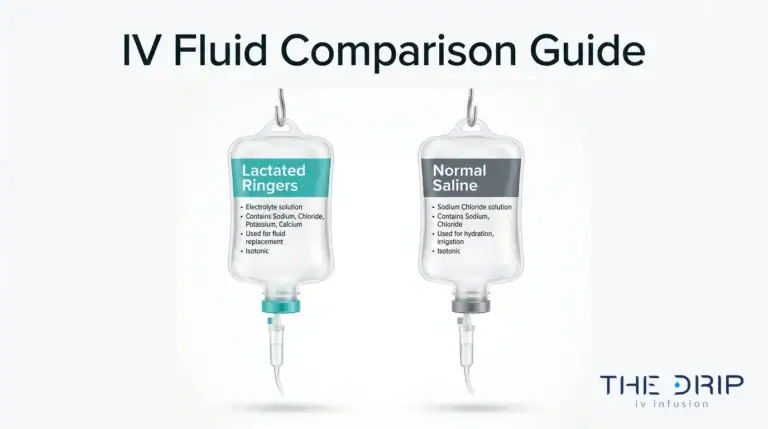
Stomach flu IV drips use isotonic solutions like normal saline or Lactated Ringer’s to restore intravascular volume, while optional add-ons such as ondansetron, B vitamins, zinc, and vitamin C target nausea, nutrient depletion, and immune support simultaneously. Fluids reach the bloodstream immediately, eliminating the absorption bottleneck that makes oral rehydration fail during active vomiting.
Adults unable to keep fluids down, young children with high metabolic rates, and elderly patients with blunted thirst signals benefit most from IV intervention. Symptoms like confusion, cold skin, or breathing difficulty signal the need for emergency care rather than outpatient infusion.
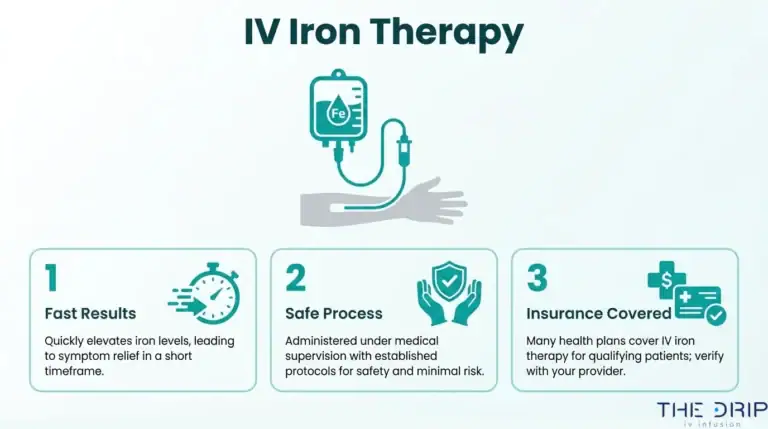
Sessions typically take about one hour, carry minimal side effects, and can be delivered at home through mobile services, removing the burden of traveling while sick.
What Is Norovirus and Why Does It Cause Severe Stomach Flu?
Norovirus is a highly contagious virus that causes viral gastroenteritis, commonly called stomach flu. Below, we cover how norovirus spreads, the symptoms it triggers, and how long the illness typically lasts.
How Does Norovirus Spread from Person to Person?
Norovirus spreads from person to person primarily through the fecal-oral route. Contaminated food, unwashed hands, surfaces, and shared objects all serve as common transmission pathways. Even microscopic viral particles left on a countertop or doorknob can cause infection when someone touches the surface and then their mouth.
Because the virus is remarkably resilient on hard surfaces, thorough disinfection is essential. According to the North Carolina Department of Health and Human Services Norovirus Toolkit, a solution of one cup of regular, unscented household bleach per gallon of water effectively eliminates norovirus from contaminated areas. Standard cleaning sprays often fall short against this particular pathogen, making bleach-based solutions the more reliable option for households dealing with an active case.

What Are the Most Common Symptoms of Norovirus Infection?
The most common symptoms of norovirus infection include:
- Sudden, forceful vomiting that often begins without warning.
- Watery diarrhea, typically non-bloody, occurring multiple times per day.
- Nausea that persists between vomiting episodes.
- Stomach cramps and abdominal pain.
- Low-grade fever, body aches, and fatigue.
Symptoms usually appear 12 to 48 hours after exposure. What makes norovirus particularly challenging is that no licensed vaccine or antiviral treatment currently exists, according to a 2023 study published in the Journal of Medical Internet Research. Management focuses entirely on symptom relief and preventing dehydration, which is why fluid replacement becomes the central priority during recovery.
How Long Does Norovirus Stomach Flu Typically Last?
Norovirus stomach flu typically lasts one to three days for most otherwise healthy adults. Vomiting often resolves within the first 24 hours, while diarrhea may continue for an additional day or two. Children, elderly individuals, and those with weakened immune systems sometimes experience symptoms for longer.
Even after symptoms subside, the body continues shedding the virus for days, sometimes weeks. Notably, a study in the Journal of Medical Internet Research found that Google searches for “dehydration” peaked several months after norovirus search trends, suggesting many people underestimate the lingering fluid loss this illness causes. For most individuals, the acute phase passes quickly, but the dehydration it leaves behind often demands more attention than the virus itself.
With a clear picture of how norovirus behaves, the next step is understanding why it leads to dehydration so rapidly.
Why Does Stomach Flu Lead to Dehydration So Quickly?
Stomach flu leads to dehydration so quickly because vomiting and diarrhea expel large volumes of water and electrolytes simultaneously, often faster than the body can replace them orally. The following sections explain the fluid-loss mechanism and the warning signs that dehydration has become severe.
How Do Vomiting and Diarrhea Deplete Fluids and Electrolytes?
Vomiting and diarrhea deplete fluids and electrolytes by forcing rapid, repeated losses of water, sodium, potassium, and chloride from the gastrointestinal tract. Each episode of watery diarrhea can expel several hundred milliliters of fluid, while vomiting prevents oral replacement from staying down long enough to absorb.
This creates a compounding deficit. Sodium and potassium losses disrupt nerve signaling and muscle function. Chloride and bicarbonate depletion can shift blood pH toward metabolic acidosis. Because norovirus often triggers both vomiting and diarrhea simultaneously, the window for oral rehydration narrows considerably. For many patients, the stomach simply cannot retain enough fluid to keep pace with ongoing losses, making the dehydration cycle self-reinforcing.
What Are the Warning Signs of Severe Dehydration from Stomach Flu?
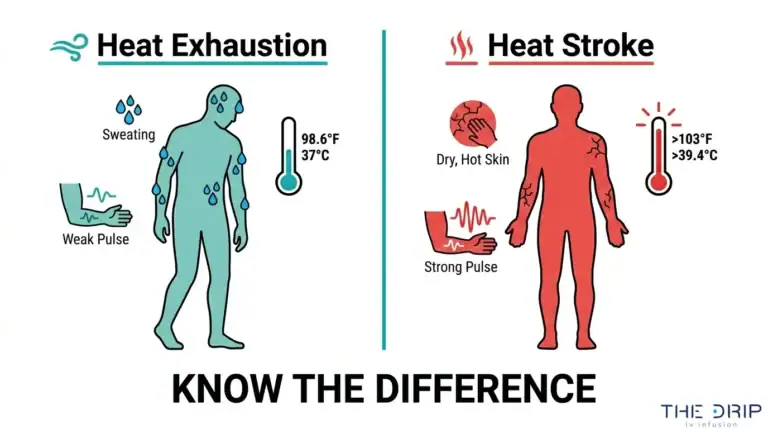
The warning signs of severe dehydration from stomach flu include lethargy or unconsciousness, sunken eyes, inability to drink or drinking poorly, and a skin pinch that returns very slowly (at least two seconds). According to the World Health Organization’s diarrhoeal disease guidance, severe dehydration is defined by the presence of at least two of these signs.
Clinical signs of dehydration typically first appear at 3–5% body weight loss, while severe cases in children may reflect losses of 10% or more. Additional red flags to watch for include:
- Minimal or no urine output for several hours
- Dry mouth and absence of tears when crying
- Rapid heartbeat with weak pulse
- Dizziness or confusion upon standing
When oral rehydration solution cannot be kept down or symptoms continue worsening, intravenous fluid therapy becomes the appropriate next step for restoring hydration safely.

Why Is Oral Rehydration Often Insufficient During Norovirus?
Oral rehydration is often insufficient during norovirus because persistent vomiting prevents the stomach from retaining fluids long enough for absorption. Even small sips may trigger immediate emesis, creating a cycle where fluid loss outpaces intake.
The core challenge lies in timing and tolerance. Oral rehydration solutions work only when the gut can absorb them, yet norovirus attacks the intestinal lining and provokes relentless nausea. According to a Cochrane review of 17 trials on oral versus intravenous rehydration for children with gastroenteritis, for every 25 children treated with oral fluids, one child failed oral therapy entirely and required intravenous rehydration. While that ratio may seem small, it underscores a critical reality: oral rehydration has a built-in failure threshold that rises sharply when vomiting is severe or sustained.
For adults experiencing hours of uncontrolled vomiting, the practical window for successful oral rehydration narrows considerably. Each failed attempt to keep fluids down deepens the electrolyte deficit and accelerates dehydration. IV therapy bypasses this bottleneck entirely by delivering fluids, electrolytes, and supportive nutrients directly into the bloodstream, where absorption is immediate and independent of gastrointestinal function.
Understanding when oral strategies fall short helps clarify the specific role IV fluids play in stomach flu recovery.
What Is IV Therapy for Stomach Flu Recovery?
IV therapy for stomach flu recovery is the intravenous delivery of fluids, electrolytes, vitamins, and medications to rehydrate the body and relieve symptoms caused by norovirus. The following subsections cover the specific fluids, nutrients, and anti-nausea medications included in a stomach flu IV drip.
What Fluids and Electrolytes Are Included in a Stomach Flu IV Drip?
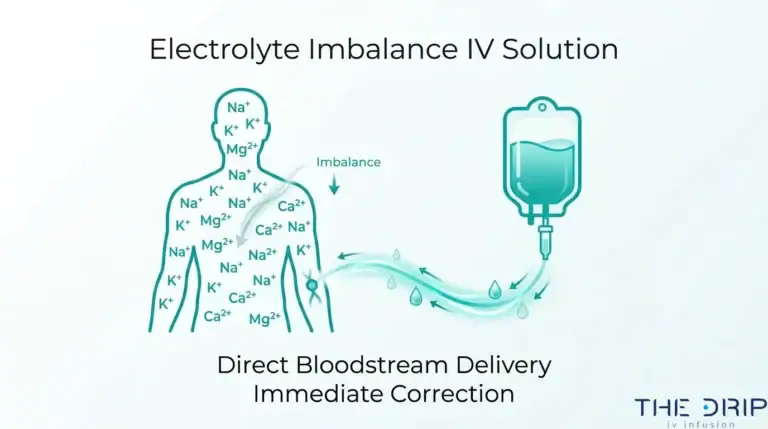
The fluids and electrolytes included in a stomach flu IV drip are isotonic solutions such as normal saline and Lactated Ringer’s. Normal saline contains 154 mEq/L each of sodium and chloride. Lactated Ringer’s provides a broader electrolyte profile: sodium at 130 mEq/L, potassium at 4 mEq/L, calcium at 3 mEq/L, and 28 mEq/L of lactate, according to the DailyMed drug label. These isotonic formulations replenish intravascular volume without causing harmful fluid shifts, which is critical when vomiting and diarrhea have depleted the body’s reserves. Potassium and calcium, often lost rapidly during gastroenteritis, are restored simultaneously with hydration rather than requiring separate supplementation.

What Vitamins and Nutrients Support Norovirus Recovery Through IV?
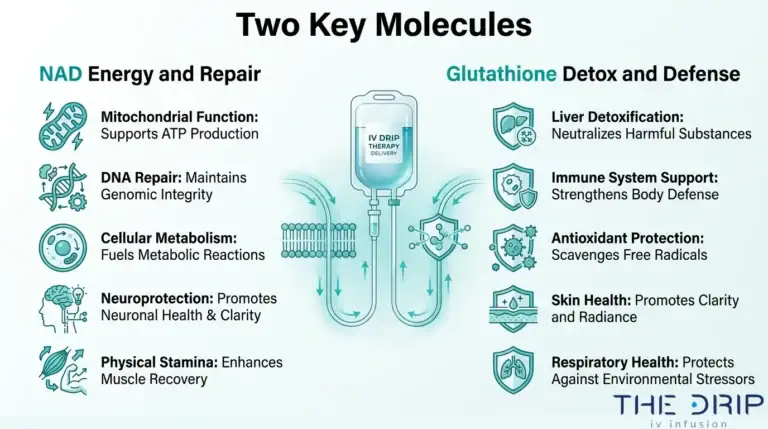
The vitamins and nutrients that support norovirus recovery through IV include B-complex vitamins, vitamin C, zinc, and magnesium. B-complex vitamins aid cellular energy production, while vitamin C supports immune function during active infection. Zinc is particularly relevant; the NIH notes that WHO and UNICEF recommend short-term zinc supplementation to treat acute diarrhea, though its effect may be marginal in well-nourished individuals. Magnesium helps restore levels commonly depleted by prolonged vomiting. Because norovirus currently has no licensed vaccine or antiviral treatment, nutrient repletion through IV delivery plays a supportive role by bypassing the irritated GI tract entirely. For many patients unable to keep anything down, this direct delivery method can make a meaningful difference in how quickly energy levels stabilize.
What Anti-Nausea and Symptom-Relief Medications Can Be Added?
The anti-nausea and symptom-relief medications that can be added to a stomach flu IV drip include ondansetron (Zofran), Pepcid, Benadryl, and Toradol. Ondansetron is widely used to control vomiting during acute gastroenteritis. Pepcid reduces stomach acid production, easing nausea and gastric irritation. Benadryl addresses allergic-type nausea and promotes rest, while Toradol provides non-narcotic pain relief for body aches that often accompany norovirus. These medications reach the bloodstream immediately through IV delivery, which matters considerably when oral medications cannot stay down. Combining anti-nausea support with hydration in a single session shortens the window of active misery and helps the body shift toward recovery sooner.
With the composition of stomach flu IV drips established, the next step is understanding how IV hydration works faster than oral fluids.
How Does IV Hydration Work Faster Than Drinking Fluids?
IV hydration works faster than drinking fluids because it delivers saline, electrolytes, and nutrients directly into the bloodstream, bypassing the gastrointestinal tract entirely. When someone drinks water or an oral rehydration solution, the liquid must pass through the stomach and small intestine before absorption begins. During a stomach flu, persistent vomiting and diarrhea compromise this process significantly; fluids may be expelled before the body can absorb them. Intravenous delivery eliminates that bottleneck. Isotonic solutions enter the circulatory system immediately, restoring intravascular volume without requiring digestive processing. This distinction matters most when nausea makes even small sips difficult to keep down, turning oral rehydration into a frustrating cycle of intake and loss. For stomach flu patients dealing with active vomiting, IV hydration provides a reliable absorption pathway that oral methods simply cannot match.
What Are the Benefits of IV Therapy During Stomach Flu?
The benefits of IV therapy during stomach flu include preventing dehydration complications, reducing nausea and vomiting duration, and restoring energy and nutrient levels. Each benefit addresses a specific challenge that norovirus creates in the body.
How Does IV Therapy Prevent Dehydration Complications?
IV therapy prevents dehydration complications by delivering isotonic fluids directly into the bloodstream, bypassing a GI tract that cannot absorb oral fluids effectively. When vomiting and diarrhea are persistent, every sip of water risks being lost before absorption occurs.
Intravenous hydration restores intravascular volume rapidly, helping stabilize blood pressure, organ perfusion, and kidney function. This is particularly critical because dehydration from gastroenteritis can progress from mild to severe within hours, especially in young children and older adults. For patients who cannot keep anything down, IV fluids eliminate the absorption bottleneck entirely. In my experience, the speed of this correction is what separates a manageable illness from a hospital admission.
How Does IV Therapy Reduce Nausea and Vomiting Duration?
IV therapy reduces nausea and vomiting duration by enabling direct administration of antiemetic medications alongside hydration fluids. Because these medications enter the bloodstream immediately, they are not subject to the same absorption failures that oral medications face during active vomiting episodes.
According to a randomized clinical trial published in PubMed involving 145 children with vomiting from acute gastroenteritis, patients receiving ondansetron had a significantly lower rate of requiring intravenous fluid therapy compared to placebo (P=.015), and hospital admission rates were also lower (P=.007). Ondansetron, available as the add-on Zofran through The Drip IV Infusion, is one of the most effective tools for breaking the vomiting cycle so the body can begin recovering.
How Does IV Therapy Restore Energy and Nutrient Levels?
IV therapy restores energy and nutrient levels by infusing vitamins, minerals, and electrolytes directly into the bloodstream at a time when the digestive system cannot process food or supplements. Norovirus depletes B vitamins, zinc, magnesium, and other essential nutrients through fluid loss and reduced dietary intake.
Replenishing these nutrients intravenously supports cellular energy production, immune response, and muscle function simultaneously. Oral supplementation during active illness is often pointless since the gut cannot absorb nutrients efficiently while inflamed. This makes IV delivery uniquely suited to the recovery window when nutritional deficits are highest yet oral intake is lowest.
Understanding these benefits helps clarify who should consider IV therapy and when to seek it.
Who Should Consider IV Therapy for Norovirus Recovery?
IV therapy for norovirus recovery is most appropriate for anyone unable to keep fluids down or showing signs of moderate to severe dehydration. The following sections cover when adults, children, elderly patients, and emergency situations each call for different levels of intervention.
When Should Adults Get IV Therapy for Stomach Flu?
Adults should get IV therapy for stomach flu when oral rehydration fails to keep pace with fluid losses. Persistent vomiting that prevents sipping water for more than several hours, prolonged diarrhea lasting beyond 24 hours, or visible signs of dehydration, such as dark urine, dizziness, and dry mouth, all signal a need for intravenous support.
Adults with pre-existing conditions deserve particular attention. Diabetes, kidney disease, and heart conditions can complicate dehydration quickly, narrowing the window for safe oral recovery. For most otherwise healthy adults, the decision point is straightforward: if you cannot tolerate fluids by mouth, IV hydration becomes the most reliable path to recovery.
When Should Children or Elderly Patients Seek IV Hydration?
Children or elderly patients should seek IV hydration when oral rehydration therapy is insufficient or symptoms are escalating. Young children dehydrate faster due to higher metabolic rates and lower fluid reserves, while elderly patients often have blunted thirst signals and reduced kidney function.
A Cochrane review of 17 trials found no clinically important differences between oral and intravenous rehydration for children with gastroenteritis; however, for every 25 children treated orally, one failed and required intravenous rehydration. That failure rate, though small, underscores why close monitoring matters. For elderly patients, even mild dehydration can worsen confusion and fall risk, making earlier IV intervention a practical safeguard when oral intake stalls.
When Does Stomach Flu Require Emergency Care Instead of IV Therapy?
Stomach flu requires emergency care instead of IV therapy when symptoms suggest circulatory shock or organ compromise. According to the National Health Service, confusion, unusual sleepiness or difficulty waking, cold skin, breathing difficulty, or blue, grey, pale, or blotchy skin in a dehydrated person may indicate shock requiring immediate emergency intervention.
Additional red flags that warrant an emergency room visit include:
- Blood in vomit or stool.
- High fever that does not respond to standard treatment.
- Inability to produce urine for 8 or more hours.
- Severe abdominal pain beyond typical cramping.
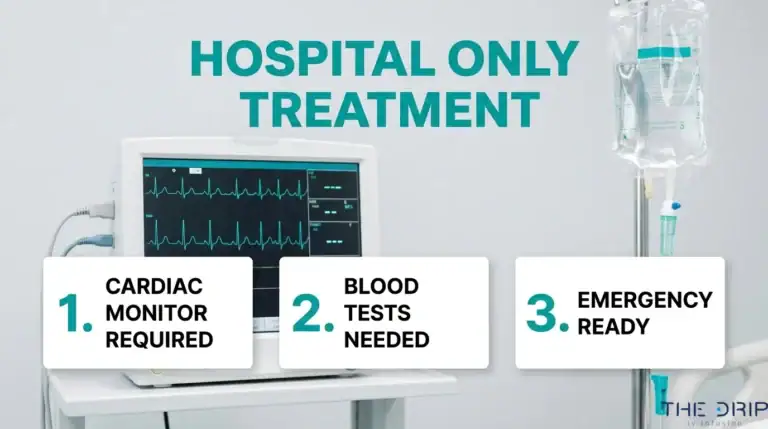
Outpatient IV therapy is designed for moderate dehydration and symptom management, not critical resuscitation. Recognizing the line between manageable dehydration and a medical emergency ensures patients receive the right level of care at the right time.
What Should You Expect During a Stomach Flu IV Therapy Session?
A stomach flu IV therapy session typically involves a brief health assessment, IV catheter insertion, and a monitored infusion of fluids, electrolytes, and optional medications. The sections below cover session duration and potential side effects.
How Long Does a Stomach Flu IV Infusion Take?
A stomach flu IV infusion takes approximately one hour from start to finish. The session begins with a short health intake, where an infusion specialist reviews your symptoms and hydration status. After selecting the appropriate fluid blend, the specialist inserts a small peripheral IV catheter into a vein, usually in the forearm or hand.
Once the line is secured, the saline or Lactated Ringer’s solution drips steadily while you rest. Add-on medications like Zofran for nausea may be included without significantly extending the timeframe. Most people feel noticeably better before the bag finishes, since fluids and electrolytes absorb immediately into the bloodstream. For those too ill to travel, mobile sessions follow the same timeline in the comfort of home.
Are There Any Side Effects of IV Therapy for Stomach Flu?
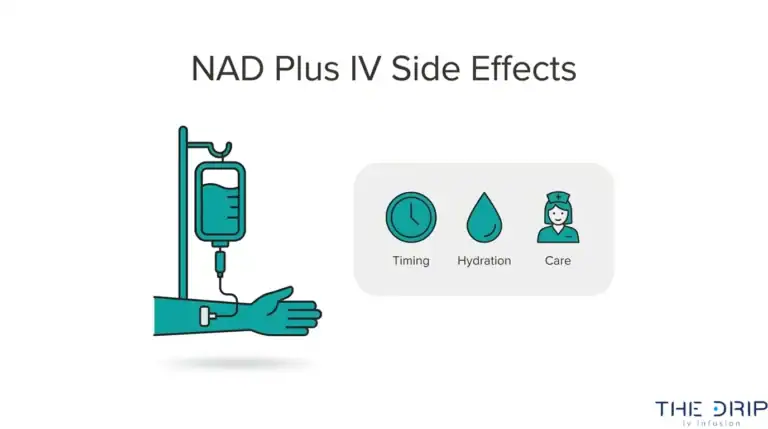
The side effects of IV therapy for stomach flu are generally mild and uncommon. The most frequently reported issues include minor bruising, soreness, or swelling at the catheter insertion site. Some clients experience a cool sensation as room-temperature fluids enter the bloodstream; this is normal and fades quickly.
According to a 2023 study published in Infection Prevention in Practice, peripheral intravenous catheters have an overall failure rate of 35% to 50% in healthcare settings, often due to dislodgement or blockage. However, short single-use infusions for stomach flu carry considerably lower risk than extended hospital catheter placements. Allergic reactions to added vitamins or medications, while rare, are possible. A qualified infusion specialist monitors you throughout the session to address any discomfort promptly.
Understanding what a session involves can help you prepare; next, comparing IV therapy to other stomach flu treatments clarifies when this approach offers the greatest advantage.
How Does IV Therapy Compare to Other Stomach Flu Treatments?
IV therapy compares to other stomach flu treatments by addressing dehydration directly through the bloodstream, while alternatives like oral rehydration, dietary changes, and anti-nausea medications work through the digestive system. No licensed vaccine or antiviral treatment currently exists for norovirus, so all approaches focus on symptom management and fluid replacement.
There are several common treatment approaches worth comparing:
- Oral rehydration solutions (ORS) replace fluids and electrolytes through the gastrointestinal tract. ORS works well for mild to moderate dehydration when a patient can keep liquids down. However, persistent vomiting during norovirus often limits absorption, making oral intake unreliable during peak illness.
- Anti-nausea medications such as ondansetron reduce vomiting episodes, which can improve oral fluid tolerance. These medications treat a symptom rather than the underlying fluid deficit itself.
- Dietary management is frequently misunderstood. According to the National Institute of Diabetes and Digestive and Kidney Diseases, most experts do not recommend fasting or following a restricted diet when a person has viral gastroenteritis, as research shows restriction does not help treat the condition.
- Zinc supplementation has been studied primarily in low-income countries for childhood diarrhea, though its effects may be only marginal in well-nourished individuals.
- IV therapy bypasses the compromised digestive system entirely. Isotonic fluids like normal saline or Lactated Ringer’s replenish intravascular volume without requiring gastrointestinal absorption, and additional nutrients or anti-nausea medications can be delivered simultaneously through the same line.
The key distinction is reliability during active illness. When vomiting makes oral intake impossible, IV hydration provides a dependable route for fluid and electrolyte restoration that oral methods simply cannot match. For mild cases where patients tolerate sipping fluids, ORS remains a practical first step. Combining approaches often yields the best results; IV therapy can stabilize hydration while oral intake gradually resumes as symptoms ease.
What Can You Do Alongside IV Therapy to Recover from Norovirus?
Alongside IV therapy, you can support norovirus recovery through proper nutrition and strict hygiene practices. The following sections cover the best foods to eat after treatment and essential steps to prevent spreading the virus.
What Foods Should You Eat After Stomach Flu IV Treatment?
The foods you should eat after stomach flu IV treatment are bland, easy-to-digest options that ease your gut back into normal function. According to the National Institute of Diabetes and Digestive and Kidney Diseases, following a restricted diet does not help treat viral gastroenteritis, and most experts do not recommend fasting during recovery.
Once vomiting subsides, reintroduce foods gradually. Good initial choices include:
- Plain rice, toast, or crackers
- Bananas and applesauce
- Boiled potatoes without added fat
- Clear broths to maintain hydration
Avoid dairy, caffeine, alcohol, and greasy or heavily spiced meals until digestion fully normalizes. Eating small, frequent portions rather than large meals tends to be better tolerated during the first 24 to 48 hours after symptoms ease.
How Do You Prevent Spreading Norovirus While Recovering?
You prevent spreading norovirus while recovering by practicing rigorous hand hygiene, disinfecting surfaces, and isolating from others until at least 48 hours after symptoms stop. According to CDC data, norovirus causes 58% of foodborne illnesses acquired in the United States, which underscores how easily it transmits through contaminated food and surfaces.
Key prevention steps include:
- Washing hands thoroughly with soap and water for at least 20 seconds (hand sanitizer alone is insufficient against norovirus)
- Cleaning contaminated surfaces with a bleach solution of one cup of unscented household bleach per gallon of water
- Avoiding food preparation for others during illness and for at least two days after recovery
- Laundering soiled clothing and linens immediately using the hottest appropriate water setting
Even after feeling better, viral shedding can continue for days. Maintaining these precautions protects household members and anyone else in close contact during your recovery period.
How Can Mobile IV Therapy Help You Recover from Stomach Flu at Home?
Mobile IV therapy can help you recover from stomach flu at home by delivering hydration, electrolytes, and symptom-relief medications directly to you, eliminating the need to travel while sick. The following sections cover how The Drip IV Infusion supports norovirus recovery and the key takeaways from this article.

Can The Drip IV Infusion’s Illness Recovery Service Treat Norovirus?
Yes, The Drip IV Infusion’s illness recovery service can treat the dehydration and symptoms caused by norovirus. The Drip IV Infusion sends experienced nurses directly to your home, which is especially valuable when persistent vomiting makes traveling to a clinic impractical. According to the National Home Infusion Association, home infusion involves administering medication through a needle or catheter outside a hospital setting, supported by specially trained professionals, and the number of treatments offered at home continues to grow as quality-of-life benefits and improved clinical outcomes are demonstrated. The Drip IV Infusion offers customizable add-ons, such as Zofran for nausea, zinc, vitamin C, and B-complex vitamins, to address multiple norovirus symptoms in a single session. For anyone struggling to keep fluids down, this mobile approach removes a major barrier to recovery.
What Are the Key Takeaways About IV Therapy for Stomach Flu?
The key takeaways about IV therapy for stomach flu center on three practical conclusions:
- IV hydration bypasses the gut entirely, making it the most reliable rehydration method when vomiting and diarrhea prevent oral fluid intake.
- Add-on medications like ondansetron (Zofran) and supportive nutrients such as zinc and B vitamins address nausea, nutrient depletion, and fatigue within the same session.
- Mobile IV services eliminate the need to visit a hospital or urgent care, allowing recovery in the comfort of home while reducing exposure risk to others.
No licensed vaccine or antiviral currently exists for norovirus, so symptom management and aggressive rehydration remain the most effective recovery strategy. Prioritizing early IV intervention, before dehydration becomes severe, consistently leads to faster, more comfortable recoveries.