IV Zofran is the intravenous form of ondansetron, a selective serotonin receptor blocker that suppresses nausea signals before they reach the brain’s vomiting center.
This guide covers how Zofran acts in the body, how IV delivery compares to oral tablets, safety and candidacy screening, combination drip strategies, and personalized treatment through The Drip IV Infusion.
Ondansetron works by blocking 5-HT3 receptors at two critical sites: centrally in the brain’s area postrema and peripherally on vagus nerve terminals. This dual-site blockade makes it effective for chemotherapy-induced nausea, postoperative vomiting, and GI-related nausea, though it does not work for motion sickness.
IV administration bypasses the digestive tract entirely, delivering ondansetron directly into the bloodstream. This means relief can begin within minutes rather than the 15 to 30 minutes oral tablets require for absorption. For anyone actively vomiting or unable to keep pills down, the IV route removes that barrier.
Candidacy depends on ruling out specific contraindications, including congenital long QT syndrome and concurrent use of certain serotonergic medications. A pre-infusion health screening and full medication review are essential before any session.
Zofran pairs well with complementary IV ingredients like hydration fluids, electrolytes, B-complex vitamins, and magnesium. Blocking multiple nausea pathways simultaneously produces stronger relief than any single agent alone, which is why multimodal protocols are the clinical standard.
The Drip IV Infusion offers Zofran as a customizable add-in, building personalized drip formulas around each client’s symptoms, health history, and wellness goals.
What Is IV Zofran and How Does It Help Relieve Nausea?
IV Zofran is the intravenous form of ondansetron, a medication that blocks serotonin receptors to stop nausea and vomiting. The sections below explain how Zofran acts in the body and which types of nausea respond best to this treatment.
How Does Zofran Act in the Body to Prevent Nausea and Vomiting?
Zofran acts in the body to prevent nausea and vomiting by blocking serotonin (5-HT3) receptors at two key sites. According to a review published in the European Journal of Anaesthesiology Supplement, ondansetron is a highly potent and selective 5-HT3 receptor antagonist that blocks nausea signals both centrally, in the area postrema and nucleus tractus solitarius, and peripherally, on vagus nerve terminals.
When the gut releases serotonin in response to irritation or toxins, those signals normally travel through vagal pathways to the brain’s vomiting center. Ondansetron intercepts this communication at both ends. By silencing the peripheral trigger and the central relay simultaneously, IV Zofran suppresses the emetic reflex before symptoms fully develop.

What Types of Nausea Respond Best to IV Zofran?
The types of nausea that respond best to IV Zofran include chemotherapy-induced nausea, postoperative nausea, radiation-related nausea, and nausea caused by gastrointestinal distress. Because ondansetron targets serotonin-mediated pathways, it works most effectively when serotonin release is a primary trigger.
Conditions where IV Zofran shows strong efficacy:
- Chemotherapy-induced nausea and vomiting, where cytotoxic drugs cause massive serotonin release from gut enterochromaffin cells.
- Postoperative nausea and vomiting following anesthesia.
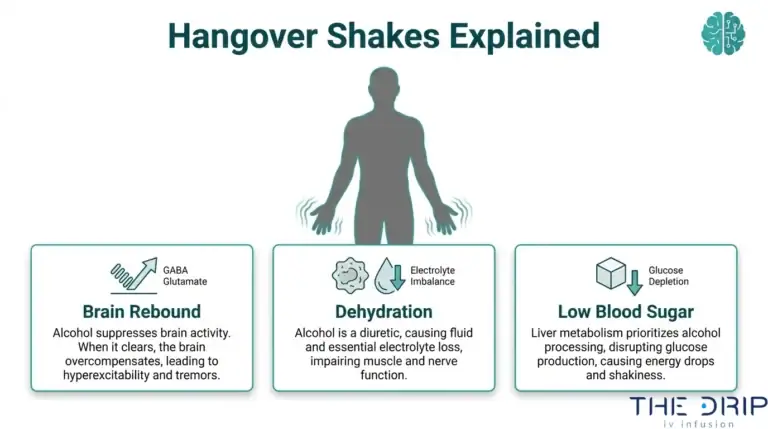
- Nausea from stomach illness, food reactions, or hangovers involving GI irritation.
- Morning sickness in pregnancy, where hormonal shifts amplify serotonin signaling.
One notable limitation worth understanding: ondansetron is not effective for motion sickness, since that condition originates in the vestibular system rather than through serotonin pathways. For serotonin-driven nausea, however, few single agents match its targeted reliability.
With Zofran’s mechanism and best-use cases established, the next step is understanding how IV delivery compares to oral tablets.
How Does IV Administration of Zofran Differ from Oral Tablets?
IV administration of Zofran differs from oral tablets primarily in delivery speed, bioavailability, and suitability for patients who cannot tolerate oral intake. The sections below cover why someone might prefer the IV route and how onset times compare.
Why Might Someone Prefer IV Zofran Over Pills for Nausea Relief?
Someone might prefer IV Zofran over pills for nausea relief because intravenous delivery bypasses the gastrointestinal tract entirely. When a person is actively vomiting or experiencing severe nausea, swallowing and retaining an oral tablet becomes unreliable. IV ondansetron enters the bloodstream directly, ensuring the full dose reaches circulation without depending on GI absorption.
This distinction matters most in clinical scenarios like chemotherapy-induced nausea, postoperative vomiting, or acute illness where gastric motility is impaired. According to the FDA’s ZOFRAN Injection prescribing information, injectable ondansetron is indicated for prevention of nausea and vomiting in these settings. For individuals whose stomach simply will not cooperate, the IV route removes that barrier. Oral tablets work well for mild or anticipatory nausea, but when symptoms are already intense, relying on pill absorption introduces unnecessary uncertainty.
How Quickly Does IV Zofran Work Compared to Other Forms?
IV Zofran works faster than oral forms because the medication reaches peak plasma concentration almost immediately upon infusion. Oral ondansetron tablets typically require 15 to 30 minutes for absorption through the digestive lining before therapeutic levels build in the bloodstream. IV delivery eliminates that absorption window.
The practical difference is significant during acute episodes. A person receiving Zofran through an IV drip can begin feeling relief within minutes, while someone taking a pill must wait for gastric processing. Orally disintegrating tablets dissolve on the tongue but still require intestinal absorption, so their onset remains slower than the intravenous route. For anyone already receiving IV fluids, adding ondansetron to the drip creates a seamless approach that prioritizes speed without requiring a separate oral dose.
Understanding how IV and oral Zofran compare helps clarify the safety steps involved in adding it to a drip session.

Who Is a Good Candidate for Zofran as an IV Drip Add-In?
A good candidate for Zofran as an IV drip add-in is someone experiencing acute nausea without contraindications such as cardiac rhythm disorders or conflicting medications. The following subsections cover key drug interactions and compatibility with other IV ingredients.
Are There Any Contraindications or Drug Interactions to Be Aware Of?
The contraindications and drug interactions to be aware of include cardiac conditions, hypersensitivity history, and specific medication conflicts. Ondansetron should be avoided in patients with congenital long QT syndrome, as it carries dose-dependent QT prolongation risk. According to Health Canada’s KYNMOBI Product Monograph, the concomitant use of drugs in the 5-HT3 antagonist class is contraindicated, which includes antiemetics such as ondansetron.
Additional contraindications and interactions include:
- Patients taking apomorphine sublingual (serotonin syndrome risk when combined with 5-HT3 blockers).
- Individuals with known hypersensitivity to ondansetron or other selective 5-HT3 receptor antagonists.
- Those using medications that prolong the QT interval, such as certain antiarrhythmics or antibiotics.
- Patients with severe hepatic impairment, where total daily dose should not exceed 8 mg.
A thorough medication review before any infusion session is the most reliable way to identify these risks early.

Can IV Zofran Be Used Alongside Other Medications in an IV Drip?
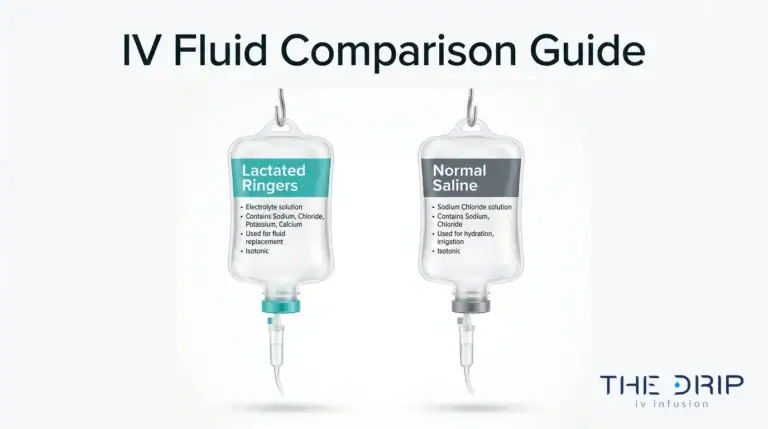
Yes, IV Zofran can be used alongside other medications in an IV drip when compatibility and clinical appropriateness are confirmed. Ondansetron is frequently combined with hydration fluids, electrolytes, and select vitamins in wellness infusion settings. Physically, ondansetron is compatible with common IV solutions like normal saline and lactated Ringer’s.
However, not every combination is safe. Medications that also affect serotonin pathways or prolong the QT interval require careful evaluation before co-administration. Each add-in must be assessed for chemical compatibility within the same IV line, as some compounds can precipitate or degrade when mixed directly.
Mobile IV services like The Drip IV Infusion conduct pre-session health screenings to identify contraindications and build personalized drip formulas around each client’s medication list, symptoms, and wellness goals. This screening step helps ensure compatibility when multiple ingredients are combined in a single infusion.
How Does Zofran Work with Other Drip IV Ingredients for Nausea Management?
Zofran works with other drip IV ingredients for nausea management by targeting serotonin receptors while complementary agents address different nausea pathways simultaneously. The subsections below cover common IV ingredients paired with Zofran and why combination formulas outperform single-agent therapy.
What Other Ingredients Are Commonly Included in Nausea Relief IVs?
Other ingredients commonly included in nausea relief IVs are fluids, electrolytes, B-complex vitamins, magnesium, and anti-inflammatory medications such as Toradol. Normal saline or lactated Ringer’s solution forms the base, correcting dehydration that often accompanies prolonged nausea. Magnesium supports smooth muscle relaxation in the GI tract, while B vitamins help restore nutrient levels depleted by vomiting. In clinical oncology settings, protocols add agents from entirely different drug classes. According to the ASCO Guideline Update, high-emetic-risk regimens call for a four-drug combination: an NK1 receptor antagonist, a 5-HT3 receptor antagonist like ondansetron, dexamethasone, and olanzapine. Each ingredient targets a distinct receptor pathway, reducing the likelihood that nausea breaks through on any single front.
How Do Combination Formulas Enhance Relief Over Single-Agent Therapy?
Combination formulas enhance relief over single-agent therapy by blocking multiple nausea pathways at once. Nausea signals travel through serotonin, dopamine, neurokinin, and histamine receptors. Ondansetron blocks the 5-HT3 serotonin pathway, but signals routed through other receptors can still trigger symptoms. Pairing ondansetron with agents that target those remaining pathways closes the gaps a single drug leaves open. This multimodal principle is well established: the Anesthesia Patient Safety Foundation recommends that patients with even one or two risk factors for postoperative nausea receive multimodal prophylaxis rather than a single antiemetic. For most people seeking IV nausea relief, a tailored combination that includes hydration, vitamins, and Zofran addresses both the symptom and its underlying contributors more effectively than any one ingredient alone.
With combination strategies clarified, the next step is exploring how The Drip IV Infusion applies these principles.

How Should You Approach IV Zofran for Nausea with The Drip IV Infusion?
You should approach IV Zofran for nausea with The Drip IV Infusion by discussing your health history, current medications, and nausea triggers with an infusion specialist before your session. The sections below cover customized therapy options and essential takeaways.
Can The Drip IV Infusion Provide Customized IV Zofran Therapy for Nausea?
Yes, The Drip IV Infusion can provide customized IV Zofran therapy for nausea. Zofran is available as an add-in that infusion specialists can incorporate into a personalized IV cocktail based on your specific symptoms and wellness goals. The Drip IV Infusion offers mobile sessions, bringing the treatment directly to your home or workplace for added convenience.
Because ondansetron should be avoided in patients with congenital long QT syndrome, according to the UK Medicines and Healthcare products Regulatory Agency, a thorough health screening is part of the customization process. The Drip IV Infusion pairs Zofran with complementary add-ons such as B-complex vitamins, magnesium, or Pepcid to address nausea from multiple angles. This tailored approach reflects how effective antiemetic care often benefits from combining agents rather than relying on a single medication alone.
What Are the Key Points to Remember About IV Zofran for Nausea as a Drip Add-In?
The key points to remember about IV Zofran for nausea as a drip add-in center on safety, candidacy, and combination strategy:
- Ondansetron blocks 5-HT3 receptors centrally and peripherally to suppress nausea signals before they escalate.
- IV delivery bypasses the GI tract, which is especially valuable when oral intake is compromised by active vomiting.
- Patients with cardiac risk factors or those taking serotonergic medications should disclose their full medical history before treatment.
- Multimodal prophylaxis is preferred; the Anesthesia Patient Safety Foundation notes that patients with even one or two risk factors for postoperative nausea and vomiting should receive combination antiemetic therapy.
- Zofran is not effective for every nausea type; motion sickness, for example, does not respond well to ondansetron.
For anyone considering this option, scheduling a consultation with The Drip IV Infusion ensures the therapy is both safe and aligned with your individual needs.