NAD+ IV therapy is an intravenous infusion of nicotinamide adenine dinucleotide, a coenzyme central to cellular energy production, and its side effects are typically temporary, infusion-rate dependent, and manageable with proper clinical oversight.
This guide covers common side effects and their causes, severity and duration patterns, individual risk factors, aftercare and response strategies, and how NAD+ IV therapy compares to other wellness infusions.
The most frequently reported side effects include nausea, abdominal cramping, headaches, fatigue, and dizziness. These symptoms tend to appear during active infusion and cease shortly after the drip slows or stops. Faster infusion rates intensify discomfort, making rate adjustment the primary tool for real-time symptom control.
Most reactions are mild and self-resolving, with gastrointestinal symptoms and flushing clearing within minutes of infusion completion. However, persistent vomiting, severe chills, chest tightness, or signs of IV-site infection warrant immediate medical evaluation.
Certain individuals face elevated risk. People with diabetes, renal failure, uncontrolled hypothyroidism, or those taking statins require closer monitoring. Pregnant or breastfeeding individuals lack sufficient safety data to support elective use. Older adults with reduced kidney or liver clearance may process infused NAD+ less efficiently.
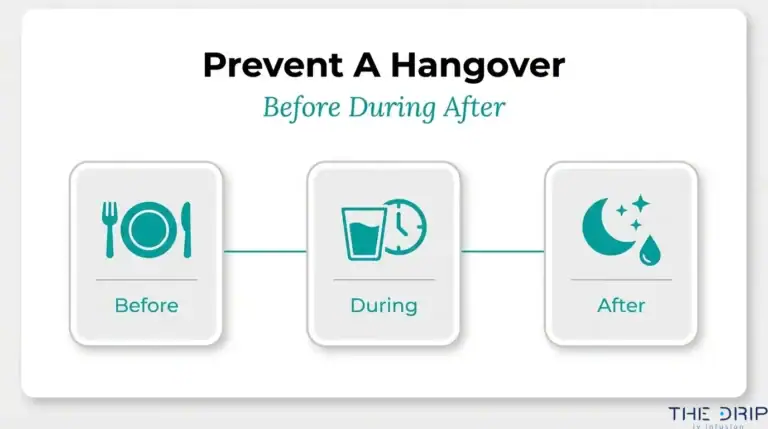
Practical aftercare steps such as pre-session hydration, eating a light meal beforehand, and resting post-infusion reduce symptom likelihood. Open communication with your infusion specialist allows real-time adjustments before discomfort escalates.
Compared to standard vitamin or hydration drips, NAD+ IV therapy produces more noticeable systemic effects during infusion. Its side effect profile is uniquely controllable; symptoms track directly with flow speed and resolve near-instantly when the rate decreases.
What Are the Most Common Side Effects Associated with NAD+ IV Therapy?
The most common side effects associated with NAD+ IV therapy include nausea, headaches, fatigue, dizziness, and gastrointestinal discomfort. Below, each side effect is examined individually.

Why Do Some People Experience Headaches or Migraine After NAD+ IV Therapy?
Some people experience headaches or migraine after NAD+ IV therapy because NAD+ influences vascular tone and neurological pathways during rapid infusion. Headache is a recognized symptom tied to niacin-related flushing, which can also involve dizziness and a decrease in blood pressure, according to the NIH Office of Dietary Supplements. Faster infusion rates tend to intensify these vascular responses. Slowing the drip rate is the most reliable way to reduce headache severity during a session, and symptoms typically resolve once the infusion ends. For anyone prone to migraines, discussing infusion speed with your nurse beforehand is a practical first step.
Is Nausea or Upset Stomach a Likely Side Effect of NAD+ IV Therapy?
Nausea or upset stomach is a likely side effect of NAD+ IV therapy, particularly at higher infusion rates. A 2026 study published in Frontiers in Aging reported that all participants in the NAD+ IV group experienced moderate to severe abdominal cramping, nausea, vomiting, and diarrhea during infusion. These gastrointestinal effects ceased immediately upon infusion completion. Participants reduced their infusion rate to manage symptoms, which is the standard clinical response. Eating a light meal beforehand and staying well hydrated can also help. Nausea during NAD+ infusions is common enough that it should be considered a normal, expected reaction rather than a sign of a serious complication.
How Frequently Do Fatigue or Dizziness Occur After NAD+ IV Infusions?
Fatigue or dizziness occur after NAD+ IV infusions with moderate frequency, though reported severity varies. The U.S. Food and Drug Administration has received adverse event reports following use of NAD+ injectable drugs that include fatigue, severe chills, shaking, and vomiting, with some cases requiring medical treatment. Dizziness often accompanies temporary drops in blood pressure triggered by the infusion. Most episodes are mild and short-lived, resolving within hours after the session. Staying reclined during the infusion and rising slowly afterward reduces dizziness risk. In my experience, fatigue post-infusion is often mistaken for a negative reaction when it may simply reflect the body’s adjustment to elevated NAD+ levels.
Are There Any Allergic Reactions Linked to NAD+ IV Therapy?
Allergic reactions linked to NAD+ IV therapy are uncommon but not impossible. True allergies to NAD+ itself are rare; most reported reactions trace back to product contamination or endotoxin exposure from improperly compounded formulas. Symptoms can include:
- Skin rash or hives at the infusion site
- Chest tightness or difficulty breathing
- Swelling of the face, lips, or throat
Choosing a provider that sources NAD+ from USP-compliant compounding pharmacies significantly reduces this risk. Any signs of an allergic response warrant immediate infusion stoppage and medical evaluation.
With the common side effects outlined, the next section covers how severe these reactions tend to be and how long they typically last.
How Severe or Long-Lasting Are Side Effects from NAD+ IV Therapy?
Side effects from NAD+ IV therapy are typically mild and short-lived, resolving once the infusion slows or stops. The following subsections cover self-resolution patterns, warning signs requiring medical attention, and practical prevention strategies.

Do Side Effects from NAD+ IV Therapy Usually Resolve on Their Own?
Side effects from NAD+ IV therapy usually resolve on their own shortly after the infusion ends. A 2026 study published in Frontiers in Aging found that all participants who experienced moderate to severe symptoms, including abdominal cramping, nausea, vomiting, and chest pressure during NAD+ IV infusion, reported that these adverse experiences ceased immediately upon infusion completion.
This pattern suggests most discomfort is directly tied to the active infusion period rather than a lasting physiological response. Slowing the drip rate during the session often reduces symptom intensity before the infusion finishes. Lingering effects like mild fatigue occasionally persist for a few hours but typically clear without intervention.
When Should You Seek Medical Attention for Side Effects?
You should seek medical attention for side effects that persist beyond the infusion period, escalate in severity, or include signs of a serious reaction. Symptoms warranting prompt evaluation include:
- Severe chills or uncontrollable shaking that does not subside after the infusion stops.
- Persistent vomiting or fatigue requiring supportive care.
- Signs of phlebitis at the IV site, such as warmth, tenderness, redness, or a palpable venous cord.
- Chest tightness, difficulty breathing, or significant drops in blood pressure.
Before any NAD+ IV session, your provider should document the informed consent conversation in the medical record, as recommended by the American Medical Association’s Code of Medical Ethics. This ensures you understand potential risks and know when to escalate concerns.
How Can You Minimize or Prevent Side Effects from NAD+ IV Therapy?
You can minimize or prevent side effects from NAD+ IV therapy through several practical steps:
- Request a slower infusion rate. Most NAD+ IV side effects are dose-rate dependent; reducing speed significantly lowers symptom intensity.
- Stay well-hydrated before your session. Proper hydration supports vein access and reduces the likelihood of headache or dizziness.
- Eat a light meal beforehand. Arriving on an empty stomach increases the chance of nausea during the infusion.
- Communicate openly with your infusion specialist. Reporting discomfort early allows real-time rate adjustments before symptoms escalate.
- Disclose all medications and health conditions. Certain drugs and pre-existing conditions can amplify side effects, making a thorough intake conversation essential.
Proactive communication with a qualified infusion specialist remains the single most effective way to ensure a comfortable NAD+ IV experience. Understanding how risk factors shape your treatment sets the stage for determining who faces the highest likelihood of side effects.
Who Is Most at Risk for Experiencing Side Effects from NAD+ IV Therapy?
Individuals with certain medical conditions, pregnancies, advanced age, or concurrent medication use face the highest risk for NAD+ IV therapy side effects. The following subsections cover medical conditions, pregnancy considerations, and age or medication factors.

Are There Certain Medical Conditions That Increase the Likelihood of Side Effects?
Certain medical conditions that increase the likelihood of side effects include diabetes, renal failure, and uncontrolled hypothyroidism. According to FDA/NLM niacin extended-release prescribing information on DailyMed, cases of rhabdomyolysis have been associated with concomitant administration of lipid-altering doses of niacin and statins, with elderly patients and those with diabetes, renal failure, or uncontrolled hypothyroidism particularly at risk.
Because NAD+ is metabolized through niacin-related pathways, individuals with liver disease or compromised kidney function may process the infusion less efficiently, intensifying side effects. Anyone managing a chronic condition should disclose their full medical history before receiving NAD+ IV therapy.
Should Pregnant or Breastfeeding Individuals Be Concerned About NAD+ IV Therapy?
Pregnant or breastfeeding individuals should be concerned about NAD+ IV therapy because no controlled clinical trials have established its safety during pregnancy or lactation. The absence of human data means potential effects on fetal development or breast milk composition remain unknown.
Most providers advise postponing elective IV infusions until after pregnancy and breastfeeding are complete. For anyone experiencing pregnancy-related symptoms, safer alternatives with established safety profiles should be discussed with a qualified healthcare provider before considering any intravenous supplementation.
Does Age or Medication Use Affect the Chances of Side Effects?
Age and medication use both affect the chances of side effects from NAD+ IV therapy. Older adults typically have reduced kidney and liver clearance, which slows metabolism of infused compounds and raises the likelihood of accumulation-related reactions.
Medication interactions present another concern. Statin users face elevated rhabdomyolysis risk when combined with high-dose niacin-pathway compounds. Blood pressure medications may compound the hypotensive effects sometimes observed during NAD+ infusions, and anticoagulants could increase bruising at the IV site. Patients taking multiple prescriptions should provide a complete medication list to their infusion specialist before treatment begins.
Understanding individual risk factors helps set realistic expectations for how NAD+ IV therapy may affect you personally.
What Should You Do If You Experience Side Effects from NAD+ IV Therapy?
If you experience side effects from NAD+ IV therapy, you should notify your infusion specialist immediately, apply basic aftercare measures, and consult your healthcare provider before resuming other treatments. The subsections below cover home remedies for symptom relief and guidance on continuing concurrent treatments.
Are There Home Remedies or Aftercare Tips to Ease Symptoms?
There are several home remedies and aftercare tips to ease symptoms after NAD+ IV therapy. Staying well-hydrated before and after the session helps the body process the infusion more efficiently, while resting in a cool, comfortable environment can reduce flushing and lighten nausea.
For mild discomfort, these aftercare steps often help:
- Drink water or electrolyte beverages steadily in the hours following the infusion.
- Apply a cool compress to the forehead or neck if flushing or headache develops.
- Eat a light meal beforehand, since an empty stomach can intensify nausea.
- Avoid strenuous activity for the remainder of the day.
According to the NIH Office of Dietary Supplements, flushing can be accompanied by more serious signs such as headache, rash, dizziness, or a decrease in blood pressure. If any of these symptoms persist or worsen after basic aftercare, contact your healthcare provider rather than relying solely on home remedies. Most mild reactions respond well to rest and hydration, but escalating symptoms always warrant professional evaluation.

Can You Continue Other Treatments If Side Effects Occur?
You can continue other treatments if side effects occur, but only after consulting with your healthcare provider. Mild, transient symptoms like brief flushing or light nausea do not automatically require stopping concurrent therapies. However, the decision depends on what those treatments involve and how your body is responding.
Before resuming any concurrent medication or supplement regimen, consider these steps:
- Report all side effects to both your infusion specialist and prescribing provider.
- Wait until acute symptoms fully resolve before adding additional treatments.
- Review potential interactions, particularly if you take medications that affect blood pressure or liver function.
Pausing is always safer than guessing. A provider who knows your full treatment history can determine whether the side effect was isolated or signals a problematic interaction that requires adjusting your broader care plan.
With a clear aftercare strategy and open provider communication, the next consideration is how NAD+ IV therapy compares to other wellness infusions in its overall side effect profile.
How Does NAD+ IV Therapy Compare to Other IV or Wellness Treatments in Terms of Side Effects?
NAD+ IV therapy produces a distinct side effect profile compared to standard IV nutrient infusions. The sections below examine relative safety and the specific characteristics that set NAD+ IV therapy apart.
Is NAD+ IV Therapy Safer Than Other IV Nutrient Therapies?
NAD+ IV therapy is not necessarily safer than other IV nutrient therapies; it tends to produce more noticeable infusion-related discomfort. Standard vitamin drips containing electrolytes, B vitamins, or vitamin C typically cause only mild site soreness or brief flushing. By contrast, a 2026 study published in Frontiers in Aging found that all NAD+ IV participants reported moderate to severe abdominal cramping, nausea, vomiting, increased heart rates, and chest pressure during infusion, with symptoms ceasing immediately upon completion.
Most standard nutrient IVs rarely provoke systemic gastrointestinal or cardiovascular symptoms at typical doses. NAD+ IV therapy, however, commonly requires infusion rate adjustments to manage real-time discomfort. For clients weighing options, this distinction matters: NAD+ IV therapy demands closer monitoring during the session than a routine hydration or vitamin drip typically would.

What Makes NAD+ IV Therapy Unique in its Side Effect Profile?
NAD+ IV therapy is unique in its side effect profile because the adverse reactions are strongly infusion-rate dependent and resolve almost immediately once the drip stops. Unlike allergic responses to certain medications or delayed reactions from high-dose vitamin C, NAD+ side effects track directly with flow speed.
Key distinguishing characteristics include:
- Symptoms such as cramping, nausea, and chest pressure appear during active infusion rather than hours afterward.
- Reducing the drip rate typically alleviates discomfort without stopping treatment entirely.
- Post-infusion recovery is near-instant, with most clients reporting no lingering effects.
This predictable, controllable pattern differs from therapies where adverse reactions can escalate unpredictably. Practitioners experienced with NAD+ protocols can titrate the infusion in real time, making side effect management more precise than with many conventional IV treatments.
With a clear picture of how NAD+ IV therapy compares, understanding available support options helps ensure a confident experience.
How Can The Drip IV Infusion Support You If You Have Concerns About NAD+ IV Therapy Side Effects?
The Drip IV Infusion can support you by providing nurse-administered NAD+ IV therapy with personalized monitoring and care. The following sections cover specific services and key takeaways to remember.
What Services or Support Does The Drip IV Infusion Offer for Managing NAD+ IV Therapy Side Effects?
The Drip IV Infusion offers nurse-administered NAD+ IV therapy with individualized attention designed to manage side effects during the infusion process. Founded by professionals with decades of experience in nursing, emergency medicine, home health, and IV medical techniques, The Drip IV Infusion staffs every session with skilled infusion specialists who can adjust drip rates in real time if discomfort arises. A 2019 study published in Frontiers in Aging Neuroscience found that no adverse events were observed during a 6-hour NAD+ infusion in either placebo or test cohorts, underscoring how proper pacing and oversight minimize risk. The Drip IV Infusion also offers customizable add-ons, such as Zofran, which can help ease common infusion-related discomfort like nausea.
What Are the Key Takeaways About NAD+ IV Therapy Side Effects You Should Remember?
The key takeaways about NAD+ IV therapy side effects are that most reactions are temporary, rate-dependent, and manageable with proper clinical oversight. Side effects such as nausea, cramping, flushing, and fatigue typically resolve once the infusion slows or stops. Individuals with certain medical conditions, those taking specific medications, and older adults should discuss their history with a qualified provider before starting treatment. Choosing a provider that uses properly compounded, sterile NAD+ products and employs experienced nurses significantly reduces risk. NAD IV therapy is not a substitute for professional medical advice, and any persistent or severe symptoms warrant prompt medical evaluation. With the right preparation and provider, most people tolerate NAD+ IV therapy well.