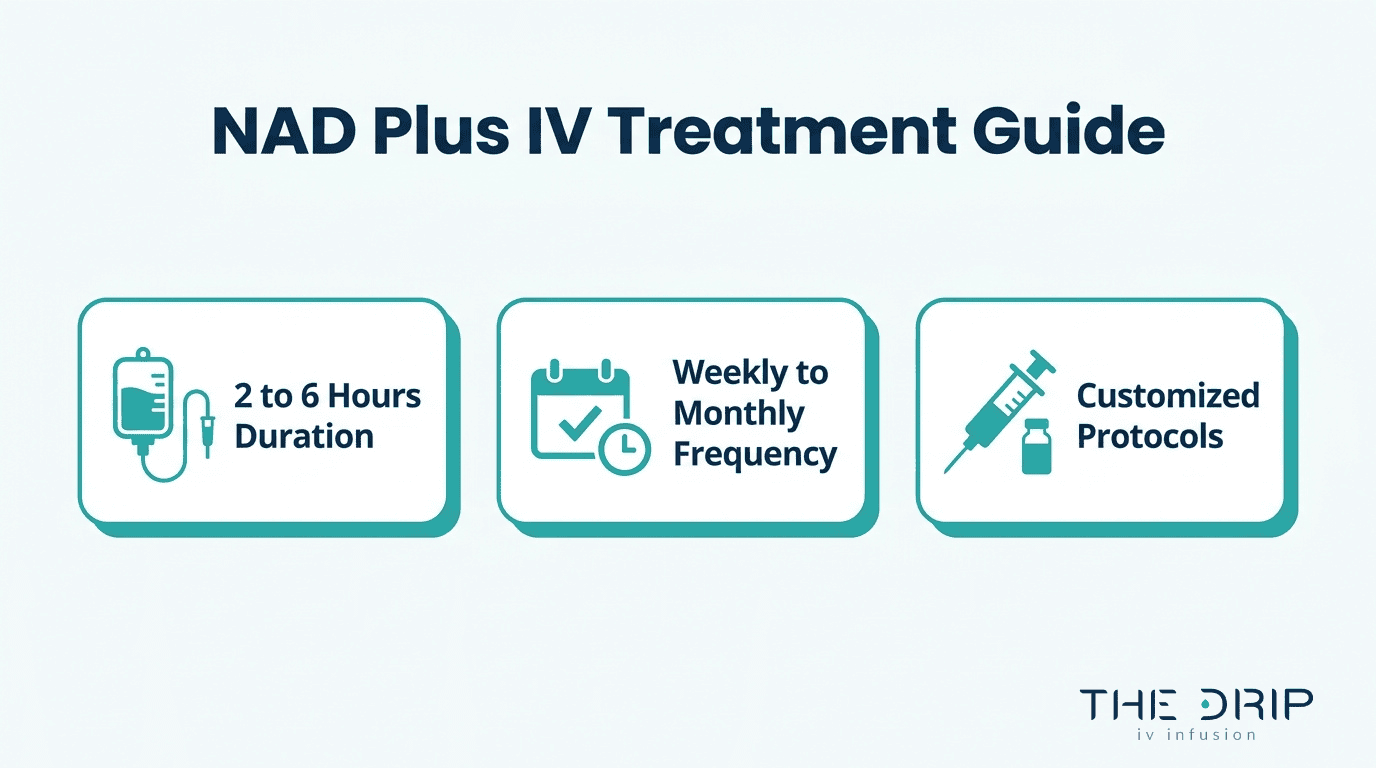
NAD+ IV treatment duration ranges from 2 to 6 hours per session, with frequency protocols spanning daily intensive schedules to monthly maintenance depending on the therapeutic goal.
This guide covers session timing by indication, frequency and dosing protocols, treatment phase structure, individual factors influencing scheduling, and practical considerations for maintaining consistency.
Session duration varies significantly across goals. Anti-aging infusions at 250mg to 1000mg complete in 70 to 120 minutes, while addiction recovery protocols require 5 to 10 hours daily over 8 to 10 consecutive days. Slow drip rates are medically necessary because rapid NAD+ infusion causes nausea, chest tightness, and muscle cramping.
Frequency protocols follow a loading-then-maintenance model. General wellness requires 1 to 2 sessions weekly for 4 to 6 weeks before transitioning to monthly upkeep, athletic recovery demands 2 to 4 sessions weekly around training cycles, and addiction detox involves the most intensive daily scheduling.
Dosage determines both session length and protocol intensity, ranging from 250mg for basic wellness maintenance up to 1500mg daily for substance use recovery. Treatment phases begin with pre-screening that verifies medical history, reviews medications, and establishes informed consent before any infusion starts.
Age, health status, and specific goals each shape protocol design. Older individuals with greater NAD+ depletion often need more aggressive loading phases, while those with liver impairment, cardiovascular disease, or active cancer are not candidates for treatment. Effects typically last 2 to 3 weeks post-infusion, which is why consistent maintenance scheduling produces better long-term outcomes than sporadic single sessions.
What Is NAD+ IV Therapy and How Does It Work?
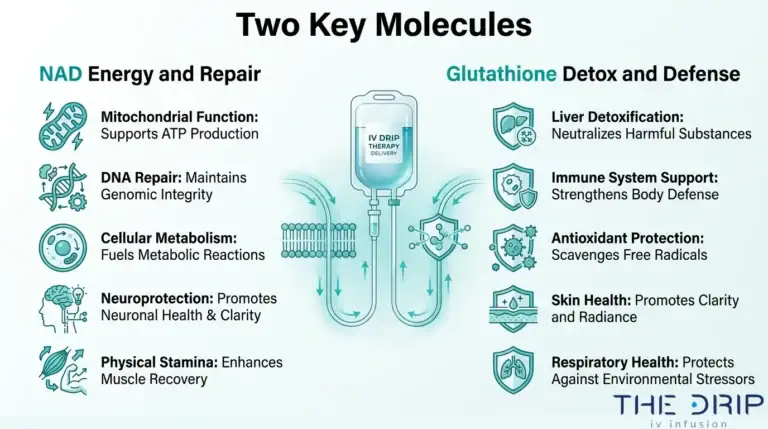
NAD+ IV therapy is an intravenous treatment that delivers nicotinamide adenine dinucleotide directly into the bloodstream. This coenzyme, found in all living cells, supports energy metabolism, DNA repair, and cellular function. By bypassing the digestive system, IV delivery offers higher bioavailability than oral supplements.
NAD+ IV therapy works by infusing pharmaceutical-grade NAD+ through a slow intravenous drip, allowing the coenzyme to circulate systemically without degradation from digestive enzymes. Sessions typically last between 2 to 6 hours depending on dosage, according to Alpha IV Therapy’s 2026 pricing guide. The slow administration rate is intentional; it minimizes side effects while maximizing cellular uptake. As a critical cofactor for sirtuins, CD38, and poly (ADP-ribose) polymerases, NAD+ influences metabolic pathways, the cellular redox state, and mechanisms governing cellular senescence. Natural NAD+ levels decline with age, which is one reason this therapy has gained popularity for wellness, anti-aging, and recovery applications.
Understanding how NAD+ IV therapy functions provides the foundation for determining appropriate session lengths across different treatment goals.
How Long Does a Single NAD+ IV Infusion Session Take?
A single NAD+ IV infusion session takes between 2 to 6 hours, depending on dosage and treatment goals. Session length varies by indication, from anti-aging to addiction recovery to athletic performance.
How Long Does a NAD+ IV Session Take for Anti-Aging Purposes?
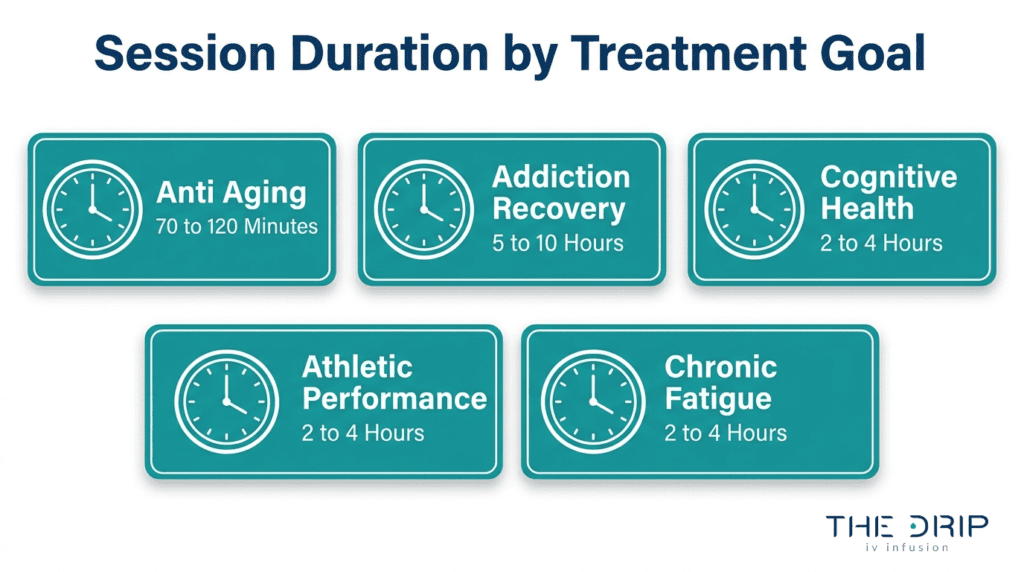
A NAD+ IV session for anti-aging purposes takes approximately 70 to 120 minutes. Doses for this indication typically range from 250mg to 1000mg, with slower drip rates ensuring comfort throughout the infusion. According to Alpha IV Therapy’s 2026 pricing guide, general wellness and anti-aging protocols at these dosages consistently fall within this 70 to 120-minute window.
For most people exploring NAD+ therapy for the first time, anti-aging sessions offer a manageable introduction since they require the shortest time commitment among clinical protocols.
How Long Does a NAD+ IV Session Take for Addiction Recovery?
A NAD+ IV session for addiction recovery takes 5 to 10 hours daily. The BR+ NAD protocol, one of the most documented addiction recovery approaches, requires these extended daily sessions over an 8 to 10-day consecutive period. Dosages range from 500mg to 1500mg daily, necessitating the slower infusion rate that extends treatment time significantly beyond wellness protocols.
How Long Does a NAD+ IV Session Take for Cognitive Enhancement?
A NAD+ IV session for cognitive enhancement typically takes 2 to 4 hours. Cognitive protocols generally use moderate dosages between 250mg and 750mg, placing session duration between the shorter anti-aging infusions and the longer addiction recovery treatments. Individuals experiencing age-related cognitive decline are often considered primary candidates for these protocols by wellness clinics.
How Long Does a NAD+ IV Session Take for Athletic Performance?
A NAD+ IV session for athletic performance takes approximately 2 to 4 hours. Athletic protocols use dosages of 500mg to 1000mg, administered 2 to 4 times weekly or specifically before and after athletic events. The moderate-to-high dosage range means these sessions sit in the middle tier for duration, balancing efficacy with practical scheduling for active individuals.
How Long Does a NAD+ IV Session Take for Chronic Fatigue?
A NAD+ IV session for chronic fatigue takes approximately 2 to 4 hours per infusion. Chronic fatigue protocols mirror general wellness dosing, typically starting at 250mg and increasing based on individual response. Wellness clinics often identify individuals experiencing chronic fatigue as primary candidates alongside those with age-related cognitive decline and substance use disorders.
Because session duration correlates directly with dosage, understanding why NAD+ infusions require slow administration helps set realistic expectations.
Why Are NAD+ IV Infusions Administered Slowly?
NAD+ IV infusions are administered slowly because rapid infusion causes uncomfortable side effects that compromise patient safety. The slow drip rate is a medical necessity, not a preference. According to a 2026 pricing and protocol guide from Alpha IV Therapy, rapid NAD+ infusion is known to cause nausea, chest tightness, and muscle cramping, making controlled drip rates essential for tolerability [3].
These rate-dependent reactions explain why sessions range from 2 to 6 hours depending on dosage. Higher doses require proportionally slower administration to keep discomfort manageable. For most patients, this means the infusion rate is adjusted in real time based on how they respond, with clinicians monitoring for early signs of adverse reactions throughout the session.
This tolerability requirement is particularly relevant for addiction recovery protocols, where daily doses of 500mg to 1500mg necessitate sessions lasting 5 to 10 hours. Even standard wellness doses of 250mg to 500mg require careful pacing over 70 to 120 minutes. Rushing the process does not save time; it creates complications that can halt the session entirely.
Understanding infusion speed sets realistic expectations for treatment scheduling and frequency planning.
How Often Should You Get NAD+ IV Treatments?
NAD+ IV treatment frequency depends on your specific wellness goal. General wellness, anti-aging, addiction recovery, neurodegenerative support, and athletic recovery each require distinct scheduling protocols.

How Often Should You Get NAD+ IV Therapy for General Wellness?
You should get NAD+ IV therapy for general wellness 1–2 times weekly during an initial 4–6 week loading phase, followed by monthly maintenance sessions at 250mg–500mg per dose. According to Alcheme Health, dosing protocols are not universally standardized and are generally tailored to individual goals.
It is worth noting that the FDA has not approved NAD+ IV therapy for general wellness, and has issued warnings regarding endotoxin contamination risks from compounding pharmacies. For most people pursuing preventive health optimization, the loading-then-maintenance model offers the most practical balance between therapeutic benefit and time commitment.
How Often Should You Get NAD+ IV Therapy for Anti-Aging?
You should get NAD+ IV therapy for anti-aging weekly or bi-weekly during an initial phase, then transition to monthly maintenance at 250mg–750mg. Natural NAD+ levels decline with age, impairing cellular function and contributing to age-related pathologies.
However, a 2026 systematic review guided by PRISMA guidelines found that while biological activity is evident, the clinical effectiveness of NAD+ therapies for anti-aging in humans remains inconclusive. This gap between theoretical biochemistry and proven outcomes means anti-aging protocols rely primarily on practitioner experience rather than definitive clinical trial data. Consistency matters more than aggressive dosing here.
How Often Should You Get NAD+ IV Therapy for Addiction Recovery?
You should get NAD+ IV therapy for addiction recovery daily for 8–10 consecutive days at 500mg–1500mg per session. This intensive protocol, sometimes called the BR+ NAD protocol, represents the most demanding NAD+ IV schedule. Sessions during addiction recovery often last 5–10 hours daily due to the high dosages involved. The concentrated timeframe aims to support neurological repair during the acute withdrawal and early recovery phase.
How Often Should You Get NAD+ IV Therapy for Neurodegenerative Support?
You should get NAD+ IV therapy for neurodegenerative support on a schedule similar to anti-aging protocols, typically weekly or bi-weekly during the initial phase with monthly maintenance thereafter. Because neurodegenerative conditions involve progressive cellular decline, consistent NAD+ replenishment supports mitochondrial function and DNA repair mechanisms over time. Individual protocols should be tailored based on symptom severity and response to treatment.
How Often Should You Get NAD+ IV Therapy for Athletic Recovery?
You should get NAD+ IV therapy for athletic recovery 2–4 times weekly, or specifically timed around pre- and post-athletic events, at 500mg–1000mg per session. This higher frequency reflects the increased metabolic demands athletes place on their bodies. Strategic timing around competition or intense training blocks tends to yield the most noticeable results compared to a fixed weekly schedule.
With frequency guidelines established for each goal, understanding the full treatment protocol structure helps you plan your sessions effectively.
What Does a Typical NAD+ IV Treatment Protocol Look Like?
A typical NAD+ IV treatment protocol involves pre-screening, a loading phase of concentrated sessions, and a maintenance phase of spaced appointments. Here is what each stage entails.
What Does an Initial NAD+ IV Loading Phase Involve?
An initial NAD+ IV loading phase involves a series of concentrated sessions designed to rapidly elevate cellular NAD+ levels. For general wellness, this typically means 1–2 infusions per week over a 4–6 week period. Before any infusion begins, reputable clinics mandate pre-screening protocols that include verifying medical history, reviewing current medications (especially for diabetes, cancer, or blood thinners), and conducting a consultation to establish informed consent.
The loading phase structure varies by goal:
- General wellness: 1–2 sessions weekly for 4–6 weeks at 250mg–500mg per infusion.
- Anti-aging: weekly or bi-weekly sessions during the initial buildup.
- Addiction recovery: daily consecutive sessions for 8–10 days at 500mg–1500mg.
This front-loaded approach saturates NAD+ stores so the body can sustain benefits during less frequent follow-up treatments.
What Does a NAD+ IV Maintenance Phase Look Like?
A NAD+ IV maintenance phase looks like periodic single sessions scheduled after the loading phase concludes. Most protocols transition patients to monthly infusions once cellular NAD+ levels have been elevated during the initial intensive period.
According to Alcheme Health’s clinical guidance, general wellness patients move from their 4–6 week loading schedule to once-monthly maintenance at 250mg–500mg per session. Athletic performance protocols may maintain a slightly higher frequency of 2–4 sessions monthly around training cycles, while anti-aging patients typically settle into monthly or bi-monthly visits.
The maintenance phase preserves elevated NAD+ levels without requiring the time commitment of daily or weekly appointments. For most people seeking sustained energy and cognitive clarity, consistent monthly sessions prove more practical than repeating intensive loading cycles.
With protocol structure established, understanding the right dosage for specific goals helps personalize your plan further.
What NAD+ IV Dosage Is Right for Your Goals?
The right NAD+ IV dosage depends on your specific health objective. Dosages range from 250mg for basic wellness to 1500mg for intensive addiction recovery protocols.

What NAD+ IV Dosage Is Recommended for Wellness Maintenance?
The NAD+ IV dosage recommended for wellness maintenance is 250mg to 500mg per session. This lower range supports cellular energy balance and general vitality without requiring extended infusion times. According to Alcheme Health, wellness protocols typically follow a loading phase of one to two sessions weekly for four to six weeks, then transition to monthly maintenance infusions [5]. For most people seeking sustained energy and overall well-being, starting at 250mg allows providers to assess tolerability before increasing the dose.
What NAD+ IV Dosage Is Recommended for Anti-Aging?
The NAD+ IV dosage recommended for anti-aging is 250mg to 750mg per session. Natural NAD+ levels decline with age, impairing cellular function and contributing to age-related pathologies. Higher doses within this range target DNA repair mechanisms and cellular senescence pathways more aggressively. Protocols typically begin weekly or bi-weekly, transitioning to monthly maintenance once initial levels are restored. Because anti-aging goals involve long-term cellular support rather than acute symptom relief, moderate dosing sustained over time tends to be more practical than occasional high-dose sessions.
What NAD+ IV Dosage Is Recommended for Neurological Recovery?
The NAD+ IV dosage recommended for neurological recovery is 500mg to 1000mg per session. Neurological applications require higher concentrations because NAD+ serves as a vital cofactor for enzymes involved in DNA repair and cellular energy metabolism within neural tissue. Sessions at this dosage range typically last two to four hours due to the slower drip rates needed for tolerability. According to research from the National Institutes of Health, NAD+ is essential for non-redox enzymes including sirtuins and PARPs, which directly influence neuronal health and repair capacity [1]. Individuals with cognitive decline often benefit from more frequent initial sessions before tapering.
What NAD+ IV Dosage Is Recommended for Addiction Detox Support?
The NAD+ IV dosage recommended for addiction detox support is 500mg to 1500mg daily. The BR+ NAD protocol, documented by NAD Research, requires daily consecutive sessions lasting five to ten hours each over an eight to ten-day period [4]. This intensive approach delivers the highest dosages used in NAD+ IV therapy, targeting neurotransmitter restoration and reducing withdrawal symptoms in individuals with substance use disorders such as opioid or alcohol dependence. The extended duration and elevated dosing make this the most demanding protocol, requiring close medical supervision throughout.
With dosage matched to your goals, understanding how long these effects last helps you plan ongoing treatment timing.
How Long Do the Effects of NAD+ IV Therapy Last?
The effects of NAD+ IV therapy last approximately 2 to 3 weeks for most recipients, though duration varies based on dosage, individual metabolism, and treatment goals. Factors such as age-related NAD+ decline, lifestyle habits, and overall health status influence how quickly the body depletes restored coenzyme levels. This is precisely why maintenance protocols exist; they replenish NAD+ before cellular stores drop below therapeutic thresholds. For individuals pursuing anti-aging or general wellness, monthly maintenance sessions help sustain benefits between treatments. Those undergoing intensive protocols for addiction recovery or neurological support may notice effects tapering sooner, necessitating closer session spacing during the initial phase. Most clients report peak benefits within the first 7 to 10 days post-infusion, with gradual decline thereafter. Consistent treatment scheduling, rather than sporadic single sessions, produces the most sustained outcomes over time.
What Factors Affect How Long and How Often You Need NAD+ IV Treatments?
The factors that affect how long and how often you need NAD+ IV treatments include age, overall health status, and specific wellness goals. Each factor influences dosage, session length, and scheduling frequency.
How Does Age Affect NAD+ IV Treatment Duration and Frequency?
Age affects NAD+ IV treatment duration and frequency because natural NAD+ levels decline progressively as the body ages. This decline impairs cellular function and contributes to various age-related pathologies. Older individuals typically require higher doses or more frequent sessions to replenish depleted coenzyme stores, while younger clients may achieve results with lower doses and less frequent scheduling. According to a 2026 systematic review guided by PRISMA guidelines published in ScienceDirect, the clinical effectiveness of NAD+ therapies for anti-aging in humans remains inconclusive, highlighting a gap between theoretical biochemistry and proven outcomes. For clients over 50, a more aggressive loading phase often proves beneficial before transitioning to maintenance.
How Does Overall Health Status Affect NAD+ IV Scheduling?
Overall health status affects NAD+ IV scheduling by determining both eligibility and optimal treatment intensity. Individuals with chronic fatigue, cognitive decline, or substance use disorders typically require more frequent sessions compared to generally healthy clients seeking preventive care. Conditions involving severe liver or kidney impairment, cardiovascular disease, or bleeding disorders may disqualify someone from treatment entirely. Current medications, particularly those for diabetes or blood thinners, also influence scheduling decisions. Reputable providers conduct pre-screening protocols, including medical history verification and consultation, before establishing any treatment plan. From a compliance perspective, compounding pharmacies supplying NAD+ must adhere to regulations requiring pharmaceutical-grade ingredients to prevent contamination.
How Do Your Wellness Goals Affect NAD+ IV Protocol Design?
Your wellness goals affect NAD+ IV protocol design by dictating dosage ranges, session frequency, and total treatment duration. Key protocol variations by goal include:
- General wellness requires 250mg to 500mg doses, scheduled one to two times weekly during a four-to-six-week loading phase, then monthly maintenance.
- Anti-aging protocols use 250mg to 750mg weekly or biweekly initially, transitioning to monthly sessions.
- Athletic performance demands 500mg to 1000mg administered two to four times weekly or around competitive events.
- Addiction recovery involves daily consecutive sessions for eight to ten days at 500mg to 1500mg.
Someone pursuing general vitality follows a fundamentally different schedule than a client in addiction recovery, making goal clarity essential before starting any protocol.
With these individual factors understood, knowing what to expect during your first session helps you prepare practically.
What Should You Expect During Your First NAD+ IV Session?
During your first NAD+ IV session, you should expect a pre-screening consultation, a slow intravenous infusion lasting 2 to 6 hours, and potential mild side effects that resolve when the drip rate is adjusted.
Reputable clinics mandate pre-screening protocols before treatment begins. These include verifying medical history, reviewing current medications (especially for diabetes, cancer, or blood thinners), and conducting a consultation to establish informed consent, as outlined by Nuceria Health’s candidate screening guidelines [11]. Once cleared, a nurse places a small IV catheter, typically in the forearm, and connects the NAD+ solution at a carefully controlled drip rate.
The infusion itself proceeds slowly by medical necessity. Rapid delivery of NAD+ causes uncomfortable reactions, including nausea, chest tightness, and muscle cramping. If any discomfort arises, the nurse simply reduces the flow rate until symptoms subside. Most first-time clients receiving wellness doses of 250mg to 500mg can expect sessions in the 70 to 120 minute range, though higher doses extend that timeframe considerably.
Staying hydrated beforehand and eating a light meal helps minimize side effects. Bringing a book, laptop, or headphones makes the longer session more comfortable, since you will be seated or reclined throughout. Many clients report feeling increased mental clarity and energy within hours of completing treatment, though individual responses vary.
For anyone considering this therapy, understanding that the first session is deliberately conservative sets realistic expectations and builds confidence for subsequent treatments.
Who Is a Good Candidate for NAD+ IV Therapy?
A good candidate for NAD+ IV therapy is someone experiencing age-related cognitive decline, chronic fatigue, substance use disorders, or seeking accelerated athletic recovery. Not everyone qualifies, however; certain health conditions make this therapy unsafe.
According to Nuceria Health, individuals with age-related cognitive decline, chronic fatigue, substance use disorders such as opioid or alcohol dependence, and high-performance athletes seeking accelerated recovery are often considered primary candidates by wellness clinics. Those who should avoid NAD+ IV therapy include:
- Pregnant or breastfeeding women
- Individuals with severe liver or kidney impairment
- Those with cardiovascular disease or bleeding disorders
- Individuals with active cancer, due to the theoretical risk that enhanced cellular energy metabolism could fuel tumor growth
Reputable clinics require pre-screening that includes reviewing medical history, current medications (especially for diabetes, cancer, or blood thinners), and conducting a consultation to establish informed consent. For anyone uncertain about eligibility, a medical evaluation before scheduling treatment remains the safest approach.
Understanding candidacy requirements helps determine whether NAD+ IV therapy aligns with your health profile.
What Are the Side Effects of NAD+ IV Infusions?
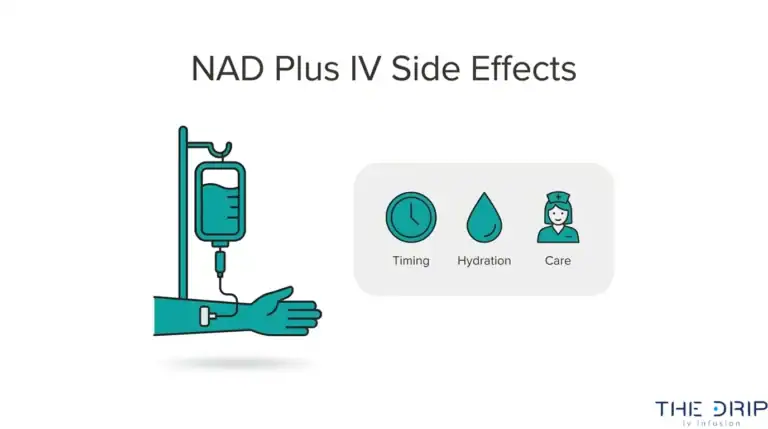
The side effects of NAD+ IV infusions are typically rate-dependent and include nausea, chest tightness, muscle cramping, vomiting, headaches, and dizziness. These reactions occur most often when the infusion rate is too fast, which is why slow drip rates are medically necessary.
According to Bolt Pharmacy’s safety guidance, these adverse effects are manageable when qualified professionals control the administration speed. Most discomfort resolves by simply reducing the drip rate during the session. The FDA has also issued warnings regarding endotoxin contamination risks when NAD+ is prepared by compounding pharmacies, making provider selection critical.
For most clients, side effects are temporary and mild rather than dangerous. Choosing a provider that uses pharmaceutical-grade NAD+ and maintains conservative infusion speeds significantly reduces the likelihood of adverse reactions.
Understanding potential side effects helps you prepare for what NAD+ IV sessions feel like in practice, especially when comparing clinic and at-home options.
How Does At-Home NAD+ IV Therapy Compare to Clinic-Based Sessions?
At-home NAD+ IV therapy eliminates travel and scheduling barriers that often disrupt multi-week protocols. The following sections explore how mobile delivery supports treatment consistency and summarize key duration and frequency takeaways.

Can Mobile NAD+ IV Therapy Help You Maintain a Consistent Treatment Schedule?
Yes, mobile NAD+ IV therapy can help you maintain a consistent treatment schedule by removing common logistical obstacles. NAD+ loading phases require one to two sessions weekly for four to six weeks, making clinic visits time-intensive. Since each infusion lasts two to six hours, receiving treatment at home allows clients to work or rest during the session rather than occupying a clinic chair.
Cost remains a factor in adherence. Sessions range from $200 to $1,500 depending on dosage and geographic location, and the FDA classifies NAD+ IV therapy as an investigational or elective regenerative treatment, so standard health insurance rarely provides coverage. Many providers offer monthly memberships between $200 and $400 to reduce per-session costs and encourage regular scheduling.
For clients managing protocols that span weeks, at-home delivery simplifies commitment. Fewer missed appointments mean more consistent NAD+ replenishment, which matters because this coenzyme supports metabolic pathways, DNA repair mechanisms, and cellular senescence regulation.
What Are the Key Takeaways About NAD+ IV Treatment Duration and Frequency?
The key takeaways about NAD+ IV treatment duration and frequency are:
- NAD+ IV sessions last 2 to 6 hours on average, with wellness doses completing faster than addiction recovery protocols.
- Loading phases typically require 1 to 2 sessions per week for 4 to 6 weeks before transitioning to monthly maintenance.
- Slow infusion rates are medically necessary because rapid delivery causes nausea, chest tightness, and muscle cramping.
- Dosages range from 250mg for general wellness up to 1,500mg daily for addiction detox support.
- Protocols are individualized based on health goals, age, and baseline NAD+ status.
- At-home sessions offer the same infusion quality while supporting better adherence to multi-week schedules.
Consistent scheduling paired with proper dosing gives NAD+ IV therapy its best chance of delivering meaningful cellular support over time. The Drip IV Infusion brings NAD+ treatments directly to clients, making it easier to complete full protocols without disruption.