NAD+ is a coenzyme that powers cellular energy production and DNA repair, while glutathione is a tripeptide antioxidant that neutralizes toxins and defends against oxidative damage. Both decline with age, and IV infusion delivers each compound directly into the bloodstream, bypassing the poor gastrointestinal absorption that limits oral supplements.
We cover the biology behind each molecule, who benefits most from each infusion, how to choose between them for specific goals, what to expect during treatment, and how mobile IV therapy brings these services to you.
NAD+ functions as a cofactor for sirtuins, PARPs, and CD38, enzymes that regulate everything from chromatin remodeling to immune signaling. When NAD+ levels drop (most significantly in the 40 to 49 age group), cellular repair slows and fatigue, brain fog, and metabolic changes follow. NAD+ infusions target these energy and repair deficits directly.
Glutathione earns its reputation as the master antioxidant by scavenging free radicals, recycling vitamins C and E, and conjugating heavy metals and xenobiotic compounds for liver elimination. Depletion from aging, alcohol use, pollution exposure, and chronic illness leaves cells vulnerable to oxidative damage linked to conditions ranging from cardiovascular disease to immune suppression.
Choosing between the two depends on your primary goal. NAD+ is the stronger match for chronic fatigue, cognitive decline, anti-aging strategies, and addiction recovery support. Glutathione aligns better with detoxification, immune resilience, liver recovery, and skin health. Current evidence shows glutathione suppresses exercise-induced lactate and fatigue markers, while NAD+ therapeutics have not yet demonstrated athletic performance benefits in humans.
Both infusions can be administered in a single session, and The Drip IV Infusion delivers each treatment through mobile service with clinical-grade safety protocols.
What Is NAD and Why Does Your Body Need It?
NAD+ is a coenzyme found in every living cell that drives energy production, DNA repair, and cellular signaling. The subsections below explain how NAD+ functions inside cells and what happens when levels drop with age.
How Does NAD Function at the Cellular Level?
NAD+ functions at the cellular level as a coenzyme for redox reactions, making it central to energy metabolism. Inside the mitochondria, NAD+ accepts and donates electrons during the conversion of nutrients into adenosine triphosphate (ATP), the cell’s primary energy currency.
Beyond energy production, NAD+ serves as an essential cofactor for non-redox enzymes, including sirtuins, CD38, and poly(ADP-ribose) polymerases. These enzymes regulate metabolic pathways, DNA repair, chromatin remodeling, cellular senescence, and immune cell function. Without adequate NAD+, these critical repair and signaling processes slow considerably. For anyone evaluating IV infusions, understanding this foundational role clarifies why NAD+ depletion affects so many body systems simultaneously.

What Happens When Your NAD Levels Decline With Age?
NAD+ levels decline with age, gradually reducing the body’s capacity for cellular energy production and repair. This decline is most pronounced during midlife. A community-based study of 1,518 adults published in PubMed found that average whole blood NAD+ measured 33.0 ± 5.5 μmol/L, with a significant decline trend in the 40 to 49 age group, though the trend disappeared after age 50.
Lower NAD+ availability means fewer resources for sirtuin activation, DNA repair, and mitochondrial function. Common experiences associated with this drop include:
- Reduced physical stamina and slower recovery
- Increased brain fog and difficulty concentrating
- Greater susceptibility to age-related metabolic changes
Understanding this age-related decline helps explain why NAD+ infusions have gained attention as a targeted approach to replenishing cellular stores directly through the bloodstream.

What Is Glutathione and Why Is It Called the Master Antioxidant?
Glutathione is a tripeptide molecule produced in every cell, and it is called the master antioxidant because it neutralizes free radicals, recycles other antioxidants, and supports detoxification at a scale no other antioxidant matches. The sections below cover how glutathione protects cells and what depletes it.
How Does Glutathione Protect Your Cells From Oxidative Stress?
Glutathione protects your cells from oxidative stress by directly neutralizing reactive oxygen species, regenerating other antioxidants like vitamins C and E, and conjugating toxic compounds for elimination. According to a review published in Molecular Aspects of Medicine, GSH plays critical roles in protecting cells from oxidative damage and the toxicity of xenobiotic electrophiles while maintaining redox homeostasis.
When glutathione levels are sufficient, this defense system keeps free radical damage in check. Left unchecked, oxidative stress has been linked to the onset or progression of conditions such as cancer, diabetes, metabolic disorders, atherosclerosis, and cardiovascular diseases. Oral glutathione supplementation struggles to address this problem effectively; a human oral-dose study found that plasma glutathione did not increase significantly during the 270 minutes after ingestion, which is one reason IV delivery has gained attention.
What Causes Glutathione Depletion in the Body?
The causes of glutathione depletion in the body include aging, chronic illness, environmental toxin exposure, poor nutrition, and sustained psychological stress. As the body ages, natural GSH synthesis slows, reducing the available antioxidant pool. Chronic infections, autoimmune conditions, and liver disease accelerate consumption of glutathione faster than cells can replenish it.
Lifestyle factors compound the problem. Key contributors to glutathione depletion include:
- Excessive alcohol consumption, which burdens liver detoxification pathways.
- Exposure to heavy metals, pesticides, and air pollution.
- Diets low in sulfur-rich amino acids like cysteine, glycine, and glutamic acid.
- Chronic sleep deprivation and high cortisol from prolonged stress.
- Certain medications, including acetaminophen at high doses.
For anyone already running a glutathione deficit, these compounding factors make it increasingly difficult for the body to keep pace with oxidative demand. Understanding what drives depletion helps clarify when a glutathione infusion may offer the most value compared to other interventions like NAD+.
How Do NAD and Glutathione Differ in What They Do?
NAD+ and glutathione differ primarily in their core cellular roles: NAD+ drives energy production and DNA repair, while glutathione neutralizes toxins and defends against oxidative damage. The sections below break down each molecule’s distinct functions and where they overlap.
How Does NAD Support Energy and Cellular Repair?
NAD+ supports energy and cellular repair by serving as a coenzyme for redox reactions and as a cofactor for enzymes that maintain genomic integrity. According to a review in Nature Reviews Molecular Cell Biology, NAD+ is central to energy metabolism and also an essential cofactor for non-redox NAD+-dependent enzymes, including sirtuins, CD38, and poly(ADP-ribose) polymerases (PARPs). These enzymes regulate critical processes:
- Sirtuins control chromatin remodeling and cellular senescence.
- PARPs detect and initiate DNA repair after strand breaks.
- CD38 modulates immune cell function and calcium signaling.
Without adequate NAD+, these repair and energy pathways slow simultaneously. This makes NAD+ unique among coenzymes because it bridges metabolic fuel production and the structural maintenance of your DNA in a single molecule.
How Does Glutathione Support Detoxification and Immunity?
Glutathione supports detoxification and immunity by neutralizing reactive oxygen species and conjugating harmful compounds for elimination. As the body’s most abundant intracellular antioxidant, reduced glutathione (GSH) directly scavenges free radicals and recycles other antioxidants like vitamins C and E.
In detoxification, glutathione binds to xenobiotic electrophiles, heavy metals, and metabolic waste products through enzymatic conjugation in the liver. This process converts fat-soluble toxins into water-soluble compounds the body can excrete. For immune function, adequate GSH levels help lymphocytes proliferate and natural killer cells maintain their cytotoxic activity. Depleted glutathione leaves immune cells vulnerable to the very oxidative bursts they generate when fighting pathogens. For anyone prioritizing toxic load reduction or immune resilience, glutathione addresses a fundamentally different cellular need than NAD+.
Where Do NAD and Glutathione Overlap in Function?
NAD+ and glutathione overlap in function through their shared involvement in redox balance and cellular protection against oxidative stress. Both molecules participate in maintaining redox homeostasis, though they do so through different mechanisms. NAD+ fuels redox reactions as a coenzyme, shuttling electrons during metabolic processes, while glutathione directly neutralizes the damaging byproducts those reactions can generate.
Their overlap includes:
- Both decline with age, compounding oxidative vulnerability.
- Both influence cellular senescence and immune cell function.
- Both require adequate levels for mitochondria to function properly.
Practically speaking, NAD+ generates the energy your cells need to function, and glutathione cleans up the oxidative damage that energy production creates. They operate as complementary halves of the same protective system rather than redundant molecules. Understanding where each molecule’s distinct strengths lie can help clarify which infusion aligns with your specific wellness goals.
Who Should Choose an NAD Infusion?
An NAD infusion is best suited for individuals experiencing cellular energy decline, cognitive changes, or seeking recovery support. The following sections cover chronic fatigue, brain fog, addiction recovery, and anti-aging goals.
Can NAD Infusions Help With Chronic Fatigue and Low Energy?
NAD infusions can help with chronic fatigue and low energy by replenishing the coenzyme central to cellular energy metabolism. Because NAD+ fuels mitochondrial ATP production, declining levels may directly contribute to persistent exhaustion.
A systematic review published in the American Journal of Physiology-Endocrinology and Metabolism, covering 10 randomized clinical trials with 489 participants, examined NAD+ precursor supplementation across conditions including chronic fatigue syndrome, older adults, and Parkinson’s disease. The review concluded that further investigations are needed to establish disease-specific benefits and optimal doses.
For individuals whose fatigue stems from metabolic inefficiency rather than oxidative burden, NAD+ addresses the root energy pathway more directly than antioxidant-focused alternatives.
Do NAD Infusions Support Cognitive Decline and Brain Fog?
NAD infusions support cognitive decline and brain fog by targeting the enzymatic processes that maintain neuronal health. NAD+ serves as a cofactor for sirtuins and poly(ADP-ribose) polymerases, both of which regulate DNA repair and chromatin remodeling in brain cells. When NAD+ levels drop, these protective mechanisms slow, which can manifest as difficulty concentrating, memory lapses, and mental cloudiness.
By delivering NAD+ intravenously, the coenzyme bypasses gastrointestinal absorption barriers and reaches neural tissue more efficiently. Although large-scale clinical trials specific to brain fog are still limited, the biochemical rationale is well established. For anyone noticing age-related cognitive shifts, NAD+ infusions represent one of the more targeted interventions available.
Are NAD Infusions Effective for Addiction Recovery Support?
NAD infusions are considered a promising adjunct for addiction recovery support, though clinical evidence remains early-stage. A review published in Antioxidants (MDPI) found that NAD+ can influence the neurobiology of addiction and may offer benefits as an anti-addiction intervention, while noting that clinical studies remain limited.
NAD+ supports neurotransmitter balance and cellular repair in brain regions damaged by substance use. Replenishing depleted NAD+ levels may help reduce cravings and restore neurological function during withdrawal. However, NAD+ infusions should complement, not replace, comprehensive addiction treatment programs that include behavioral therapy and medical supervision.
Can NAD Infusions Benefit Anti-Aging and Longevity Goals?
NAD infusions can benefit anti-aging and longevity goals by activating sirtuins, the enzymes that regulate cellular senescence, DNA repair, and inflammatory responses. As NAD+ levels naturally decline with age, these protective pathways become less effective, accelerating visible and systemic aging.
Restoring NAD+ through IV delivery supports chromatin remodeling and immune cell function, both of which deteriorate over time. The appeal for longevity-focused individuals lies in addressing aging at a cellular level rather than treating surface symptoms alone. While definitive human longevity trials are ongoing, the mechanistic evidence connecting NAD+ to healthspan extension makes it one of the most compelling options for proactive aging strategies.
Understanding who benefits most from NAD+ sets the stage for exploring when glutathione is the better choice.
Who Should Choose a Glutathione Infusion?
A glutathione infusion is best suited for individuals dealing with toxic overload, weakened immunity, skin concerns, or liver stress. The following subsections cover each of these candidate profiles in detail.

Can Glutathione Infusions Help With Toxic Overload?
Yes, glutathione infusions can help with toxic overload. Glutathione, often called GSH, is the body’s primary molecule for neutralizing xenobiotic electrophiles and environmental toxins. When toxic burden exceeds what the body can process naturally, glutathione stores become depleted. IV delivery bypasses the gastrointestinal tract, where oral glutathione absorption is notably poor, and provides the antioxidant directly to the bloodstream for immediate use.
Individuals regularly exposed to pollutants, heavy metals, or alcohol may benefit most from this approach. For anyone whose lifestyle or environment places consistent strain on detoxification pathways, a glutathione infusion offers a more direct replenishment strategy than oral supplementation alone.
Do Glutathione Infusions Support Immune System Weakness?
Yes, glutathione infusions support immune system weakness. GSH plays a central role in maintaining redox homeostasis, which directly influences how effectively immune cells function. When glutathione levels drop, oxidative stress accumulates and can compromise the body’s immune response.
Frequent travelers, individuals recovering from illness, and those with chronically suppressed immunity are strong candidates. Because IV administration delivers glutathione at higher plasma concentrations than oral routes can achieve, it provides a more reliable boost when the immune system is under strain. For people who find themselves getting sick repeatedly or recovering slowly, this infusion is worth discussing with a qualified health professional.
Are Glutathione Infusions Useful for Skin Health and Glow?
Yes, glutathione infusions are useful for skin health and glow. Glutathione’s antioxidant properties help reduce oxidative damage to skin cells, which contributes to a brighter, more even complexion over time. Many people seek glutathione specifically for its skin-brightening reputation.
According to a study published in the Journal of Korean Medical Science, seven healthy volunteers receiving intravenous glutathione at 50 mg/kg over 10 minutes experienced no side effects, with the infusion showing a half-life of approximately 10 minutes. This rapid metabolism means consistent sessions are typically needed to maintain visible results. While demand for IV glutathione in skin care is high, anyone considering it should prioritize working with a licensed provider who follows proper protocols.
Can Glutathione Infusions Aid Liver Function and Recovery?
Yes, glutathione infusions can aid liver function and recovery. The liver is the body’s primary detoxification organ, and it relies heavily on glutathione to conjugate and eliminate harmful compounds. When liver function is compromised by alcohol use, medication burden, or fatty liver conditions, GSH reserves are often significantly depleted.
Replenishing glutathione through IV infusion supports the liver’s Phase II detoxification pathways more effectively than oral supplementation, given glutathione’s poor gastrointestinal absorption. This makes the infusion particularly relevant for individuals in post-illness recovery or those managing ongoing liver stress. Proper assessment by a healthcare provider remains essential before starting any IV protocol for liver support.
With candidate profiles established, the next step is understanding whether combining NAD+ and glutathione in one session is an option.
Can You Get NAD and Glutathione Together in One Session?
Yes, you can get NAD+ and glutathione together in one session. Many IV therapy providers offer combination protocols that include both compounds during a single appointment, typically administered sequentially rather than mixed in the same IV bag. However, no published human clinical trial has documented simultaneous NAD+ and glutathione IV administration or established a synergistic benefit from the combination, according to a review of eligible study records on ClinicalTrials.gov. The practice is based on the complementary mechanisms of each molecule: NAD+ supports cellular energy and repair while glutathione targets detoxification and antioxidant defense. Because these pathways are distinct yet interconnected, combining both infusions in one visit allows clients to address multiple wellness goals without scheduling separate sessions. For anyone considering this approach, discussing individual health needs with a qualified provider beforehand remains essential to ensure safe, appropriate dosing.
Why Is IV Infusion More Effective Than Oral Supplements?
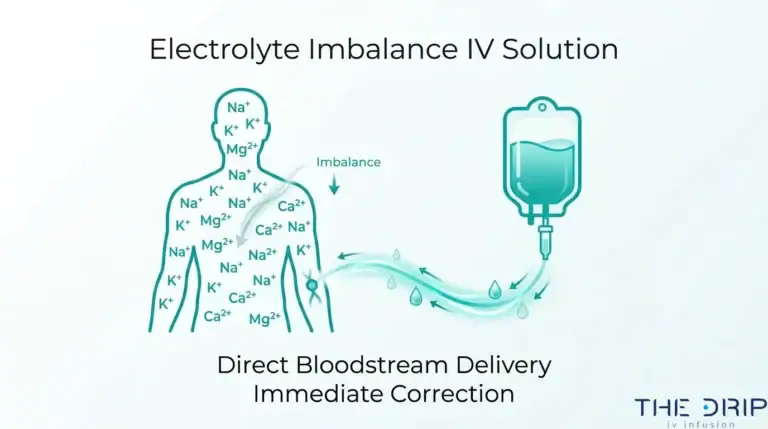
IV infusion is more effective than oral supplements because it bypasses the gastrointestinal tract, delivering nutrients directly into the bloodstream at near 100% bioavailability. This matters especially for compounds like NAD+ and glutathione, where oral absorption is limited or negligible. The growing accessibility of home infusion services has made this delivery method increasingly practical.
Both NAD+ and glutathione face significant absorption barriers when taken orally. Glutathione is particularly affected; a human oral-dose study published in Europe PMC found that plasma glutathione, cysteine, and glutamate “did not increase significantly” during 270 minutes after oral administration, concluding that systemic availability was negligible. While oral NAD+ precursors like nicotinamide riboside can raise blood NAD+ levels, the direct form (NADH) breaks down in digestive organs before reaching circulation effectively.
IV delivery solves these absorption problems by placing the full dose directly into the bloodstream:
- Glutathione reaches plasma concentrations immediately, rather than being degraded by intestinal enzymes and first-pass liver metabolism.
- NAD+ enters circulation at controlled rates, allowing the body to utilize the coenzyme for cellular processes without digestive losses.
- Hydration and supporting nutrients included in IV formulations enhance the therapeutic environment for both compounds.
According to a 2022 report in Open Forum Infectious Diseases, home infusion therapy has become a $19 billion industry serving more than 3.2 million patients annually, reflecting how mainstream IV delivery has become beyond hospital settings.
For anyone comparing NAD+ or glutathione supplementation strategies, this bioavailability gap is the single most important factor. Oral supplements still have a role in long-term maintenance, but when the goal is rapid, measurable impact, IV infusion delivers what capsules simply cannot. Understanding the delivery advantage helps set realistic expectations for what happens during an actual infusion session.

What Should You Expect During an NAD or Glutathione Infusion?
You should expect differences in session length and side effect profiles depending on which infusion you receive. The sections below cover typical duration for each treatment and the potential reactions to prepare for.
How Long Does Each Infusion Session Typically Take?
Each infusion session typically takes between 30 minutes and two hours, depending on the substance. NAD+ IV infusions require a slower drip rate; a 2026 real-world study published in Frontiers in Aging reported an average infusion time of 97 minutes for NAD+ IV. Glutathione infusions move considerably faster because of the molecule’s shorter administration window, often finishing within 30 to 45 minutes. The slower pace of NAD+ infusions is intentional. Rushing the drip rate tends to intensify discomfort, so providers adjust speed based on individual tolerance. Most clients can relax, read, or work during either session.
What Side Effects Might You Experience With Each Infusion?
The side effects you might experience with each infusion differ in type and intensity.
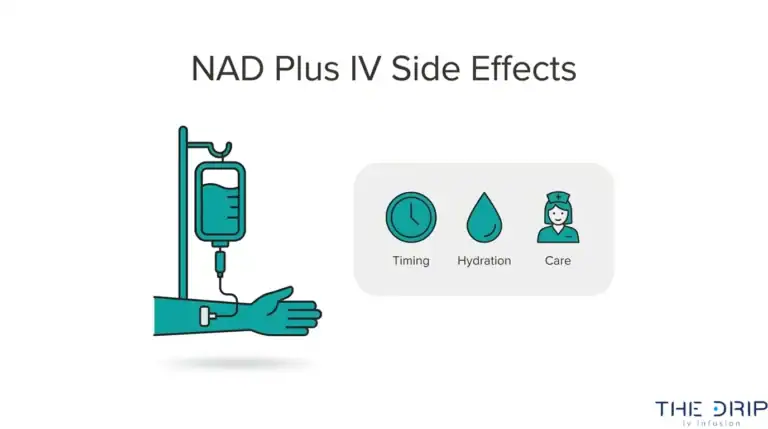
NAD+ infusion side effects commonly include:
- Moderate to severe gastrointestinal symptoms such as nausea and cramping
- Increased heart rate during the drip
- Chest pressure that typically resolves after the session
- Lightheadedness or flushing
Glutathione infusion side effects are generally milder, though not absent. In a 2019 adverse event report, the FDA documented seven patients at an outpatient clinic who experienced nausea, vomiting, lightheadedness, chills, body aches, and sneezing within minutes of receiving IV L-glutathione; one patient developed low blood pressure and difficulty breathing requiring hospital transfer.
Proper aseptic technique and single-patient-use administration sets, as recommended by the CDC’s Safe Injection Practices guidelines, significantly reduce infection risk with either infusion. For most clients, NAD+ side effects are more noticeable during the session itself, while glutathione reactions, when they occur, tend to appear rapidly. Choosing a qualified provider who monitors vitals and adjusts drip rates makes a meaningful difference in comfort and safety.
Understanding these session details helps you prepare; the next step is matching the right infusion to your specific health goals.
How Do You Decide Which Infusion Is Right for Your Goals?
You decide which infusion is right for your goals by matching your primary health objective to each molecule’s core function. NAD+ supports cellular energy and repair, while glutathione targets antioxidant defense and detoxification. The following comparisons cover athletic recovery, immune support, mental clarity, and detox.
Should You Choose NAD or Glutathione for Athletic Recovery?
You should choose glutathione for athletic recovery when your primary concern is exercise-induced oxidative stress and fatigue. According to a double-blind, crossover study published in the Journal of the International Society of Sports Nutrition, oral glutathione at 1 g/day for two weeks suppressed blood lactate elevation and significantly decreased fatigue-related psychological factors compared with placebo.
NAD+ supports cellular energy metabolism through its role as a redox coenzyme, which makes it appealing in theory for performance. However, a review in Sports Medicine concluded that current evidence suggests NAD+-targeted therapeutics do not improve training adaptation or athletic performance in humans. For most active individuals focused on post-workout recovery, glutathione’s demonstrated effect on lactate and fatigue markers makes it the more evidence-supported starting point.
Should You Choose NAD or Glutathione for Immune Support?
You should choose based on which immune pathway you want to prioritize. NAD+ influences immune cell function directly; as a cofactor for sirtuins and CD38, it modulates inflammatory responses and cellular senescence. Glutathione protects immune cells from oxidative damage, preserving their ability to respond to pathogens effectively.
When immune weakness stems from chronic oxidative stress or toxic burden, glutathione’s role in neutralizing reactive oxygen species tends to offer more targeted support. When immune concerns relate to age-related cellular decline, NAD+ replenishment addresses the underlying metabolic slowdown that weakens immune signaling. Neither molecule replaces the other here; they operate through distinct mechanisms. The right choice depends on whether your immune concern is driven more by oxidative load or by declining cellular energy.
Should You Choose NAD or Glutathione for Mental Clarity?
You should choose NAD+ for mental clarity when brain fog relates to cellular energy deficits and cognitive decline. NAD+ is central to energy metabolism in neurons, and it activates sirtuins involved in DNA repair and chromatin remodeling within brain cells. A systematic review in the American Journal of Physiology-Endocrinology and Metabolism examined NAD+ precursor supplementation across conditions including Alzheimer’s disease and chronic fatigue syndrome, though it noted further investigation is needed to establish disease-specific benefits.
Glutathione contributes to mental clarity indirectly by reducing neuronal oxidative stress, which can impair focus and processing speed. For persistent brain fog linked to fatigue or age-related cognitive changes, NAD+ addresses the metabolic root more directly. Glutathione may complement this by protecting neurons from free radical damage, but it is not primarily a cognitive-performance molecule.
Should You Choose NAD or Glutathione for Detox and Cleansing?
You should choose glutathione for detox and cleansing. Glutathione is the body’s primary detoxification agent, conjugating with xenobiotic electrophiles and heavy metals for safe elimination through the liver. This function makes it the more direct choice when the goal is reducing toxic burden.
NAD+ supports detoxification indirectly by fueling the metabolic pathways that liver cells depend on to process toxins. Without adequate cellular energy, detox pathways slow down regardless of antioxidant availability. For individuals whose detox concerns center on environmental exposure, alcohol recovery, or general cleansing, glutathione delivers the most targeted mechanism. Pairing it with NAD+ can address both the energy and antioxidant sides of liver function, though no eligible human study has yet documented clinical synergistic benefit from simultaneous IV administration.
With your goal identified, understanding how mobile IV therapy delivers these infusions adds another layer of convenience.
How Can Mobile IV Therapy Make NAD and Glutathione Accessible?
Mobile IV therapy can make NAD+ and glutathione accessible by delivering these infusions directly to a client’s home or workplace, eliminating the need for clinic visits. The following sections cover how The Drip IV Infusion provides these services and the essential takeaways for choosing between infusions.
Can The Drip IV Infusion Deliver NAD and Glutathione to You?
Yes, The Drip IV Infusion can deliver both NAD+ and glutathione to you. As a mobile IV therapy service operating across Arizona, The Drip IV Infusion sends experienced infusion specialists directly to homes and workplaces. NAD+ is offered as a specialty treatment targeting inflammation reduction, mental restoration, and anti-aging support, while glutathione is available as a customizable add-on to any IV cocktail.
Safety remains central to every mobile session. According to an NIH patient-safety chapter hosted by the Agency for Healthcare Research and Quality, IV infusion errors “have been identified as having the greatest potential for patient harm,” underscoring the importance of trained professionals, proper protocols, and continuous monitoring. The Drip IV Infusion was founded by professionals with decades of nursing and emergency medicine experience, and every session follows strict aseptic technique to maintain clinical-grade safety outside a traditional facility.

What Are the Key Takeaways About NAD vs Glutathione Infusions?
The key takeaways about NAD+ vs glutathione infusions center on matching each molecule’s primary function to your personal health goals.
- NAD+ supports cellular energy production, DNA repair, and cognitive function, making it a strong option for fatigue, brain fog, aging concerns, and addiction recovery support.
- Glutathione serves as the body’s master antioxidant, protecting cells from oxidative damage and supporting detoxification, liver function, and immune resilience.
- IV delivery bypasses the gastrointestinal tract, which is particularly relevant for glutathione since oral absorption is poor.
- Both infusions carry potential side effects that trained professionals should monitor throughout the session.
- No published human study has established a clinical synergistic benefit from combining NAD+ and glutathione in a single IV session, so each should be evaluated on its own merits.
Consulting with a qualified healthcare provider before booking either infusion ensures the choice aligns with your individual health profile. The Drip IV Infusion offers both NAD+ treatments and glutathione add-ons through convenient mobile service across Arizona.