Hangover prevention is a three-phase process that starts before your first drink, continues while you’re drinking, and extends into recovery afterward. No single remedy eliminates hangovers entirely; the most effective approach layers smart preparation, disciplined habits, and targeted recovery.
This guide covers pre-drinking preparation, strategies to use while drinking, post-drinking recovery, common hangover myths, warning signs that require medical attention, and the role of IV hydration therapy.
Preparing before you drink centers on eating a balanced meal rich in protein, healthy fats, and complex carbohydrates to slow alcohol absorption. Pre-hydrating with water, considering targeted supplements like B vitamins and NAC, and getting quality sleep all give your body a stronger foundation for processing alcohol.
What you do while drinking matters equally. Pacing intake to one drink per hour, choosing lighter-colored spirits with fewer congeners, alternating every alcoholic beverage with water, and continuing to eat throughout the evening keep blood alcohol concentration from climbing too steeply.
After drinking, recovery focuses on rehydration, light nutrition, gentle remedies, and extended sleep. Cold showers, coffee, and most popular “cures” do not accelerate alcohol elimination; time and rest remain the only reliable factors.
Separating fact from fiction prevents costly mistakes. Several widely believed remedies lack scientific support, and some (like acetaminophen after heavy drinking or excessive fat-soluble vitamins) can actively cause harm.
Recognizing the difference between a typical hangover and alcohol poisoning is critical, since poisoning requires emergency medical intervention. For those seeking faster fluid replenishment, IV hydration therapy offers one supportive option, though it addresses dehydration specifically rather than all hangover symptoms.
What should you do before drinking to help prevent a hangover?
Before drinking, you should eat a full meal, hydrate with water, consider targeted supplements, and prioritize rest. These pre-drinking strategies slow alcohol absorption and prepare your body to process alcohol more efficiently.

Which foods and nutrients are best to eat before drinking alcohol?
The best foods and nutrients to eat before drinking alcohol are those rich in protein, healthy fats, and complex carbohydrates. A full stomach slows the absorption of alcohol into the bloodstream, while drinking on an empty stomach causes blood alcohol concentration (BAC) to rise more rapidly since there is no food to assist in absorption, according to the Washington State Liquor and Cannabis Board.
Effective pre-drinking food choices include:
- Eggs or lean meats, which provide protein that delays gastric emptying.
- Avocado or nuts, which supply healthy fats that line the stomach.
- Whole grains or sweet potatoes, which offer slow-digesting carbohydrates.
No amount of food eliminates hangover risk entirely, but eating a balanced meal one to two hours before your first drink is one of the most practical steps you can take.
How much water should you drink before starting to consume alcohol?
You should drink at least 16 to 20 ounces of water before starting to consume alcohol. Pre-hydrating creates a fluid buffer because alcohol acts as a diuretic, accelerating fluid loss through increased urination.
Alcohol poisoning can happen when you drink alcohol quicker than your body can process it, potentially requiring hospital treatment, as noted by the NHS. Starting well-hydrated gives your kidneys a better baseline to manage that fluid shift. Carbonated alcoholic drinks increase the rate of alcohol absorption because pressure inside the stomach and small intestine forces alcohol into the bloodstream more quickly. Choosing still water over sparkling beverages before and between drinks helps avoid compounding this effect. MedlinePlus recommends limiting intake to no more than one alcoholic drink per hour and sipping water, soda, or juice in between.
Are there supplements or vitamins you can take beforehand to reduce hangover risk?
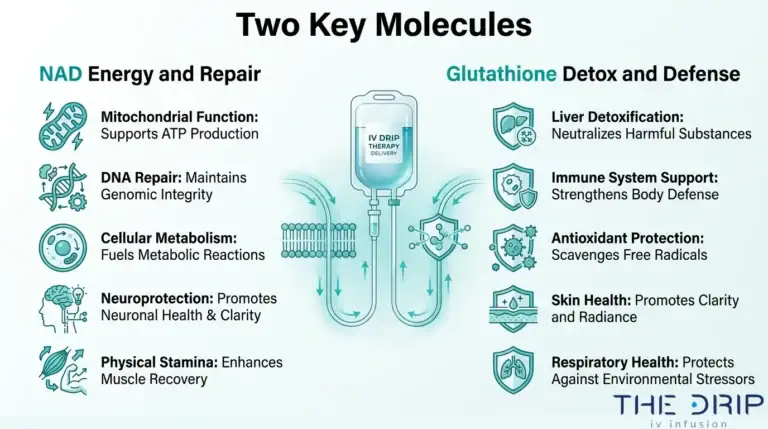
There are supplements and vitamins some people take beforehand to reduce hangover risk, such as B-complex vitamins, vitamin C, N-acetyl cysteine (NAC), and magnesium. These nutrients support liver enzyme function and antioxidant defenses that alcohol depletes. B vitamins, in particular, play a role in metabolizing ethanol, while NAC helps replenish glutathione, a key antioxidant involved in processing acetaldehyde.
That said, no supplement is a guaranteed hangover preventive. Supplements work best as one layer within a broader strategy that includes food, water, and moderation. If you have existing health conditions, consulting a healthcare provider before adding new supplements is always wise.
What role does sleep and overall health play in hangover prevention?
Sleep and overall health play a significant role in hangover prevention because a well-rested body metabolizes alcohol more efficiently. Sleep deprivation impairs immune function and disrupts the body’s inflammatory response, both of which compound typical hangover symptoms such as headache, fatigue, and nausea.
Prioritizing seven to nine hours of quality sleep the night before drinking gives your liver, kidneys, and nervous system a stronger foundation. Chronic stress, poor nutrition, and underlying health issues further reduce your body’s resilience to alcohol’s effects. Approaching a night of drinking in a rested, well-nourished state does not make you immune to hangovers, but it meaningfully narrows the margin of severity.
With these pre-drinking foundations in place, what you do while drinking matters just as much.
What steps can you take while drinking to minimize hangover symptoms?
The steps you can take while drinking to minimize hangover symptoms include pacing your intake, choosing lower-congener drinks, alternating with water, and eating food throughout the evening.

How does pacing your alcohol consumption help prevent hangovers?
Pacing your alcohol consumption helps prevent hangovers by giving your body time to metabolize each drink before the next one arrives. According to a 2010 review published in Forensic Science International, the physiological range of ethanol elimination from blood is 10 to 35 mg/100mL/h, which means the body can only process a limited amount per hour.
MedlinePlus recommends having no more than one alcoholic drink per hour and sipping water, soda, or juice between drinks. Slower consumption keeps blood alcohol concentration lower throughout the night, reducing the cumulative toxic burden your body must clear. Rushing drinks faster than your liver can process them is one of the most reliable ways to guarantee a rough morning.
What types of alcohol are less likely to cause a severe hangover?
The types of alcohol less likely to cause a severe hangover are lighter-colored spirits, such as vodka, gin, and light rum. These contain fewer congeners, the fermentation byproducts that contribute to hangover severity. Darker drinks like bourbon, red wine, and brandy carry higher congener concentrations, including methanol and tannins, which intensify headaches and nausea.
Carbonated alcoholic drinks also deserve caution. According to the California Department of Alcoholic Beverage Control, carbonation increases the rate of alcohol absorption because pressure inside the stomach and small intestine forces alcohol into the bloodstream more quickly. Choosing still, lighter-colored beverages and avoiding sugary mixers is a practical strategy for reducing next-day symptoms.
Can alternating alcoholic drinks with water or non-alcoholic beverages help?
Yes, you can reduce hangover risk by alternating alcoholic drinks with water or non-alcoholic beverages. Alcohol acts as a diuretic, increasing urine output and accelerating fluid loss. Inserting a glass of water between each alcoholic drink slows your overall consumption rate and helps offset dehydration.
This approach also naturally extends the time between alcoholic servings, keeping your blood alcohol concentration from climbing too steeply. Even sparkling water or juice works. The key is volume replacement: matching each alcoholic drink with a non-alcoholic one keeps total fluid intake closer to equilibrium. For most people, this simple habit is more effective than any supplement or remedy taken after the fact.
Does eating while drinking make a difference for hangover prevention?
Yes, eating while drinking makes a meaningful difference for hangover prevention. According to the Washington State Liquor and Cannabis Board, a full stomach slows the absorption of alcohol into the bloodstream, while drinking on an empty stomach causes blood alcohol concentration to rise more rapidly.
Foods rich in protein, healthy fats, and complex carbohydrates are especially effective because they take longer to digest, prolonging the buffering effect. Snacking throughout the evening, not just before your first drink, maintains this slower absorption rate as you continue consuming alcohol. Skipping food once you start drinking undoes much of the benefit from a pre-drinking meal.
With these mid-drinking strategies in place, post-drinking recovery steps can further reduce lingering symptoms.
What actions can you take after drinking to reduce hangover effects?
The actions you can take after drinking to reduce hangover effects focus on rehydration, rest, and gentle symptom management. The following subsections cover immediate recovery steps, hydration strategies, remedy options, and sleep techniques.

What should you do immediately after drinking to support recovery?
Immediately after drinking, you should stop alcohol intake, drink a full glass of water, and eat a small, balanced snack. These steps help your body begin processing the remaining alcohol while replenishing lost fluids and nutrients.
A practical post-drinking checklist includes:
- Drink 16 to 20 ounces of water before going to bed.
- Eat a light meal containing protein and complex carbohydrates to stabilize blood sugar.
- Avoid caffeine, which can worsen dehydration.
- Set up water within arm’s reach for overnight sipping.
- Remove contacts, take any prescribed medications, and prepare a comfortable sleep environment.
According to the Federal Aviation Administration, cold showers, drinking black coffee, or breathing 100% oxygen cannot speed up the elimination of alcohol from the body. The only reliable factor is time; your liver processes alcohol at a fixed rate regardless of what you do after your last drink.
How important is hydration after alcohol consumption?
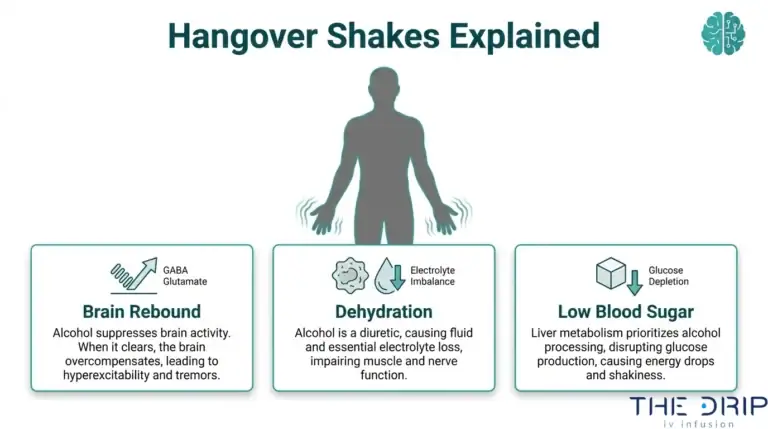
Hydration after alcohol consumption is critically important because alcohol acts as a diuretic, increasing urination and accelerating fluid loss. Replenishing water and electrolytes addresses one of the primary mechanisms behind headache, fatigue, and dizziness the morning after drinking.
Effective post-drinking hydration strategies include:
- Alternating sips of water throughout the rest of the evening.
- Choosing electrolyte-containing beverages to restore sodium, potassium, and magnesium levels.
- Avoiding sugary sodas that can cause blood sugar spikes and crashes.
That said, hydration alone does not fully prevent or resolve a hangover. According to the National Institute on Alcohol Abuse and Alcoholism, research has not found a correlation between the extent of electrolyte disruptions and the severity of hangovers, or the impact of added electrolytes on hangover severity. Rehydrating still helps you feel better overall, but it is not a guaranteed cure.
Should you use over-the-counter remedies or natural remedies after drinking?
You should approach over-the-counter remedies and natural remedies with realistic expectations, since no remedy has strong clinical backing for hangover relief. A review published in The BMJ found that no compelling evidence exists to suggest any conventional or complementary intervention is effective for preventing or treating alcohol hangover.
Common options people try include:
- Over-the-counter pain relievers: Ibuprofen or aspirin can ease headaches, but they may irritate an already sensitive stomach. Acetaminophen should be avoided after heavy drinking because it stresses the liver.
- Ginger or peppermint tea: These may help settle nausea without adding medication burden.
- Electrolyte packets or sports drinks: Convenient for mild rehydration, though their impact on hangover severity remains unproven.
- Bland foods: Toast, crackers, or bananas can help stabilize blood sugar and calm the stomach.
For most people, combining gentle hydration with a mild pain reliever and rest provides the most practical relief, even without a scientifically proven “cure.”
What sleep strategies can aid hangover recovery?
Sleep strategies that aid hangover recovery center on maximizing restorative rest, which gives the body uninterrupted time to metabolize remaining alcohol and repair cellular damage. Alcohol disrupts normal sleep architecture by reducing REM sleep, so the quality of post-drinking sleep matters as much as the quantity.
Effective sleep strategies include:
- Sleep in a cool, dark, quiet room to promote deeper sleep cycles.
- Elevate your head slightly to reduce acid reflux, which alcohol commonly triggers.
- Avoid screens for at least 30 minutes before lying down, since blue light further disrupts melatonin production.
- Set an alarm that allows a minimum of eight hours of sleep; shortened sleep compounds hangover fatigue.
- Keep water nearby to sip if you wake during the night.
Resist the urge to set an early alarm “to power through.” Prioritizing extended, uninterrupted sleep is one of the most effective and accessible recovery tools available after a night of drinking.
With recovery strategies in place, separating fact from fiction helps avoid common hangover mistakes.
What are the most common myths and misconceptions about preventing hangovers?
The most common myths and misconceptions about preventing hangovers involve remedies that lack scientific support, products that can worsen symptoms, and misleading health claims found online. The sections below address unproven remedies, potentially harmful cures, and how to spot misinformation.
Are there proven remedies that don’t actually work?
Yes, there are proven remedies that don’t actually work for hangovers, despite widespread belief. According to the Federal Aviation Administration, cold showers, drinking black coffee, and breathing 100% oxygen cannot speed up the elimination of alcohol from the body. Other commonly cited but ineffective approaches include:
- “Hair of the dog” (drinking more alcohol): This delays symptoms rather than resolving them, prolonging the body’s recovery process.
- Greasy food after drinking: Eating high-fat meals before drinking slows alcohol absorption, but consuming them afterward does nothing to reverse alcohol’s effects.
- Sports drinks and electrolyte products: While popular, research has not found a correlation between electrolyte disruptions and hangover severity.
Many of these persist because they coincide with the body’s natural recovery timeline, creating the illusion of effectiveness.
Can certain “hangover cures” make your symptoms worse?
Yes, certain hangover cures can make your symptoms worse. Excessive intake of fat-soluble vitamins such as A, D, E, and K can accumulate in tissues and produce toxic effects. Similarly, improper fluid infusion risks electrolyte imbalances or fluid overload, which negatively impacts cardiovascular and renal functions. According to a 2025 review published in Cureus, these risks are associated with unregulated or unsupervised nutrient administration.
Other counterproductive practices include:
- Caffeine overconsumption: Worsens dehydration and can intensify headaches.
- Acetaminophen (Tylenol): Combined with residual alcohol, it places significant stress on the liver.
- Carbonated “recovery” drinks: Carbonation increases the rate of alcohol absorption, compounding nausea.
The safest recovery approach prioritizes rest, water, and time rather than aggressive supplementation.
How can you identify misinformation about hangover prevention online?
You can identify misinformation about hangover prevention online by checking whether claims cite peer-reviewed sources and recognized health institutions. A systematic review published in The BMJ found that no compelling evidence exists to suggest any conventional or complementary intervention is effective for preventing or treating alcohol hangover. This means any product or article guaranteeing a hangover cure should raise immediate skepticism.
Key warning signs of unreliable hangover prevention content include:
- Absolute claims like “eliminates hangovers completely” or “scientifically proven cure.”
- No cited sources from institutions such as the NIH, CDC, or peer-reviewed journals.
- Testimonial-only evidence without clinical data or sample sizes.
- Products making disease-treatment claims, which the FTC has actively pursued enforcement actions against.
Reliable information typically acknowledges that moderation remains the only consistently supported prevention strategy, while hydration and nutrition play supporting roles.
Understanding what actually works separates effective preparation from wasted effort and potential harm.
When should you seek medical help for a hangover or related symptoms?
You should seek medical help for a hangover or related symptoms when signs of alcohol poisoning appear, when someone cannot be roused, or when symptoms persist beyond 24 hours. The following subsections cover distinguishing poisoning from a hangover, supporting someone in distress, and the long-term risks of repeated heavy drinking.

What are signs of alcohol poisoning versus a typical hangover?
The signs of alcohol poisoning versus a typical hangover differ in severity and urgency. A typical hangover produces headache, nausea, fatigue, and sensitivity to light; these symptoms are uncomfortable but resolve on their own within 24 hours. Alcohol poisoning, by contrast, is a medical emergency.
According to the NHS, alcohol poisoning can happen when you drink alcohol quicker than your body can process it, making you seriously ill and potentially requiring hospital treatment.
Warning signs that indicate poisoning rather than a routine hangover include:
- Confusion or severely impaired consciousness
- Repeated vomiting or vomiting while unconscious
- Seizures or irregular breathing (fewer than eight breaths per minute)
- Pale, bluish, or cold and clammy skin
- Inability to stay awake or respond to stimulation
Any of these symptoms demands an immediate call to emergency services.
How can you support someone experiencing severe hangover or intoxication?
You can support someone experiencing severe hangover or intoxication by keeping them safe, conscious, and monitored until professional help arrives if needed. Never leave an intoxicated person alone, especially if they are vomiting or losing consciousness.
Practical steps to take include:
- Keep the person sitting upright, or place them in the recovery position on their side if they must lie down, to prevent choking.
- Offer small sips of water if they can swallow safely; avoid forcing fluids.
- Stay calm, keep them warm, and monitor their breathing continuously.
- Do not give coffee, cold showers, or additional alcohol; none of these accelerate recovery.
- Call emergency services immediately if breathing becomes irregular, skin turns blue, or the person cannot be woken.
Hesitating to call for help is more dangerous than a false alarm. When in doubt, always err on the side of contacting medical professionals.
What are the potential risks of repeated heavy drinking and dehydration?
The potential risks of repeated heavy drinking and dehydration extend well beyond a single morning of discomfort. Chronic alcohol misuse places cumulative stress on nearly every major organ system.
According to the World Health Organization, drinking alcohol is associated with risks of developing noncommunicable diseases such as liver diseases, heart diseases, and different types of cancers, as well as mental health and behavioral conditions such as depression, anxiety, and alcohol use disorders.
Key long-term risks include:
- Progressive liver damage, ranging from fatty liver to cirrhosis
- Increased susceptibility to cardiovascular disease and stroke
- Higher likelihood of developing alcohol use disorder
- Chronic dehydration that strains kidney function over time
- Weakened immune response, leaving the body more vulnerable to infection
Recognizing when occasional heavy nights become a pattern is critical. If hangovers are frequent or worsening, that itself is a signal worth discussing with a healthcare provider.
How can IV hydration therapy support hangover prevention and recovery?
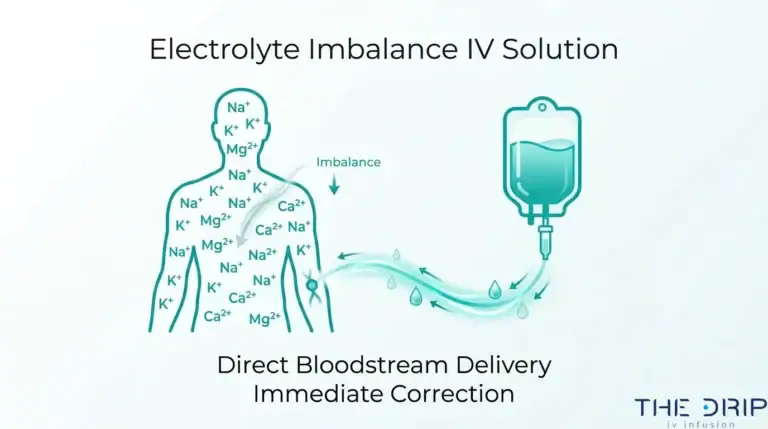
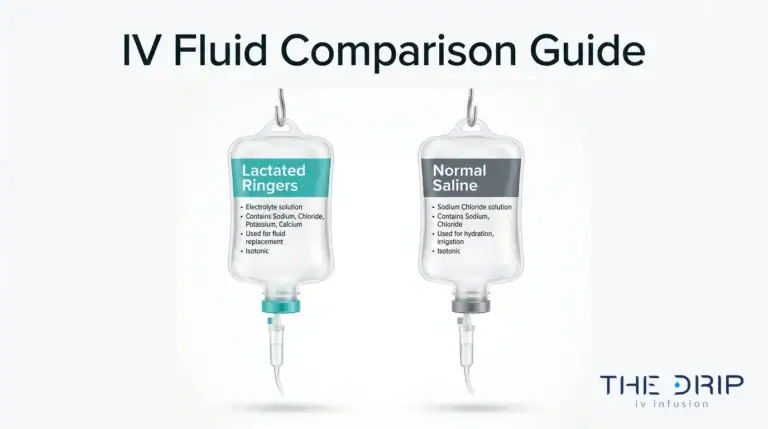
IV hydration therapy can support hangover recovery by delivering fluids and electrolytes directly into the bloodstream, bypassing the digestive system. However, scientific evidence for hangover-specific benefits remains limited. The following sections cover what The Drip IV Infusion offers and essential prevention reminders.
Can The Drip IV Infusion help prevent or relieve hangover symptoms?
The Drip IV Infusion can help relieve hangover symptoms by providing rapid rehydration through intravenous fluid delivery. Because alcohol increases urination and fluid loss, replenishing fluids intravenously bypasses a potentially upset stomach, which can make oral rehydration difficult.
That said, it is important to set realistic expectations. According to the National Institute on Alcohol Abuse and Alcoholism (NIAAA), research has not found a correlation between the extent of electrolyte disruptions and the severity of hangovers, or the impact of added electrolytes on hangover severity. IV hydration addresses dehydration, one component of hangover discomfort, but it is not a cure for all hangover symptoms.
The Drip IV Infusion offers customizable IV cocktails with add-ons such as Vitamin B12, Zofran, and Magnesium, administered by a nurse in approximately one hour. Rehydration alone will not undo the full effects of excessive drinking, so IV therapy works best as one part of a broader recovery approach alongside rest, nutrition, and responsible drinking habits.
What are the key points to remember about preventing a hangover before, during, and after drinking?
The key points to remember about preventing a hangover before, during, and after drinking are:
- Before drinking: Eat a full meal with protein, healthy fats, and complex carbohydrates to slow alcohol absorption. Pre-hydrate with water.
- During drinking: Limit intake to no more than one alcoholic drink per hour and alternate with water or non-alcoholic beverages.
- After drinking: Rehydrate, eat a light snack, and prioritize sleep. IV hydration therapy is one option for faster fluid replenishment when oral intake feels difficult.
No single remedy prevents or cures a hangover entirely. The most effective strategy combines moderation, consistent hydration, and proper nutrition across all three phases of a drinking occasion.