Mobile IV therapy aftercare is the set of hydration, nutrition, activity, and site-care steps you follow once your infusion session ends. These practices help your body absorb delivered nutrients, protect the puncture site, and extend the benefits of treatment.
This guide covers post-infusion sensations and site care, hydration and nutrition strategies, safe activity levels, substances to avoid, and long-term session planning.
Normal post-infusion sensations include mild tenderness at the insertion site and a quick return of energy, while minor bruising or swelling typically resolves within a day or two. The puncture site requires firm pressure after catheter removal, a bandage left in place for at least two hours, and monitoring for redness or drainage over the following 48 hours.
Steady water intake after your session maintains the fluid balance your IV established, with most healthy adults needing 11.5 to 15.5 cups of total daily fluid from all sources. Pairing that hydration with nutrient-dense whole foods (leafy greens, lean proteins, fresh fruits, and whole grains) reinforces the vitamins and minerals delivered during treatment.
Light activity like walking or stretching is fine immediately after an infusion, though intense workouts benefit from a two-to-four-hour rest window so the puncture site can begin healing and fluid distribution can stabilize. Most people return to work right after their session with no interruption.
Alcohol, hot tubs, pools, and blood-thinning supplements should all be avoided for at least 24 hours, since each one can undermine hydration, increase bruising, or introduce bacteria to the healing site.
Hydration benefits peak within the first few hours, while elevated vitamin and mineral levels can persist for several days depending on the nutrient. Session frequency ranges from monthly for general wellness to weekly during illness recovery, with each schedule best guided by individual goals and provider input.
How Should You Feel Immediately After an IV Infusion?
You should feel relatively normal immediately after an IV infusion, with mild soreness at the insertion site being the most common sensation. The sections below cover normal post-infusion feelings, minor side effects to expect, and warning signs that warrant medical attention.

What Are Normal Sensations Right After IV Therapy?
Normal sensations right after IV therapy include slight tenderness at the puncture site, a feeling of hydration or renewed energy, and occasionally mild coolness in the arm where the fluid entered. Some people also notice a faint metallic taste depending on the nutrients infused. According to MyHealth.Alberta.ca, you should be gentle using the area around the IV site for a day or two, but normal activities should be possible. Most clients feel well enough to continue their day without interruption. If you received a hydration-focused infusion, that sense of refreshment typically registers within the first 30 to 60 minutes.
What Mild Side Effects Might You Notice at the Infusion Site?
Mild side effects at the infusion site can include slight bruising, tenderness, or minor swelling where the catheter was placed. These responses are common and usually resolve on their own within a day or two. According to NSW Health guidelines, you should observe the insertion site for 48 hours after the catheter is removed for signs of post-infusion pain, redness, or swelling. Applying gentle pressure with a bandage right after removal helps minimize bruising. If discomfort remains mild and gradually improves, no medical intervention is typically needed. Keeping the area clean and avoiding tight clothing over the site can also speed recovery.
When Should You Be Concerned About How You Feel Post-Infusion?
You should be concerned about how you feel post-infusion if you experience symptoms beyond mild site tenderness. Seek prompt medical attention for any of the following:
- Hives, facial swelling, or throat tightness, which may indicate an allergic reaction.
- Persistent or worsening redness, warmth, or streaking around the insertion site.
- Fever, chills, or signs of infection developing within 48 hours.
- Shortness of breath, wheezing, or lightheadedness.
- Unusual swelling in the arm that does not improve with elevation.
Mild discomfort is expected, but escalating or systemic symptoms require professional evaluation. When in doubt, contacting your infusion specialist or visiting urgent care is always the safer choice.
Understanding how you should feel after your session sets the foundation for the next step: staying properly hydrated.
How Much Water Should You Drink After IV Therapy?
You should drink water steadily after IV therapy, aiming for consistent intake across the rest of your day. The sections below cover how much to drink in the first few hours and how to adjust intake afterward.

How Much Water Should You Drink in the First Few Hours?
You should drink about 8 to 12 ounces of water in the first few hours after your IV infusion. Your body has already received a significant fluid volume intravenously, so the goal is gentle maintenance rather than aggressive hydration. Sip water at a comfortable pace instead of consuming large amounts at once.
According to Mayo Clinic, the average healthy adult needs about 11.5 cups (2.7 liters) to 15.5 cups (3.7 liters) of total fluid daily, including water from all sources. Since your IV session already contributed a portion of that total, moderate sipping keeps fluid balance steady without overloading your system. For most people, keeping a water bottle nearby and drinking when thirsty is the simplest approach during those initial hours.
How Should You Adjust Water Intake for the Rest of the Day?
You should adjust water intake for the rest of the day by returning to your normal daily hydration habits. The Institute of Medicine notes that total water intake includes drinking water, beverages, and water contained in food. This means meals with fruits, vegetables, and soups all contribute to your fluid needs after an infusion.
Rather than fixating on a specific number of glasses, pay attention to signals your body provides:
- Urine color should be pale yellow, not dark or completely clear.
- Thirst is a reliable indicator that you need more fluid.
- Fatigue or headache may signal mild dehydration worth addressing.
Prioritizing consistent, moderate hydration over the rest of the day helps your body process the vitamins and nutrients delivered during your session more effectively. With hydration habits in place, focusing on what you eat next can further support your post-infusion recovery.
What Should You Eat After Mobile IV Therapy?
You should eat nutrient-dense whole foods after mobile IV therapy to complement the vitamins and minerals delivered during your session. The following subsections cover which foods support recovery and which ones to avoid.
Which Nutrient-Dense Foods Support Post-Infusion Recovery?
Nutrient-dense foods support post-infusion recovery by reinforcing the vitamins, minerals, and electrolytes your body just received intravenously. According to the American Heart Association, nutrient-dense foods are rich in vitamins, minerals, and other health-supporting nutrients without excessive saturated fat, added sugars, or sodium.
The best post-infusion food choices include:
- Leafy greens like spinach and kale, which supply magnesium and folate.
- Fresh fruits such as berries, oranges, and bananas for natural potassium and vitamin C.
- Lean proteins like grilled chicken, fish, beans, and lentils to support tissue repair.
- Whole grains such as quinoa and brown rice for sustained energy.
- Hydrating vegetables like cucumbers and celery to maintain fluid balance.
Eating a balanced meal within an hour or two of your infusion helps your body use the delivered nutrients more effectively. Pairing whole foods with steady water intake is one of the simplest ways to extend the benefits of your session.

Which Foods and Beverages Should You Avoid After an Infusion?
The foods and beverages you should avoid after an infusion are those that counteract hydration or strain digestion. Heavily processed meals high in sodium can promote fluid retention and offset the electrolyte balance your IV session helped restore.
Specifically, limit or avoid these after treatment:
- Sugary drinks and sodas, which can spike blood sugar and increase urination.
- Fried or greasy foods that slow digestion and may cause nausea.
- Excessive caffeine, since more than 180 mg daily (roughly two cups of brewed coffee) may increase short-term urination in some individuals, as noted by Harvard T.H. Chan School of Public Health.
- Alcohol, which acts as a diuretic and directly undermines rehydration efforts.
- Highly processed snacks with added sugars and artificial ingredients.
Choosing clean, whole foods over processed alternatives gives your body the best chance to absorb and retain the nutrients from your infusion. With smart post-session nutrition in place, your physical activity choices also play a role in recovery.
What Physical Activities Are Safe After IV Therapy?
Physical activities after IV therapy range from light movement to full workouts, depending on timing. The sections below cover exercise safety immediately post-infusion, recommended rest periods before intense training, and returning to work after mobile IV therapy.
Is It Safe to Exercise Right After an IV Infusion?
It is safe to exercise right after an IV infusion, but only at a light to moderate intensity. Gentle activities such as walking, stretching, or casual yoga place minimal strain on the infusion site and allow your body to continue absorbing the fluids and nutrients delivered during treatment. Vigorous exercise immediately afterward can increase blood pressure at the puncture site, raising the chance of bruising or swelling. Listening to your body matters more than following a rigid timeline. If you feel energized, light movement is fine; if you notice dizziness or fatigue, rest first. Starting slow gives the infusion its best opportunity to support your recovery.
How Long Should You Rest Before Resuming Intense Workouts?
You should rest at least two to four hours before resuming intense workouts after IV therapy. High-intensity activities such as heavy weightlifting, HIIT training, and competitive sports demand significant cardiovascular output. Allowing a brief rest window gives your body time to stabilize fluid distribution and lets the puncture site begin healing. Factors that may extend rest time include:
- Larger infusion volumes or longer session durations.
- Pre-existing fatigue, dehydration, or illness before treatment.
- Infusions containing sedating nutrients like magnesium.
For most people receiving a standard wellness infusion, a few hours of light activity before transitioning to strenuous exercise strikes the right balance between recovery and performance. The Drip IV Infusion brings wellness-focused IV therapy directly to your location in Arizona, allowing you to rest comfortably at home during recovery hours rather than adding travel time to your post-session routine.
Can You Return to Work Immediately After Mobile IV Therapy?
Yes, you can return to work immediately after mobile IV therapy. According to Cedars-Sinai, IV vitamin therapy primarily delivers rapid hydration, which is why most people feel better quickly after treatment. Desk-based or low-physical-demand jobs pose no issue. For physically demanding roles involving heavy lifting or repetitive arm use, being gentle around the infusion site for a day or two is a practical precaution. One advantage of mobile IV therapy is that it comes to you, so there is no travel downtime between your session and your workday. Most clients resume normal professional activities right after their session ends.
With activity guidelines covered, proper care of the IV puncture site helps ensure a smooth recovery.
How Should You Care for the IV Injection Site Afterward?
You should care for the IV injection site afterward by keeping it clean, applying firm pressure, and monitoring for signs of infection over the next 48 hours. The subsections below cover puncture site protection and infection warning signs.
How Do You Keep the Puncture Site Clean and Protected?
You keep the puncture site clean and protected by applying firm, steady pressure immediately after catheter removal and leaving the dressing in place. According to HealthLink BC, the best way to prevent bruising is to apply firm, steady pressure on the site for 3 to 5 minutes after the needle is removed. Once the small dressing is applied, leave it on for at least two hours before removing it.
After the bandage comes off, follow these steps:
- Wash the area gently with mild soap and warm water.
- Pat the site dry rather than rubbing it.
- Avoid submerging the site in pools, hot tubs, or baths for 24 hours.
- Skip heavy lifting or repetitive arm movements on the affected side for the rest of the day.
Keeping the puncture site undisturbed during the first few hours significantly reduces bruising and irritation risk.
What Signs of Infection Should You Watch For at the Site?
The signs of infection you should watch for at the IV site include increasing redness, warmth, swelling, pain, or discharge that develops in the hours or days following your session. According to the Australian Commission on Safety and Quality in Health Care, symptoms can occur up to 48 hours after a peripheral IV catheter is removed, so continued observation during that window is essential.
Contact a healthcare provider if you notice any of the following:
- Redness that spreads outward from the puncture site.
- Pus or unusual drainage at the insertion point.
- A fever developing within 48 hours of your infusion.
- Throbbing pain that worsens rather than improves.
Most people can resume normal activities within a day or two while keeping a casual eye on the area. Minor tenderness is common; persistent or escalating symptoms are not.
Understanding proper site care sets the foundation for everything else you do after mobile IV therapy.
What Should You Avoid Doing After an IV Infusion?
You should avoid alcohol, hot tubs, pools, and certain supplements after an IV infusion. Each poses specific risks to hydration, the puncture site, or nutrient absorption.

Why Should You Avoid Alcohol After IV Therapy?
You should avoid alcohol after IV therapy because it counteracts the hydration and nutrient benefits your infusion just delivered. Alcohol is a diuretic that accelerates fluid loss, working against the rehydration your body received. As Dr. Sam Torbati, co-chair of Emergency Medicine at Cedars-Sinai, explains, people feel better after IV treatments primarily because of rapid hydration; drinking alcohol immediately afterward undermines that core benefit. Alcohol can also strain the liver while it processes newly infused vitamins and antioxidants. Waiting at least 24 hours gives your body time to fully absorb and utilize the nutrients from your session.
Why Should You Avoid Hot Tubs and Pools Right After Treatment?
You should avoid hot tubs and pools right after treatment because submerging the puncture site in water introduces bacteria before the skin has fully closed. Pools contain chlorine and other chemicals that can irritate a fresh IV site, while hot tubs harbor bacteria that thrive in warm water. The heat from hot tubs also dilates blood vessels, which may increase bruising or swelling at the insertion point. Waiting at least 24 hours before swimming or soaking allows the puncture site to seal properly and reduces infection risk. For the same reason, keeping the bandage dry and in place for the first few hours is essential.
Why Should You Skip Blood-Thinning Supplements Post-Infusion?
You should skip blood-thinning supplements post-infusion because they can increase bleeding and bruising at the IV puncture site. Supplements such as fish oil, vitamin E, and ginkgo biloba have natural anticoagulant properties that interfere with clot formation where the catheter was inserted. According to Johns Hopkins Medicine, talking to your doctor before starting any new supplement is always advised, as your healthcare provider can offer insight about whether they are right for you. Pausing these supplements for 24 hours after your session supports proper healing at the insertion point. If you take prescribed blood thinners, consult your healthcare provider about timing around IV therapy sessions.
Understanding what to avoid helps you get the most from each session and sets the stage for lasting results.
How Long Do the Benefits of IV Therapy Typically Last?
The benefits of IV therapy typically last anywhere from a few hours for hydration to several days for elevated vitamin and nutrient levels. Duration depends on the specific infusion, individual metabolism, and lifestyle habits.

How Long Do Hydration Benefits Last After a Single Session?
Hydration benefits last roughly 2 to 3 hours at peak levels after a single session, then taper as the body naturally processes and excretes fluid. The kidneys begin redistributing and filtering the infused volume almost immediately, so the most noticeable boost in energy and well-being occurs within the first few hours post-infusion.
Maintaining that hydration advantage depends on what you consume afterward. According to the Harvard T.H. Chan School of Public Health, more than 180 mg of caffeine daily (about two cups of brewed coffee) may increase short-term urination in some people, though it will not necessarily cause dehydration. Pairing your session with steady water intake and limiting diuretics extends the window of benefit considerably.
How Long Do Vitamin and Nutrient Boosts Stay Elevated?
Vitamin and nutrient boosts stay elevated for varying durations depending on each nutrient’s clearance rate and whether your body stores or rapidly excretes it. Water-soluble vitamins like vitamin C and B-complex move through the system faster than fat-soluble nutrients or minerals.
Key factors that influence how long levels remain elevated include:
- Vitamin C: The body clears intravenous vitamin C quickly; plasma levels return to baseline within roughly 24 hours.
- B vitamins: These water-soluble nutrients circulate for 1 to 3 days before excretion, though cellular uptake can extend functional benefits.
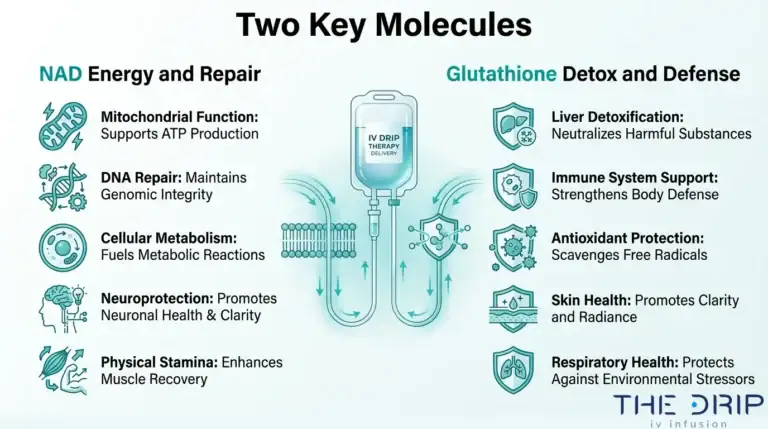
- Glutathione: This antioxidant has a particularly short plasma half-life, measured in minutes after infusion, though intracellular effects may persist longer.
- Magnesium and zinc: These minerals are stored more readily in tissue, so elevated benefits can last several days to a week.
For most people, noticeable benefits from a nutrient-focused infusion persist 3 to 5 days. Scheduling follow-up sessions based on individual goals helps maintain consistent levels over time.
How Often Should You Schedule Follow-Up IV Therapy Sessions?
Follow-up IV therapy session frequency depends on your goal. General wellness, athletic recovery, and illness recovery each call for different schedules.
How Often Should You Get IV Therapy for General Wellness?
You should get IV therapy for general wellness on a monthly or bi-monthly basis, though individual needs vary. Most healthy adults without a diagnosed deficiency benefit from sessions spaced every two to four weeks to maintain hydration and micronutrient levels. According to the Drug and Therapeutics Bulletin (BMJ), there is a lack of high-quality evidence to suggest that high-dose vitamin infusions are necessary or offer any health benefit in the absence of a specific vitamin deficiency or medical condition. This makes provider consultation essential before committing to a recurring schedule. For most people pursuing general maintenance, starting with one session per month and adjusting based on how you feel between visits is the most practical approach. The Drip IV Infusion’s customizable IV cocktails and add-ons allow you to adjust each monthly session based on evolving wellness priorities, from immune support to athletic recovery.
How Often Should Athletes Schedule IV Recovery Sessions?
Athletes should schedule IV recovery sessions based on training intensity and competition cycles, typically every one to two weeks during peak training periods. Competitive athletes governed by anti-doping rules face additional constraints. The U.S. Anti-Doping Agency states that IV infusions exceeding 100 mL within a 12-hour period are prohibited both in-competition and out-of-competition, even when the infused substance is permitted. Athletes subject to WADA or USADA testing should confirm that session volumes and frequency comply with these rules before scheduling. For recreational athletes without anti-doping obligations, spacing sessions around heavy training blocks or events delivers the most noticeable recovery support.
How Often Should You Get IV Therapy During Illness Recovery?
You should get IV therapy during illness recovery as frequently as your symptoms and provider guidance require, sometimes multiple sessions within a single week. Acute conditions involving significant fluid loss may warrant back-to-back sessions over consecutive days. Once symptoms stabilize, most people transition to weekly sessions before tapering off entirely. Consulting your healthcare provider before and during any illness-related IV schedule ensures the treatment aligns with your recovery needs. From a practical standpoint, illness recovery is the one scenario where closer session spacing consistently makes the biggest difference in how quickly people feel functional again.
How Can Mobile IV Therapy Fit Into Your Ongoing Wellness Routine?
Mobile IV therapy can fit into your ongoing wellness routine as a periodic complement to healthy daily habits. The key is pairing sessions with consistent hydration, nutrition, and professional guidance. The following sections cover how customizable treatments support post-session goals and the essential takeaways for aftercare.
Can The Drip IV Infusion’s Customizable Treatments Support Your Post-Session Goals?
Yes, The Drip IV Infusion’s customizable treatments can support your post-session goals by letting you tailor each infusion to specific needs. The Drip IV Infusion offers a full menu of IV cocktails and customizable treatment options to review available formulations and ingredients like NAD+ and exosomes, and individual add-ons such as glutathione, magnesium, vitamin C, zinc, and NAC (N-Acetyl Cysteine). This flexibility allows each session to align with shifting wellness priorities, whether that means recovery support, immune reinforcement, or replenishment after physical activity.
However, it is worth noting that evidence for some newer modalities remains early-stage. According to a 2026 narrative review in Frontiers in Aging, current evidence regarding IV NAD+ therapy remains preliminary and insufficient to support routine clinical or wellness use. Discussing your goals with The Drip IV Infusion’s nursing team before each session ensures your selections stay grounded in your individual health picture and wellness objectives.
What Are the Key Takeaways About What to Do After Mobile IV Therapy?
The key takeaways about what to do after mobile IV therapy center on a few practical aftercare priorities:
- Keep the puncture-site dressing in place and monitor the area for redness, swelling, or pain.
- Stay hydrated by sipping water steadily throughout the rest of the day.
- Choose nutrient-dense foods and avoid alcohol, hot tubs, and blood-thinning supplements in the hours following your session.
- Rest briefly before returning to intense exercise, and be gentle with the infusion site for a day or two.
- Watch for any delayed symptoms; the Australian Commission on Safety and Quality in Health Care advises that symptoms can occur up to 48 hours after catheter removal.
Consistent aftercare habits amplify the value of every session. Building these steps into your routine turns each mobile IV appointment from a standalone event into part of a sustainable wellness strategy with The Drip IV Infusion.