Zinc IV therapy is a method of delivering zinc directly into the bloodstream through an intravenous infusion, bypassing the digestive system to achieve complete bioavailability. Because oral zinc absorption typically ranges from only 16% to 50%, this approach offers a more reliable path to replenishment for individuals with confirmed deficiency or impaired gut function.
This guide covers how zinc IV therapy works and differs from oral supplements, zinc’s essential roles in the body, the specific benefits of IV delivery, who makes the best candidate, safety considerations, optimal timing and session expectations, and convenient mobile delivery options.
Zinc drives hundreds of enzymatic reactions tied to immune defense, wound healing, hormone production, and energy metabolism. Deficiency disrupts all of these systems simultaneously, producing symptoms that range from hair loss and frequent infections to fatigue and cognitive changes.
Delivering zinc intravenously eliminates the absorption variability that limits oral supplements, making it especially valuable for people with Crohn’s disease, celiac disease, ulcerative colitis, or chronic diarrhea. Athletes losing zinc through sweat, frequent travelers facing elevated immune demands, and older adults with declining nutrient status also stand to benefit when blood work confirms low levels.
Safety depends on proper dosing, qualified administration, and ongoing monitoring. Excess zinc depletes copper stores and can cause serious complications, so reputable providers tailor protocols to individual lab results rather than using fixed formulas.
Session timing, infusion frequency, and nutrient combinations all influence outcomes. Pairing zinc with complementary nutrients like magnesium, glutathione, or vitamin C can address multiple wellness goals in a single appointment, and mobile IV services now bring these sessions directly to your door.
What Is Zinc IV Therapy and How Does It Work?
Zinc IV therapy is a method of delivering zinc directly into the bloodstream through an intravenous infusion, bypassing the digestive system entirely. The sections below explain what happens once zinc enters your blood and how this approach compares to oral supplements.
What Happens to Zinc When It Enters Your Bloodstream?
Zinc enters your bloodstream immediately when delivered intravenously, achieving full bioavailability because it skips the gastrointestinal tract. Once in circulation, zinc binds to plasma proteins, primarily albumin, and distributes to tissues where it supports enzyme activity, immune signaling, and cell division.
The infusion process itself requires specific clinical coordination. According to the Centers for Medicare & Medicaid Services, home infusion therapy involves essential components such as the drug, a pump, tubing, catheters, nursing education, side-effect monitoring, and periodic infusion-site assessment. This level of oversight helps ensure that zinc reaches systemic circulation safely and at controlled rates, which is particularly important for individuals who cannot tolerate oral supplementation.
How Is Zinc IV Therapy Different From Oral Zinc Supplements?
Zinc IV therapy differs from oral zinc supplements primarily in absorption efficiency and speed of delivery. Oral zinc must pass through the digestive system, where absorption is limited and variable. According to a 2020 review published in Nutrients, fractional absorption of dietary zinc in humans typically ranges from 16% to 50% and is inversely related to intake levels. In plasma, zinc binds predominantly to albumin at roughly 60%, alpha-macroglobulin at 30%, and transferrin at 10%.
Intravenous delivery eliminates this variability by placing zinc directly into circulation. This distinction matters most for individuals with compromised gut function, where oral absorption may be even lower than typical ranges. Oral zinc also carries interaction risks; it can hinder the effectiveness of quinolone and tetracycline antibiotics and reduce penicillamine’s ability to ease arthritis symptoms. IV zinc bypasses the gut entirely, sidestepping these oral-specific drug interactions. For anyone struggling to raise serum zinc through supplements alone, the intravenous route offers a more predictable path to replenishment.
Understanding these delivery differences helps clarify who benefits most from zinc’s broader role in the body.

Why Is Zinc Important for Your Body?
Zinc is important for your body because it drives essential processes across nearly every system, from immune defense to hormone regulation. The following sections cover zinc’s role in immunity, wound healing, skin and hair health, and metabolic function.

What Role Does Zinc Play in Immune Function?
Zinc plays a central role in immune function by activating both innate and adaptive immune cells. According to the NIH Office of Dietary Supplements, zinc is required for the catalytic activity of hundreds of enzymes and plays a role in enhancing immune function, protein and DNA synthesis, wound healing, and cell signaling and division. When zinc levels drop below sufficient thresholds, the consequences extend well beyond weakened immunity; deficiency can trigger frequent infections, delayed wound healing, and cognitive or psychological changes.
Inadequate zinc status is more common than many people realize. Based on 2011–2014 NHANES data, 8.6% of males age 10 and older and 8.2% of females in the United States have serum zinc concentrations below the sufficiency cutoff for their age and sex. For anyone experiencing recurrent infections or slow recovery, zinc status is worth investigating as a foundational factor.
How Does Zinc Support Wound Healing and Tissue Repair?
Zinc supports wound healing and tissue repair by enabling cell division, collagen synthesis, and inflammatory response regulation at the injury site. Every phase of wound repair, from initial inflammation through tissue remodeling, depends on adequate zinc availability.
Zinc’s contribution to this process includes:
- Stimulating cell proliferation needed to close wounds
- Supporting collagen production for structural tissue integrity
- Regulating the inflammatory response to prevent excessive or prolonged inflammation
- Facilitating DNA synthesis required for new tissue formation
Without sufficient zinc, wounds heal slowly and scar tissue may form improperly. This connection between zinc status and tissue repair is one reason clinicians monitor zinc levels in patients recovering from surgery or injury.
What Does Zinc Do for Skin, Hair, and Nail Health?
Zinc maintains skin, hair, and nail health by supporting keratinocyte function, sebum regulation, and structural protein synthesis. Keratin production in hair follicles and nail beds requires consistent zinc availability at the cellular level.
Zinc deficiency produces visible signs in these tissues. The NIH fact sheet identifies alopecia as a recognized consequence of insufficient zinc, and brittle nails, acne flares, and dermatitis are also commonly associated with low zinc status. Because skin cells turn over rapidly, they are among the first to show the effects of depleted mineral stores. Maintaining adequate zinc is one of the most practical steps for preserving the structural integrity of skin, hair, and nails over time.
How Does Zinc Affect Hormonal Balance and Metabolism?
Zinc affects hormonal balance and metabolism by regulating hormone synthesis, thyroid function, and insulin signaling. The mineral is present in over 300 enzymes closely tied to metabolic processes, making it essential for converting food into usable energy.
Key hormonal and metabolic functions that depend on zinc include:
- Thyroid hormone production and conversion of T4 to active T3
- Testosterone and estrogen synthesis in reproductive tissues
- Insulin storage and secretion from pancreatic beta cells
- Growth hormone regulation during development and recovery
Zinc deficiency can disrupt reproductive health and metabolic efficiency simultaneously. The NIH notes that reproductive problems are among the recognized consequences of inadequate zinc status. For individuals experiencing unexplained fatigue, hormonal imbalances, or metabolic sluggishness, zinc levels deserve evaluation as part of a broader assessment.
Understanding zinc’s foundational roles helps clarify why direct replenishment through IV delivery may offer distinct advantages for people with confirmed deficiencies.
What Are the Benefits of Zinc IV Therapy?
The benefits of zinc IV therapy include immune support, faster illness recovery, improved athletic performance, increased energy, and enhanced skin health. The following subsections break down each benefit and the evidence behind it.

How Can Zinc IV Therapy Strengthen Your Immune System?
Zinc IV therapy can strengthen your immune system by delivering zinc directly into the bloodstream, where it supports critical immune cell signaling pathways. Zinc is essential for both innate and adaptive immunity, and even mild deficiency impairs the body’s ability to fight infections. According to the World Health Organization, an estimated 17% of the global population lacks sufficient dietary zinc to maintain a healthy immune system and reduce infection risk, including pneumonia. Because IV delivery bypasses the gut entirely, it can restore zinc levels more rapidly than oral supplements in individuals with confirmed deficiency. For anyone experiencing frequent colds or slow-healing infections, addressing zinc status is a practical first step.
Can Zinc IV Therapy Speed Up Recovery From Illness?
Yes, zinc IV therapy can speed up recovery from illness by rapidly replenishing zinc stores that the body depletes during immune activation. Zinc supports protein synthesis, cell division, and wound healing, all of which accelerate during recovery. Oral zinc taken within 24 hours of cold-symptom onset has shown potential to shorten illness duration, and IV delivery achieves therapeutic levels faster by eliminating absorption variability. This makes zinc IV therapy particularly relevant during acute illness when the digestive system may not absorb nutrients efficiently. For most people recovering from a common cold or viral illness, prioritizing rapid zinc repletion is one of the most underappreciated recovery strategies available.
How Does Zinc IV Therapy Support Athletic Performance?
Zinc IV therapy supports athletic performance by correcting zinc depletion that commonly occurs through sweat loss and increased metabolic demand during intense training. Athletes with poor zinc status consistently show diminished physical output. According to a review published in Biological Trace Element Research, numerous reports indicate diminished physical performance in individuals with poor zinc status, while evidence supporting benefits beyond the recommended dietary allowance in zinc-adequate individuals is lacking. This distinction matters: zinc IV therapy is most beneficial for athletes who are actually deficient, not as a general performance enhancer. Routine blood work before and during competitive seasons helps identify whether IV zinc repletion is warranted.
Can Zinc IV Therapy Improve Energy Levels and Reduce Fatigue?
Yes, zinc IV therapy can improve energy levels and reduce fatigue, especially in individuals with low zinc status. Zinc participates in over 300 enzymatic reactions tied to energy metabolism, and deficiency frequently manifests as persistent tiredness. By delivering zinc intravenously, the body can access it immediately without the delays and losses associated with gastrointestinal absorption. Older adults and individuals with chronic conditions that deplete zinc are often the best candidates for this approach. In my experience, fatigue is one of the most common reasons clients seek IV nutrient support, and correcting an underlying zinc gap often produces noticeable improvements within days.
How Does Zinc IV Therapy Benefit Skin Health and Aging?
Zinc IV therapy benefits skin health and aging by supporting collagen synthesis, cell turnover, and antioxidant defense at the cellular level. Zinc deficiency is linked to acne, dermatitis, and delayed wound healing, so restoring adequate levels can improve skin integrity. However, as Dr. Bauer noted in Mayo Clinic Press, the evidence for many IV therapy claims remains limited. This means zinc IV therapy should be viewed as a complementary approach rather than a standalone anti-aging solution. When combined with proper skincare and nutrition, correcting a zinc deficit through IV delivery can provide a meaningful boost to skin repair processes.
Can Zinc IV Therapy Help With Nutrient Absorption Issues?
Yes, zinc IV therapy can help with nutrient absorption issues by completely bypassing the digestive tract. Conditions such as Crohn’s disease, celiac disease, ulcerative colitis, and chronic diarrhea impair the gut’s ability to absorb zinc from food and oral supplements. IV delivery ensures 100% bioavailability regardless of gastrointestinal function. This makes it a practical option for individuals whose malabsorption has been confirmed through blood work. For people managing chronic digestive conditions, zinc IV therapy addresses the root problem of poor absorption rather than simply increasing oral intake that the body cannot efficiently use.
With zinc’s wide-ranging benefits established, identifying who benefits most helps guide the right decision.
Who Should Consider Getting Zinc IV Therapy?
Zinc IV therapy is worth considering for anyone with confirmed zinc deficiency, impaired nutrient absorption, or increased zinc demands. The following sections cover specific candidate groups, including those with deficiency, athletes, frequent travelers, people navigating cold and flu season, and individuals with digestive disorders.
Is Zinc IV Therapy Right for People With Zinc Deficiency?
Zinc IV therapy is right for people with zinc deficiency, particularly when oral supplementation is insufficient or impractical. The official zinc sulfate injection label from DailyMed specifies that the labeled indication is parenteral nutrition when oral or enteral nutrition is not possible, insufficient, or contraindicated, with a recommended adult dosage of 3 mg/day for metabolically stable patients.
Zinc deficiency disrupts immune signaling, enzyme activity, and metabolism. When oral intake cannot restore adequate levels, IV delivery bypasses the gastrointestinal tract entirely. For anyone experiencing persistent symptoms like frequent infections, slow wound healing, or hair loss despite oral zinc, IV therapy offers a direct correction pathway. A healthcare provider should confirm deficiency through serum zinc testing before starting treatment.
Should Athletes and Active Individuals Get Zinc IV Therapy?
Athletes and active individuals should consider zinc IV therapy if blood work reveals low zinc status. Zinc supports muscle repair, immune resilience, and energy metabolism, all of which intensive training depletes. A review published in Biological Trace Element Research concluded that diminished physical performance is linked to poor zinc status, while zinc supplementation beyond recommended levels shows no benefit in individuals who are already sufficient.
This distinction matters: IV zinc corrects a deficit, not enhances peak performance in well-nourished athletes. For those training heavily in heat or losing significant sweat volume, periodic serum monitoring helps determine whether IV replenishment is warranted. Timing sessions during recovery phases, rather than immediately before competition, allows the body to incorporate zinc into enzymatic and repair processes most effectively.
Can Frequent Travelers Benefit From Zinc IV Therapy?
Yes, frequent travelers can benefit from zinc IV therapy, especially when irregular schedules, limited food quality, and increased pathogen exposure raise the risk of zinc depletion. Travel disrupts consistent nutrition, and airplane cabins, crowded airports, and unfamiliar environments increase immune demands.
Zinc regulates intracellular signaling in both innate and adaptive immune cells, making adequate levels essential during high-exposure periods. For travelers who already experience signs of low zinc, such as frequent illness or fatigue after trips, an infusion before departure provides a direct, fully absorbed dose without relying on gut absorption that travel stress can impair.
Is Zinc IV Therapy Helpful During Cold and Flu Season?
Zinc IV therapy can be helpful during cold and flu season for individuals who are zinc-deficient and seeking immune support. According to the CDC Yellow Book, oral zinc taken within 24 hours of cold-symptom onset might reduce cold duration, though “no firm recommendation currently can be made” for prophylactic zinc supplementation due to insufficient data.
IV delivery ensures complete absorption, which is particularly relevant when gastrointestinal symptoms from illness reduce oral zinc uptake. However, zinc IV therapy is not a proven cold preventive for people with adequate zinc levels. The strongest case for seasonal infusions applies to those with documented deficiency heading into months of heightened respiratory virus circulation.
Should People With Digestive Disorders Consider Zinc IV Therapy?
People with digestive disorders should strongly consider zinc IV therapy when malabsorption compromises oral zinc intake. Conditions like Crohn’s disease, ulcerative colitis, celiac disease, and IBS-related diarrhea all impair the gut’s ability to absorb nutrients effectively. A systematic review and meta-analysis published in Nutrients estimated zinc-deficiency prevalence at 54% in Crohn’s disease and 41% in ulcerative colitis.
Because these conditions directly damage or inflame the intestinal lining where zinc absorption occurs, oral supplements often fall short. IV zinc bypasses the compromised digestive tract, delivering the mineral directly into circulation. For patients with small-bowel fluid loss or high-output ileostomies, the zinc sulfate injection label notes that higher monitored dosages may be necessary.
With digestive-disorder candidates identified, understanding the warning signs of zinc deficiency helps determine when to act.
What Are the Signs You Might Have a Zinc Deficiency?
The signs you might have a zinc deficiency include hair loss, frequent infections, slow wound healing, and changes in taste or smell. These symptoms often develop gradually, making deficiency easy to overlook without a blood test.
Zinc deficiency can cause a range of physical and cognitive symptoms:
- Alopecia (hair loss) that is diffuse and not limited to one area of the scalp.
- Frequent infections, because zinc is required for the catalytic activity of hundreds of enzymes involved in immune function.
- Delayed wound healing, even from minor cuts or scrapes.
- Skin changes, such as rashes, dryness, or dermatitis around the mouth and hands.
- Loss of appetite or altered taste and smell, which can further reduce dietary zinc intake.
- Reproductive problems, including hormonal disruptions in both men and women.
- Cognitive or psychological changes, such as difficulty concentrating, irritability, or low mood.
According to the NIH Office of Dietary Supplements, 2011–2014 NHANES data showed that 8.6% of males aged 10 and older and 8.2% of females in the United States had serum zinc concentrations below the sufficiency cutoff for their age and sex. Certain groups face even higher risk. Approximately 50% of people with newly diagnosed celiac disease have a high likelihood of zinc inadequacy. Because the body has no dedicated zinc storage system, even short periods of poor intake or impaired absorption can push levels below the threshold where symptoms appear.
For anyone experiencing two or more of these signs, especially those with digestive conditions that limit nutrient absorption, serum zinc testing is a practical first step before considering supplementation or IV therapy.
How Safe Is Zinc IV Therapy?
Zinc IV therapy is generally safe when administered by a qualified nurse at appropriate doses, though it carries specific risks that every client should understand. The sections below cover potential side effects, who should avoid this therapy, and the danger of zinc excess.

What Are the Potential Side Effects of Zinc IV Therapy?
The potential side effects of zinc IV therapy include localized reactions at the infusion site and systemic responses to elevated zinc levels. Peripheral IV infusion has been associated with phlebitis, a painful inflammation of the vein. When zinc is administered too rapidly or at excessive doses, additional concerns emerge:
- Nausea, vomiting, and upset stomach
- Hypotension if the infusion rate is too fast
- Fluid overload from the saline solution
- Copper depletion with repeated high-dose sessions
Most side effects are mild and resolve quickly under professional supervision. According to the Merck Manual, reported risks of high-dose IV nutrient therapy also include abnormal heart rhythms from electrolyte abnormalities and severe infections from improper sterilization. Choosing a credentialed infusion specialist significantly reduces these risks.
Who Should Avoid Zinc IV Therapy?
Individuals with known hypersensitivity to zinc should avoid zinc IV therapy entirely; the official zinc sulfate injection label from DailyMed lists this as a contraindication. Several other groups should consult a healthcare provider before proceeding:
- People currently taking quinolone or tetracycline antibiotics, since zinc can hinder their effectiveness
- Those on penicillamine for arthritis, as zinc may reduce its therapeutic benefit
- Pregnant or breastfeeding women, given that safety data remain insufficient
- Anyone with kidney disease or conditions affecting copper metabolism
Because IV delivery bypasses the digestive tract, the body has fewer natural checkpoints to regulate absorption. This makes pre-session screening and honest disclosure of medications especially important for safe outcomes.
Can You Get Too Much Zinc Through IV Therapy?
Yes, you can get too much zinc through IV therapy. Zinc excess triggers a cascade of problems that often starts with copper depletion. According to the Linus Pauling Institute at Oregon State University, long-term zinc consumption exceeding the tolerable upper intake level of 40 mg per day for adults can result in copper deficiency. Copper deficiency, in turn, causes prolonged anemia and relative neutropenia, weakening immune function rather than supporting it.
Gastrointestinal bleeding and hypoceruloplasminemia are additional consequences documented in medical literature. This is why reputable providers monitor serum zinc concentrations and adjust dosing based on individual lab results rather than using a one-size-fits-all approach.
With safety considerations in mind, knowing the optimal timing for zinc IV therapy helps maximize benefits while minimizing risk.
When Is the Best Time to Get Zinc IV Therapy?
The best time to get zinc IV therapy depends on your goals, whether that involves illness prevention, recovery support, or athletic performance. The following subsections cover optimal infusion frequency, illness timing, and athlete scheduling.
How Often Should You Get Zinc IV Infusions?
You should get zinc IV infusions on a schedule tailored to your zinc status and health goals. Most wellness clients benefit from sessions spaced every two to four weeks for general maintenance, while individuals with confirmed deficiency may need more frequent infusions initially. Ongoing monitoring of serum zinc levels helps determine when to adjust frequency. According to the DailyMed zinc sulfate injection label, the recommended adult dosage for metabolically stable patients is 3 mg/day, with higher dosages reserved for monitored patients experiencing small-bowel fluid loss or excess stool output. Long-term zinc supplementation without monitoring risks copper depletion, so periodic blood work is essential. A qualified provider should always set your infusion schedule based on lab results rather than a fixed calendar.
Is It Better to Get Zinc IV Therapy Before or After Illness?
It is generally better to get zinc IV therapy before illness as a proactive measure, though early intervention after symptom onset also holds value. Maintaining adequate zinc levels supports immune cell signaling pathways that help the body respond to infections more effectively. According to the CDC Yellow Book, oral zinc taken within 24 hours of cold-symptom onset might reduce cold duration, although no firm recommendation exists for prophylactic zinc supplementation due to insufficient data. For individuals who struggle with oral absorption, IV delivery bypasses the gastrointestinal tract entirely, making it a practical option when gut-related symptoms accompany illness. Scheduling a session at the first sign of seasonal illness, rather than waiting until symptoms peak, gives the body the best opportunity to use that zinc when immune demand is highest.
When Should Athletes Schedule Zinc IV Therapy Sessions?
Athletes should schedule zinc IV therapy sessions during heavy training blocks or recovery windows when zinc demands increase. Intense exercise accelerates zinc loss through sweat and urine, which can gradually deplete stores over a competitive season. A review published in Biological Trace Element Research concluded that numerous reports indicate diminished physical performance in individuals with poor zinc status, while evidence supporting benefits beyond the recommended dietary allowance in already-sufficient athletes is lacking. This means the primary value lies in correcting or preventing deficiency rather than expecting supraphysiological gains. Scheduling sessions during preseason preparation or between competition cycles allows athletes to restore levels without interfering with event-day routines.
Understanding optimal timing sets the stage for knowing what to expect during the infusion itself.
What Should You Expect During a Zinc IV Therapy Session?
A zinc IV therapy session involves a straightforward infusion process with minimal discomfort. The sections below cover session duration, physical sensations, and how quickly results typically appear.
How Long Does a Zinc IV Infusion Take?
A zinc IV infusion typically takes about 1 hour from start to finish. This timeframe includes a brief intake assessment, IV line placement, the infusion itself, and a short post-infusion observation period. According to the Merck Manual, IV vitamin infusions generally take 20 to 60 minutes of active drip time, though total appointment length varies depending on the specific formulation and volume. Some protocols call for slower administration; for example, a COVID-19 IV-zinc trial protocol published in BMJ Open planned infusions of elemental zinc diluted in 250 mL of normal saline over 3 hours daily. In a wellness setting, though, sessions tend to stay closer to that one-hour window, making them easy to fit into a busy schedule.
What Does Zinc IV Therapy Feel Like?
Zinc IV therapy feels similar to most standard IV infusions. You may notice a slight pinch during needle insertion, followed by a mild cooling sensation as the fluid enters your vein. Most people describe the experience as comfortable enough to read, work on a laptop, or relax during the session. Some individuals report a faint metallic taste shortly after the infusion begins, which is common with mineral-based IV formulations. Mild warmth or slight pressure at the infusion site can also occur. If the drip rate is too fast, temporary lightheadedness or a drop in blood pressure is possible, so trained infusion specialists monitor the flow throughout. Serious discomfort is uncommon when sessions are properly supervised.
How Quickly Will You Notice Results After Zinc IV Therapy?
You will notice results after zinc IV therapy within hours to days, depending on your baseline zinc status and overall health. Because intravenous delivery achieves 100% bioavailability and places zinc directly into systemic circulation, the mineral is available to cells immediately. According to a 2015 pharmacokinetic study published in the JPEN Journal of Parenteral and Enteral Nutrition, IV zinc has a mean half-life of approximately 181 hours, meaning the body retains and utilizes it over an extended period. People with significant deficiency often report improvements in energy and mental clarity within the first 24 to 48 hours. Those with adequate baseline levels may experience subtler changes. Cumulative benefits, particularly for immune resilience and skin health, typically build over a series of sessions.
With a clear picture of the session experience, exploring which nutrients pair well with zinc can help you maximize each infusion.
What Can Zinc IV Therapy Be Combined With?
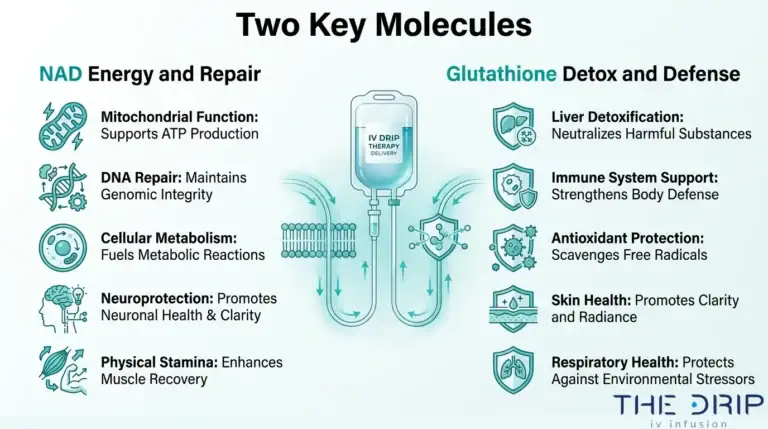
Zinc IV therapy can be combined with several complementary nutrients to address multiple wellness goals in a single session. Common pairings include magnesium, glutathione, vitamin C, and B vitamins.
According to a 2025 mixed-methods study published in JAMA Internal Medicine analyzing 255 IV hydration-spa websites, hydration infusions were commonly combined with magnesium at 57.3% of sites and glutathione at 53.7% of sites, while vitamin injections were offered at 63.5% of sites. These combinations reflect how providers frequently pair minerals and antioxidants within a single IV protocol.
Popular nutrients combined with zinc IV therapy include:
- Magnesium supports muscle recovery and nervous system function alongside zinc’s immune benefits.
- Glutathione provides antioxidant protection that complements zinc’s role in cellular repair.
- Vitamin C enhances immune defense when paired with zinc during cold and flu season.
- B-complex vitamins contribute to energy metabolism, which can support individuals experiencing fatigue from zinc deficiency.
However, the same JAMA Internal Medicine study noted that only 4 state policies comprehensively addressed governance, prescriber credentials, dispensing practices, and compounding practices for IV hydration spas. This regulatory gap makes choosing a reputable provider essential. Any multi-nutrient IV protocol should be tailored by a qualified professional who reviews your health history and current medications, since nutrient interactions can affect safety and efficacy.
Understanding which combinations suit your needs sets the stage for exploring how mobile delivery makes these infusions more accessible.
How Can Mobile IV Therapy Make Zinc Infusions Convenient?
Mobile IV therapy makes zinc infusions convenient by delivering treatment directly to your home or workplace, eliminating clinic visits. The sections below cover how The Drip IV Infusion brings zinc IV therapy to you and the essential takeaways from this guide.
Can The Drip IV Infusion Deliver Zinc IV Therapy to You?
Yes, The Drip IV Infusion can deliver zinc IV therapy to you. As a mobile IV therapy service operating in Arizona, The Drip IV Infusion sends experienced nurses directly to your home, office, or preferred location. Zinc is available as a customizable add-on to any IV cocktail on the menu, allowing your infusion specialist to tailor the session to your specific needs. Founded in Fall 2022 by professionals with decades of experience in nursing and emergency medicine, The Drip IV Infusion provides this service without requiring you to travel to a clinic or wait in a medical facility. A typical session takes about one hour from setup to completion.
What Are the Key Takeaways About Zinc IV Therapy?
The key takeaways about zinc IV therapy center on its role as a targeted delivery method for a mineral essential to immune function, wound healing, and enzymatic activity. Intravenous administration achieves 100% bioavailability, bypassing the digestive limitations that reduce oral zinc absorption to as low as 16%. This route is particularly relevant for individuals with malabsorption conditions, confirmed deficiency, or difficulty tolerating oral supplements. However, zinc IV therapy requires professional supervision, appropriate dosing, and monitoring to avoid complications like copper depletion. Always consult a healthcare provider before starting any IV nutrient protocol. The Drip IV Infusion can help you explore whether zinc IV therapy fits your wellness goals.