IV vitamin therapy frequency in Phoenix depends on your health goals, activity level, and exposure to the desert’s extreme heat. Most healthy residents benefit from one to two sessions per month for general maintenance, while athletes, outdoor workers, and individuals managing chronic conditions often require weekly or biweekly infusions.
This guide covers how Phoenix’s climate shapes hydration and nutrient needs, recommended session frequency across wellness goals and medical conditions, athletic and sickness recovery protocols, safety risks of over-frequent treatments, and how mobile IV delivery fits into a Phoenix lifestyle.
Phoenix’s summer temperatures regularly exceed 110°F, with humidity often below 20%. This combination accelerates fluid losses exceeding 1 to 2 liters per hour during outdoor activity, depletes electrolytes and antioxidant reserves, and impairs oral nutrient absorption. Seasonal adjustment matters: weekly or biweekly sessions between May and September address peak depletion, while cooler months allow most people to extend intervals to monthly.
Frequency shifts significantly by goal. General wellness protocols start with weekly sessions for three to four weeks before tapering to monthly maintenance. Athletes in peak training benefit from weekly infusions timed within 24 hours of intense workouts, while weekend warriors do well with biweekly recovery sessions. NAD+ anti-aging therapy follows its own loading protocol of five treatments within 10 days before transitioning to weekly or monthly maintenance.
Immune support, sickness recovery, pregnancy-related nausea, and weight loss each carry distinct scheduling needs shaped by symptom severity and individual response. Chronic conditions like inflammatory bowel disease or autoimmune disorders increase nutrient demands, often requiring biweekly sessions during flares.
Personal factors including age, diet quality, and underlying health conditions determine how quickly your body depletes nutrients between sessions. Excessive frequency carries real risks, from vein damage and fluid overload to vitamin toxicity, making provider-guided scheduling essential.
What Is IV Vitamin Therapy and How Does It Work?
IV vitamin therapy is a method of delivering nutrients directly into the bloodstream through an intravenous line. This section covers what the treatment involves, how it bypasses digestive limitations, and why that matters for Phoenix residents.
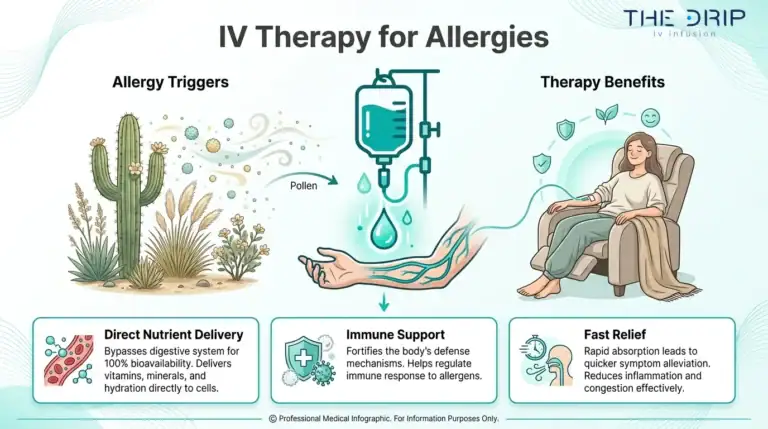
IV vitamin therapy delivers vitamins, minerals, and fluids through a small catheter placed in a vein, typically in the arm. A typical session takes about 1 hour, during which a customized blend of nutrients enters the bloodstream without passing through the digestive system. Because the infusion bypasses the gastrointestinal tract, it achieves significantly higher nutrient concentrations than oral supplements can. According to a study published in PubMed Central (Cureus), IV administration achieves plasma concentrations up to 20 millimolar (mM), compared to less than 300 micromolar (µM) through oral supplementation.
This bioavailability advantage is especially relevant in Phoenix, where extreme heat accelerates fluid loss and nutrient depletion. Oral absorption can be further compromised by heat stress, making IV delivery a practical alternative for maintaining hydration and nutrient levels when the body is under environmental strain.
Why Does Phoenix’s Climate Affect How Often You Need IV Therapy?
Phoenix’s climate affects how often you need IV therapy because extreme desert heat accelerates fluid loss, depletes electrolytes, and increases oxidative stress faster than moderate climates. The subsections below cover Phoenix’s record-breaking temperatures, the physiological toll of desert conditions, and how seasonal shifts should adjust your IV schedule.

How Does Phoenix’s Extreme Heat Increase Dehydration Risk?
Phoenix’s extreme heat increases dehydration risk by pushing the body’s cooling systems to their limits for months at a time. According to the Arizona Department of Health Services, Phoenix experienced 31 consecutive days with high temperatures exceeding 110°F in July 2023, an unprecedented streak in the city’s recorded history. Temperatures reached 119°F during that same period, and the city exceeded 100°F for approximately 30% of all days in 2024.
This sustained heat creates relentless fluid demand. Maricopa County recorded 645 heat-related deaths in 2023 alone, a record high. For Phoenix residents, dehydration is not a seasonal inconvenience; it is a persistent baseline condition that oral hydration alone often struggles to correct.
How Does Desert Climate Deplete Vitamins and Electrolytes?
Desert climate depletes vitamins and electrolytes through three compounding mechanisms: excessive sweat output, low humidity, and intense UV exposure. During outdoor activity in Phoenix summers, the body’s sweat response can produce fluid losses exceeding 1 to 2 liters per hour. Each liter of sweat carries sodium, potassium, magnesium, and other essential minerals with it.
Low humidity, often below 20%, accelerates evaporative water loss that many people do not notice. High UV exposure simultaneously increases oxidative stress and depletes antioxidant reserves, particularly vitamins C and E. Heat stress also impairs gastrointestinal nutrient absorption, meaning oral supplements become less effective precisely when the body needs nutrients most. This compounding cycle makes IV delivery especially relevant for Phoenix residents.
Should You Adjust IV Therapy Frequency by Season in Phoenix?
You should adjust IV therapy frequency by season in Phoenix because hydration and nutrient demands shift dramatically between summer and winter months. During peak summer (May through September), when temperatures consistently exceed 110°F, the body faces maximum fluid and electrolyte loss daily. More frequent sessions, whether weekly or biweekly, help counteract chronic depletion during this period.
Cooler months bring lower ambient temperatures and reduced sweat output, allowing most people to extend intervals to monthly or every six to eight weeks for general maintenance. However, Phoenix winters remain drier than most U.S. cities, so baseline hydration needs stay elevated year-round compared to humid climates. Listening to your body and tracking symptoms seasonally is the most practical approach to scheduling.
With climate demands established, the next step is determining your ideal IV therapy frequency for general wellness.
How Often Should You Get IV Therapy for General Wellness?
General wellness IV therapy frequency ranges from weekly to monthly, depending on your starting point and health goals. Most healthy individuals benefit from one to two sessions per month for ongoing maintenance.
According to multiple IV therapy wellness centers, most practitioners recommend 1-2 sessions per month for maintenance in otherwise healthy individuals. For those correcting fatigue or mild nutrient deficiencies, a common pattern involves weekly sessions for three to four weeks, then transitioning to every two to four weeks once symptoms improve.
Specialized protocols differ from standard wellness schedules. NAD+ IV therapy, for example, generally starts at once per week for the first four weeks, then shifts to once every two weeks for the following four weeks.
For most Phoenix residents pursuing general wellness, monthly sessions provide a solid baseline. However, starting with a more frequent initial phase often yields better results, especially when addressing specific deficiencies before settling into a maintenance rhythm.

How Often Should You Get IV Therapy for Dehydration in Phoenix?
IV therapy for dehydration in Phoenix ranges from weekly sessions during summer to monthly maintenance in cooler months, depending on heat exposure and activity level. The sections below cover summer frequency, outdoor worker schedules, and traveler rehydration needs.
How Often Do You Need IV Hydration During Phoenix Summers?
You need IV hydration one to two times per week during Phoenix summers if you spend significant time outdoors, though less active residents may need biweekly sessions. Phoenix’s average summer temperatures exceed 110°F, and humidity often drops below 20%, accelerating fluid loss through perspiration and evaporative cooling. The body’s sweat response during outdoor activity in these conditions can result in fluid losses exceeding 1 to 2 liters per hour, rapidly depleting both fluids and electrolytes. High UV exposure simultaneously increases oxidative stress and depletes antioxidant reserves, including vitamins C and E. This combination impairs nutrient absorption in the gastrointestinal tract, creating a compounding deficit that oral hydration alone struggles to correct.
Most Phoenix mobile IV therapy providers operate seven days a week, with many offering around-the-clock availability for urgent hydration needs. For anyone regularly exposed to triple-digit heat, proactive weekly sessions between May and September are far more effective than waiting until dehydration symptoms appear.
How Often Should Outdoor Workers in Phoenix Get IV Fluids?
Outdoor workers in Phoenix should get IV fluids one to two times weekly during summer months (May through September) when temperatures consistently exceed 110°F. During cooler months, biweekly to monthly sessions generally suffice. Workers engaged in heavy labor on days with particularly high heat indices may benefit from post-shift IV therapy the same day.
Construction workers, landscapers, and delivery personnel face the highest dehydration risk. According to mobile IV therapy industry data, Phoenix-based services specifically target these populations because extreme heat creates consistent, urgent demand for electrolyte replacement. Mobile IV delivery eliminates travel time, allowing workers to receive treatment at home or on-site immediately after a shift. For workers logging eight or more hours in direct sun, treating hydration recovery as part of the weekly routine rather than an emergency measure prevents cumulative fluid deficits from compounding across the workweek.
How Often Do Frequent Travelers Need IV Rehydration?
Frequent travelers need IV rehydration one to two days before long-haul flights and within 24 hours of arrival to optimize hydration and support circadian rhythm adjustment. Travelers passing through Phoenix multiple times per month may benefit from biweekly preventive sessions to maintain a consistent hydration baseline.
Air travel itself accelerates dehydration due to low cabin humidity, and flying into or out of Phoenix’s desert climate amplifies the effect. Pre-flight IV hydration primes the body with fluids and electrolytes before cabin conditions begin pulling moisture from tissues. Post-arrival sessions address any deficit accumulated in transit while replenishing nutrients lost to jet lag-related stress. For business travelers or flight crews on regular Phoenix routes, scheduling sessions around travel days turns rehydration into a predictable part of the itinerary rather than a reactive measure.
With dehydration frequency covered, understanding how athletes in Phoenix should time their IV sessions adds another layer of personalization.
How Often Should Athletes Get IV Therapy in Phoenix?
Athletes in Phoenix should get IV therapy weekly to biweekly during peak training seasons, with sessions scheduled within 24 hours of intense workouts or competitions. Frequency varies by training intensity, competition schedule, and athlete type.

How Often Should Endurance Athletes Schedule IV Infusions?
Endurance athletes should schedule IV infusions weekly during peak training periods and monthly during the off-season. Phoenix’s extreme heat compounds the fluid and electrolyte losses that already occur during long-distance running, cycling, and triathlon training, making consistent replenishment essential.
According to a PubMed Central study on athletic biomarkers, a comprehensive performance panel should include key markers of nutrition and metabolic health, hydration status, muscle status, endurance performance, injury status and risk, and inflammation. Tracking these markers helps determine whether weekly sessions remain necessary or if spacing can increase.
For endurance athletes training through a Phoenix summer, skipping even one scheduled session during a high-volume training block can create a recovery deficit that compounds over subsequent workouts.
How Often Do Weekend Warriors Need IV Recovery?
Weekend warriors need IV recovery biweekly during active training periods, transitioning to monthly maintenance during the off-season. Because recreational athletes typically train two to three days per week rather than daily, their cumulative fluid and nutrient losses are lower than those of competitive endurance athletes.
Biweekly sessions work well when timed after the most demanding weekend activity, such as a long trail run, pickup basketball, or outdoor cycling in the Phoenix heat. During months with no structured training, one monthly session supports baseline hydration and nutrient levels without overcommitting.
The key factor for this group is consistency over intensity; a steady biweekly rhythm prevents the cycle of depletion and catch-up that many recreational athletes experience.
How Often Should Gym Athletes Get IV Therapy Post-Training?
Gym athletes should get IV therapy post-training one to two times per week during periods of heavy lifting or high-intensity programming. Sessions are most effective when administered after the hardest training day of the week, supporting muscle recovery and reducing soreness.
According to Platinum IV Therapy, common patterns for correcting fatigue include weekly IV therapy for three to four weeks, then transitioning to every two to four weeks once symptoms improve. Gym athletes who train four to five days per week in Phoenix benefit from this front-loaded approach before settling into a maintenance rhythm.
After a single especially demanding session or competition, one IV therapy session typically corrects the acute deficit without requiring an ongoing schedule change.
With athletic recovery protocols established, understanding immune support frequency helps Phoenix residents protect their health year-round.
How Often Should You Get IV Therapy for Immune Support?
IV therapy for immune support follows a frequency schedule that varies by season, health status, and travel plans. The sections below cover cold season protocols, immunocompromised scheduling, and pre-travel immune drips.
How Often Should You Get IV Vitamin C During Cold Season?
You should get IV vitamin C biweekly during peak cold season (November through March) and transition to monthly sessions during lower-risk periods. Practitioners commonly administer high-dose IV vitamin C to patients during cold and flu season to support immune function, according to research published in PubMed Central. Monthly maintenance sessions during warmer months help sustain baseline immune protection. For Phoenix residents, cold season overlaps with the area’s mildest weather, making clinic visits or mobile appointments particularly convenient. Scheduling biweekly sessions proactively, rather than waiting for symptoms, offers the strongest preventive benefit during months when respiratory infections circulate most aggressively.
How Often Do Immunocompromised Individuals Need IV Therapy?
Immunocompromised individuals typically need IV therapy on a biweekly to monthly schedule, depending on disease activity and absorption capacity. IV vitamin therapy bypasses hepatic first-pass metabolism, which significantly reduces bioavailability of water-soluble vitamins like vitamin C and B-complex vitamins when taken orally. Fat-soluble vitamins (A, D, E, K) also face compromised absorption in individuals with gallbladder disease or liver dysfunction.
Key considerations for immunocompromised patients include:
- Biweekly sessions during active illness or flare periods.
- Monthly maintenance when symptoms are stable.
- Healthcare provider consultation before starting any protocol.
IV therapy is contraindicated in individuals with heart disease, kidney disease, or G6PD deficiency. Those with congestive heart failure require careful medical supervision to prevent fluid overload. For anyone with complex health conditions, frequency should always follow clinical guidance rather than a fixed calendar.
How Often Should You Get Immune IV Drips Before Travel?
You should get immune IV drips one to two days before long-haul flights and within 24 hours of arriving at your destination. This timing optimizes hydration and supports circadian rhythm adjustment. Frequent travelers departing from Phoenix multiple times per month may benefit from biweekly preventive IV therapy sessions to maintain consistent immune protection. Pre-travel drips that include vitamin C and zinc help fortify the body’s defenses before exposure to recirculated cabin air and unfamiliar environments. For most occasional travelers, a single session before departure provides meaningful support without requiring an ongoing schedule.
With immune support protocols in place, recovery-focused IV therapy addresses illness that has already taken hold.
How Often Should You Get IV Therapy for Sickness Recovery?
You should get IV therapy for sickness recovery one to three times during an acute illness, depending on symptom severity and how quickly your body responds. Timing and frequency shift based on whether you are fighting a cold, recovering from a stomach virus, or bouncing back from travel-related fatigue.
For mild illnesses like a common cold, a single IV session at symptom onset often provides enough hydration, vitamin C, and zinc to support faster recovery. More severe cases involving vomiting, fever, or prolonged fatigue may warrant two to three sessions spaced 24 to 48 hours apart until symptoms resolve. The goal is to correct the acute deficit rather than follow a rigid calendar. According to sports medicine IV therapy resources, post-event recovery IV therapy should be administered within 24 hours of the stressor, a principle that applies equally to sickness recovery, where early intervention shortens the recovery window.
Travelers recovering from jet lag and travel-related fatigue also benefit from IV hydration and nutrient supplementation to accelerate recovery from long-distance travel. One session upon return to Phoenix typically addresses the combined effects of dehydration, disrupted sleep, and immune suppression from air travel.
For most people recovering from a short-term illness, IV therapy frequency should follow clinical need. Once energy returns, appetite normalizes, and hydration stabilizes, additional sessions are unnecessary. Chronic or recurring illness patterns, however, may signal a need for a more structured immune support schedule rather than reactive sickness recovery alone.
How Often Should You Get IV Therapy for Anti-Aging and NAD+?
You should get IV therapy for anti-aging and NAD+ starting with an intensive loading phase, then transitioning to weekly or monthly maintenance sessions. Dosing and frequency depend on individual response and protocol goals.
NAD+ IV therapy typically involves an initial loading dose of five IV treatments within 10 days, followed by weekly to monthly maintenance sessions depending on the protocol. Standard NAD+ IV therapy dosing ranges from 250 to 1,500 mg per session, with sessions spaced weekly to monthly based on individual response.
For most people pursuing anti-aging benefits, starting with more frequent sessions builds cellular NAD+ reserves before tapering to a sustainable rhythm. Because NAD+ levels decline naturally with age, consistent maintenance sessions preserve the energy and cognitive gains achieved during the loading phase. NAD+ is one of the most protocol-sensitive IV therapies available; working with an infusion specialist to monitor your response ensures the right balance between frequency and results.
How Often Can Expecting Mothers Get IV Therapy for Nausea?
Expecting mothers can get IV therapy for nausea as needed under medical guidance, with frequency ranging from a single session to regular weekly treatments depending on symptom severity. The key factors are whether nausea is mild morning sickness or the more severe condition known as hyperemesis gravidarum.
How Often Is IV Therapy Safe During Pregnancy for Morning Sickness?
IV therapy during pregnancy for morning sickness is safe when administered under proper medical supervision, though frequency varies by individual need. Nausea and vomiting affect 70 to 85 percent of pregnant women, according to a study published in PubMed Central. Some women may need only one or two IV treatments during their entire pregnancy, while others with persistent symptoms require more frequent interventions.
IV fluids replenish lost intravascular volume and correct dehydration, with normal saline or Hartmann solution serving as suitable options. For expecting mothers in Phoenix, where heat compounds fluid loss, even mild morning sickness can escalate dehydration faster than in cooler climates. OB-GYN approval should always precede any IV therapy schedule during pregnancy.
What Is Hyperemesis Gravidarum and How Does IV Frequency Change?
Hyperemesis gravidarum is a severe form of pregnancy-related nausea and vomiting that affects between 0.3 and 2.3 percent of all pregnancies. Unlike typical morning sickness, this condition causes persistent vomiting that leads to significant dehydration, electrolyte imbalance, and nutritional deficiency.
IV therapy frequency for hyperemesis gravidarum increases substantially. Rehydration and electrolyte replacement are critical components of treatment, often requiring multiple sessions per week during acute episodes. Thiamine supplementation becomes essential for patients with protracted vomiting; when oral intake is not possible, 100 mg of thiamine diluted in normal saline can be infused weekly. Dextrose saline may be more effective at reducing nausea than normal saline alone. Because severity fluctuates throughout pregnancy, frequency should be reassessed regularly with a healthcare provider.
Which IV Nutrients Are Recommended for Pregnant Women?
The IV nutrients recommended for pregnant women focus on replacing what severe nausea depletes. Essential components include:
- Electrolytes restore sodium, potassium, and chloride lost through vomiting.
- Thiamine (vitamin B1) prevents Wernicke encephalopathy in patients with prolonged vomiting.
- Fluids such as normal saline or Hartmann solution correct dehydration and stabilize blood volume.
- Potassium chloride is added when lab values indicate deficiency.
- Dextrose provides caloric support when oral food intake is minimal.
Formulations must exclude high-dose vitamins or compounds not cleared for pregnancy use. Every IV blend for expecting mothers should be reviewed and approved by a qualified healthcare provider before administration. With nutrient safety established, weight management represents another common reason Phoenix residents explore IV therapy schedules.
How Often Should You Get IV Therapy for Weight Loss Support?
IV therapy for weight loss support is typically administered once to three times weekly, depending on the formulation and individual metabolic goals. The sections below cover lipotropic injection frequency and how metabolic conditions like diabetes influence scheduling.
Lipotropic injections containing MIC (methionine, inositol, choline) and B12 represent the most common IV-based weight loss support approach. No official clinical guidelines govern their frequency, so practitioners tailor schedules to each client’s response and body composition goals.
According to Healthline, there is no official guidance on the frequency of lipotropic injections for weight loss, with practitioners administering them once or twice weekly based on individual needs and medical advice. Some protocols call for MIC B12 dosages of 2 to 3 milliliters per session, applied two to three times weekly for individuals seeking more aggressive fat mobilization. Amino acid levels typically spike for about one week after each session, which is why weekly administration serves as the baseline starting point.
Individuals with diabetes experience altered nutrient metabolism and increased urinary losses of B vitamins and magnesium. These patients may benefit from IV therapy every 2 to 4 weeks to maintain optimal nutrient levels and support metabolic function alongside any weight loss protocol. For most people pursuing weight loss, starting with weekly lipotropic sessions for four to six weeks, then reassessing based on progress, offers the most practical path forward.
What Factors Determine Your Ideal IV Therapy Frequency?
Your ideal IV therapy frequency depends on age, diet quality, and underlying health conditions. Each factor influences how your body absorbs and retains nutrients, directly shaping how often sessions deliver meaningful benefit.
Does Your Age Affect How Often You Should Get IV Therapy?
Your age affects how often you should get IV therapy because nutrient absorption declines as the body ages. NAD+ levels drop with increasing age due to reduced activity in both salvage pathways and de novo synthesis, driven by altered levels of rate-limiting enzymes and precursors. Research also shows that increased activity of NAD+ hydrolases, particularly CD38, accelerates this decline in specific tissues during aging. Older adults often benefit from more frequent sessions to maintain optimal nutrient levels and support mitochondrial function. Younger, healthy individuals typically sustain nutrient levels longer between infusions, making monthly sessions sufficient for most. For anyone over 50, working with a provider to establish a baseline through bloodwork is one of the smartest first steps before committing to a schedule.
Does Your Diet Change How Frequently You Need IV Vitamins?
Your diet changes how frequently you need IV vitamins because nutrient absorption depends heavily on digestive efficiency and gut health. According to Merck Manuals, oral nutrient bioavailability varies significantly due to gastrointestinal disorders, enzyme deficiencies, medication interactions, and dietary restrictions. Gut microbiota plays a central role in this process. A balanced microbial environment helps convert nutrients into bioavailable forms, while dysbiosis, leaky gut syndrome, or prolonged antibiotic use impairs absorption of essential vitamins. Conditions like lactase deficiency or pancreatic insufficiency further reduce the body’s ability to utilize dietary nutrients. People eating whole-food, plant-rich diets generally need less frequent IV support. Those relying on processed foods high in refined sugars and low in fiber often carry greater nutritional gaps that benefit from more regular supplementation.
Do Chronic Health Conditions Require More Frequent Sessions?
Chronic health conditions require more frequent IV therapy sessions because they increase nutrient demands and impair absorption. Patients with Crohn’s disease and other inflammatory bowel disease (IBD) conditions experience severe malabsorption, often requiring weekly to biweekly sessions during active flares and monthly maintenance during remission. Autoimmune conditions create chronic inflammation that elevates nutrient depletion; IV therapy frequency for autoimmune management typically ranges from biweekly to monthly based on disease activity. Even pregnancy-related conditions like hyperemesis gravidarum vary widely: some women need only one or two IV treatments total, while others require frequent interventions throughout pregnancy. For anyone managing a chronic condition in Phoenix, the combination of disease-driven depletion and extreme desert heat makes proactive scheduling especially important.
With these personal factors mapped out, understanding what happens when IV therapy frequency becomes excessive helps you find the right balance.
What Happens if You Get IV Vitamin Therapy Too Often?
Getting IV vitamin therapy too often can cause fluid overload, vein damage, vitamin toxicity, and dangerous electrolyte imbalances. These risks increase significantly for individuals with kidney disease, heart conditions, or certain genetic factors. The following subsections cover the specific complications of excessive IV therapy frequency.

Can Too Many IV Sessions Cause Fluid Overload?
Too many IV sessions can cause fluid overload when fluids enter the body faster than the heart and kidneys can process them. Excess fluid accumulates in the lungs, potentially resulting in pulmonary edema. According to a PubMed Central review, a positive fluid balance from IV fluid therapy is associated with higher mortality in clinical settings. Patients with congestive heart failure or kidney disease face the greatest risk. This is why spacing sessions appropriately and consulting a healthcare provider before increasing frequency matters, especially in Phoenix where heat-driven dehydration may tempt people to overdo treatments.
Does Frequent IV Therapy Damage Your Veins?
Frequent IV therapy damages veins when the same access sites are used repeatedly. Repeated needle insertion causes phlebitis, which is inflammation of the vein wall, along with bruising and scarring. Over time, damaged veins become harder to access, limiting future treatment options. Rotating injection sites and working with experienced infusion specialists reduces this risk considerably. For anyone maintaining a weekly or biweekly schedule, vein health should be monitored at every session.
Can Excessive IV Vitamins Lead to Toxicity or Electrolyte Imbalances?
Excessive IV vitamins can lead to hypervitaminosis when dosages exceed what the body can safely metabolize. According to the Cleveland Clinic, vitamin toxicity from high IV doses causes symptoms ranging from nausea and dizziness to serious adverse effects. Electrolyte imbalances, including hyponatremia and hyperkalemia, result from improper fluid composition or overly frequent administration. High-dose IV vitamin C is specifically contraindicated for individuals with G6PD deficiency due to hemolysis risk. Proper screening before each session prevents most toxicity-related complications.
Who Should Avoid Getting IV Therapy Too Frequently?
Individuals with certain health conditions should avoid getting IV therapy too frequently. Key contraindications include:
- Kidney disease, which impairs fluid and electrolyte clearance.
- Congestive heart failure, where excess fluid strains the cardiovascular system.
- Uncontrolled high blood pressure, which worsens with fluid volume increases.
- G6PD deficiency, a genetic condition that increases hemolysis risk with high-dose vitamin C.
Pregnant individuals should only receive IV therapy under direct medical supervision for specific indications. Anyone with these conditions needs careful provider coordination before establishing any recurring IV therapy schedule. Understanding these risks helps Phoenix residents set a frequency that supports wellness without overcorrection.
How Do You Know When It Is Time for Your Next IV Session?
You know it is time for your next IV session when your body shows specific physical signs of dehydration, nutrient depletion, or declining performance. The signals below help you schedule proactively rather than reactively.
Your body communicates the need for IV nutrient replenishment through several reliable indicators:
- Persistent fatigue that does not improve with adequate sleep or rest signals depleted B vitamins or electrolytes.
- Dark urine or excessive thirst points to dehydration that oral fluids alone may not resolve quickly in Phoenix’s dry heat.
- Prolonged muscle soreness lasting beyond 48 to 72 hours after exercise suggests inadequate recovery support.
- Frequent minor illnesses or slow wound healing may reflect compromised immune function from nutrient gaps.
- Declining workout performance despite consistent training often indicates the body is running at a deficit.
According to sports medicine resources, weekly infusions are recommended during competition season when athletes are stacking high-intensity sessions with inadequate recovery time. For non-athletes, the threshold is simpler: if symptoms persist after improving hydration and nutrition through oral intake, an IV session can bridge the gap faster than dietary changes alone.
Rather than following a rigid calendar, the most effective approach ties session timing to how you actually feel and perform. Tracking patterns in energy, urine color, and recovery speed over a few weeks reveals your personal rhythm, making it easier to anticipate when the next session will deliver the most benefit.
With your timing dialed in, the next step is finding a service that fits your schedule.
How Can Mobile IV Therapy in Phoenix Fit Your Schedule?
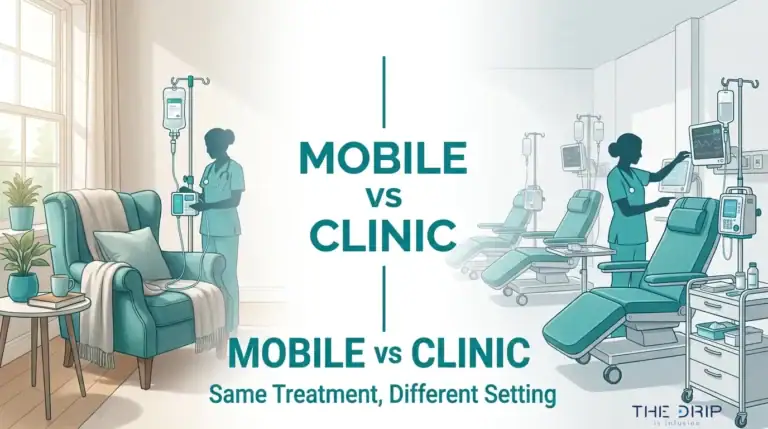
Mobile IV therapy in Phoenix fits your schedule by delivering treatments directly to your home, office, or hotel, eliminating clinic travel time. The following sections cover how The Drip IV Infusion personalizes this experience and what to remember about session frequency.
Can The Drip IV Infusion Bring Personalized IV Therapy to You?
Yes, The Drip IV Infusion can bring personalized IV therapy to you anywhere in the Phoenix area. Founded in Fall 2022 by professionals with decades of nursing and emergency medicine experience, The Drip IV Infusion delivers customized treatments to homes, offices, and event locations across Phoenix and Gilbert. Each session takes approximately one hour, and the menu includes IV cocktails, NAD+ therapy, and customizable add-ons like vitamin C, glutathione, and magnesium. IV therapy costs range from USD 150 for basic hydration to over USD 1,000 for specialized drips such as NAD+ infusions, according to Cleveland Clinic reporting. Many Phoenix providers also offer subscription models with weekly or biweekly options at reduced per-session rates, making consistent treatment more accessible. For busy professionals or athletes training in extreme heat, this eliminates the barrier of scheduling around clinic hours.
What Should You Remember About IV Therapy Frequency in Phoenix?
The most important thing to remember about IV therapy frequency in Phoenix is that no single schedule works for everyone. Phoenix’s extreme desert climate, individual health goals, and activity levels all influence how often sessions are needed. For healthy residents without heavy outdoor exposure, general wellness frequency of once monthly to once every six to eight weeks is appropriate for maintenance. Athletes in regular training may benefit from one to two sessions weekly, while a single post-event infusion typically corrects an acute deficit. Frequency should follow clinical need rather than a rigid calendar. Consulting with a qualified infusion specialist at The Drip IV Infusion helps establish the right cadence based on your lifestyle, symptoms, and health history.