Post-IV drip care is a set of recovery steps that protect your injection site, sustain hydration, and help your body fully absorb the delivered nutrients. This guide covers immediate post-infusion sensations, nutrition and hydration strategies, safe activity levels and injection site care, managing side effects, and maintaining long-term results through scheduling and mobile IV options.
Most people feel an energy boost and mental clarity within the first hour, with effects lasting anywhere from a few days to several weeks depending on the infusion type. Mild tingling, coolness at the puncture site, and slight soreness are normal and typically resolve within hours.
What you eat and drink afterward directly shapes how long your results last. Nutrient-dense meals rich in antioxidants and lean proteins support metabolic processing, while consistent water intake sustains the hydration your drip delivered. Alcohol should wait at least 24 hours to avoid counteracting the infusion’s benefits.
Light movement like walking is safe shortly after treatment, but heavy lifting and intense exercise should wait 6 to 24 hours. Keeping the bandage on for 30 to 60 minutes, applying gentle pressure, and monitoring for redness or swelling are the core steps for proper injection site healing.
Common side effects like lightheadedness, nausea, and bruising are mild and temporary; sitting down, sipping water, and applying a cold compress resolve most reactions quickly. Persistent symptoms or signs of infection warrant prompt medical attention.
Hydration benefits typically last 2 to 3 days, while vitamin infusions can sustain results for 2 to 3 weeks. Scheduling follow-up sessions based on your specific goal (whether hydration, immune support, or athletic recovery) keeps benefits consistent. Mobile IV services like The Drip IV Infusion simplify aftercare by bringing pro-administered treatment directly to your home.
How Should You Feel Immediately After an IV Drip?
You should feel a noticeable boost in energy, mental clarity, and overall well-being shortly after an IV drip. The sections below cover what physical sensations to expect once the needle is removed and how long those immediate effects typically last.

What Does It Feel Like Right After the IV Needle Is Removed?
Right after the IV needle is removed, it feels normal to notice tingling, mild coolness at the injection site, and slight soreness in the arm. According to Mobile IV Medics, common immediate physical sensations after IV therapy include tingling, coolness at the injection site, and mild soreness, which are typical and usually resolve within hours.
Most people also experience a sense of lightness or renewed alertness as the infused fluids and nutrients begin circulating. Light movement is acceptable, though strenuous activity should wait. Any bruising or tenderness at the puncture site typically fades within a few days without intervention.
How Long Do the Immediate Effects of IV Therapy Last?
The immediate effects of IV therapy last anywhere from one day to two weeks, depending on the treatment type, individual metabolism, and hydration level. According to Dr. Michael Varveris, while most IV fluids leave the body within a few hours, the effects typically last from a few days to two weeks based on the treatment and individual health status.
Hydration-focused drips tend to produce faster but shorter-lived relief. Therapies targeting immunity or energy, particularly those with vitamins and antioxidants, often sustain benefits longer. Many patients report feeling more alert and energetic for three to seven days following a vitamin drip. For most people, scheduling consistent sessions is the most reliable way to maintain those benefits over time.
With a clear picture of how you should feel post-drip, knowing what to eat and drink next helps sustain those results.
What Should You Eat and Drink After IV Therapy?
Post-IV nutrition and hydration directly influence how well your body retains the infusion’s benefits. The following subsections cover ideal foods, water intake, and alcohol guidelines after treatment.

What Foods Are Best to Eat After an IV Drip?
The best foods to eat after an IV drip are nutrient-dense options that support your body’s metabolic processes and maintain stable energy levels. Prioritize meals rich in antioxidant-packed vegetables, lean proteins, and complex carbohydrates within a few hours of your session.
Good post-infusion food choices include:
- Leafy greens and colorful vegetables for antioxidants and micronutrients
- Whole grains for sustained energy release
- Lean proteins like chicken, fish, or legumes for tissue repair
- Fresh fruits for natural vitamins and fiber
Avoiding alcohol for at least 24 hours post-treatment helps maintain the full benefits of the infusion, according to Elite Recovery & Cryo. Processed foods, excess sugar, and caffeine can also work against the nutrients your IV delivered. Pairing a clean, balanced meal with your infusion results is one of the simplest ways to extend the value of each session.
How Much Water Should You Drink After IV Infusion?
You should drink plenty of water after IV infusion to sustain hydration and minimize side effects like nausea or dizziness. Although a standard 1-liter IV bag delivers the hydration equivalent of 8 to 10 glasses of water in 40 to 60 minutes, oral fluid intake remains essential afterward.
According to Soleo Health, drinking water before and after IV treatment helps reduce nausea and dizziness while also making vein access easier for the nurse. Aim for consistent sipping throughout the day rather than consuming large volumes at once. For those who just received an IV, electrolyte-enhanced water or coconut water can complement the infusion’s effects. Maintaining oral hydration between sessions is particularly important because it prolongs the benefits your body received during the drip.
Should You Avoid Alcohol After IV Therapy?
Yes, you should avoid alcohol after IV therapy. Alcohol is a diuretic that counteracts the hydration and nutrient replenishment your infusion provided. According to The Hydration Room, waiting at least 24 hours before drinking alcohol helps prevent diminishing the effects of IV therapy treatment.
Alcohol consumption too soon after an infusion can trigger several problems:
- Accelerated dehydration that negates fluid restoration
- Increased strain on the liver while it processes infused nutrients
- Heightened risk of nausea, headaches, and fatigue
This 24-hour window is especially important if your IV session targeted recovery, immune support, or athletic performance. Giving your body time to fully absorb and utilize the delivered vitamins and minerals before introducing alcohol makes a meaningful difference in how long your results last.
With nutrition and hydration strategies in place, understanding safe physical activity levels helps protect your recovery further.
What Physical Activities Are Safe After an IV Drip?
Light activities such as walking and gentle stretching are safe after an IV drip, while strenuous exercise should wait. The following subsections cover exercise timing and rest recommendations.
How Soon Can You Exercise After IV Therapy?
You can exercise after IV therapy once you allow 6 to 24 hours for your body to stabilize, depending on the intensity of your planned workout. Light movement, such as walking or gentle yoga, is generally fine shortly after treatment. However, heavy lifting and high-impact workouts should be postponed, particularly with the arm where the IV was placed. According to The Hydration Room, many physically active people use IV hydration after exercise to replace fluids and address electrolyte needs, especially after intense training sessions. This makes IV therapy a better complement to your fitness routine when scheduled strategically around workouts rather than immediately before intense exertion.
Should You Rest After an IV Infusion?
Yes, you should rest after an IV infusion, at least briefly. Allowing your body time to absorb the delivered nutrients and fluids maximizes the treatment’s effectiveness. Light rest for 30 to 60 minutes post-session helps your circulatory system distribute vitamins, electrolytes, and hydration evenly. Sitting or reclining also reduces any risk of lightheadedness from rapid fluid shifts. Most patients can resume normal daily activities shortly after, but listening to your body remains the best guide. If fatigue or mild soreness persists, extending your rest period is a practical choice that protects your results.
With activity timing understood, proper care of the IV injection site ensures a smooth recovery.
How Should You Care for the IV Injection Site?
You should care for the IV injection site by applying gentle pressure, keeping the bandage clean, and monitoring for signs of complications. The following subsections cover bruise prevention, warning signs to watch for, and when to remove the bandage.

How Do You Prevent Bruising at the IV Site?
You prevent bruising at the IV site by applying firm, steady pressure with a cotton ball or gauze for several minutes immediately after the catheter is removed. Avoid bending the arm too soon, as this can disrupt clot formation at the puncture point.
If minor bruising does appear, applying ice or a cold pack for 10 to 20 minutes with a thin cloth barrier between the ice and skin helps reduce swelling. According to CDC guidelines, the IV dressing should be replaced when it becomes damp, loosened, or soiled, or when inspection of the site is necessary. Keeping the dressing intact and dry during the initial hours is one of the simplest ways to prevent unnecessary irritation that leads to bruising.
What Should You Do If the IV Site Becomes Swollen or Red?
You should elevate the affected arm and apply a cool compress if the IV site becomes swollen or red. Mild localized redness with cool swelling and skin tightness typically indicates infiltration, which occurs when fluid leaks into surrounding tissue rather than staying in the vein.
Phlebitis, by contrast, presents with warmth, pain that tracks along the vein, and sometimes a palpable cord beneath the skin. If redness spreads, the area feels increasingly warm, or you notice any drainage, contact your healthcare provider promptly. These signs can indicate infection, which typically develops two to three days after catheter placement. Most mild swelling resolves on its own within a day or two, but persistent or worsening symptoms should never be ignored.
When Should You Remove the Bandage After IV Therapy?
You should remove the bandage after IV therapy once the puncture site has had adequate time to close, typically 30 to 60 minutes at minimum. Some healthcare providers recommend keeping the bandage on for up to 24 hours for optimal wound protection.
Once removed, gently clean the area with mild soap and water. Avoid scrubbing. According to NCBI Nursing Advanced Skills resources, infiltration is one of the most common complications in infusion therapy involving an IV catheter. Keeping the site covered and undisturbed during the initial healing window reduces this risk significantly. After the bandage comes off, continue monitoring for any delayed swelling, redness, or tenderness over the next 48 hours.
With proper injection site care in place, understanding potential side effects helps you respond quickly if anything feels unusual.
What Side Effects Can Occur After an IV Drip?
Side effects that can occur after an IV drip include soreness, bruising, nausea, headache, and lightheadedness. The following subsections cover how to manage each common reaction and when professional help is needed.
What Should You Do If You Feel Lightheaded After IV Therapy?
If you feel lightheaded after IV therapy, you should sit or lie down immediately, breathe slowly, and sip water. According to Recoverie NYC, some people feel temporarily dizzy or lightheaded during or immediately after vitamin infusion, which can be caused by rapid fluid shifts or electrolyte changes.
A cool sensation or slight weight in the arm during the session is normal and not a cause for concern. Lightheadedness typically resolves within minutes once the body adjusts. If the feeling persists beyond 15 to 20 minutes, contact your infusion specialist. Staying well-hydrated before your appointment reduces the likelihood of this response significantly.
What Should You Do If You Experience Nausea After an IV Drip?
If you experience nausea after an IV drip, you should rest in a comfortable position, take small sips of water, and avoid heavy meals for one to two hours. Nausea can result from the rapid introduction of vitamins and fluids into the bloodstream, particularly on an empty stomach.
Light, bland foods, such as crackers or toast, help settle the stomach once the initial discomfort eases. According to Awaken IV, patients should avoid exercise or intense physical activity for 6 to 24 hours after receiving an IV drip to allow the body adequate time to recover. Skipping strenuous activity after your session gives your system the stability it needs to process the infusion without added stress.
What Should You Do If You Notice Bruising After IV Infusion?
If you notice bruising after IV infusion, you should apply a cold compress to the area for 10 to 20 minutes at a time with a thin cloth between the ice and your skin. Bruising at the puncture site is one of the most common and harmless side effects of IV therapy.
Avoid heavy lifting or straining the arm where the IV was placed for the rest of the day. The discoloration typically fades within a few days without treatment. Keeping the area clean and avoiding tight sleeves or pressure on the site speeds healing. For most people, mild bruising is cosmetic rather than a medical concern.
When Should You Contact a Doctor After IV Therapy?
You should contact a doctor after IV therapy if you experience symptoms that worsen or do not resolve within a few hours. According to Active Med Health, common mild effects of IV therapy include soreness, nausea, headache, and lightheadedness, which can stem from anxiety, a vasovagal response, or dehydration.
Signs that warrant medical attention include:
- Increasing redness, warmth, or swelling that spreads from the IV site.
- Fever or chills developing within 24 to 48 hours post-infusion.
- Persistent pain at the puncture site that intensifies rather than fades.
- Pus or drainage from the injection area.
When mild side effects resolve quickly, no follow-up is necessary. However, any symptom that progressively worsens signals a potential complication requiring prompt evaluation. Understanding which reactions are normal helps you make confident decisions about your post-infusion care.
How Long Do the Benefits of IV Therapy Last?
The benefits of IV therapy last anywhere from a few days to several weeks, depending on the type of infusion and individual factors. Hydration effects, vitamin duration, and lifestyle habits all influence how long results persist.
IV therapy benefits for hydration typically last 2 to 3 days, while vitamin infusions may provide benefits lasting 2 to 3 weeks, depending on individual health status and activity levels, according to Thrive Drip Spa. Hydration-focused drips deliver the fastest initial relief, often within the first hour, but the fluids themselves leave the body relatively quickly. Vitamin and nutrient infusions, such as those containing B-complex vitamins, vitamin C, magnesium, or glutathione, tend to sustain effects longer because the body stores and metabolizes these nutrients over time. Factors that shorten benefit duration include high physical activity, stress, poor dietary habits, and underlying health conditions that increase nutrient demand. Conversely, pairing IV therapy with consistent hydration, balanced nutrition, and adequate rest helps extend results. For most people, scheduling consistent sessions based on their specific goals is the most practical way to maintain the benefits rather than relying on a single infusion.
Understanding how long your results will last helps you plan when to schedule follow-up sessions.
Can You Shower or Bathe After an IV Drip?
Yes, you can shower or bathe after an IV drip, but you should wait at least one hour before exposing the puncture site to water. According to Get A Drip’s aftercare guidelines, patients should avoid showering, bathing, or exposing the puncture site to water for at least one hour after IV therapy to allow the injection site to properly close. Once that initial window passes, normal bathing is safe. Kaiser Permanente advises patients to shower or bathe as usual after IV therapy but to be gentle around the IV site for a day or two. Avoid submerging the area in hot tubs or pools until any redness resolves completely. Keeping the bandage dry during that first hour is the simplest way to protect the healing puncture wound.
With bathing precautions in place, knowing when it is safe to drive ensures a smooth return to your routine.
How Soon Can You Drive After IV Therapy?
You can drive after IV therapy in most cases, though the answer depends on whether sedating medications were part of your infusion. Standard wellness drips rarely impair driving ability, while certain medicated infusions require a waiting period.
Most standard IV therapy sessions that deliver vitamins, minerals, and hydration fluids do not impair motor function or cognitive alertness. Patients receiving these types of wellness infusions can typically drive themselves home immediately after their appointment. However, if your infusion included sedating medications such as tricyclic antidepressants, the situation changes significantly. According to a 2014 study published in PubMed Central, patients receiving tricyclic antidepressants or sedating medications via IV should avoid driving during initial use and after each dosage adjustment.
The safest approach is to confirm with your infusion specialist whether any component of your drip could affect alertness or coordination. When in doubt, arrange alternate transportation. For anyone who prefers to eliminate this concern entirely, mobile IV therapy services deliver treatment directly to your home, removing the need to drive at all after a session.
How Often Should You Schedule Follow-Up IV Drip Sessions?
Follow-up IV drip sessions should be scheduled based on your specific wellness goal. Hydration, immune support, and athletic recovery each require different frequencies, ranging from monthly maintenance to weekly sessions.
How Often Should You Get IV Therapy for Hydration?
You should get IV therapy for hydration on a schedule that matches your individual needs, though most people benefit from sessions every two to four weeks for general maintenance. According to a 2025 review published by the National Center for Biotechnology Information, the beneficial effects of IV therapy, such as temporary increases in energy or hydration, are usually transient and should not be considered permanent interventions. This is precisely why consistent scheduling matters.
For most healthy adults, optimal hydration can be maintained through normal beverages and meals between sessions. IV hydration therapy works best as a periodic supplement rather than a daily necessity, particularly during periods of high heat exposure, travel, or increased physical demand. A licensed nurse with a prescriber’s order must administer each session to ensure safe, compliant care.
How Often Should You Get IV Therapy for Immune Support?
You should get IV therapy for immune support every two to four weeks during peak cold and flu season, or monthly for year-round maintenance. Immune-focused infusions typically contain vitamin C, zinc, and glutathione, which support the body’s natural defenses but require replenishment as levels decline over time.
Pairing sessions with a nutrient-dense diet amplifies the results. Eating antioxidant-rich vegetables within a few hours of an infusion supports metabolic processes and helps maintain stable energy between treatments. For those who travel frequently or face heightened immune challenges, scheduling sessions closer together during high-risk periods is the most practical approach.
How Often Should You Get IV Therapy for Athletic Recovery?
You should get IV therapy for athletic recovery on a weekly or bi-weekly basis to maintain optimal hydration and nutrient levels during active training cycles. According to Gardner Orthopedics, this frequency supports ongoing inflammation control and consistent recovery between workouts.
Pre-competition scheduling also plays a role. Booking an IV session 24 to 48 hours before a major athletic event can prime plasma volume and replenish nutrient stores. During off-season or lighter training blocks, reducing frequency to monthly sessions is often sufficient. The key is matching session cadence to training intensity; the harder the body works, the more frequently it benefits from direct nutrient replenishment.
With a clear follow-up schedule in place, exploring mobile IV options can make maintaining that routine even easier.
How Can Mobile IV Therapy Improve Your Post-Infusion Experience?
Mobile IV therapy improves your post-infusion experience by eliminating travel, allowing immediate rest at home, and providing nurse-supervised aftercare in a familiar setting. The following sections cover how The Drip IV Infusion simplifies recovery and the essential takeaways for post-drip care.
Can The Drip IV Infusion’s Nurse-Administered Home Sessions Simplify Your Aftercare?
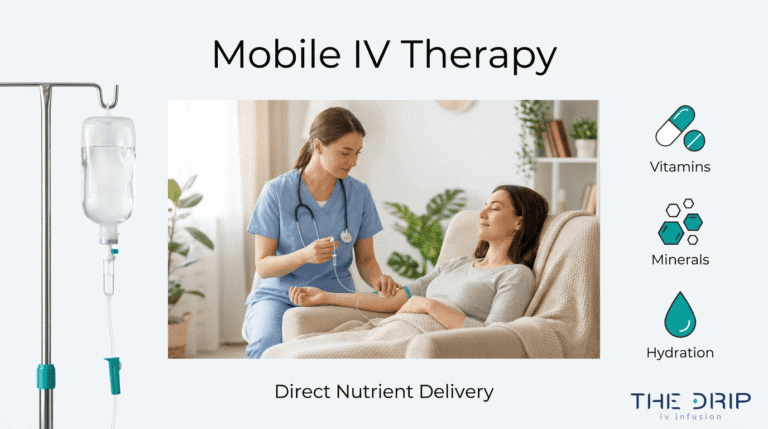
Yes, The Drip IV Infusion’s nurse-administered home sessions can simplify your aftercare by removing the need to travel after treatment. Receiving an IV drip at home means you can transition directly into rest, hydration, and recovery without the stress of driving or sitting in a waiting room. The Drip IV Infusion sends experienced registered nurses to your location, so aftercare guidance happens in real time. According to AZ IV Medics, mobile IV therapy in the United States is subject to FDA regulations that oversee the safety and efficacy of IV therapy devices and solutions. Because you are already in a comfortable environment, following post-infusion steps like keeping the bandage on, eating a nutrient-dense meal, and avoiding strenuous activity becomes far more practical.

What Are the Key Takeaways About What to Do After an IV Drip?
The key takeaways about what to do after an IV drip focus on protecting the injection site, staying hydrated, and allowing your body time to absorb nutrients. Essential post-infusion steps include:
- Keep the bandage on for at least 30 to 60 minutes so the puncture site can close and stop bleeding.
- Avoid heavy lifting or high-impact workouts with the treated arm for at least a few hours to prevent strain on the injection site.
- Continue drinking water to maintain hydration levels after infusion.
- Eat a balanced, nutrient-rich meal within a few hours to support stable energy.
- Wait at least 24 hours before consuming alcohol.
- Monitor the IV site for unusual redness, swelling, or warmth, and contact a healthcare provider if symptoms persist.
Most people notice IV therapy benefits within 15 to 60 minutes during or shortly after the drip, with hydration-focused treatments tending to work fastest. Following these aftercare steps consistently helps extend the value of each session and supports a smoother recovery overall.