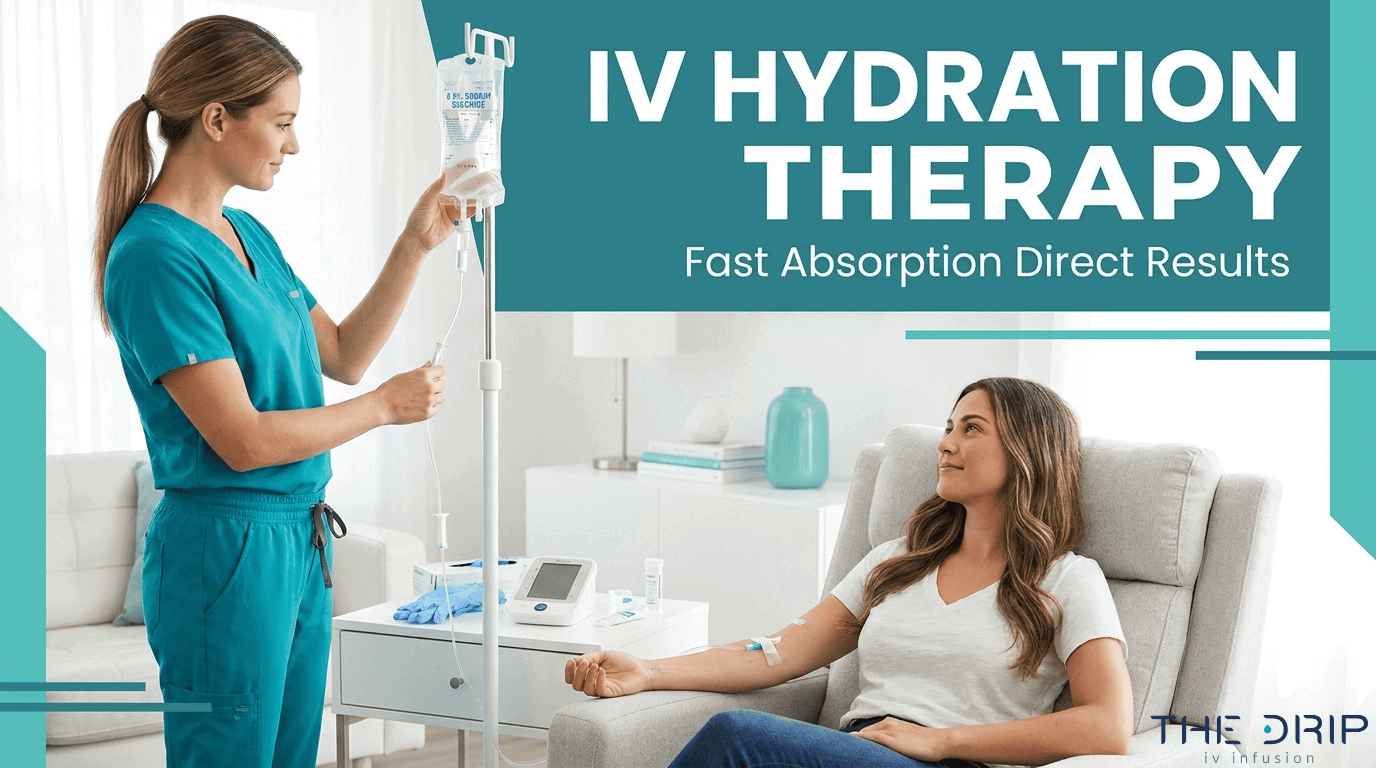
IV hydration is a medical process that delivers fluids, electrolytes, and nutrients directly into the bloodstream through a vein, bypassing the digestive system for near-immediate absorption. The fluid component is typically processed and excreted within a few hours, while IV vitamins can remain in the body for up to two to three weeks depending on their solubility.
This guide covers how IV hydration works and session timelines, how long effects last across different use cases, the individual factors that influence duration, nutrient retention pharmacokinetics, and optimal treatment frequency.
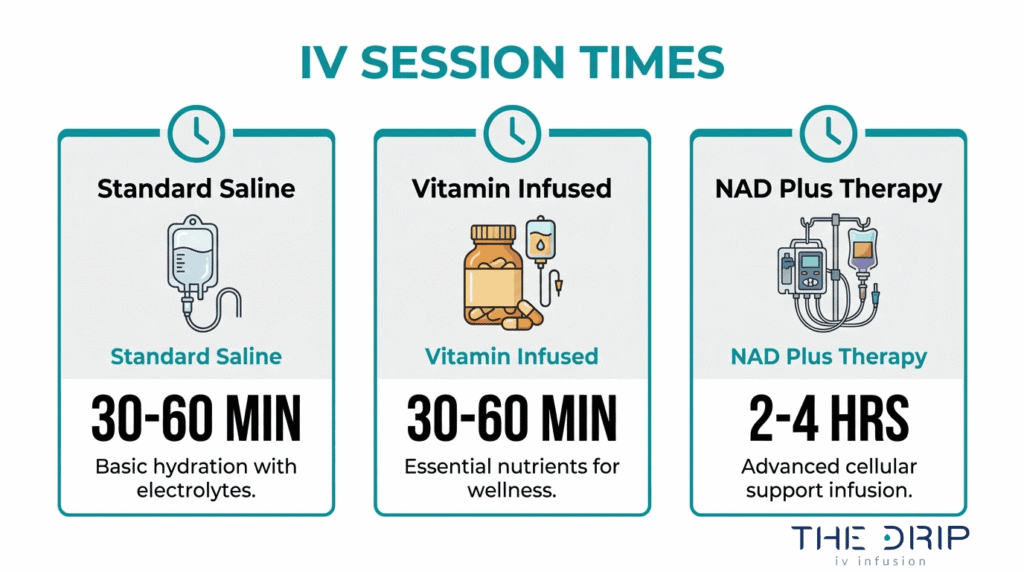
Standard saline and vitamin-infused drips typically finish within 30 to 60 minutes, while specialized infusions like NAD+ require 2 to 4 hours due to slower administration rates needed for tolerability.
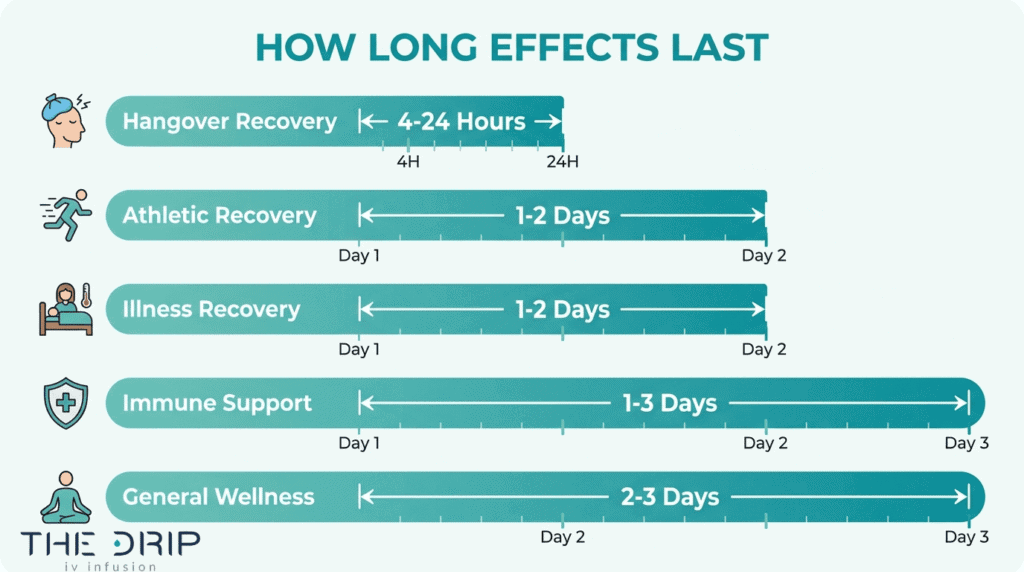
Effects duration varies significantly by purpose. Hangover recovery relief may last hours to a full day, athletic and illness recovery benefits persist for roughly one to two days, and immune support results often linger one to three days with consistent monthly sessions recommended for sustained benefit.
Several individual variables determine how long results persist. Metabolic rate, activity level, baseline hydration status, and overall health all influence how quickly the body depletes restored reserves. Fluid composition also plays a direct role; electrolytes like potassium and magnesium help the body retain water across intracellular and extracellular compartments longer than saline alone.
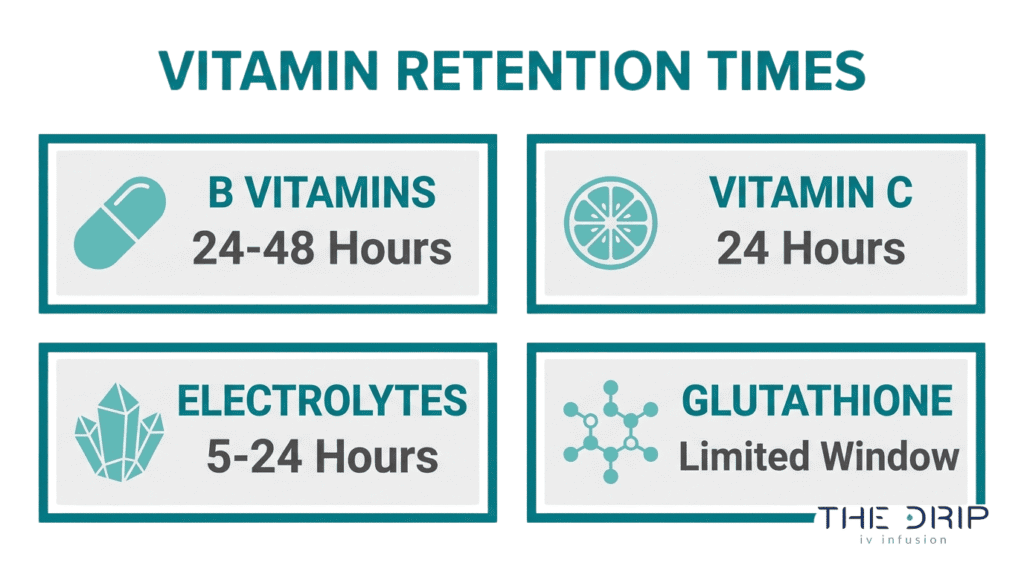
Water-soluble vitamins like Vitamin C and B-complex clear the system within 24 to 48 hours, while fat-soluble vitamins can be stored for weeks or months. Glutathione requires intravenous delivery to reach therapeutic levels at all, since oral bioavailability falls below 1%.
We also break down who benefits most from IV therapy, how IV hydration compares to oral intake, and how to maintain results between sessions with the right treatment schedule.
What Is IV Hydration and How Does It Work?
IV hydration is a medical process that delivers fluids, electrolytes, and nutrients directly into the bloodstream through a vein. This section covers how the process works, what it delivers, and why it bypasses the digestive system for faster results.
How Does IV Hydration Deliver Fluids to Your Body?
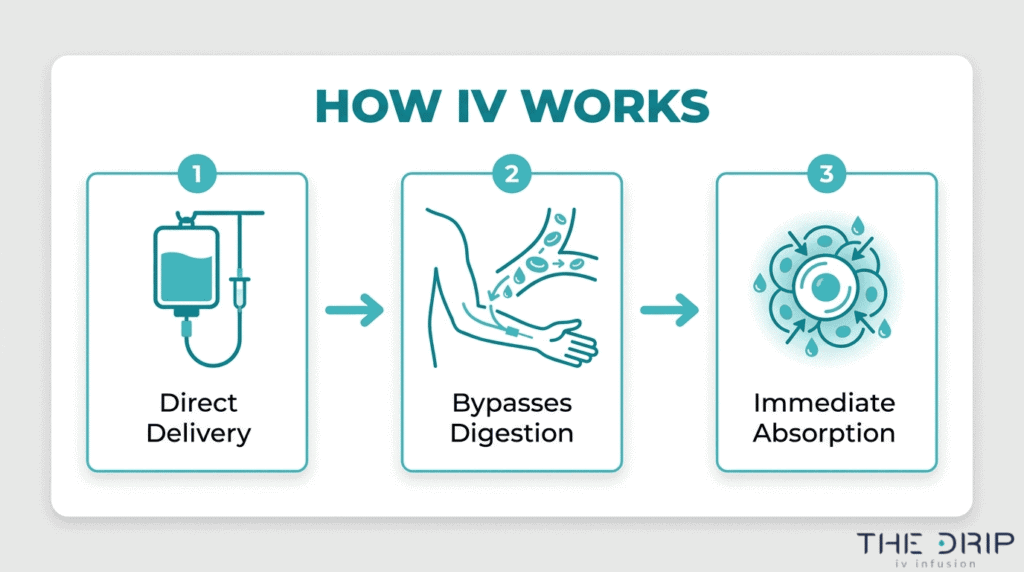
IV hydration delivers fluids to your body by inserting a small catheter into a vein, allowing a sterile solution to flow directly into the bloodstream. This bypasses the gastrointestinal tract entirely, which means the body does not need to digest or absorb the solution through the gut lining.
Once in the bloodstream, the fluid increases intravascular volume. According to a study published in the Porto Biomedical Journal, the main goal of IV fluid administration is to guarantee adequate tissue perfusion by manipulating hydrostatic and osmotic pressures across capillary walls. Cells receive hydration almost immediately, making this method especially valuable when rapid correction is needed.
What Does an IV Hydration Drip Contain?
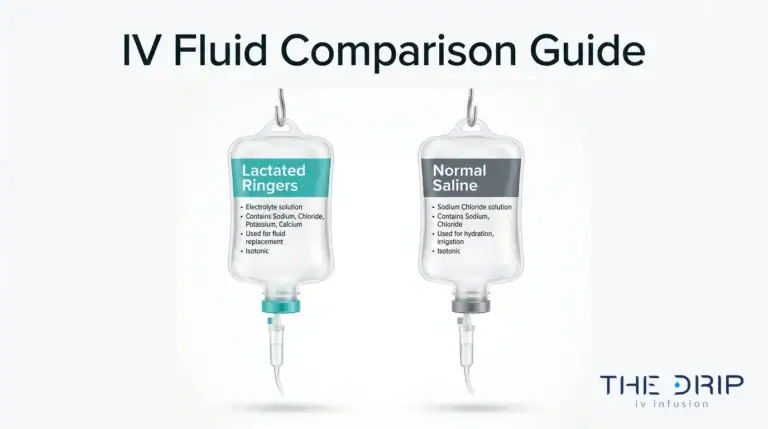
An IV hydration drip contains a base solution, typically normal saline or lactated Ringer’s, combined with optional vitamins, electrolytes, and antioxidants. Common additions include:
- Vitamin C for antioxidant and immune support
- B-complex vitamins for energy metabolism
- Magnesium for muscle function and relaxation
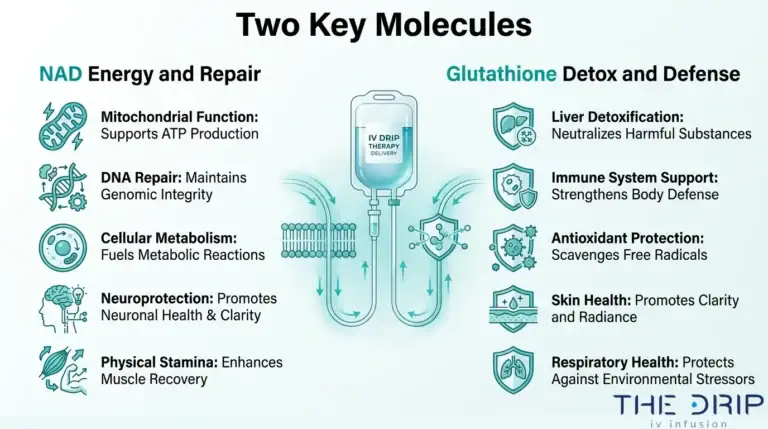
- Glutathione for cellular detoxification
- Zinc for immune defense
- NAD+ for cellular repair and anti-aging
The specific formulation depends on the client’s health goals. Because IV delivery achieves near 100% absorption by bypassing the digestive tract, even nutrients with poor oral bioavailability reach therapeutic levels in the blood. This flexibility makes IV hydration adaptable for recovery, wellness maintenance, and targeted nutrient replenishment.
Why Does IV Hydration Bypass the Digestive System?
IV hydration bypasses the digestive system because intravenous delivery routes fluids and nutrients directly into the bloodstream, skipping the stomach and intestines entirely. Oral intake requires absorption through the gut lining, a process that reduces bioavailability significantly. Oral Vitamin B12 supplements, for instance, absorb at only about 1.3% from high doses.
Gut enzymes, gastric acid, and conditions like nausea or malabsorption disorders further limit what the body retains from oral intake. IV administration eliminates these barriers completely. For anyone experiencing vomiting, severe dehydration, or compromised digestive function, this direct-to-bloodstream approach ensures the body receives what it needs without relying on a system that may already be impaired.
Understanding how IV hydration works sets the foundation for evaluating how long each session takes.
How Long Does an IV Hydration Session Take?
An IV hydration session takes anywhere from 30 minutes to 4 hours, depending on the type of infusion. Standard saline drips finish fastest, while specialized formulas like NAD+ require significantly more time.
How Long Does a Standard Saline IV Drip Take?
A standard saline IV drip takes between 30 to 60 minutes to complete. According to Cleveland Clinic, the exact duration depends on the volume of fluid administered and the patient’s vein health. Smaller 500 mL bags typically finish closer to the 30-minute mark, while full-liter infusions may need the entire hour. Vein accessibility and flow rate also play a role; well-hydrated veins accept fluid more readily than constricted ones. For most people seeking basic rehydration, this makes saline drips one of the quickest IV therapy options available.
How Long Does a Vitamin-Infused IV Drip Take?
A vitamin-infused IV drip takes approximately 30 to 60 minutes, similar to a standard saline session. Formulas containing nutrients like Vitamin C, B-complex, magnesium, or glutathione generally follow the same infusion window because they are dissolved in a saline or electrolyte base. The added vitamins do not significantly extend session length in most cases. However, higher-volume cocktails with multiple add-ons may trend toward the longer end of that range. In practice, most vitamin-enriched sessions finish comfortably within one hour, making them easy to fit into a lunch break or afternoon pause.
How Long Does a NAD+ IV Infusion Take?
A NAD+ IV infusion takes considerably longer than standard drips, typically requiring 2 to 4 hours per session. A 2024 study published in Frontiers in Aging found that NAD+ IV infusions averaged 97 minutes for moderate to severe symptom protocols, compared to just 37 minutes for nicotinamide riboside IV. High-dose NAD+ must be administered slowly to minimize side effects such as chest pressure or gastrointestinal discomfort. Rushing the drip rate increases the likelihood of these reactions. This slower pace is precisely why NAD+ sessions demand more time, but the careful approach supports better absorption and tolerability throughout the infusion.
With session times established, the next question is how long the effects of each infusion actually last.
How Long Do the Effects of IV Hydration Last?
The effects of IV hydration last anywhere from a few hours to several days, depending on the purpose of the treatment. Factors like fluid composition, individual metabolism, and the specific condition being addressed all influence duration. The following sub-sections break down expected timelines for dehydration, hangover recovery, athletic recovery, illness, immune support, and morning sickness relief.
How Long Do IV Hydration Effects Last for Dehydration?
IV hydration effects last approximately one to three days for general dehydration, though individual results vary based on severity and baseline health. The fluid component restores intravascular volume rapidly, with most saline processed and excreted within hours. However, the corrective benefits, including improved energy and cognitive clarity, often persist longer as cells rehydrate at the intracellular level.
Baseline hydration status and metabolic rate play significant roles in how quickly the body depletes restored fluid reserves. Someone with mild dehydration may feel sustained relief for two to three days, while severe cases may require repeated sessions. For anyone consistently prone to dehydration, scheduling treatments proactively rather than reactively tends to deliver more stable results.
How Long Do IV Hydration Effects Last for Hangover Recovery?
IV hydration effects last for a few hours to a full day for hangover recovery. According to American IV, the treatment directly restores blood volume and corrects electrolyte imbalances caused by alcohol consumption, which accounts for the relatively rapid but shorter-lived relief window.
Alcohol depletes fluids, B vitamins, and key electrolytes like magnesium and potassium simultaneously. IV hydration addresses all three deficiencies in a single session, which is why most people report near-immediate symptom improvement. The duration depends partly on how much alcohol was consumed and whether the body sustained additional stressors like poor sleep or skipped meals. For most people, one session is sufficient to recover fully from a typical hangover.
How Long Do IV Hydration Effects Last for Athletic Recovery?
IV hydration effects last roughly one to two days for athletic recovery. Athletes deplete fluids and electrolytes at accelerated rates during intense training, so the body utilizes IV-delivered resources faster than in sedentary individuals.
The primary benefit is rapid restoration of fluid balance and electrolyte levels post-exercise. Heart rate stabilization and muscle recovery both improve when hydration is corrected quickly after exertion. However, because active individuals have higher metabolic demands, the fluid and nutrient reserves are consumed more rapidly. This is why many competitive athletes schedule IV hydration sessions around training cycles rather than relying on a single treatment for prolonged benefit.
How Long Do IV Hydration Effects Last for Illness Recovery?
IV hydration effects last one to two days for illness recovery. Patients recovering from illness often report that the relief from IV hydration lingers for this duration, with some describing the feeling as “like a light switch being turned on,” according to Absolute Urgent Care.
Illnesses involving fever, vomiting, or diarrhea cause rapid fluid and electrolyte loss that oral intake struggles to replace. IV hydration bypasses the compromised digestive system entirely, delivering fluids where they are needed most. The duration of relief depends on whether the underlying illness is still active; ongoing symptoms like fever will continue depleting reserves. For persistent illness, multiple sessions spaced one to two days apart often maintain adequate hydration until the body recovers.
How Long Do IV Hydration Effects Last for Immune Support?
IV hydration effects last one to three days for immune support, with consistent monthly sessions recommended for sustained benefit. According to Pulse and Remedy, a monthly IV infusion is often recommended to keep energy levels stable and support long-term immune health.
Immune-supporting IV formulations typically include vitamin C, zinc, and B-complex vitamins, all of which are water-soluble and cleared from the system within 24 to 48 hours if not utilized by cells. The perceived benefits often outlast the nutrient presence because the immune system receives a concentrated resource boost during a critical window. For those seeking ongoing immune resilience rather than reactive treatment, consistent scheduling matters more than any single session’s duration.
How Long Do IV Hydration Effects Last for Morning Sickness Relief?
IV hydration effects last one to three days for morning sickness relief, though severe cases often require recurring treatments. According to the Journal of Health Sciences, IV hydration remains the first-line therapy for severe morning sickness and hyperemesis gravidarum, with treatments often required over several weeks or months depending on symptom severity.
Morning sickness creates a cycle where nausea prevents adequate oral fluid intake, worsening dehydration and intensifying symptoms. IV hydration breaks this cycle by restoring fluid volume without requiring the patient to drink or eat. Because the underlying hormonal triggers persist throughout early pregnancy, a single session provides temporary relief rather than a permanent solution. Most patients benefit from a treatment plan with sessions scheduled as symptoms dictate.
Understanding how long effects last by use case helps determine ideal treatment frequency, which depends on additional individual factors.
What Factors Affect How Long IV Hydration Lasts?
Several factors affect how long IV hydration lasts, including overall health, activity level, fluid composition, and hydration baseline. Each variable influences how quickly your body processes and retains the fluids delivered during an infusion.
How Does Your Overall Health Affect IV Hydration Duration?
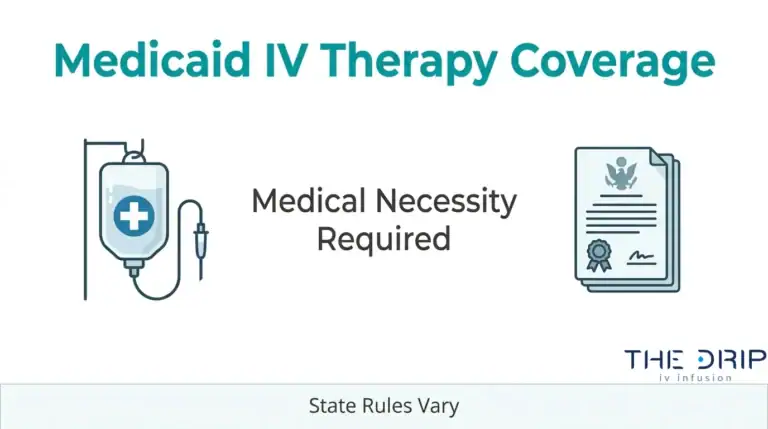
Your overall health affects IV hydration duration by influencing how efficiently your body absorbs, distributes, and retains fluids. Individuals with chronic conditions, compromised organ function, or weakened immune systems may process IV fluids differently than those in good health. Kidney function plays a particularly important role, since the kidneys regulate fluid excretion rates. Metabolic conditions can also accelerate nutrient depletion. Several U.S. states have updated their healthcare laws to permit licensed nurses and paramedics to administer IV hydration in non-traditional settings, according to Precedence Research, making it easier for individuals with complex health needs to receive treatments at home. For people managing ongoing health concerns, these individual differences often matter more than the infusion itself.
How Does Your Activity Level Affect IV Hydration Duration?
Your activity level affects IV hydration duration because more active individuals deplete nutrients and fluids faster. According to Estrogenica, individual factors such as baseline hydration levels, metabolic rate, and activity level significantly affect how long IV drip results last. High-intensity exercise accelerates fluid loss through sweat, while elevated metabolic demand burns through electrolytes and B vitamins more rapidly. Someone who exercises daily will likely notice IV hydration benefits fading sooner than someone with a sedentary routine. This is why athletes and highly active individuals often benefit from more frequent sessions to maintain consistent hydration and nutrient levels.
How Does the IV Fluid Composition Affect Duration?
IV fluid composition affects duration by determining how effectively the body retains delivered hydration. According to Reset IV, the inclusion of electrolytes like potassium and magnesium helps the body retain water in both intracellular and extracellular compartments. A basic saline drip replenishes volume but may not sustain results as long as a formula enriched with these minerals. Vitamin-infused blends add another retention layer; nutrients like B-complex and glutathione support cellular processes that influence how the body uses and stores fluids. Choosing the right IV cocktail composition is one of the most controllable factors in extending results.
How Does Your Hydration Baseline Affect Results?
Your hydration baseline affects results by determining how much correction the IV infusion needs to provide. Someone who is severely dehydrated will absorb and utilize a greater proportion of the delivered fluids, often experiencing dramatic initial improvement. However, that relief may fade faster because the body is working to restore a significant deficit. Conversely, a well-hydrated individual receiving IV therapy for wellness maintenance starts from a stronger foundation, allowing the nutrients and fluids to build on existing reserves rather than simply filling a gap. Starting each session adequately hydrated helps maximize how long the benefits persist.
Understanding these variables helps explain why IV hydration results vary between individuals and sessions, which the nutrient retention timelines in the next section explore further.
How Long Do IV Vitamins and Nutrients Stay in Your System?
IV vitamins and nutrients stay in your system for varying durations depending on their solubility. Water-soluble vitamins are cleared within hours to days, while fat-soluble vitamins can persist for weeks. The following subsections cover B vitamins, vitamin C, electrolytes, and glutathione.
How Long Do B Vitamins Stay in Your System After IV Therapy?
B vitamins stay in your system after IV therapy for approximately 24 to 48 hours. As water-soluble nutrients, B-complex vitamins are absorbed immediately upon infusion but are cleared by the kidneys relatively quickly if cells do not utilize them.
IV delivery offers a significant advantage over oral supplements for B vitamin absorption. According to Inside Health Clinic, oral supplements may only achieve about 50% absorption or less, while IV therapy can reach absorption rates near 100% by bypassing the digestive tract. This higher bioavailability means more B12 and other B-complex vitamins reach cells directly, even though the overall retention window remains short.
For individuals with consistent energy demands, this rapid clearance is precisely why recurring sessions tend to produce more stable results than a single infusion.
How Long Does Vitamin C Stay in Your System After IV Therapy?
Vitamin C stays in your system after IV therapy for roughly 24 hours. As a water-soluble vitamin, intravenous vitamin C distributes into extracellular water and is excreted by the kidneys through predictable first-order pharmacokinetics. According to a study published in Clinical Pharmacokinetics, IV vitamin C at doses up to 100 g achieves complete renal clearance within 24 hours.
Because of this rapid elimination, the therapeutic window for high-dose vitamin C is relatively narrow. Cells that need it most absorb it quickly during infusion, but circulating levels drop steadily once the drip concludes. This pharmacokinetic profile makes vitamin C one of the fastest-clearing nutrients in any IV cocktail.
How Long Do Electrolytes Stay in Your System After IV Therapy?
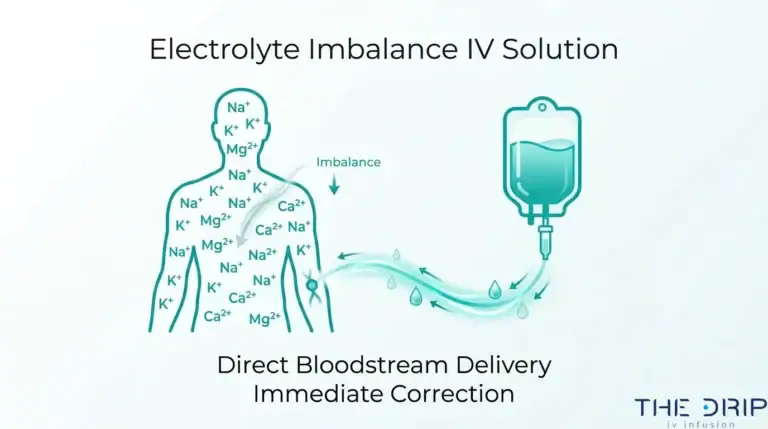
Electrolytes stay in your system after IV therapy for several hours to days, depending on the specific mineral. Potassium and sodium are regulated tightly by the kidneys and typically rebalance within hours. Magnesium, however, has a longer presence; a study published in the Cochrane Database of Systematic Reviews estimated the terminal half-life of intravenous magnesium sulphate at approximately 5.2 hours in treated patients.
Electrolytes play a critical role in fluid retention because they help the body hold water in both intracellular and extracellular compartments. Their presence in an IV formulation often extends the hydration benefits beyond what saline alone provides, making electrolyte-enriched drips a practical choice for sustained results.
How Long Does Glutathione Stay in Your System After IV Therapy?
Glutathione stays in your system after IV therapy for a limited window, though exact clearance timelines vary by individual metabolism. Intravenous administration is the only reliable method for achieving therapeutic plasma concentrations, since oral glutathione has bioavailability below 1% due to breakdown by gut enzymes, according to Phoreus Biotech.
Once infused, glutathione circulates and is utilized by cells for antioxidant defense and detoxification processes. Because the body metabolizes it relatively quickly, many practitioners recommend periodic sessions rather than relying on a single treatment for lasting antioxidant support.
Understanding individual nutrient timelines helps determine how frequently IV sessions should be scheduled.
How Often Should You Get IV Hydration Therapy?
You should get IV hydration therapy on a schedule tailored to your health goals, typically ranging from weekly sessions for acute needs to monthly infusions for general wellness.
The ideal frequency depends on whether you seek ongoing maintenance, athletic recovery, immune support, or targeted relief. Because IV treatments bypass the digestive system, the body processes infused fluids and nutrients at different rates, making a personalized schedule essential. A qualified nurse or healthcare provider can assess your needs and recommend how often sessions should occur.
For general wellness and maintenance, a monthly IV infusion is often recommended to keep energy levels stable and support long-term immune health, according to Pulse and Remedy. More frequent sessions, such as weekly or biweekly treatments, may suit athletes in heavy training cycles, individuals managing chronic fatigue, or those recovering from illness. Conversely, someone using IV therapy purely for occasional hangover relief or travel recovery may only need treatments as situations arise.
Several factors influence the right cadence:
- Health goals: Immune support and energy maintenance typically call for monthly sessions, while acute recovery may require weekly infusions.
- Activity level: Highly active individuals deplete fluids and nutrients faster, often benefiting from more frequent treatments.
- Nutrient retention: Water-soluble vitamins clear the body within days, so consistent replenishment supports sustained levels.
- Medical guidance: State regulations require a physician to oversee medical aspects of IV therapy practices, so treatments should always follow a licensed provider’s recommendation.
The growing demand for convenient, scheduled IV therapy reflects broader wellness trends. The global IV hydration therapy market was valued at USD 2.71 billion in 2024 and is projected to reach USD 5.84 billion by 2034, growing at a CAGR of 7.98%, according to Nova One Advisor. This expansion signals that more people are integrating regular IV sessions into their long-term health routines rather than treating them as one-time interventions.
For most people, starting with a monthly session and adjusting based on how you feel between treatments is the most practical approach. Understanding which IV nutrients and fluids benefit your body most can help you decide whether your results justify a different frequency, which is where professional guidance from a qualified infusion specialist becomes invaluable.
What Are the Benefits of IV Hydration Over Oral Hydration?
The benefits of IV hydration over oral hydration include faster absorption, higher bioavailability, and quicker recovery times. IV delivery bypasses the digestive tract entirely, making it especially valuable when oral intake is compromised or insufficient.
NIH research found that intravenous rehydration cut recovery time by 24 hours compared to oral rehydration in patients suffering from gastroenteritis-induced dehydration. This speed advantage stems from fluids and nutrients entering the bloodstream immediately rather than passing through the stomach and intestines, where absorption can be slow or incomplete.
Ideal candidates for IV hydration include:
- Athletes seeking rapid post-exercise recovery
- Post-surgical patients needing volume resuscitation
- Individuals with gastrointestinal disorders like Celiac disease that impair oral absorption
Although IV and oral methods can be equally effective for restoring fluid balance in athletic recovery, a study published in the Journal of Athletic Training noted that heart rates remained statistically higher in oral rehydration groups for up to 75 minutes post-exercise. This suggests IV hydration may support faster cardiovascular stabilization after intense physical activity.
For anyone whose gut health, nausea, or medical condition limits what they can absorb orally, IV hydration offers a reliable alternative that delivers precise doses without digestive losses. Understanding these advantages helps clarify who benefits most from IV therapy sessions.
Who Is a Good Candidate for IV Hydration Therapy?
A good candidate for IV hydration therapy is anyone whose body needs rapid fluid or nutrient replenishment that oral intake cannot efficiently deliver. Several profiles benefit most from this approach.
- Athletes seeking rapid recovery use IV hydration to restore fluid balance and replenish electrolytes faster than drinking water alone after intense training or competition.
- Post-surgical patients needing volume resuscitation benefit because their bodies require immediate fluid restoration that bypasses a potentially compromised digestive system.
- Individuals with gastrointestinal disorders, such as Celiac disease or chronic nausea, are strong candidates because these conditions impair oral absorption of fluids and nutrients.
- People experiencing acute dehydration from illness, travel, or heat exposure often find IV hydration more effective when symptoms are moderate to severe.
- Expecting mothers dealing with morning sickness may need IV fluids when nausea prevents adequate oral hydration, particularly in cases of hyperemesis gravidarum.
- Frequent travelers and busy professionals seeking immune support or energy restoration often turn to IV therapy for its near-100% bioavailability compared to oral supplements.
According to a 2025 review published in Cureus, ideal candidates for IV hydration include athletes seeking rapid recovery, post-surgical patients needing volume resuscitation, and individuals with GI disorders like Celiac disease that impair oral absorption. For anyone unsure whether IV therapy fits their situation, a consultation with a qualified nurse can clarify the best approach. Understanding candidacy helps determine how to maintain hydration results over time.
How Should You Maintain Hydration Results with Mobile IV Therapy?
You should maintain hydration results with mobile IV therapy by scheduling consistent sessions, supporting each treatment with proper daily water intake, and working with a nurse who tailors your infusion to your needs. The following sections cover how The Drip IV Infusion can help and the key takeaways from this guide.
Can The Drip IV Infusion’s Nurse-Administered Treatments Help You Stay Hydrated Longer?
Yes, The Drip IV Infusion’s nurse-administered treatments can help you stay hydrated longer by delivering fluids and nutrients directly into the bloodstream with personalized formulations. Each session is overseen by experienced infusion specialists who customize IV cocktails with add-ons like magnesium, B-complex vitamins, and Vitamin C based on individual health goals.
Because mobile IV therapy comes to your home or workplace, maintaining a consistent schedule becomes far more practical. According to Grand View Research, consumer behavior trends confirm this shift, with the U.S. mobile IV hydration market expected to reach USD 1.69 billion by 2035. The Drip IV Infusion builds on this convenience model by partnering with each client to determine the right infusion frequency and composition for sustained results.
What Are the Key Takeaways About How Long IV Hydration Lasts?
The key takeaways about how long IV hydration lasts are:
- IV fluids are typically processed and excreted within a few hours, while IV vitamins can remain in the body for two to three weeks depending on solubility.
- Effects vary by use case; hangover relief may last hours to a full day, while immune support benefits often linger one to two days.
- Individual factors such as metabolic rate, activity level, and baseline hydration status directly influence how long results persist.
- Fluid composition matters; electrolytes like potassium and magnesium help the body retain water longer across intracellular and extracellular compartments.
- Monthly sessions are commonly recommended for general wellness maintenance.
For most people, combining regular mobile IV sessions with daily oral hydration yields the most consistent, long-lasting results. The Drip IV Infusion offers a full menu of customizable IV cocktails and add-ons designed to extend those benefits between appointments.