Hydration therapy is an intravenous treatment that delivers fluids, vitamins, minerals, and antioxidants directly into the bloodstream, bypassing the digestive system entirely for rapid absorption and enhanced bioavailability.
This guide covers how IV hydration works and what it delivers, who benefits most from treatment, the specific health outcomes it supports, how it compares to oral hydration, and what to expect from sessions, safety protocols, and available IV cocktail options.
IV hydration uses a small catheter placed in the arm to infuse sterile saline or balanced crystalloids combined with targeted nutrients like Vitamin C, B-complex vitamins, magnesium, zinc, and glutathione. This direct delivery mechanism allows 100% of administered fluids and nutrients to reach cells immediately, making it especially valuable for individuals with compromised digestive absorption.
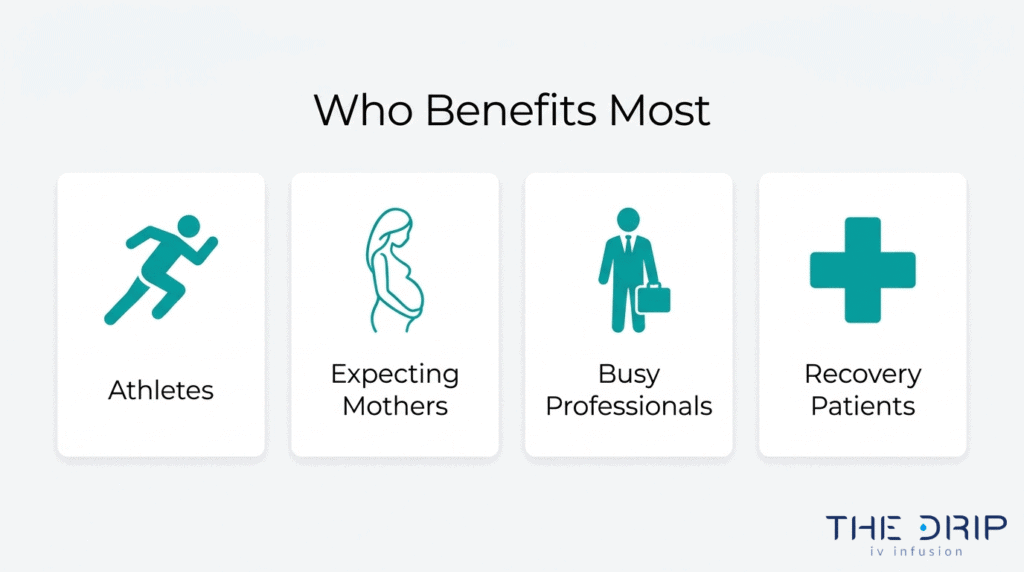
Athletes, pregnant women managing severe morning sickness, busy professionals facing chronic low-grade dehydration, and people recovering from illness each gain distinct advantages from IV fluid delivery. The treatment addresses population-specific challenges that oral hydration alone often cannot resolve efficiently.
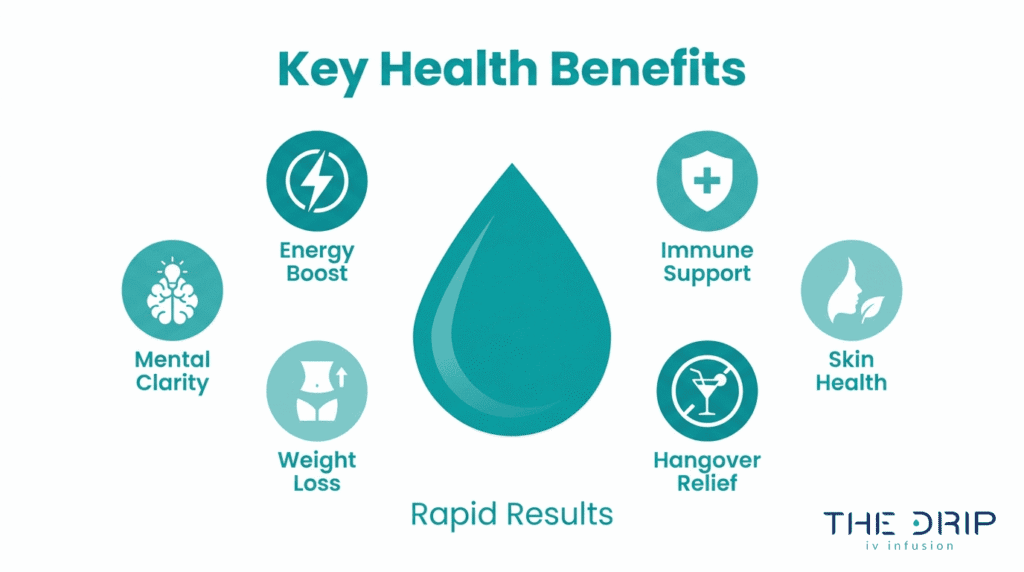
Core health benefits include increased energy through direct B-vitamin and electrolyte restoration, stronger immune function from high-dose Vitamin C and Zinc delivery, improved skin health via antioxidant infusion, faster hangover recovery, metabolic support for weight management, accelerated muscle repair, and sharper mental clarity from correcting fluid deficits that impair cognition.
IV hydration delivers fluids faster than drinking water because it enters the bloodstream immediately, and it outperforms oral rehydration in moderate to severe dehydration scenarios where the digestive system is compromised. Oral methods remain appropriate for mild, routine cases.
Sessions typically last about one hour under nurse supervision, with cocktail options ranging from immune support and athletic recovery infusions to NAD+, weight loss, morning sickness relief, and beauty blends tailored to individual wellness goals.
What Is Hydration Therapy and How Does It Work?
Hydration therapy is an intravenous treatment that delivers fluids, vitamins, and minerals directly into the bloodstream for rapid absorption. The following sections explain how IV hydration bypasses digestion and what nutrients are typically included.
How Does IV Hydration Bypass the Digestive System?
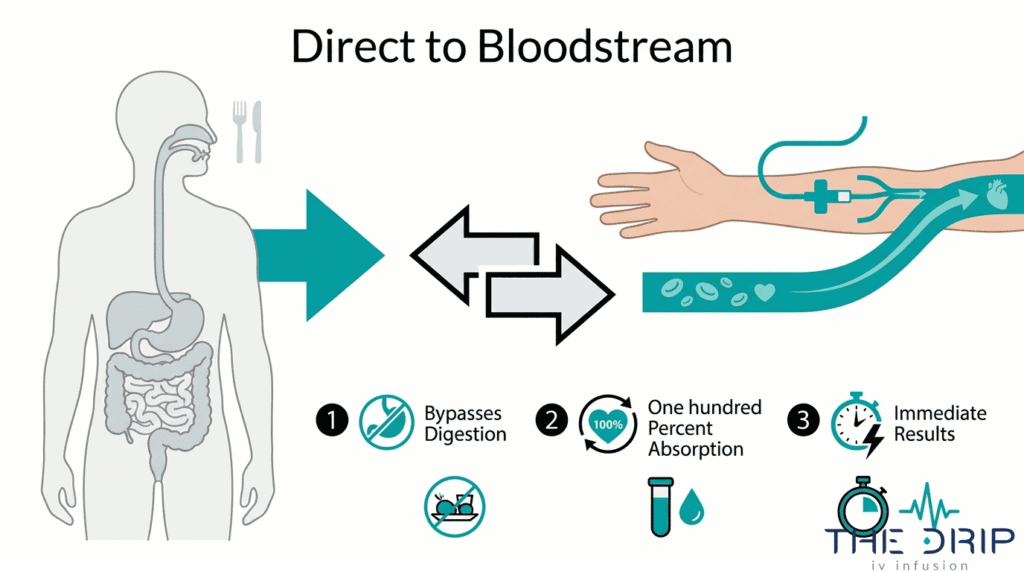
IV hydration bypasses the digestive system by infusing fluids directly into the bloodstream through a vein. A small catheter, typically placed in the arm, creates a direct pathway that skips the mouth, stomach, and intestines entirely. When you drink water or take oral supplements, nutrients must pass through the gastrointestinal tract, where stomach acid, enzyme activity, and intestinal absorption rates reduce the total amount that reaches your cells. Intravenous delivery eliminates these barriers, allowing 100% of the administered fluid and nutrients to become immediately available to the body. This mechanism is particularly valuable for individuals whose digestive systems are compromised by nausea, vomiting, or malabsorption conditions that limit oral intake effectiveness.
What Nutrients and Fluids Are Delivered During Hydration Therapy?
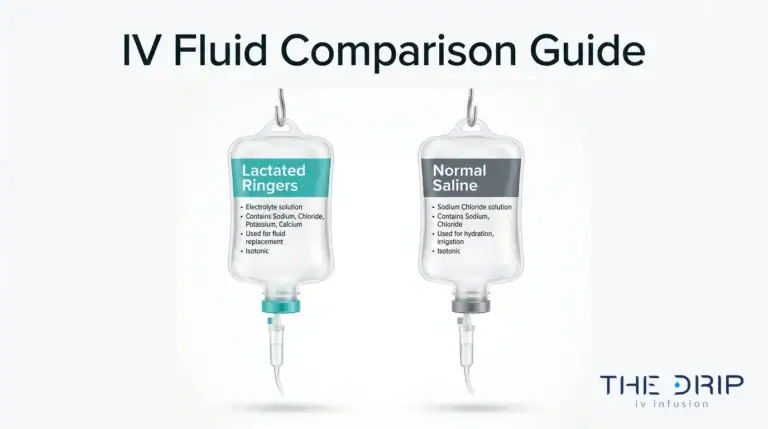
The nutrients and fluids delivered during hydration therapy include a base solution of sterile saline or balanced crystalloids combined with targeted vitamins, minerals, and antioxidants. As Dr. Melissa Young of Cleveland Clinic explains, “IV vitamin therapy is using these IV vitamin drips that deliver direct nutrients like vitamins, minerals, antioxidants as well as hydration.” Common components include:
- Vitamin C for immune and antioxidant support
- B-complex vitamins and B12 for energy metabolism
- Magnesium for muscle function and relaxation
- Zinc for immune defense
- Glutathione for cellular detoxification
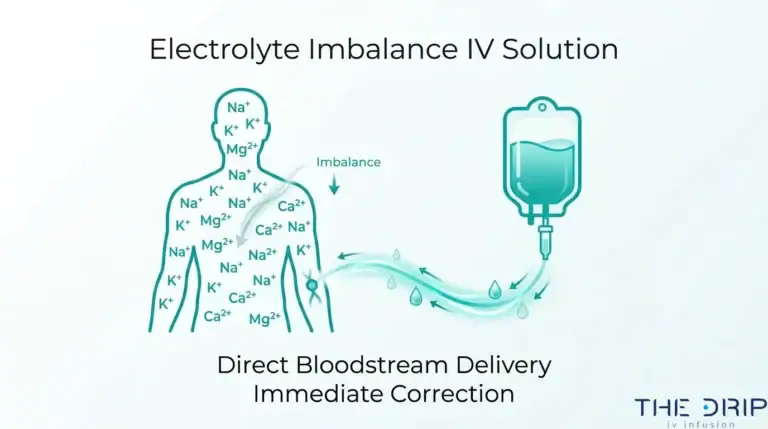
- Electrolytes such as sodium, potassium, and calcium for fluid balance
This direct-to-bloodstream delivery provides enhanced bioavailability, making hydration therapy especially useful for individuals whose gastrointestinal absorption is limited. Understanding what goes into these infusions helps clarify why specific cocktails target different health goals.
Who Can Benefit From Hydration Therapy?
Hydration therapy benefits a wide range of people, from athletes and pregnant women to busy professionals and those managing chronic dehydration. The following sections break down how each group gains specific advantages from IV fluid delivery.
How Does Hydration Therapy Benefit Athletes?
Hydration therapy benefits athletes by rapidly replenishing fluids, electrolytes, and nutrients lost during intense training or competition. Unlike oral intake, IV delivery restores hydration at the cellular level without waiting for digestive absorption.
According to Dr. Ron, “IV therapy provides targeted hydration and nutrient replenishment, helping athletes recover faster and reduce the risk of injury” (Gardner Orthopedics). Key athletic benefits include:
- Faster post-workout recovery through direct electrolyte restoration
- Reduced muscle soreness from rapid nutrient delivery
- Improved endurance when pre-hydrating before events
For athletes pushing their limits regularly, IV hydration offers a recovery advantage that drinking water alone cannot match in speed or efficiency.
How Does Hydration Therapy Help People Recovering From Illness?
Hydration therapy helps people recovering from illness by delivering fluids and electrolytes directly into the bloodstream when the body struggles to absorb nutrients orally. Vomiting, diarrhea, and fever all accelerate fluid loss, making oral rehydration difficult or insufficient.
IV hydration bypasses the compromised digestive system entirely, which is particularly valuable during stomach viruses or food poisoning. Illness recovery infusions often include vitamins like B-complex and vitamin C to support immune response alongside rehydration. For anyone whose symptoms make keeping fluids down nearly impossible, IV therapy provides a reliable path to restoring hydration balance without additional gastrointestinal stress.
How Does Hydration Therapy Support Pregnant Women?
Hydration therapy supports pregnant women by addressing dehydration caused by severe morning sickness and related complications. Hyperemesis gravidarum, characterized by persistent vomiting, dehydration, and significant weight loss often exceeding 5% of prepregnancy body weight, is one of the most common reasons pregnant women seek IV fluids (StatPearls, NCBI Bookshelf).
When oral fluids cannot be retained, IV hydration delivers essential electrolytes and vitamins directly. This helps stabilize fluid levels, reduce nausea severity, and prevent the cycle of dehydration that worsens vomiting. Pregnant women should always consult their healthcare provider before starting any IV therapy regimen.
How Does Hydration Therapy Benefit Busy Professionals?
Hydration therapy benefits busy professionals by providing rapid rehydration and nutrient replenishment without disrupting packed schedules. Long hours, frequent travel, high stress, and poor dietary habits contribute to chronic low-grade dehydration that affects focus and energy.
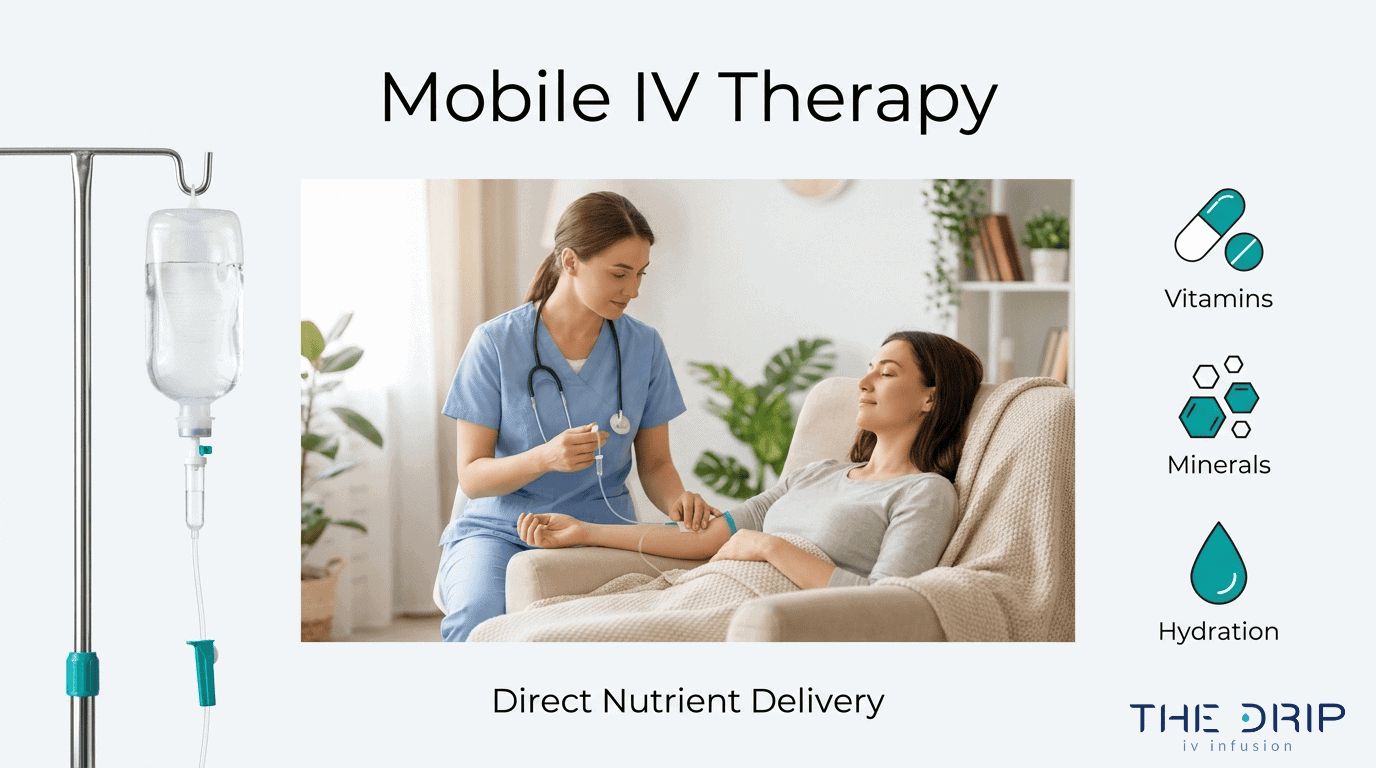
Mobile IV services make this especially practical. Key advantages for professionals include:
- Restored energy levels during demanding work periods
- Improved mental clarity from optimized hydration and B-vitamin delivery
- Convenient sessions that fit into lunch breaks or at-home schedules
Rather than relying on caffeine and energy drinks, which often worsen dehydration, IV therapy addresses the root cause directly. This makes it a smarter recovery tool for professionals who cannot afford downtime.
How Does Hydration Therapy Help People With Chronic Dehydration?
Hydration therapy helps people with chronic dehydration by delivering fluids intravenously when oral intake consistently fails to maintain adequate hydration levels. Chronic dehydration results from conditions such as kidney issues, medication side effects, aging, or simply insufficient daily water consumption.
According to a systematic review published in the Annals of Emergency Medicine, while oral rehydration is the first-line treatment for mild dehydration, intravenous therapy is superior in preventing treatment failure in cases of moderate to severe volume loss. For individuals whose bodies cannot sustain hydration through drinking alone, IV therapy offers a dependable correction method that restores fluid balance efficiently.
Understanding which populations benefit most helps determine whether hydration therapy fits your specific wellness needs.
What Are the Most Common Benefits of Hydration Therapy?
The most common benefits of hydration therapy include increased energy, stronger immune function, improved skin health, faster hangover recovery, weight loss support, enhanced muscle recovery, and sharper mental clarity. Each benefit stems from how IV delivery restores fluids and nutrients rapidly.
How Does Hydration Therapy Improve Energy and Reduce Fatigue?
Hydration therapy improves energy and reduces fatigue by delivering B-complex vitamins, magnesium, and electrolytes directly into the bloodstream. Dehydration, even at mild levels, impairs cellular metabolism and reduces oxygen transport, which manifests as persistent tiredness.
Because IV infusion bypasses the digestive system, nutrients reach cells at full potency without absorption losses. This makes a noticeable difference for individuals whose fatigue stems from poor nutrient uptake or chronic low fluid intake. For anyone experiencing unexplained sluggishness despite adequate sleep, addressing hydration and micronutrient status simultaneously often yields faster results than oral supplementation alone.
How Does Hydration Therapy Boost Immune Function?
Hydration therapy boosts immune function by delivering high concentrations of Vitamin C, Zinc, and other immune-supporting micronutrients directly to the bloodstream. These nutrients play critical roles in white blood cell production, antioxidant defense, and inflammatory response regulation.
Oral supplements must survive stomach acid and compete for absorption in the intestines, which limits how much actually reaches immune cells. IV delivery eliminates that bottleneck. Proper hydration also supports lymphatic circulation, the system responsible for transporting immune cells throughout the body. When fluid volume drops, lymphatic flow slows, and the immune response weakens. Maintaining optimal hydration is one of the simplest yet most overlooked strategies for staying resilient during cold and flu seasons.
How Does Hydration Therapy Enhance Skin Health and Appearance?
Hydration therapy enhances skin health and appearance by restoring fluid balance in dermal tissue and delivering antioxidants such as glutathione and Vitamin C intravenously. Dehydrated skin loses elasticity, appears dull, and develops fine lines more readily.
IV hydration addresses this from the inside out, saturating cells with moisture and nutrients that topical products cannot always reach. According to the BC Medical Journal, the growing popularity of IV hydration spas has raised questions about clinical oversight, yet the appeal of rapid skin-brightening and anti-aging effects continues to drive consumer interest. For lasting improvement, consistent hydration paired with antioxidant support tends to produce more visible results than periodic treatments alone.
How Does Hydration Therapy Speed Up Hangover Recovery?
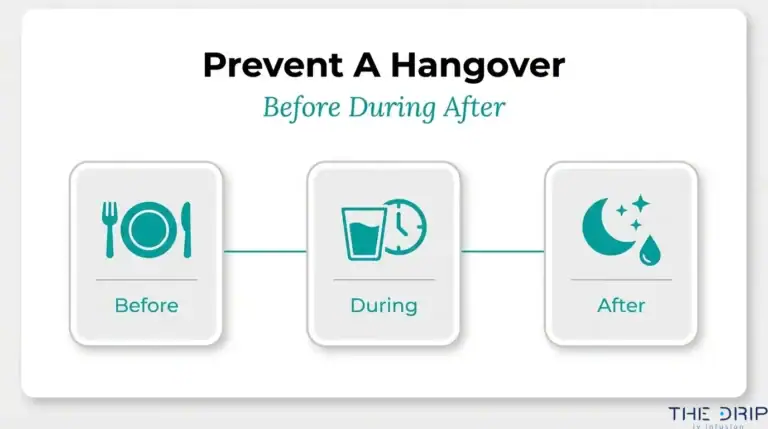
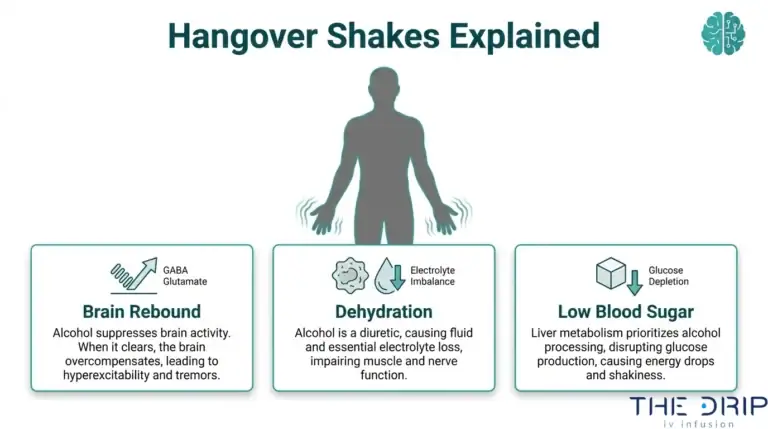
Hydration therapy speeds up hangover recovery by replacing fluids, electrolytes, and vitamins that alcohol rapidly depletes. Alcohol acts as a diuretic, increasing urine output and stripping the body of sodium, potassium, and magnesium.
Hangover symptoms, including headaches, nausea, and fatigue, largely result from this acute dehydration and electrolyte imbalance. Drinking water helps, but the stomach is often too irritated after heavy alcohol consumption to absorb fluids efficiently. IV hydration bypasses the compromised digestive system entirely, delivering relief within minutes rather than hours. Anti-nausea medications like Zofran can also be added to the infusion for immediate symptom control. This combination makes IV therapy one of the fastest paths back to feeling functional.
How Does Hydration Therapy Support Weight Loss Efforts?
Hydration therapy supports weight loss efforts by optimizing metabolic function and delivering lipotropic compounds such as Lipo-C directly into the bloodstream. Proper hydration is essential for fat metabolism; even mild dehydration slows the rate at which the body breaks down stored fat for energy.
IV infusions designed for weight loss typically include B vitamins and amino acids that support energy production and lean muscle maintenance during caloric restriction. These nutrients help the body convert food into usable fuel more efficiently. Hydration therapy is not a standalone weight loss solution, but when combined with a structured nutrition and exercise plan, it can address the micronutrient gaps that often stall progress.
How Does Hydration Therapy Aid Muscle Recovery and Performance?
Hydration therapy aids muscle recovery and performance by rapidly restoring electrolyte balance and reducing inflammation after intense physical activity. Muscles depend on adequate sodium, potassium, and magnesium levels to contract properly and repair micro-tears caused by exercise.
According to Dr. Ron of Gardner Orthopedics, “IV therapy provides targeted hydration and nutrient replenishment, helping athletes recover faster and reduce the risk of injury.” Amino acids and anti-inflammatory agents included in athletic recovery infusions further accelerate tissue repair. For serious athletes, the difference between oral and IV rehydration is measurable; faster fluid restoration means shorter downtime between training sessions.
How Does Hydration Therapy Improve Mental Clarity and Focus?
Hydration therapy improves mental clarity and focus by correcting fluid deficits that directly impair cognitive function. The brain is approximately 75% water, making it exceptionally sensitive to changes in hydration status. Even a 1–2% drop in body water can reduce concentration, slow reaction time, and increase feelings of brain fog.
IV infusions that include magnesium and B vitamins support neurotransmitter production and nerve signal transmission. These nutrients are difficult to maintain at optimal levels through diet alone, particularly during periods of high stress or poor sleep. Replenishing them intravenously offers a faster cognitive boost than oral alternatives.
Understanding these core benefits helps clarify what to expect when comparing IV hydration to oral methods.
How Does IV Hydration Compare to Oral Hydration?
IV hydration delivers fluids directly into the bloodstream, while oral hydration relies on absorption through the digestive tract. The key differences involve absorption speed, bioavailability, and clinical effectiveness.
Why Is IV Hydration Absorbed Faster Than Drinking Water?
IV hydration is absorbed faster than drinking water because it bypasses the entire gastrointestinal tract and enters the bloodstream immediately. When you drink water, fluid must pass through the stomach and intestines before reaching circulation, a process that delays absorption and reduces the total volume available to cells.
Intravenous solutions enhance this direct delivery further. According to a study published by the National Library of Medicine, intravenous solutions for hydration typically contain small amounts of salt (sodium chloride) or sugar (dextrose, glucose, or levulose) dissolved in sterile water to restore volume. These solutes help maintain osmotic balance, allowing the body to retain and distribute fluids more efficiently than plain water alone.
For anyone experiencing rapid fluid loss, this difference in absorption pathway becomes clinically significant.
When Is IV Hydration More Effective Than Oral Rehydration?
IV hydration is more effective than oral rehydration in acute clinical scenarios where fluid loss is severe or the digestive system cannot absorb fluids adequately. Specific situations include:
- Hypovolemic shock: Intravenous rehydration promptly reverses dangerous drops in blood volume, though it requires trained clinical staff.
- Severe vomiting or diarrhea: According to a Cochrane Library review, for every 25 children treated with oral rehydration for gastroenteritis, approximately one child will fail treatment and require transition to intravenous rehydration.
- Moderate to severe dehydration: Intravenous fluid therapy provides a rapid bioavailability advantage that oral methods cannot match when fluid requirements are acute.
Oral rehydration remains the preferred approach for routine, mild cases because it is more physiologic and uses the body’s intact thirst mechanism to prevent overhydration. The differences in physiological markers between the two methods are often transient in less severe situations.
For most healthy individuals managing everyday hydration, oral fluids work well. However, when the body’s ability to absorb orally is compromised, IV therapy fills a critical gap that drinking water simply cannot address. Understanding these clinical thresholds helps determine when each approach makes the most sense during a hydration therapy session.
What Should You Expect During a Hydration Therapy Session?
You should expect a straightforward process during a hydration therapy session that typically takes about one hour from start to finish. The session begins with a brief health assessment, followed by IV insertion, nutrient infusion, and a short monitoring period. Here is what each stage involves.
First, a registered nurse reviews your health history and current symptoms to select the appropriate IV cocktail. After a vein is identified, usually in the forearm, a small catheter is inserted and secured. The customized fluid blend then drips steadily into the bloodstream while you relax. Most people read, work on a laptop, or simply rest during the infusion. Once the bag empties, the nurse removes the line and monitors you briefly before wrapping up.
According to Precedence Research, the IV hydration therapy market reached a valuation of USD 2.71 billion in 2024, reflecting how routine these sessions have become for wellness-focused individuals. The growing accessibility of mobile services, where a nurse comes directly to your home or workplace, has made the experience even more convenient. With a clear understanding of the session process, the next consideration is how frequently to schedule treatments.
How Often Should You Get Hydration Therapy?
How often you should get hydration therapy depends on your health goals, lifestyle demands, and individual hydration needs. General wellness clients typically benefit from sessions every two to four weeks, while athletes or those recovering from illness may need more frequent visits. The right frequency balances consistent nutrient support with your body’s natural recovery cycles.
For general wellness maintenance, a session once or twice per month helps sustain optimal hydration, energy levels, and micronutrient balance. Individuals with higher physical demands, such as athletes during peak training seasons, often benefit from weekly sessions to replenish electrolytes and support muscle recovery. Pregnant women managing morning sickness symptoms may require a tailored schedule determined alongside their healthcare provider.
Seasonal factors also influence ideal frequency. During Arizona’s intense summer heat, dehydration risk increases significantly, and more frequent sessions can help maintain fluid balance. Similarly, cold and flu season may warrant additional immune support infusions spaced closer together.
Rather than following a rigid universal schedule, the most effective approach involves starting with a consultation. A qualified infusion specialist can assess your hydration baseline, review your health history, and recommend a personalized cadence. Listening to your body between sessions is equally important; persistent fatigue, dry skin, or sluggish recovery often signal that your current interval needs adjustment.
With a personalized frequency established, understanding potential side effects ensures each session remains both effective and safe.
Is Hydration Therapy Safe and Are There Any Side Effects?
Hydration therapy is generally safe when administered by trained professionals, though minor side effects can occur. The key factors influencing safety include practitioner qualifications, proper clinical protocols, and individual patient health.
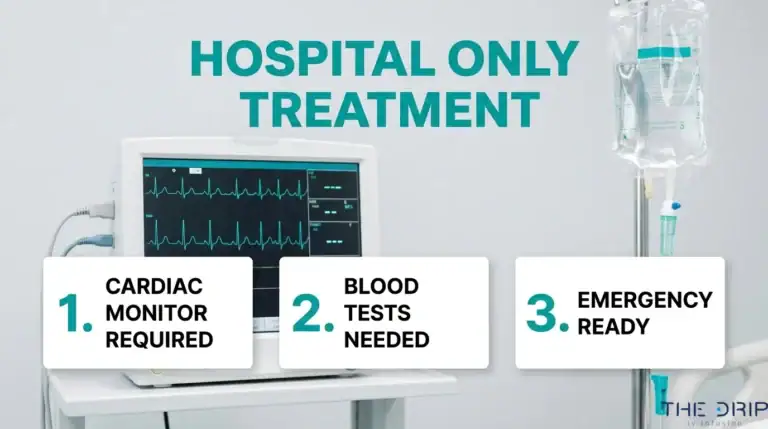
Initiating IV therapy is considered an invasive clinical skill that requires diligent safety practices and compliance with nursing standards to prevent patient harm, according to a resource published on the NCBI Bookshelf covering nursing advanced skills. Because a needle must access a vein, the procedure carries inherent risks that differ from simply drinking fluids orally.
The most commonly documented side effects include:
- Phlebitis, or inflammation at the vein site, which typically resolves within a few days.
- Minor bruising or soreness around the insertion point.
- Localized infection if sterile technique is not maintained.
- Potential complications from rapid over-correction of electrolyte imbalances when infusion rates are not carefully monitored.
Most of these reactions are mild and temporary when sessions are overseen by qualified professionals. Allergic reactions, while rare, remain a possibility with any intravenous treatment, particularly for individuals receiving a formulation for the first time.
Choosing a provider staffed by experienced nurses significantly reduces risk. For most healthy adults seeking wellness-focused hydration, serious complications are uncommon. However, individuals with kidney conditions, heart disease, or other chronic health concerns should consult their physician before starting any IV therapy regimen. A thorough health screening before each session helps ensure the treatment is appropriate and the infusion rate is calibrated correctly.
With safety considerations understood, exploring the variety of available IV cocktails helps match the right formulation to individual wellness goals.
What Types of IV Hydration Cocktails Are Available?
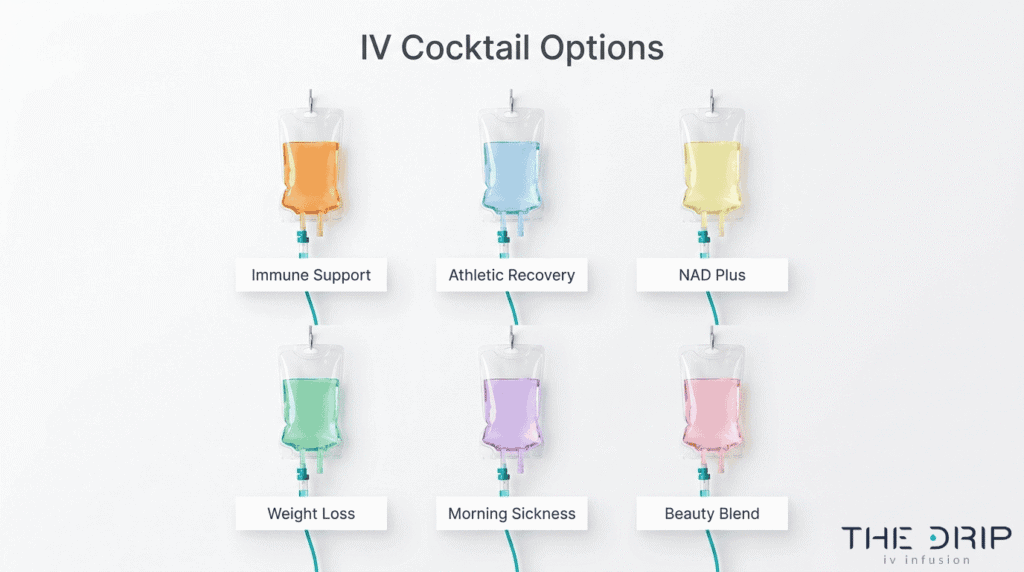
The types of IV hydration cocktails available include immune support, athletic recovery, NAD+, weight loss, morning sickness relief, and beauty and anti-aging infusions. Each cocktail targets specific wellness goals through a tailored blend of vitamins, minerals, and amino acids.
Immune Support Infusions
Immune support infusions deliver high doses of Vitamin C and Zinc directly to the bloodstream to strengthen the body’s natural defenses. According to Prime IV Hydration, these cocktails support the immune system’s ability to fend off illnesses by achieving nutrient concentrations that oral supplements cannot match. Additional ingredients like B-complex vitamins and glutathione are often included to enhance antioxidant protection. For anyone heading into cold and flu season or recovering from travel fatigue, this cocktail category offers one of the most practical preventive options available.
Athletic Recovery Infusions
Athletic recovery infusions replenish fluids, electrolytes, and amino acids lost during intense training or competition. These cocktails typically combine magnesium, B vitamins, and taurine to reduce muscle soreness and accelerate post-exercise repair. Because dehydration impairs performance and delays recovery, restoring fluid balance quickly through IV delivery gives athletes a measurable advantage over oral hydration alone. Whether used after endurance events or heavy gym sessions, athletic recovery infusions remain one of the most popular cocktail categories for active individuals.
NAD+ Infusions
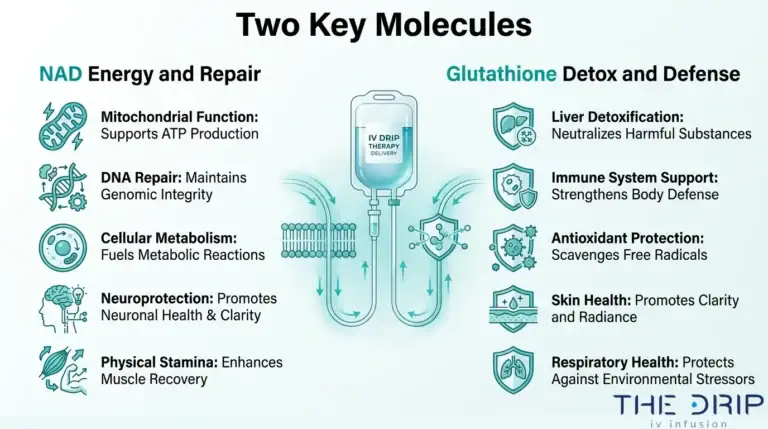
NAD+ infusions deliver nicotinamide adenine dinucleotide directly into the bloodstream to support cellular energy production and repair. A 2020 review published in Nature’s Signal Transduction and Targeted Therapy found that deregulation of NAD+ levels is associated with metabolic and aging-related diseases, with augmenting NAD+ metabolism being explored for its potential to support DNA repair and inflammation reduction. These infusions are sought by clients interested in mental clarity, anti-aging support, and addiction recovery. NAD+ levels naturally decline with age, making supplementation through IV delivery particularly relevant for long-term wellness strategies.
Weight Loss Infusions
Weight loss infusions support metabolic function by delivering lipotropic compounds, B vitamins, and amino acids that help the body convert fat into usable energy. Ingredients like Lipo-C and L-carnitine are commonly included to enhance fat metabolism and sustain energy during calorie-restricted programs. These cocktails work best as a complement to balanced nutrition and regular exercise, not as standalone solutions. For clients already committed to a weight management plan, this infusion category can provide the nutritional support needed to maintain momentum.
Morning Sickness Relief Infusions
Morning sickness relief infusions provide hydration, electrolytes, and anti-nausea support for expecting mothers experiencing persistent nausea and vomiting. Severe cases, known as hyperemesis gravidarum, involve significant dehydration and weight loss often exceeding 5% of prepregnancy body weight, as documented by StatPearls on the NCBI Bookshelf. These cocktails typically include Zofran, B vitamins, and magnesium to calm nausea while restoring depleted fluids. For pregnant women who cannot keep oral fluids down, IV delivery offers a reliable path to rehydration and symptom relief.
Beauty and Anti-Aging Infusions
Beauty and anti-aging infusions combine glutathione, Vitamin C, and biotin to promote skin radiance, collagen production, and oxidative stress reduction. Glutathione, a powerful antioxidant, has gained popularity in wellness clinics for its potential skin-brightening effects, though research on IV glutathione for skin lightening indicates a lack of sufficient safety data according to the South African Medical Journal. These cocktails appeal to clients seeking improvements in skin tone, hair strength, and overall complexion from the inside out. With hydration therapy’s growing demand, beauty infusions represent one of the fastest-expanding cocktail categories in the wellness space.
How Can Mobile IV Hydration Therapy Fit Your Lifestyle?
Mobile IV hydration therapy fits your lifestyle by delivering professional infusions wherever you are, eliminating clinic visits. The following sections cover how The Drip IV Infusion’s at-home service works and the key takeaways from this guide.
Can The Drip IV Infusion’s At-Home Service Maximize Your Hydration Therapy Benefits?
Yes, The Drip IV Infusion’s at-home service can maximize your hydration therapy benefits by bringing nurse-administered infusions directly to your home or workplace. Founded in Fall 2022 by professionals with decades of experience in nursing and emergency medicine, The Drip IV Infusion offers a comprehensive menu of IV cocktails, specialty treatments like NAD+ and exosomes, and customizable add-ons including Vitamin C, glutathione, zinc, and magnesium.
This mobile model removes common barriers to consistent hydration therapy, such as scheduling conflicts and travel time. Each session takes approximately one hour, making it practical even on busy days. The Drip IV Infusion partners with each client to match infusions to individual health goals, whether that involves immune support, athletic recovery, morning sickness relief, or general wellness.
What Are the Key Takeaways About Hydration Therapy Benefits?
The key takeaways about hydration therapy benefits center on three core advantages: rapid nutrient delivery, broad population applicability, and customizable treatment options.
- Hydration therapy bypasses the digestive system, delivering vitamins, minerals, and fluids directly into the bloodstream for enhanced bioavailability.
- Athletes, pregnant women, busy professionals, and individuals with chronic dehydration each gain distinct benefits from IV hydration.
- IV cocktail categories, from immune support infusions to beauty and anti-aging blends, allow treatments to be tailored to specific health goals.
- IV hydration outperforms oral rehydration in acute or moderate-to-severe dehydration scenarios, though oral methods remain appropriate for mild, routine cases.
- Safety depends on qualified administration; working with experienced nurses reduces risks like phlebitis or incorrect infusion rates.
For those seeking a convenient, personalized approach to these benefits, The Drip IV Infusion brings professional hydration therapy directly to you.