Book Now

Category: Blog

  • IV Therapy for Muscle Recovery

    IV Therapy for Muscle Recovery

    If you are experiencing muscle soreness or feel like your body is too tired to handle your next endeavor, an IV therapy bag might be the solution. The carefully picked ingredients in IV therapy for muscle recovery may help you achieve peak performance.

    IV therapy might offer many benefits, whether you are a professional athlete, fitness enthusiast, or overworked individual. Discover how a short intravenous treatment might assist you by delivering the essential nutrients into your bloodstream.

    Source: shutterstock.com / Photo Contributor: Ahmet Misirligul

    What Is IV Therapy for Muscle Recovery?

    IV therapy for muscle recovery is a special blend that might reduce muscle recovery time, strengthen them, and reduce cramps. Many see it as an energy drip with essential nutrients for the muscular system. When your muscles are recovering, it is recommended to:


    • Hydrate and replace sodium and fluid

    • Choose antioxidants to minimize inflammation

    • Take vitamins to stimulate cellular healing

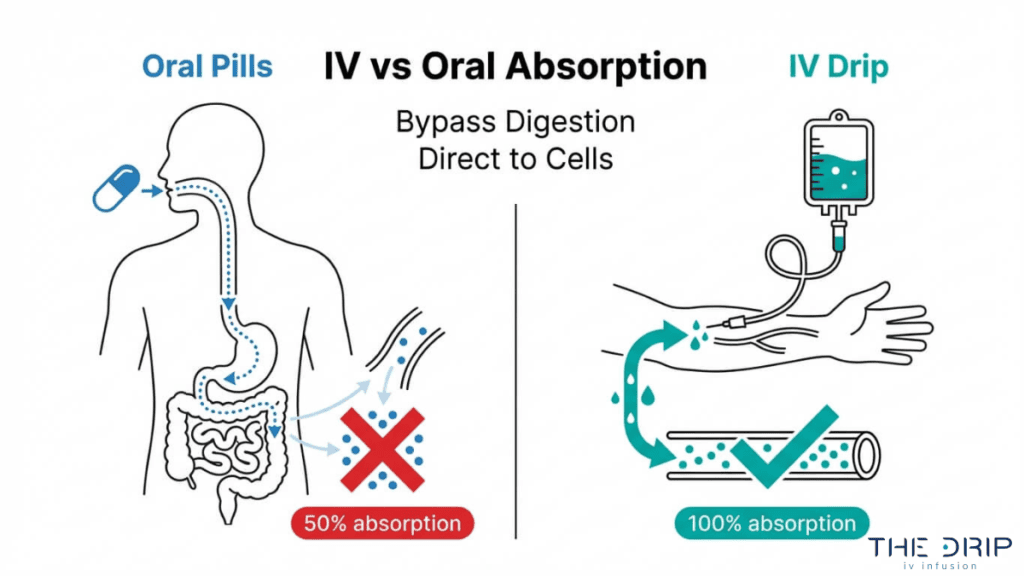
    All of the above-mentioned may be provided with IV therapy. One of the many reasons IV therapy is used as a solution for muscle recovery is the fast and high absorption rates of the nutrients. IV therapy administers a mixture of fluids, minerals, and vitamins directly into the bloodstream for higher efficiency and better benefits.

    Whatever the activities you are doing, your energy levels might drop, and your muscles might start feeling sore. If you are considering getting IV therapy to feel like yourself again, you must know which cocktails are best.

    Common ingredients in IV bags for muscle recovery

    Each IV therapy provider offers different IV cocktails for muscle recovery and athletes. Choosing the right provider with IV bags containing the needed nutrients might speed up the recovery. So, the best mobile IV therapy for muscle recovery offers solutions with the following ingredients:


    • Vitamin C

    • B12

    • Zinc

    • Taurine

    • NAC

    • Pyridoxine

    Other essential nutrients IV therapies for athletes are glutathione, magnesium, potassium, fluids, and electrolytes. Keep in mind that most IV therapy providers, including us at The Drip IV Infusion, offer add-ons to the basic IV bags. 

    Using such services, you can customize the nutrients you get after consultation with the nurse. Now that you know the ingredients in IV therapy for athletes, it’s time to learn how they might help you with your situation.

    Vitamin C

    Vitamin C might offer a lot of benefits to the human body. When you are exercising or being more active than usual, your muscles might start feeling sore. When you are feeling muscle soreness, the connective tissue around your muscle is damaged. 

    Although it is natural for the body to react to your physical activity, it may be painful or discomforting. So, one of the major roles of vitamin C is assisting the connective tissue repair. Also, it might alleviate muscle pain and speed up muscle strength recovery. In addition, the vitamin C dosage of the IV bag acts as an antioxidant. With such properties, it may reduce oxidative stress and muscle damage.

    B12

    B12 is an essential vitamin for your body. It has a significant role if you are excessively training. Vitamin B12 might be an essential cofactor in muscle repair and rebuilding.

    Furthermore, B12 may be vital for making platelets and white and red blood cells. Red blood cells’ role while exercising is to transport oxygen to the muscles. Providing the required amount of oxygen to the muscles lowers the risk of muscle fatigue.

    Additionally, white blood cells are known for their ability to potentially assist the healing process of your muscles. Lastly, platelets might provide neutrophils to the injured muscles and are part of the early muscle regeneration.

    Zinc

    The zinc dosage found in IV therapy for muscle recovery may help the skeletal muscle. It is vital in your body and allows movement, stores nutrients, stabilizes joints, and sustains body posture.

    Moreover, zinc may help speed up skeletal muscle regeneration. The mineral affects myogenesis, basically the formation of the skeletal muscular tissue. In addition, it may positively affect muscle cell activation, differentiation, and proliferation.

    Source: shutterstock.com / Photo Contributor: sulit.photos

    Taurine

    Taurine is a free-occurring amino acid that contains sulfur. It is highly important for excitable tissues, including the skeletal muscle, brain, and heart. So, taurine might have multiple roles in muscle and workout recovery:


    • Improves exercise performance

    • Reduces metabolic stress and muscle soreness

    • Improves energy expenditure and exercise performance time

    NAC

    N-acetyl cysteine, or NAC, is an antioxidant that comes from amino acids. NAC has many uses, and one of them is the possibility to reduce muscle soreness.

    Treatments with NAC might also speed up the recovery of skeletal muscle injuries. Plus, NAC may facilitate recovery of muscle function by preventing scar formation and long-term fibrosis.

    Pyridoxine

    Pyridoxine, or B6 as you might know it, is vital for your muscles. One of the symptoms of B6 deficiency is muscle weakness, making it a crucial ingredient in IV therapy for muscle recovery solutions.

    Moreover, pyridoxine may assist in the metabolizing process of amino acids. Your body then uses those amino acids to potentially repair damaged muscle fibers and encourage muscle growth.

    Should IV Therapy Be Used Before or After a Workout or Training?

    When you should get an IV therapy depends on the ingredients in the bag. Generally, most solutions can be used before or after a workout or training. If you are considering getting our The GOAT IV infusion, we can administer it before or after your workout, training, or competition.

    However, some solutions are tailored to act as a pre-workout. They may help you boost your energy levels and decrease recovery time once you are done with the training. This type of IV therapy mainly concentrates on optimizing hydration.

    What IV solution you will choose also depends on your desired outcomes. Getting an IV therapy before working out might reduce muscle soreness while getting it after may speed up recovery.

    What Else Does the Muscle IV Treatment Do?

    Besides making the muscle recovery process easier and faster, IV therapies also focus on other wellness benefits. 

    For starters, IV therapies might offer fluid replenishment. When doing intense physical activity, your body loses a lot of fluids through sweating. So, IV therapy contains fluids to possibly rehydrate your body.

    Furthermore, IV therapies might also have anti-inflammatory effects. Other things muscle IV treatments might do, depending on the ingredients they contain, are:


    • Boost oxygen levels and flow

    • Enhance energy and performance

    • Provide nutrients and vitamins to your body

    • Strengthen the immune system

    What to Expect During IV Therapy for Athletes

    If it is your first time getting IV therapy for muscle recovery, here is how the whole process goes. First, you must book an appointment. If you choose a mobile IV therapy provider, a registered nurse will come to your address with the equipment. They will do a short evaluation to check whether you are suitable for IV therapy.

    During the exam, the nurse will ask you several questions, and you have to answer them honestly. Be prepared to share details about your medical history. If everything is in order, the nurse will start administering the IV fluids for muscle recovery.

    The nurse will insert a needle into your vein, typically your elbow, and place a catheter. The needle will be removed, and the nurse will start administering the fluids into your bloodstream.

    One session typically lasts between 15 to 90 minutes. During that time, you can sit back and relax. The nurse will check from time to time whether there are any of the rare unwanted effects, such as redness, swelling, or signs of inflammation.

    After the bag is entirely administered, the nurse will remove the catheter, and the session will be done. Typically, you can continue with your everyday activities right away.

    Source: shutterstock.com / Photo Contributor: CactusG

    Conclusion

    Many professional and recreational athletes are getting IV therapy. The treatment is generally safe and might offer a plethora of benefits.

    IV therapy for muscle recovery may be a convenient method for replenishment of essential nutrients your body needs after intense physical activities. It might also be used for enhancing athletic performance.

  • IV Drip for Glowing Skin

    IV Drip for Glowing Skin

    IV therapy is a fairly new trend when it comes to skin health. Its popularity rose with the endorsement of many celebrities, leading to people discovering the potential benefits of an IV drip for glowing skin. 

    But to understand the benefits of IV therapy, first, you must understand what it is. IV stands for intravenous, meaning this therapy is administered directly into a person’s bloodstream. 

    There are many potential benefits of IV drips for various health-related issues. This article will explore the advantages of IV beauty drips and whether they’re worth a try.

    Source: shutterstock.com / Photo Contributor: RomarioIen

    IV Drip For Glowing Skin

    IV vitamin therapy is not only a natural way to boost your health, but it may also help you refresh and achieve glowing skin in no time. Rejuvenation and hydration IV drip therapy contains a special blend of ingredients to detoxify the system. 

    By detoxifying a person’s system through increased absorption of various minerals and nutrients may contribute to glowy and healthy-looking skin. IV therapy may be more beneficial for skin health as the ingredients are absorbed directly into the bloodstream.

    The IV Drip Benefits for Skin Health

    With IV vitamin therapy, the fluid ingredients do not need to go through the digestive system first. Instead, the minerals and nutrients are directly absorbed into the bloodstream, and rejuvenating effects may be instantaneous. 

    Once administered, the IV drip may provide the following benefits for healthy skin:


    • Hydration

    • Rejuvenation

    • Reduced inflammation and redness

    • Improved fatigue symptoms

    • Smooth fine lines and wrinkles

    • Anti-aging symptoms

    • Glowing and brighter complexion

    • Reduced under-eye bags

    • Plump skin

    Vitamins, minerals, and nutrients for glowing skin

    The ingredients in IV drip fluids are specially selected and mixed to maximize their potential benefits. Some of the ingredients in IV drips that may help with achieving glowing skin are the following:


    • Vitamin C- This vitamin is essential for healthy-looking skin. Vitamin C is vital due to its antioxidant properties and because it is a key factor for collagen synthesis.

    • Glutathione- An antioxidant that detoxifies the body from free radicals that cause cellular and tissue damage. Glutathione is added to IV drips due to its potential anti-aging effects.

    • Magnesium- It has many benefits for your overall health. In an IV drip, magnesium may boost the collagen and elastin for skin hydration and a supple look. 

    • Vitamins B12 and Vitamin B Complex – These vitamins have incredible benefits for human health. Combined together in IV fluids, they may help with inflammation, anti-aging signs, water retention, acne, hormone balancing, etc.

    IV Therapy for Glowing Skin: What to Expect? 

    Mobile IV therapy allows people to get treatments in the comfort of their homes. Instead of traveling to beauty centers for IV vitamin therapy, people may book an appointment, and trained nurses will go and administer their beauty IV drip. 

    IV drips for glowing skin usually take 30 to 45 minutes per treatment. During this time, the patient may sit back and relax while a medical nurse monitors them. 

    But, it is vital to choose a reputable IV company with medically-licensed nurses. Before booking an appointment, research the companies in your area. For example, our team is full of medically-licensed professionals, which is why our clients put their trust in us.

    Potential Risks and Limitations

    Like any other procedure, IV therapy also has its risks and limits. Some of the risks include:


    • Bruising at the injection site

    • Rupturing the vein wall

    • Infection at the injection site 

    This is why it is vital to have a medical professional administer the IV treatment. With a medical professional by your side, these risks are significantly reduced. 

    Also, it is crucial to have realistic expectations. While IV beauty drip may re-plump your skin, it is not a cure-all solution. It would be best to incorporate a daily skincare routine for the best results. 

    Source: shutterstock.com / Photo Contributor: Bespaliy

    Conclusion

    Getting an IV drip for glowing skin may be an excellent way to hydrate and improve your skin health. As we mentioned, the potential benefits of these IV treatments are plenty. But ensure that your chosen company is reputable and employs medically licensed professionals.
  • Why Is IV Bolus Given?

    Why Is IV Bolus Given?

    IV treatments are increasingly popular nowadays. There are many different IV drips that treat specific conditions. Bolus is an IV drip that is different from a standard drip. That is why it is important to learn the reasons why is IV bolus given.

    IV bolus is the application of an entire dose of medicine into the veins over a short time. It is given to patients who need support quickly.

    This article will focus on the purpose, benefits, and conditions that require this type of treatment. Plus, it will address how to administer IV bolus.

    Source: shutterstock.com / Photo Contributor: ANDRANIK HAKOBYAN

    Why Is IV Bolus Given?

    IV bolus is a single dose of any medication or vitamin given over a short time. It is a direct injection into a patient’s vein through an intravenous line. This type of IV therapy uses an open fluid line. It differs from a standard IV drip because the latter uses a closed fluid line and makes the fluids enter the body slowly.

    IV bolus’ purpose is to provide rapid and immediate relief to patients experiencing acute symptoms of life-threatening conditions or patients needing quick relief from symptoms like flu, hangover, food poisoning, etc.

    So, IV bolus is the best mobile IV therapy for quick relief and recovery.

    The benefits of IV bolus administration

    Faster onset of drug action

    IV bolus administration allows the medication to reach the bloodstream directly, bypassing the digestive system and avoiding the need for absorption. This leads to an immediate effect and quicker action than other oral or intramuscular administration methods.

    Precise dosage

    With IV bolus, nurses control the exact medication dosage the patient receives. They can administer the medication in precise amounts, ensuring the patient receives the right therapeutic dose.

    Efficient drug delivery

    The direct injection of medication into the vein ensures that the drug is delivered efficiently and quickly. This allows the targeting of organs and tissues quickly, which makes this treatment efficient.

    Easy patient monitoring

    IV bolus administration allows nurses to check the patient’s response to medications. They observe the vital signs in real-time and can adjust the dosage or treatment if needed. 

    Flexibility

    As a quick shot of medicine, an IV bolus can be used for pain relievers, antibiotics, antiarrhythmics, and other types of medications. 

    The great thing about IV bolus is that it offers flexibility by allowing nurses to quickly and easily deliver the right medication to patients based on their specific needs.

    IV bolus is often considered more reliable than oral or intramuscular injection. It allows for direct administration of medication into the bloodstream, helping it take effect more quickly and consistently. It also offers precise control over the dosage, ensuring that the full amount of medication is delivered.

    Conditions that Require IV Bolus Administration 

    IV bolus administration is commonly used in emergencies such as cardiac arrest, severe hypotension, anaphylaxis, pulmonary edema, heart attack, and stroke. In such cases, IV bolus administration can quickly deliver necessary medication to the affected organs and tissues, potentially helping to stabilize the patient’s condition.

    Cardiac arrest

    This is a condition when the heart stops beating all of a sudden. This leads to loss of blood flow and oxygen to vital organs. IV bolus with medications to restore blood circulation and heart rhythm is needed in this situation.

    Severe hypotension

    Severe hypotension, or low blood pressure, happens because of dehydration, infection, or bleeding. Receiving an IV bolus with fluids like normal saline may help increase the blood pressure.

    Anaphylaxis

    This serious allergic reaction leads to difficulty breathing, swelling, and decreased blood pressure. In these moments, the patient must receive epinephrine through IV bolus. This medication may reverse the allergic reaction quickly and prevent life-threatening complications. 

    Pulmonary edema

    Pulmonary edema happens when fluid accumulates in the lungs, leading to breathing difficulties. In this case, the patient must receive diuretics through IV bolus to remove excess fluid from the body and improve breathing. 

    Heart attack

    A heart attack occurs when a blockage in the coronary arteries cuts off blood flow to the heart muscle. This condition requires an IV bolus as well. The patient needs aspirin, thrombolytics, or nitroglycerin, which may help restore blood flow and prevent further damage to the heart muscle.

    Stroke

    A person has a stroke when the blood flow going to the brain is interrupted. This leads to neurological deficits. In this case, IV bolus with clot-busting medications given within a specific timeframe may help dissolve the clot and restore blood flow to the affected brain area.

    Techniques for Administering IV Bolus

    Proper preparation of medication, equipment, and technique is crucial for administering IV bolus safely and effectively. Before administering an IV bolus, the medication must be properly prepared and drawn up into a syringe. The equipment required for administering IV bolus includes an intravenous catheter, sterile saline solution, and a syringe for administering medication. 

    The proper technique for administering IV bolus involves:


    1. Disinfecting the area for injection.

    2. Checking the medication dosage.

    3. Drawing up the medicine into the syringe.

    4. Removing air bubbles

    5. Slowly injecting the medication into the vein while monitoring the patient for adverse reactions.

    A trained nurse must perform IV bolus administration to ensure maximum safety and efficacy. 

    Source: shutterstock.com / Photo Contributor: MedstockPhotos

    Conclusion

    After reading this article, you probably understand why is IV bolus given. As an intravenous treatment given in a short time, IV bolus might be effective for patients needing a fast relief of symptoms. 

    IV bolus is beneficial because it bypasses the gastrointestinal system, making it have quicker effects on the body than oral and intramuscular administration. This flexible method can be used with different medications depending on the patient’s needs. 

    Nurses can control the dosage and give the patient a precise dose of the medication needed. They then check how patients react to and adjust the IV bolus by adding other medicines for specific conditions.

    Some common conditions that require IV bolus are cardiac arrest, severe hypotension, anaphylaxis, pulmonary edema, stroke, and heart attack.

    Finally, nurses should accurately follow the appropriate techniques for the proper administration of IV bolus.

  • Benefits of Glutathione IV Therapy

    Benefits of Glutathione IV Therapy

    Glutathione IV therapy offers potential benefits by delivering your body’s master antioxidant directly into the bloodstream for maximum absorption and cellular support. If you’re looking into glutathione IV therapy, you probably want a powerful way to boost your health, fight off damage from stress, or tackle specific health issues. We get it—trying to figure out IV treatments can feel like swimming through a sea of conflicting info and big promises. Don’t worry—you’ve landed on a straight-talking resource that cuts through the marketing fluff and gives you the real deal, so you can decide if glutathione IV therapy is right for you.

    Glutathione IV therapy is when doctors put glutathione straight into your bloodstream through an IV. Think of glutathione as your body’s superhero antioxidant—it’s made of three parts (cysteine, glycine, and glutamine) and works like your body’s cleanup crew and shield against damage. This treatment gets 100% of the good stuff into your system, skipping the digestive roadblocks that mess with pills.

    TL;DR Summary:

    • How It Works: IV gets everything into your blood right away—oral pills only get 0.7% absorbed while IV gets 100%, which is like the difference between a trickle and a fire hose.
    • Health Benefits: Real studies show it helps your heart (cuts down inflammation in heart attack patients), helps your liver clean house, and keeps your immune system running smoothly.
    • Who Should Try It: Best for people who want to cut down on cell damage under a doctor’s watch; not good for cancer patients, pregnant women, or folks with bad asthma or kidney/liver trouble.
    • Safety Stuff: The FDA says watch out for side effects like feeling sick, low blood pressure, and possible infections; we don’t know much about long-term safety yet.
    • What to Expect: Sessions take 15-30 minutes with doses from 600-1200mg; you might go 1-3 times a week depending on what you’re after.
    • Getting Treatment: You need a real healthcare provider using the good stuff—pharmaceutical-grade glutathione; costs run $50-$450 per session and insurance usually won’t pay.
    • Bottom Line: The FDA hasn’t approved it for anything specific, but glutathione IV therapy looks promising for certain health problems, though many wellness claims don’t have solid proof yet.

    Quick Tip: Before you jump into glutathione IV therapy, ask your provider to show you paperwork proving they use pharmaceutical-grade stuff—the FDA specifically warns against using supplement powder for shots, which has caused serious problems including possible blood infections.

    Source: shutterstock.com / Photo Contributor: Numstocker

    What is Glutathione & How Does it Work in the Body?

    Glutathione is a common tripeptide naturally produced in the liver. It can be found in various species of fungi, animals, and plants. This substance is made of the amino acids known as cysteine, glycine, and glutamic acid. Since it’s found in high levels and contributes to many processes in the body, it’s crucial to keep them balanced. Glutathione IV therapy puts your body’s master antioxidant straight into your bloodstream, getting 100% of it where it needs to go. The treatment skips your digestive system to give your cells immediate access to this important molecule. Understanding how it works shows you why IV beats taking pills by a long shot.

    What Is Glutathione Important?

    Glutathione performs several essential roles in human physiology. This table outlines its major functions and why each matters:

    Function / RoleDescriptionPhysiological Impact
    Antioxidant DefenseNeutralizes reactive oxygen/nitrogen speciesProtects cell structures from damage
    DetoxificationConjugates toxins, drugs, metalsSupports liver and kidney elimination
    Immune ModulationBalances inflammatory responsesSupports pathogen defense
    Genetic RegulationInfluences gene expression pathwaysImpacts cell repair processes
    Protein SynthesisSupports DNA and protein creationAffects metabolism and energy

    How Is Glutathione Administered Intravenously?

    IV gets 100% of the glutathione into your system by skipping your gut and liver processing. Going straight into your blood creates quick spikes of super-high levels. Typical doses run 600-1200mg for general wellness and 1000-1200mg for skin treatments.

    How often you go depends on what you’re trying to fix—anywhere from 1-3 times a week. Pharmaceutical-grade glutathione means you’re getting the sterile, safe stuff for injections. The FDA warned in 2019 against using supplement powder for IV mixing because of contamination dangers.

    How Does IV Glutathione Differ from Oral Supplements?

    This comparison highlights absorption differences between glutathione delivery routes:

    Delivery MethodAbsorption Rate / Blood Level ImpactNotes
    Oral (regular)~0.7%Quickly degraded in gut
    Oral (liposomal)~40% increase in blood markersDesigned for improved bioavailability
    SublingualHigher than oralAvoids gut metabolism
    IV Drip~100% availabilityImmediate therapeutic levels

    What Health Benefits Can Glutathione IV Therapy Provide?

    Glutathione IV therapy helps your health by directly fighting cell damage and supporting your body’s systems. The treatment puts pharmaceutical-grade glutathione straight into your blood at 100% absorption, skipping digestive breakdown. Research shows real effects on detox pathways, immune function, skin health, and recovery when you get therapeutic doses of 600-1200mg.

    Does Glutathione IV Support Detoxification and Liver Health?

    Glutathione IV helps your detox and liver health by working with special enzymes that grab toxins and make them easier to flush out through your kidneys and bile. Think of it like your liver’s cleanup crew—glutathione hooks onto heavy metals and drugs to make them water-friendly so your body can dump them. A 2017 study showed real benefits for people with fatty liver disease who got glutathione treatment. Special enzymes keep the balance right between fresh glutathione and used-up glutathione, which tells doctors how well your liver’s cleanup system is working. This balance is like your liver’s report card for how well it’s handling toxins.

    Can Glutathione IV Improve Immune System Function?

    Glutathione IV helps your immune system by controlling inflammation. The molecule works like a smart traffic controller—it either revs up or calms down your immune responses based on what your body needs. Glutathione keeps the balance right in immune cells while fighting off damaging stress. Your infection-fighting cells need enough glutathione to work properly. It controls your natural immunity by affecting how your immune system talks to itself. Protecting immune cells from damage helps you fight off infections and handle stress better.

    How Does Glutathione IV Therapy Impact Skin Health and Appearance?

    Glutathione IV therapy affects your skin health and looks by blocking melanin production. It stops the enzyme that’s essential for making dark pigment. Real studies showed significant drops in skin melanin compared to people getting fake treatments. A 2019 trial found 37.5% of people showed major skin tone improvement after 12 IV sessions versus 18.7% in the placebo group. Glutathione switches melanin production from dark brown to lighter red types. The antioxidant action fights oxidative stress to reduce fine lines and support collagen production for better skin bounce and firmness.

    Are There Benefits for Energy Levels and Athletic Recovery?

    There are benefits for energy and athletic recovery by neutralizing the bad stuff that exercise creates. Glutathione fights off the reactive molecules that cause stress and muscle fatigue during workouts. A 2021 study on middle-aged triathletes getting glutathione plus vitamin C showed lower heart rate and CO2 output during exercise. Athletic studies showed better muscle oxygen with glutathione supplementation. The therapy might boost endurance and speed up muscle recovery after workouts. Antioxidant effects could reduce muscle damage and soreness after hard training. These benefits make glutathione IV a recovery tool for athletes and active people wanting better performance.

    Who Is a Good Candidate for Glutathione IV Therapy?

    Good candidates for glutathione IV therapy include people with specific health conditions, high stress markers in their blood, and those wanting targeted health improvements under medical supervision. The therapy needs careful patient picking and professional assessment to keep it safe and effective.

    Are There Certain Medical Conditions That May Benefit More?

    Certain health conditions show real benefits from glutathione IV therapy based on clinical proof. A 2018 study on heart attack patients showed that a 2500mg glutathione protocol cut down inflammatory markers including hsCRP and TNF-α. Heart patients getting glutathione treatment showed better heart size and function measurements.

    Cancer patients going through chemo represent another group with documented benefits. A 1000mg daily dose protects kidney and nerve cells from cisplatin and oxaliplatin toxicity according to cancer research. Skin conditions also respond to treatment—a 2021 trial reported a 67.4% drop in melasma severity score after 90 days using 2% topical glutathione formulations.

    People with high stress markers in their blood particularly benefit from IV glutathione. These conditions show the therapy’s targeted effectiveness when properly given and watched.

    Is Glutathione IV Safe for Everyone?

    Glutathione IV is generally well-tolerated when given by qualified healthcare professionals using pharmaceutical-grade products. Treatment needs proper clinical settings with medical supervision throughout the infusion process.

    No universal standard dosing guidelines exist across different uses. Treatment protocols need individualization based on your health status and specific goals. Healthcare providers must check if you’re eligible and screen for reasons you shouldn’t get it before starting therapy.

    Safety depends on proper administration and your specific factors. Medical supervision ensures appropriate monitoring and response to any bad reactions during treatment.

    Are There Any Groups Who Should Avoid Glutathione IV Therapy?

    Several groups should avoid glutathione IV therapy due to safety concerns:

    • Patients undergoing active chemotherapy
    • Pregnant or breastfeeding individuals
    • People with severe asthma
    • Patients with compromised kidney function
    • Patients with compromised liver function
    • Anyone lacking proper medical clearance

    Medical screening identifies these contraindications before treatment starts. This section establishes clear safety parameters for glutathione IV therapy candidacy.

    What Are the Potential Side Effects or Risks of Glutathione IV Therapy?

    The potential side effects and risks of glutathione IV therapy range from mild discomfort to severe reactions requiring hospitalization. The FDA has gotten multiple bad reaction reports associated with IV glutathione, highlighting the importance of understanding these risks before treatment.

    What Common Side Effects Should Patients Be Aware Of?

    Common side effects of glutathione IV therapy include feeling sick, throwing up, lightheadedness, chills, body aches, and sneezing within minutes of your infusion. Some patients get low blood pressure and trouble breathing requiring hospitalization. Sudden chills, fever, and shaking have led to hospitalization for possible blood infection in documented cases.

    Symptoms from too much endotoxin range from fever and chills to low blood pressure, shock, and death. The FDA got multiple bad reaction reports associated with IV glutathione between 2014 and 2019. Long-term use raises concerns about possible liver and kidney damage, though specific data on how often this happens remains limited.

    Can Glutathione IV Interact with Other Medications or Treatments?

    Glutathione IV can mess with how well certain chemo drugs work if not timed right. The antioxidant properties may work against the damage mechanisms that some cancer treatments rely on to work. There’s potential increased risk of sun-induced skin cancers due to melanin production changes, particularly with long-term skin lightening protocols.

    No comprehensive drug interaction studies exist for IV glutathione. The lack of solid clinical evidence on long-term safety, especially for ongoing use, creates uncertainty about potential interactions. Too much glutathione from non-natural peaks may affect cell processes in ways we don’t fully understand yet.

    How Can Patients Minimize Risks During Treatment?

    You can minimize risks by only using facilities with qualified healthcare professionals trained in IV therapy. Pharmaceutical-grade glutathione must be used rather than dietary supplement powder, which the FDA specifically warned against in 2019. Proper sterile mixing procedures prevent endotoxin contamination that causes severe reactions.

    Starting with lower doses and gradually increasing lets you assess how well you tolerate it. You should watch for bad reactions during and right after your infusion. Facilities should have emergency protocols and equipment available to handle potential complications. Understanding these safety measures helps you make informed decisions about glutathione IV therapy while recognizing both its potential benefits and documented risks.

    How Do You Prepare for and What Should You Expect During a Glutathione IV Session?

    Preparing for and understanding a glutathione IV session involves medical screening, the infusion process itself, and knowing treatment duration patterns. A 2019 FDA warning emphasized using only pharmaceutical-grade glutathione in proper clinical settings.

    What Can Patients Expect Before, During, and After Treatment?

    A typical glutathione IV session involves the following steps:

    1. Medical screening and review of contraindications
    2. Vital sign check
    3. Insertion of a standard peripheral IV catheter
    4. Administration of glutathione infusion over 15–30 minutes
    5. Monitoring during the drip for blood pressure or breathing changes
    6. A 15-minute post-infusion observation period

    How Long Do the Effects of a Glutathione IV Last?

    The effects of a glutathione IV last different amounts of time depending on your treatment goals, with the molecule having a blood half-life of only 2.0 minutes requiring repeated doses. Skin lightening protocols need 4-8 weeks of intensive treatment according to clinical observations. A 2021 heart attack study gave 2500mg glutathione in 4 doses over 3 days for heart benefits. Your individual metabolism affects duration—faster metabolizers may need more frequent dosing. Your health status influences response, with stress levels determining glutathione use rates. No clinical studies establish definitive maintenance duration after you stop treatment.

    How Frequently Should Someone Receive Glutathione IV Therapy?

    You should receive glutathione IV therapy 1-3 times weekly for general wellness, with frequency individualized based on how you respond and tolerate treatment. Skin lightening regimens follow 1-3 weekly sessions during the 4-8 week intensive phase. A 2020 chemo support study used daily 1000mg doses for cisplatin protection. Treatment response monitoring includes symptom improvement and stress markers in your blood. Tolerance assessment involves tracking bad reactions such as nausea or blood pressure changes. No standardized long-term maintenance schedule exists in published literature. The contextual bridge to accessing professional services emphasizes finding qualified providers who follow proper protocols for safe, effective glutathione IV administration.

    How Can You Access Professional Glutathione IV Services?

    Professional glutathione IV services require careful provider selection and understanding of treatment logistics. The Drip IV Infusion maintains strict medical standards while offering accessible pricing options for those seeking glutathione therapy benefits.

    What Should You Look for in a Quality Glutathione IV Provider?

    A quality glutathione IV provider employs licensed healthcare providers with specialized IV therapy training. These facilities use pharmaceutical-grade glutathione exclusively, avoiding dietary supplement preparations that the FDA warned against in 2019. Proper sterile mixing procedures prevent endotoxin contamination that can cause fever, low blood pressure, and shock. Providers conduct thorough medical screening to identify reasons you shouldn’t get it such as active cancer treatment or severe asthma. State regulations determine specific physician delegation and supervision requirements for IV therapy administration.

    The following sections detail The Drip IV Infusion’s service delivery and market context for glutathione IV therapy access.

    How Does The Drip IV Infusion Deliver Glutathione IV Therapy?

    The Drip IV Infusion operates on a cash-pay basis with treatments ranging from $50 for basic glutathione boosts to $450 for comprehensive sessions. Insurance typically excludes wellness or cosmetic glutathione IV coverage, though specific medical diagnoses may qualify for reimbursement. The facility offers package deals and membership programs for patients requiring regular treatments, such as the 1-3 weekly sessions recommended for general wellness. Payment flexibility helps you maintain consistent treatment schedules needed for sustained benefits.

    What Are the Key Takeaways About the Benefits of Glutathione IV Therapy?

    The key takeaways about glutathione IV therapy include its regulatory limitations, growing market demand, and mixed evidence for different health goals. While glutathione IV therapy lacks FDA-approved uses, emerging research supports benefits in targeted areas like inflammation reduction and detox support. Patients considering glutathione IV therapy should weigh potential advantages against costs, safety considerations, and the current lack of long-term clinical data.

  • Vitamin C IV Therapy Dosage

    Vitamin C IV Therapy Dosage

    Vitamin C is highly renowned for its potential benefits, such as its antioxidant properties, role in collagen resorption, and contribution to better immune system response. However, getting the right vitamin C IV therapy dosage is essential to obtain these possible benefits and achieve the desired effects.

    This article will focus on revealing the value of proper vitamin C IV dosage and how it might benefit the treatment of different health conditions. It will also explore factors that influence the dosage and disclose if there is a vitamin C IV limit.

    Source: shutterstock.com / Photo Contributor: Numstocker

    Recommended Dosages for Vitamin C IV Therapy

    Generally, the recommended vitamin C IV therapy dosage for healthy individuals is 50 mg to 200 mg daily. Yet, several aspects determine how often an individual needs vitamin C IV.

    That mainly involves the individual’s overall health condition and their level of vitamin C deficiency. However, severe health conditions may be among the biggest factors influencing dosing considerations.

    It’s worth noting that vitamin C IV finds its role in the treatment of several serious medical conditions. Although not used directly as a cure, it might help improve overall health with its immune-boosting abilities. 

    We explained everything below to better understand the effects and dosage of vitamin C IV in addressing chronic conditions.

    Cancer

    As contemporary research shows, many studies are trying to identify the role of vitamin C IV therapy in cancer treatment. Clinical studies highlight the potential benefit of high vitamin C therapy dosage in cancer care.

    Therefore, high vitamin C doses might fight against some tumor mutations selectively. Professionals believe that high-dose vitamin C may be used in treating various cancers, such as pancreatic and colon cancer.

    Remarkably, clinical trials have shown that intravenous administration of vitamin C is necessary for it to have its anti-cancer effects. The dose is significantly higher than the regular vitamin C IV therapy. Two to three vitamin C IVs per week may help witness optimal results. 

    The trials show that the recommended vitamin C dosage ranges between 1.5 g per kg and 1.9–2.2 g per kg. However, the FDA has not approved vitamin C IV yet as a suitable cancer treatment. Altogether, vitamin C therapy might be beneficial supplementation that may improve overall health.

    Sepsis

    Vitamin C therapy finds its role in sepsis management due to several reasons. Recent research on vitamin C IV therapy’s effects on sepsis patients has shown that it may significantly improve SOFA Score

    Some experts identified this treatment as a promising ally due to its ability to boost immunity. Using high levels of vitamin C, they tried to understand the effect of this IV therapy. Initial results were promising. However, later trials didn’t replicate these findings. So, further research is needed to support these claims.

    Chronic fatigue syndrome

    Some of the most common contributors to fatigue include inflammation and oxidative stress. Recent clinical trials reveal that vitamin C IV may help with fatigue. Physicians found that higher vitamin C IV therapy dosage may decrease fatigue.

    Individuals interested in mobile vitamin IV therapy, Queen Creek region and surrounding Arizona areas should know that this treatment may also lessen symptoms of anxiety, depression, and sleeping issues. Overall, results show that vitamin C IV may be a powerful antioxidant and reduce inflammation.

    Possible side effects

    Weighing in potential benefits and unwanted side effects should be a standard practice. Clients who like doing their research should know that there is a difference between oral use and IV.

    Side effects such as stomach aches and diarrhea are associated with oral supplements. These usually appear when taking higher vitamin C doses over a longer period. 

    The same does not apply to administering vitamin C intravenously. A study on the effects of high vitamin C IV therapy dosage in adults revealed no potential side effects. 

    Factors Affecting Dosage

    Several factors are important in identifying the right vitamin C IV therapy dosage. As explained, the type and severity of an illness and the doctor’s recommendations are the first things you should bring to perspective. 

    Nonetheless, for clients to understand how this dosage is identified, they need to bear in mind factors such as the following:

    Individual needs

    Many take vitamin C IV to potentially benefit their overall health and maintain optimal vitamin C levels within their system. These people will mostly benefit from a standard 500 mg dose of vitamin C IV. That is a single IV dose per week. 

    However, the same is not true for individuals suffering from a vitamin C deficiency. They will need a higher dose and more frequent IV therapy. It might help in flu recovery, which is why many patients prefer it during their recovery.

    Medical conditions

    As explained earlier, medical conditions such as cancer, sepsis, and chronic fatigue may require a higher vitamin C IV therapy dosage. These conditions severely affect the body, and patients need a higher amount due to vitamin C deficiency. 

    For instance, patients with sepsis have a greater need for vitamin C therapy as trials show that they are more susceptible to deficiency.

    Frequency of treatment

    One of the questions that many clients have is, “How often should I get vitamin C IV?”. Clients should first understand that there is no one-sized solution to all. The overall dosage of vitamin C IV depends on patients’ needs. 

    For instance, someone battling an illness will likely need a higher vitamin C dose and more regular treatments. Individuals who don’t suffer from severe vitamin C deficiency and are in good overall health may need less frequent treatments and a smaller dose.

    How Much Is Too Much?

    Due to vitamin C being a water-soluble vitamin, only a small percentage gets stored in the body. This means that any excess vitamin C is easily excreted through the urine. 

    In cases where overly high doses are administered orally for a prolonged period, negative symptoms such as gastrointestinal issues and nausea may come up. According to some claims, adults might safely consume up to 2,000 mg of vitamin C daily as oral supplements.

    When administered intravenously, vitamin C therapy doesn’t pose a serious health threat. On the contrary, medical professionals often use higher vitamin C doses to potentially lessen the symptoms of more serious conditions such as sepsis and cancer. 

    Source: shutterstock.com / Photo Contributor: Ruth Laguna

    Conclusion

    Choosing a suitable vitamin C IV therapy dosage is mostly related to individual needs and the patient’s health. And relevant data shows that vitamin C IV might be actively used to support the battle against chronic conditions such as cancer, sepsis, and fatigue. 

    They require higher doses of vitamin C IV compared to the dosages administered in patients who are in good health or simply suffering from the common flu. 

    Also, while administering an optimal vitamin C IV amount is preferable, excess vitamin C might not significantly threaten the body. Plus, it is easily excreted through urine since it is a water-soluble vitamin. So, patients don’t have to worry about the potential effects of vitamin C overdose.

  • Everything you need to know about Myers IV Therapy- benefits, costs & more

    Everything you need to know about Myers IV Therapy- benefits, costs & more

    Myers IV therapy is an intravenous nutrient infusion that delivers a precise blend of magnesium, calcium, B vitamins, and vitamin C directly into the bloodstream for nearly 100% absorption. Developed by Dr. John Myers in Baltimore and refined over decades of clinical use, this cocktail bypasses the digestive system to address conditions that oral supplements often cannot reach effectively.

    This guide covers the cocktail’s formulation and origins, its evidence-backed health benefits, session costs across different provider settings, what to expect during and between infusions, and how to choose a qualified provider.

    The standard Myers Cocktail contains pharmaceutical-grade magnesium chloride, calcium gluconate, hydroxocobalamin, pyridoxine, dexpanthenol, B-complex, and high-dose vitamin C mixed with sterile water. Dr. Alan Gaby’s modified formulation increased the magnesium dose approximately 10-fold from the original, and he administered roughly 15,000 infusions over 11 years across a wide range of clinical conditions.

    Documented benefits span immune reinforcement through high-dose vitamin C, chronic fatigue and fibromyalgia symptom reduction, migraine relief through intravenous magnesium, faster athletic recovery, hangover resolution, and seasonal allergy support. A placebo-controlled pilot study of 34 adults with fibromyalgia showed significantly improved pain, depression, and quality of life after 8 weeks of treatment.

    Session pricing ranges from $110 to $625 depending on whether you visit an IV bar, medical clinic, or use a mobile service. Most insurance providers do not cover elective wellness infusions, though HSA and FSA funds may apply when medical necessity is documented.

    Providers typically recommend weekly infusions for four to six weeks to evaluate initial response, then transitioning to a maintenance schedule. Minor side effects like brief lightheadedness or a temporary metallic taste are uncommon, and serious complications remain rare when licensed professionals administer the infusion.

    What Is a Myers Cocktail IV Drip?

    A Myers Cocktail IV drip is an intravenous nutrient infusion containing a blend of vitamins and minerals delivered directly into the bloodstream. The following subsections cover its standard ingredients, origin, and how it compares to oral supplements.

    What Ingredients Are in a Standard Myers Cocktail?

    The ingredients in a standard Myers Cocktail include magnesium chloride, calcium gluconate, vitamin C, B-complex vitamins, hydroxocobalamin (vitamin B12), pyridoxine (vitamin B6), and dexpanthenol (vitamin B5), mixed with sterile water. Each nutrient serves a specific therapeutic purpose, from magnesium’s role in muscle relaxation and nerve function to high-dose vitamin C’s antioxidant support.

    According to a formulation review published in Alternative Medicine Review, Dr. Alan Gaby’s modified Myers’ Cocktail uses a 20-percent solution of magnesium chloride and increased the magnesium dose by approximately 10-fold compared to Dr. Myers’ original practice. These higher concentrations distinguish the modern clinical formulation from earlier versions, making ingredient quality and dosing precision essential factors when selecting a provider.

    Infographic illustrating the key ingredients of a Myers' Cocktail IV hydration drip, including Magnesium, Calcium, Vitamin C, B-Complex, B12, and B6.

    Who Originally Created the Myers Cocktail?

    The Myers Cocktail was originally created by John Myers, MD, a physician from Baltimore, Maryland. Dr. Myers pioneered the use of intravenous vitamins and minerals as part of treating various medical conditions, administering his nutrient cocktail to patients for over 25 years until his death in 1984. After his passing, Dr. Alan Gaby continued refining the formula, eventually administering approximately 15,000 infusions over 11 years. That continuity of clinical application across decades is what gives this particular IV formulation a level of real-world evidence that most wellness trends simply lack.

    How Does a Myers IV Drip Differ From Oral Supplements?

    A Myers IV drip differs from oral supplements primarily in bioavailability and absorption speed. Oral vitamins must pass through the digestive system, where stomach acid, enzyme activity, and intestinal absorption limits reduce the amount that reaches the bloodstream. According to a review published by NIH’s PubMed Central, intravenous vitamin therapy provides nearly 100% absorption by bypassing the digestive system entirely. This distinction matters most for individuals with compromised gut health or acute nutrient deficiencies, where oral supplementation may fall short of therapeutic thresholds.

    Understanding how this infusion works sets the stage for exploring its specific health benefits.

    Infographic comparing the nutrient absorption rates of oral supplements versus IV therapy. It illustrates oral supplements passing through the digestive system, resulting in 10-50% absorption, while IV therapy bypasses digestion to deliver nutrients directly into the bloodstream for 100% absorption and immediate bioavailability.

    What Are the Benefits of Myers IV Therapy?

    The benefits of Myers IV therapy span immune support, fatigue reduction, migraine relief, athletic recovery, hangover symptom management, allergy relief, and improved hydration. Each benefit ties back to the cocktail’s nutrient profile and intravenous delivery method.

    How Does Myers IV Therapy Support Immune Function?

    Myers IV therapy supports immune function by delivering high-dose vitamin C, zinc, and B vitamins directly into the bloodstream. Because intravenous administration bypasses the digestive system entirely, it allows for nearly 100% absorption of these immune-supporting nutrients. Oral supplements, by comparison, lose a significant portion of their potency during digestion.

    Vitamin C acts as an antioxidant that helps white blood cells fight pathogens more effectively. Zinc supports the production and activation of T-cells, while B-complex vitamins fuel the cellular energy needed to mount an immune response. When delivered together intravenously, these nutrients reach therapeutic concentrations that oral dosing rarely achieves. For anyone dealing with frequent illness or seasonal vulnerability, this combination offers a practical immune reinforcement strategy.

    Can Myers IV Therapy Help With Chronic Fatigue?

    Yes, Myers IV therapy can help with chronic fatigue by replenishing key nutrients linked to energy production, such as magnesium, B vitamins, and vitamin C. Fatigue often results from cellular-level nutrient deficiencies that oral supplementation addresses too slowly.

    Dr. Alan Gaby reported that he had “given the Myers’ to approximately 30 patients with fibromyalgia; half have experienced significant improvement, in a few cases after only one or two injections.” Fibromyalgia and chronic fatigue syndrome share overlapping fatigue symptoms, making this clinical observation particularly relevant. Magnesium supports ATP production at the mitochondrial level, while B12 and B-complex vitamins are essential cofactors in energy metabolism. For patients who have not responded adequately to oral supplements, intravenous nutrient therapy provides a more direct pathway to restoring energy.

    How Does Myers IV Therapy Aid Migraine Relief?

    Myers IV therapy aids migraine relief primarily through its intravenous magnesium content. Magnesium deficiency is a well-documented trigger for migraines, and correcting this deficit through IV delivery produces faster results than oral supplementation.

    According to a review published by the National Library of Medicine, intravenous magnesium has been shown in multiple randomized controlled trials to reduce acute migraine attacks within 15 to 45 minutes, 120 minutes, and 24 hours after the initial infusion. The additional B vitamins and hydration in the Myers cocktail further support relief by addressing dehydration and nutrient imbalances that often accompany migraine episodes. For chronic migraine sufferers, this nutrient infusion approach offers a complementary option alongside conventional treatments.

    Can Myers IV Therapy Improve Athletic Recovery?

    Yes, Myers IV therapy can improve athletic recovery by rapidly restoring fluids, electrolytes, and micronutrients depleted during intense physical activity. Strenuous exercise increases the body’s demand for several key nutrients:

    • Magnesium supports muscle relaxation and reduces cramping.
    • B vitamins facilitate energy metabolism and tissue repair.
    • Vitamin C combats exercise-induced oxidative stress.
    • Calcium gluconate aids proper muscle contraction and nerve signaling.

    Oral rehydration and supplementation work, but the absorption rate is slower and less complete. Intravenous delivery achieves near-complete bioavailability, which means athletes can recover faster between training sessions or competitions. This makes the Myers cocktail a practical recovery tool for both endurance athletes and weekend warriors looking to minimize downtime.

    How Does Myers IV Therapy Help With Hangover Symptoms?

    Myers IV therapy helps with hangover symptoms by directly addressing the dehydration, nutrient depletion, and inflammation that alcohol causes. Hangover symptoms like headache, nausea, fatigue, and brain fog stem largely from fluid loss and the body’s struggle to metabolize alcohol byproducts.

    The saline base in a Myers cocktail rehydrates cells rapidly, while magnesium and B vitamins replenish what alcohol strips from the body. Vitamin C provides antioxidant support against acetaldehyde, the toxic metabolite responsible for much of the inflammatory damage. Because these nutrients enter the bloodstream immediately, most patients report symptom improvement within 30 to 60 minutes of infusion. For anyone who needs to recover quickly, this is one of the most practical applications of intravenous vitamin therapy.

    Can Myers IV Therapy Support Seasonal Allergy Relief?

    Yes, Myers IV therapy can support seasonal allergy relief through its high-dose vitamin C and magnesium content. Vitamin C functions as a natural antihistamine by reducing the release of histamine from mast cells, which directly decreases allergy symptoms like sneezing, congestion, and itchy eyes.

    Magnesium complements this effect by relaxing bronchial smooth muscle, which can ease breathing difficulties associated with allergic responses. B vitamins support the adrenal glands, helping the body manage the stress response that often worsens during allergy season. While not a replacement for prescribed allergy medications, intravenous delivery of these nutrients at therapeutic doses provides a supportive layer that many allergy sufferers find beneficial during peak pollen months.

    How Does Myers IV Therapy Benefit Overall Hydration?

    Myers IV therapy benefits overall hydration by delivering isotonic saline solution directly into the bloodstream alongside its vitamin and mineral payload. This dual approach rehydrates at the cellular level while simultaneously correcting micronutrient imbalances.

    The growing demand for this type of treatment reflects broader recognition of its value. According to a 2024 Nova One Advisor report, the U.S. mobile IV hydration therapy market was valued at USD 568.25 million and is projected to reach approximately USD 1,556.29 million by 2034. Proper hydration affects every system in the body, from cognitive function and joint lubrication to kidney health and skin elasticity. For individuals who struggle with adequate daily fluid intake or face acute dehydration from illness, travel, or heat exposure, a Myers IV session provides rapid, measurable rehydration that oral fluids alone take hours to match.

    With these wide-ranging benefits established, the next consideration is how much Myers IV therapy costs per session.

    How Much Does Myers IV Therapy Cost?

    Myers IV therapy costs typically range from $110 to $625 per session, depending on the setting and formulation. Pricing varies across IV bars, mobile services, and medical clinics, with insurance coverage adding another layer of consideration.

    How Much Does a Myers Cocktail Cost at an IV Bar?

    A Myers Cocktail costs between $150 and $300 at most IV bars. These walk-in wellness lounges offer standardized drip menus in a spa-like atmosphere, often with fixed pricing that includes the base infusion and a set nutrient blend.

    Costs at IV bars tend to sit in the mid-range because overhead is lower than a medical clinic, yet the setting includes staffing and storefront expenses. Add-ons like extra glutathione or vitamin C typically increase the total by $25 to $50 each. However, not all IV bars employ physicians on-site, which can limit the level of medical oversight during your session. For anyone prioritizing both value and clinical accountability, understanding the distinction between an IV bar and a provider with licensed medical professionals matters more than the sticker price alone.

    How Much Does a Myers Cocktail Cost With Mobile IV Service?

    A Myers Cocktail with mobile IV service generally costs between $199 and $399 per session, with the higher end reflecting travel fees and on-demand scheduling convenience. Mobile providers bring the infusion directly to your home, office, or hotel, eliminating travel time entirely.

    Because providers typically recommend starting with weekly infusions for four to six weeks to evaluate initial treatment response, the cumulative cost of a treatment series is an important consideration. Some mobile services offer package pricing that reduces the per-session rate across multiple visits. According to Revitalize Mobile IV, Health Savings Accounts and Flexible Spending Accounts may cover mobile IV therapy if a healthcare professional deems the treatment medically necessary and it meets IRS criteria for a qualified medical expense. Checking HSA or FSA eligibility before booking can meaningfully offset out-of-pocket spending.

    How Much Does a Myers Cocktail Cost at a Medical Clinic?

    A Myers Cocktail at a medical clinic typically costs between $250 and $625 per session. Medical clinics sit at the higher end of the pricing spectrum because they provide physician-supervised infusions, comprehensive health assessments, and pharmaceutical-grade formulations.

    The clinical formulation itself is more precisely controlled. The modified Myers’ Cocktail used in published research contains specific concentrations of magnesium chloride, calcium gluconate, hydroxocobalamin, pyridoxine, dexpanthenol, B-complex, and high-dose vitamin C. Clinic-based providers replicate these evidence-backed dosages under direct medical supervision, which justifies the premium. Over 11 years of clinical practice, Dr. Alan Gaby administered approximately 15,000 Myers’ Cocktail infusions, noting the treatment “was helpful for a wide range of clinical conditions, often producing dramatic results.” That track record underscores why medical-grade delivery carries greater cost but also greater clinical confidence.

    Does Insurance Cover Myers IV Therapy?

    Insurance does not typically cover Myers IV therapy when administered as an elective wellness treatment. Most insurance providers classify standalone vitamin infusions as non-essential, placing the full cost on the patient.

    Coverage exceptions exist, though they are narrow. Insurers may reimburse IV therapy when it meets strict medical necessity criteria, meaning a licensed physician has prescribed the infusion for a diagnosed medical condition rather than general wellness. Conditions requiring documented nutrient deficiency or malabsorption disorders are more likely to qualify. To determine eligibility, patients should request a letter of medical necessity from their prescribing provider and submit it to their insurer before treatment begins. Even when full coverage is unavailable, HSA and FSA funds remain a practical alternative for reducing costs, provided the IRS medical expense criteria are met.

    With pricing and payment options clarified, knowing what to expect during the actual infusion session helps you prepare confidently.

    What Should You Expect During a Myers IV Session?

    During a Myers IV session, you should expect a straightforward process involving brief preparation, a comfortable infusion period, and minimal sensation. The sections below cover session duration, preparation steps, and what the drip feels like.

    How Long Does a Myers IV Infusion Take?

    A Myers IV infusion takes approximately 30 to 45 minutes for most patients. The exact duration depends on the specific nutrient formulation, the volume of the IV bag, and the drip rate set by the administering nurse. Some providers adjust the flow slower for first-time patients to monitor tolerance. Including intake paperwork and vitals, a complete appointment typically lasts about 60 minutes from arrival to departure. For those who prefer efficiency, mobile IV services can reduce overall time since the provider comes to you, eliminating travel and waiting room delays.

    How Should You Prepare Before a Myers IV Session?

    You should prepare before a Myers IV session by focusing on hydration and nutrition. Drinking water in the hours beforehand helps veins stay plump, making catheter insertion easier. Eating a light meal or snack prevents lightheadedness during the infusion.

    Additional preparation steps include:

    • Wearing a loose-fitting shirt with sleeves that roll up easily above the elbow.
    • Bringing a list of current medications and supplements for your provider to review.
    • Avoiding heavy caffeine intake, which can constrict blood vessels and complicate vein access.
    • Arriving well-rested, since fatigue can lower blood pressure during infusion.

    Communicating any allergies or sensitivities to your nurse before the session starts is essential for a safe experience.

    What Does a Myers IV Drip Feel Like During Infusion?

    A Myers IV drip feels like a mild coolness or slight pressure traveling up the arm as the nutrient solution enters the bloodstream. Most patients describe the sensation as comfortable and relaxing once the IV catheter is secured. A brief pinch occurs during needle insertion, but discomfort typically fades within seconds.

    Some recipients notice a warm, flushing sensation as magnesium enters the bloodstream, or a faint metallic taste as certain B vitamins are delivered. These responses are normal and temporary. According to the Infusion Nurses Society, professional standards bodies establish protocols that qualified practitioners follow to ensure safe, consistent IV administration. Patients often read, work on a laptop, or rest during the session.

    Understanding session expectations makes choosing the right infusion frequency much easier.

    How Often Should You Get a Myers Cocktail IV?

    You should get a Myers Cocktail IV weekly for the first four to six weeks, then transition to a maintenance schedule based on your response. Frequency depends on your health goals, current condition, and provider recommendations.

    According to Jean Walter Infusion, patients receiving a Myers’ Cocktail are typically recommended to start with weekly infusions for a period of four to six weeks to allow healthcare teams to evaluate the initial treatment response. After this initial loading phase, most people shift to biweekly or monthly sessions for ongoing wellness support.

    The right cadence varies by individual need:

    • Acute symptom management: Weekly sessions help address conditions like migraines, fatigue, or fibromyalgia flare-ups during the initial assessment period.
    • General wellness maintenance: Once the initial response is evaluated, biweekly or monthly infusions sustain nutrient levels without over-supplementation.
    • Athletic recovery or seasonal support: Frequency may increase temporarily around competitions, travel, or allergy seasons, then scale back.

    Your provider should reassess your schedule after the initial loading phase. Bloodwork and symptom tracking guide adjustments over time, ensuring each infusion delivers measurable value rather than following a rigid calendar. Understanding who benefits most from these infusions helps determine whether a Myers Cocktail fits your health profile.

    A 6-week therapy process timeline infographic illustrating four key stages: initial assessment and goal setting, weekly sessions and skill building, mid-point review and adjustment, and the maintenance phase with a long-term strategy.

    Who Is a Good Candidate for Myers IV Therapy?

    A good candidate for Myers IV therapy is anyone experiencing nutrient deficiencies, chronic fatigue, frequent migraines, or weakened immune function. The following profiles highlight who benefits most from this intravenous nutrient infusion.

    • People with chronic fatigue or fibromyalgia: Myers cocktail delivers magnesium, B vitamins, and vitamin C directly into the bloodstream, supporting energy production. In a placebo-controlled pilot study published in the Journal of Alternative and Complementary Medicine, 34 adults with fibromyalgia experienced significantly improved pain, depression, and quality of life after 8 weeks of treatment (all p ≤ 0.02).
    • Migraine and tension headache sufferers: Intravenous magnesium targets acute migraine symptoms faster than oral supplementation can.
    • Individuals with poor nutrient absorption: Conditions affecting the GI tract, such as Crohn’s disease, celiac disease, or irritable bowel syndrome, often limit oral nutrient uptake. IV delivery bypasses the digestive system entirely, allowing nearly 100% absorption.
    • Athletes and active individuals: High training demands deplete electrolytes and B vitamins rapidly. A Myers drip replenishes these nutrients for faster recovery.
    • Frequent travelers or those with weakened immunity: Vitamin C and zinc in the infusion support immune resilience during periods of elevated exposure risk.
    • People recovering from illness or hangovers: Rapid rehydration combined with anti-nausea nutrients helps restore balance when the body is depleted.

    Not everyone qualifies without a screening first. Individuals with kidney disease, heart failure, or certain electrolyte imbalances may face risks from high-dose intravenous magnesium or calcium. Pregnant individuals should consult their obstetrician before receiving any IV nutrient therapy. A qualified provider will review your medical history and current medications before recommending treatment, which is why choosing a licensed clinical team matters.

    Are There Side Effects or Risks of Myers IV Therapy?

    The side effects and risks of Myers IV therapy are generally minor and uncommon when the infusion is performed by a licensed healthcare professional. Most reactions resolve quickly without intervention.

    Common minor side effects of Myers IV therapy include:

    • Mild bruising at the injection site, typically fading within a day or two.
    • Brief lightheadedness during or shortly after the infusion, often caused by rapid mineral delivery.
    • A temporary metallic taste in the mouth, commonly associated with magnesium or B-vitamin administration.

    According to Mobile IV Medics, serious complications are rare when IV vitamin therapy is administered by qualified professionals. The key risk factor is not the nutrient formulation itself but rather the skill and credentials of the provider performing the infusion. Improper catheter placement, unsterile technique, or incorrect dosing can elevate risk unnecessarily.

    For this reason, choosing a provider staffed by licensed nurses or medical professionals is one of the most important safety decisions a patient can make. Understanding provider qualifications helps minimize these already-low risks.

    How Do You Choose a Qualified Myers IV Therapy Provider?

    You choose a qualified Myers IV therapy provider by verifying clinical credentials, confirming proper licensing, and ensuring medical-grade formulations are used.

    A qualified Myers IV therapy provider operates with licensed clinical professionals who follow established safety standards. The distinction between medical-grade clinics and non-clinical IV bars is one of the most overlooked factors when patients evaluate their options. Many people assume all IV therapy services are equivalent, but the provider’s credentials, protocols, and ingredient sourcing directly affect both safety and treatment effectiveness.

    When evaluating a Myers IV therapy provider, look for these essential qualifications:

    • Licensed practitioners: Registered nurses, nurse practitioners, or physicians should administer every infusion within their legal scope of practice.
    • Medical oversight: A supervising physician or medical director should oversee treatment protocols and patient screening procedures.
    • Standardized formulations: The provider should use pharmaceutical-grade ingredients with documented concentrations, not generic preparations.
    • Pre-infusion health assessment: A thorough intake process evaluating your medical history, current medications, and potential contraindications should occur before any treatment.
    • Transparent ingredient disclosure: You should receive a complete breakdown of every nutrient, its dosage, and its purpose in your specific infusion.

    According to OptiMantra, compliance for mobile IV therapy in 2025 requires following Local Health Department standards, ensuring all practitioners are licensed clinical professionals operating within their legal scope of practice. Providers who cannot demonstrate regulatory compliance should be avoided regardless of pricing or convenience.

    Beyond credentials, the best providers tailor treatments to individual needs rather than offering a one-size-fits-all approach. Asking about customization options, emergency protocols, and follow-up care reveals how seriously a provider takes patient outcomes. For most patients, choosing a provider with verifiable medical credentials over a cheaper, less transparent alternative is the single most important decision in the entire IV therapy process.

    With a qualified provider selected, the delivery model can further enhance your Myers Cocktail experience.

    How Does Mobile IV Therapy Enhance the Myers Cocktail Experience?

    Mobile IV therapy enhances the Myers Cocktail experience by delivering clinical-grade nutrient infusions directly to your home or workplace, eliminating the need to travel to a clinic. The following sections cover how The Drip IV Infusion provides this service and the key takeaways from this guide.

    Can The Drip IV Infusion Deliver a Myers Cocktail to You?

    Yes, The Drip IV Infusion can deliver a Myers Cocktail directly to you. Founded in Fall 2022 by professionals with decades of experience in nursing and emergency medicine, The Drip IV Infusion operates as a mobile IV therapy service across Arizona. Licensed nurses administer infusions at your home, office, or hotel, using proven nutrient blends that include key Myers Cocktail components such as magnesium, B-complex vitamins, and vitamin C.

    This on-site model matters because consistent treatment produces the best outcomes. Patients receiving a Myers’ Cocktail are typically recommended to start with weekly infusions for four to six weeks so healthcare teams can evaluate the initial treatment response, according to Jean Walter Infusion. Mobile delivery removes scheduling barriers that often cause patients to miss sessions, helping maintain the consistency needed for meaningful results.

    Infographic of showing Drip IV Infusion can deliver a Myers Cocktail

    What Are the Key Takeaways About Myers IV Therapy?

    The key takeaways about Myers IV therapy center on its evidence-backed formulation, practical accessibility, and individualized value. Here are the most actionable conclusions from this guide:

    • Myers IV therapy delivers magnesium, calcium, B vitamins, and vitamin C intravenously, bypassing the digestive system for nearly 100% nutrient absorption.
    • Clinical evidence supports its use for conditions such as fibromyalgia, migraines, chronic fatigue, and seasonal allergies.
    • Session costs typically range from $110 to $625, depending on the provider setting and customization.
    • Weekly infusions for four to six weeks establish a strong baseline for evaluating treatment response.
    • Serious complications are rare when licensed professionals administer the infusion.
    • Insurance rarely covers elective wellness infusions, though HSA and FSA funds may apply when medical necessity is documented.

    For anyone weighing whether Myers IV therapy fits their wellness goals, the combination of strong clinical foundations and convenient mobile delivery makes it one of the most practical entry points into intravenous nutrient therapy. The Drip IV Infusion brings this experience to your door across Arizona, with a team built on compassion and clinical expertise.

  • Benefits of Vitamin B Complex IV Infusions

    Benefits of Vitamin B Complex IV Infusions

    A vitamin B complex IV infusion is an intravenous treatment that delivers essential B vitamins directly into the bloodstream, bypassing digestive absorption barriers to achieve near-complete bioavailability. This guide covers how B complex IV infusions work compared to oral supplements, the specific health benefits they provide, who benefits most from this therapy, how to recognize deficiency and manage treatment timing, and how mobile IV services simplify the process.

    Each B vitamin in the complex serves as a coenzyme for critical bodily processes. Thiamine (B1), riboflavin (B2), niacin (B3), and pantothenic acid (B5) drive cellular energy production, while B6 participates in over 100 enzyme reactions tied to protein metabolism and neurotransmitter synthesis. B12 and folate (B9) are required for red blood cell formation, DNA synthesis, and neurological function.

    The health benefits of IV delivery span eight key areas: energy production, nervous system support, mood and mental clarity, immune function, metabolism and weight management, skin and hair health, cardiovascular wellness, and red blood cell production. IV administration delivers these nutrients at therapeutic concentrations that oral dosing often cannot match, particularly for B12, where intrinsic factor limits oral absorption to roughly 1 to 2 mcg per dose.

    Certain populations gain the most from B complex IV therapy. Athletes deplete water-soluble vitamins through sweat and elevated metabolic demand. People with chronic fatigue, dietary restrictions, post-illness recovery needs, or pregnancy-related absorption challenges all face conditions where oral supplementation may fall short.

    Recognizing deficiency signs early, from persistent fatigue and tingling to cognitive fog, helps determine when IV therapy is appropriate. Mobile services now bring professional-grade infusions directly to your home, removing scheduling and travel barriers that often prevent consistent supplementation.

    What Is a Vitamin B Complex IV Infusion?

    A vitamin B complex IV infusion is an intravenous treatment that delivers a blend of essential B vitamins directly into the bloodstream. The following sections cover which B vitamins are included and how IV delivery compares to oral supplements.

    Diagram of B complex IV infusion showing direct bloodstream absorption of vitamins B1 through B12 bypassing the digestive system

    Which B Vitamins Are Included in a B Complex IV Drip?

    The B vitamins included in a B complex IV drip typically span five core formulations. According to the U.S. National Library of Medicine (DailyMed), a standard Vitamin B Complex Injection contains Thiamine Hydrochloride (B1) at 100 mg, Riboflavin 5′ Phosphate Sodium (B2) at 2 mg, Niacinamide (B3) at 100 mg, Dexpanthenol (B5) at 2 mg, and Pyridoxine Hydrochloride (B6) at 2 mg per mL.

    Some compounded formulations also incorporate additional B vitamins:

    • Vitamin B7 (biotin) supports fatty acid, glucose, and amino acid metabolism.
    • Vitamin B9 (folate) serves as a coenzyme for DNA and RNA synthesis.
    • Vitamin B12 (cobalamin) is essential for red blood cell formation and neurological function.

    The exact combination varies depending on the provider and the client’s individual needs. This flexibility makes B complex IV drips adaptable for a wide range of wellness goals.

    How Does IV Delivery Differ From Oral B Vitamin Supplements?

    IV delivery differs from oral B vitamin supplements by bypassing the gastrointestinal tract entirely. Oral supplements must pass through the digestive system and liver before reaching circulation, a process called first-pass metabolism that significantly reduces the amount of nutrients available to cells. Intravenous administration achieves near-complete systemic bioavailability and immediate peak plasma concentrations.

    Oral absorption limitations are particularly notable with B12; the body’s intrinsic factor can only absorb roughly 1 to 2 mcg per dose, with absorption rates dropping drastically beyond that threshold. A study published in PubMed Central found that weekly intravenous B12 supplementation produced a statistically significant increase in serum levels compared to daily oral supplementation in deficient patients.

    For individuals with absorption challenges or documented deficiencies, IV delivery offers a more reliable pathway to restore optimal levels. Understanding what a B complex IV contains sets the stage for exploring why these vitamins matter for your body.

    Why Is Vitamin B Complex Important for Your Body?

    Vitamin B complex is important for your body because these eight water-soluble vitamins drive essential processes, from energy metabolism and nervous system function to DNA synthesis and red blood cell formation. Each B vitamin fulfills a distinct biochemical role that the body cannot perform on its own.

    B vitamins serve as coenzymes, meaning they activate the enzymes responsible for converting food into usable energy, building and repairing cells, and regulating neurotransmitter production. Without adequate levels, these fundamental processes slow down or stall entirely. According to the NIH Office of Dietary Supplements, niacin (B3) alone converts into nicotinamide adenine dinucleotide (NAD+), a coenzyme required by more than 400 enzymes to catalyze reactions in the body, more than any other vitamin-derived coenzyme.

    The key functions of B complex vitamins include:

    • Energy production: B1 (thiamine), B2 (riboflavin), B3 (niacin), and B5 (pantothenic acid) convert carbohydrates, fats, and proteins into cellular fuel.
    • Nervous system support: B1, B6, and B12 maintain nerve signal transmission and myelin integrity.
    • Red blood cell formation: B9 (folate) and B12 are required for healthy red blood cell production and oxygen transport.
    • DNA synthesis and repair: B9 and B12 function as coenzymes in nucleic acid synthesis.
    • Neurotransmitter regulation: B6 supports the biosynthesis of serotonin, dopamine, and GABA.
    • Skin, hair, and nail health: B7 (biotin) and B2 contribute to cellular growth and tissue maintenance.

    Because these vitamins are water-soluble, the body cannot store them in large amounts. Daily replenishment through diet or supplementation is necessary to maintain optimal function. For individuals with absorption challenges or elevated nutritional demands, this makes consistent intake even more critical. Understanding what each B vitamin does clarifies why targeted delivery methods, such as IV infusions, can offer meaningful support.

    What Are the Key Benefits of Vitamin B Complex IV Infusions?

    The key benefits of vitamin B complex IV infusions span energy production, nervous system support, mood regulation, immune function, metabolism, skin health, cardiovascular wellness, and red blood cell formation.

    Infographic highlighting benefits of IV therapy such as energy boost, immune support, mental clarity, metabolism, heart health, and skin improvement

    How Do B Complex IV Infusions Boost Energy Levels?

    B complex IV infusions boost energy levels by delivering thiamine (B1), riboflavin (B2), niacinamide (B3), panthenol (B5), and pyridoxine (B6) directly into the bloodstream, where they act as essential cofactors for cellular energy metabolism. These B vitamins convert carbohydrates, fats, and proteins into adenosine triphosphate (ATP), the body’s primary energy currency. Because IV delivery bypasses the digestive system, cells receive an immediate supply of nutrients without absorption losses. For individuals experiencing persistent fatigue or low stamina, this direct delivery method can feel noticeably different from oral supplements, which often take longer to produce measurable effects.

    How Do B Complex IV Infusions Support Nervous System Health?

    B complex IV infusions support nervous system health by supplying vitamins that maintain nerve cell integrity and facilitate neurotransmitter synthesis. Thiamine (B1) protects against nerve damage by supporting myelin sheath maintenance, while B6 and B12 contribute to the production of serotonin, dopamine, and gamma-aminobutyric acid (GABA). According to Mayo Clinic Health System, IV vitamin therapy delivers these nutrients at concentrations that bypass gastrointestinal absorption limitations. Deficiencies in these vitamins can manifest as tingling, numbness, and cognitive disturbances, making consistent B vitamin availability critical for long-term neurological wellness.

    How Do B Complex IV Infusions Improve Mood and Mental Clarity?

    B complex IV infusions improve mood and mental clarity by providing the cofactors necessary for neurotransmitter biosynthesis. Vitamin B6 participates in over 100 enzyme reactions, many of which directly influence the production of serotonin and norepinephrine. Folate (B9) and B12 work together in methylation pathways that regulate homocysteine levels; elevated homocysteine has been associated with cognitive decline and mood disorders. When delivered intravenously, these nutrients reach the brain more rapidly than through oral routes. For anyone dealing with brain fog or emotional fluctuations, correcting underlying B vitamin insufficiency often produces a clearer, more balanced mental state.

    How Do B Complex IV Infusions Strengthen Immune Function?

    B complex IV infusions strengthen immune function by supporting the production and activity of white blood cells. Vitamin B6 plays a central role in lymphocyte development, while folate (B9) ensures proper DNA replication in rapidly dividing immune cells. B12 further contributes by maintaining healthy cell division throughout the immune system. Intravenous delivery ensures these vitamins reach immune tissues at therapeutic concentrations without being diminished by digestive inefficiencies. Prioritizing B vitamin status during high-stress periods or seasonal changes is one of the most practical steps for maintaining a resilient immune response.

    How Do B Complex IV Infusions Enhance Metabolism and Weight Management?

    B complex IV infusions enhance metabolism and weight management by activating the enzymatic pathways responsible for breaking down macronutrients. Thiamine (B1), riboflavin (B2), and niacin (B3) each serve as coenzymes in the metabolic conversion of glucose, fatty acids, and amino acids into usable energy rather than stored fat. Pantothenic acid (B5) is essential for synthesizing coenzyme A, a molecule critical for fatty acid oxidation. When metabolic cofactors are delivered intravenously, the body can process nutrients more efficiently. This makes B complex IV infusions a useful complement to structured nutrition and exercise programs focused on weight management.

    How Do B Complex IV Infusions Promote Healthy Skin Hair and Nails?

    B complex IV infusions promote healthy skin, hair, and nails by delivering biotin (B7) and riboflavin (B2) at levels that support keratin production and cellular repair. Biotin acts as a cofactor for carboxylases involved in amino acid metabolism, which directly influences the structural proteins forming hair and nails. Riboflavin supports collagen maintenance and tissue repair in the skin. Because these vitamins are water-soluble, the body does not store them in large quantities, making consistent replenishment important. IV delivery is especially beneficial for individuals whose digestive conditions limit oral absorption of these beauty-essential nutrients.

    How Do B Complex IV Infusions Support Cardiovascular Health?

    B complex IV infusions support cardiovascular health by helping regulate homocysteine, an amino acid linked to increased vascular risk when elevated. Folate (B9), B6, and B12 work synergistically to convert homocysteine into methionine, preventing its accumulation in the bloodstream. Niacin (B3) also contributes by supporting healthy lipid profiles. Delivering these vitamins intravenously ensures consistent plasma levels that oral dosing may not achieve, particularly for individuals with absorption challenges. For anyone with a family history of cardiovascular concerns, maintaining optimal B vitamin status through IV infusions represents a proactive, evidence-informed approach to heart health.

    How Do B Complex IV Infusions Aid Red Blood Cell Production?

    B complex IV infusions aid red blood cell production by supplying the vitamins directly responsible for erythropoiesis. According to TELUS Health, vitamin B12 is essential for red blood cell formation, neurological function, and DNA synthesis, functioning as a cofactor for methionine synthase and L-methylmalonyl-CoA mutase. Folate (B9) works alongside B12 to ensure proper cell division during red blood cell maturation in the bone marrow. Without adequate levels of either vitamin, the body produces abnormally large, dysfunctional red blood cells, a condition known as megaloblastic anemia.

    Intravenous delivery ensures these vitamins bypass absorption barriers, making B complex IV infusions particularly valuable for those at risk of anemia. With red blood cell health optimized, the body is better prepared to support overall immune and cardiovascular wellness.

    Who Can Benefit Most From Vitamin B Complex IV Therapy?

    Vitamin B complex IV therapy can benefit athletes, people with chronic fatigue, those recovering from illness, individuals with dietary restrictions, and expecting mothers. Each group faces unique nutritional demands that IV delivery can address.

    Illustration of people who benefit from IV therapy including athletes, individuals with chronic fatigue, recovery patients, restricted diets, and pregnant women

    How Can Athletes Benefit From B Complex IV Infusions?

    Athletes can benefit from B complex IV infusions by replenishing the B vitamins their bodies deplete during intense training. Vitamin B6 alone is involved in more than 100 enzyme reactions, mostly concerned with protein metabolism, according to the NIH Office of Dietary Supplements. High-level physical performance depends on efficient energy conversion, red blood cell production, and neurotransmitter synthesis, all processes that require adequate B vitamin levels. Because athletes lose water-soluble vitamins through sweat and elevated metabolic demand, IV delivery ensures rapid, complete absorption when oral intake may not keep pace. For competitive or endurance athletes, this direct replenishment can support faster recovery between training sessions.

    How Can People With Chronic Fatigue Benefit From B Complex IVs?

    People with chronic fatigue can benefit from B complex IVs by receiving direct nutrient support that bypasses potential absorption issues in the gut. According to a 2021-2022 CDC report, 1.3% of U.S. adults had Myalgic Encephalomyelitis/Chronic Fatigue Syndrome, with women (1.7%) more likely than men (0.9%) to be affected. B vitamins, particularly thiamin and B12, are essential cofactors in cellular energy production. When fatigue persists despite adequate dietary intake, compromised absorption may be limiting nutrient availability. IV infusion delivers these vitamins directly into the bloodstream, which can be especially valuable for individuals whose fatigue is linked to underlying deficiency or malabsorption.

    How Can Those Recovering From Illness Benefit From B Complex IVs?

    Those recovering from illness can benefit from B complex IVs by restoring nutrient levels that become depleted during periods of reduced food intake, fever, or gastrointestinal distress. Illness increases metabolic demand while simultaneously limiting the body’s ability to absorb nutrients orally. IV delivery bypasses these barriers entirely. According to Grand View Research, consumer demand for IV therapy in 2025 is driven partly by motivations for immediate illness relief. B vitamins support immune cell function, energy metabolism, and tissue repair, all critical during recovery. For individuals unable to tolerate oral supplements due to nausea or digestive complications, IV infusion offers a practical alternative that delivers results without taxing the gut.

    How Can Individuals With Dietary Restrictions Benefit From B Complex IVs?

    Individuals with dietary restrictions can benefit from B complex IVs by addressing gaps that plant-based, allergen-free, or otherwise limited diets may create. Vegans and vegetarians face particular risk for B12 deficiency since this vitamin occurs naturally almost exclusively in animal products. Restrictive diets can also reduce intake of thiamin, riboflavin, and niacin found in fortified grains and dairy. IV infusion delivers the full B complex spectrum directly into the bloodstream, eliminating concerns about absorption limitations or dietary shortfalls. For anyone following a long-term restrictive eating pattern, periodic B complex IV therapy serves as a reliable nutritional safeguard that oral supplements alone may not provide.

    How Can Expecting Mothers Benefit From B Complex IV Therapy?

    Expecting mothers can benefit from B complex IV therapy by supporting the increased nutritional demands that pregnancy places on their bodies. B vitamins play essential roles in fetal neural development, red blood cell formation, and energy metabolism during pregnancy. Morning sickness and nausea, common in the first trimester, often make oral supplementation difficult or unreliable. IV delivery bypasses the digestive system entirely, ensuring consistent nutrient absorption even when food tolerance is limited. However, any IV therapy during pregnancy should be discussed with a healthcare provider first to ensure safety and appropriate dosing.

    With a clear picture of who benefits most, recognizing deficiency signs helps determine when B complex IV therapy is right for you.

    What Are the Signs You May Have a Vitamin B Deficiency?

    The signs you may have a vitamin B deficiency range from persistent fatigue and neurological symptoms to skin changes and digestive issues. Recognizing these warning signs early can help guide timely intervention.

    Vitamin B12 deficiency produces some of the most recognizable symptoms. According to the Cleveland Clinic, these neurologic issues include paresthesia, muscle cramps, dizziness, and cognitive disturbances, often diagnosed when serum levels fall below 200 pg/mL. Fatigue that persists despite adequate sleep is another hallmark, since B vitamins are essential cofactors in cellular energy production.

    Other common signs of vitamin B deficiency include:

    • Mood changes and irritability, often linked to low B6 or B12 levels affecting neurotransmitter synthesis.
    • Pale or yellowish skin, which may indicate impaired red blood cell production from insufficient B12 or folate.
    • Mouth sores or a swollen tongue, frequently associated with riboflavin (B2) or B12 insufficiency.
    • Numbness or tingling in hands and feet, a classic sign of peripheral nerve involvement.
    • Digestive problems, including nausea or poor appetite.

    Certain populations face disproportionately higher risk. Approximately 19% of women during early pregnancy have vitamin B12 deficiency, with nearly 40% showing marginal status, according to a 2022 study published in MDPI Nutrients. Geographic factors also play a role; research in Chile documented an 11.3% prevalence of B12 deficiency, with significantly higher rates in northern regions where dietary patterns and sunlight exposure differ.

    Many of these symptoms overlap with other conditions, which is why they often go undiagnosed for months. For anyone experiencing a combination of fatigue, tingling, mood shifts, or unexplained cognitive fog, a simple blood test measuring serum B12 and other B vitamin levels can provide clarity. Understanding these signs is the first step toward determining whether a targeted approach like IV B complex therapy may be appropriate.

    Infographic showing common vitamin deficiency symptoms including brain fog, fatigue, mood changes, digestive issues, and skin problems

    How Quickly Do You Feel Results From a B Complex IV Infusion?

    You feel results from a B complex IV infusion within minutes to hours of the session. The speed depends on your baseline nutrient levels, overall health, and the severity of any existing deficiency.

    Intravenous administration achieves near-complete systemic bioavailability and immediate peak plasma concentrations, according to a nutripharmacological perspective published on ResearchGate. This means B vitamins enter the bloodstream directly, bypassing the digestive delays that slow oral supplements. Many recipients notice improved energy and mental clarity during or shortly after the infusion itself.

    For individuals with significant deficiencies, the initial boost may feel more dramatic. Those already at adequate B vitamin levels typically experience subtler, more gradual improvements. Chronic conditions like Wernicke-Korsakoff syndrome may require repeated sessions before meaningful recovery occurs, and some cases do not fully resolve even with parenteral treatment.

    A typical session at The Drip IV Infusion takes about one hour. Most clients report feeling noticeably better within the first 24 to 48 hours, with benefits building over subsequent sessions. Individual responses vary, so consulting with a qualified nurse before your first infusion helps set realistic expectations for your specific situation.

    Understanding your body’s response timeline makes it easier to evaluate whether ongoing IV therapy fits your wellness goals.

    Are There Any Side Effects of Vitamin B Complex IV Infusions?

    The side effects of vitamin B complex IV infusions are generally mild but can include localized reactions and, in rare cases, more serious complications. Understanding these potential risks helps you make an informed decision before treatment.

    Vitamin B complex IV infusions carry a low risk profile when administered by a qualified nurse in a controlled setting. The most common side effects involve the injection site itself, where minor bruising, soreness, or swelling may occur. Some individuals experience a warm or flushed sensation during the infusion, particularly when B vitamins like niacin (B3) enter the bloodstream rapidly.

    According to a Mayo Clinic Health System report, intravenous vitamin therapy carries risks of infection at the injection site, vein inflammation (phlebitis), and potential nutrient toxicities if administered in excessive doses. These more serious reactions are uncommon when proper protocols are followed.

    Other possible side effects include:

    • Temporary redness or warmth at the IV site.
    • Mild nausea during or shortly after the infusion.
    • A metallic taste in the mouth as vitamins circulate.
    • Light-headedness if fluids are administered too quickly.

    Because IV delivery bypasses the digestive system, B vitamins reach the bloodstream at higher concentrations than oral supplements produce. While this maximizes absorption, it also means the body processes a larger nutrient load at once. Individuals with kidney conditions or certain metabolic disorders should consult their healthcare provider before receiving any IV vitamin therapy, since excess water-soluble vitamins are filtered through the kidneys.

    For most healthy adults, these side effects resolve quickly on their own. A thorough health screening before each session significantly reduces the likelihood of adverse reactions, making frequency and dosing key considerations for ongoing care.

    How Often Should You Get a Vitamin B Complex IV Infusion?

    You should get a vitamin B complex IV infusion on a schedule tailored to your health goals and current nutrient levels. Frequency depends on factors like deficiency severity, lifestyle demands, and a provider’s clinical assessment.

    Most healthy adults seeking general wellness support benefit from a vitamin B complex IV infusion once every two to four weeks. This cadence helps maintain steady serum levels of water-soluble B vitamins, which the body does not store in large amounts. Individuals managing a diagnosed deficiency or recovering from illness may need weekly sessions initially, then gradually reduce frequency as levels stabilize.

    Several factors influence the ideal schedule:

    • Deficiency severity: Confirmed low serum B12 (below 200 pg/mL) or symptomatic deficiency often requires more frequent infusions at first.
    • Activity level: Athletes and high-performance individuals with elevated metabolic demands may benefit from biweekly sessions.
    • Dietary restrictions: Vegans, vegetarians, and those with absorption disorders typically need more consistent supplementation.
    • Chronic fatigue or stress: Ongoing depletion from high-stress lifestyles or chronic conditions can warrant a shorter interval between infusions.

    According to a study published in PubMed Central, weekly intravenous supplementation of vitamin B12 showed a statistically significant increase in serum levels compared to daily oral supplementation in patients with deficiency. This reinforces why an IV-first approach, particularly during the correction phase, can be more effective than oral alternatives alone.

    The best approach is to start with a consultation that includes bloodwork. From there, a qualified provider can recommend a personalized infusion schedule and adjust it over time based on how your body responds. For most people, consistent sessions every two to four weeks strike the right balance between maintaining optimal levels and avoiding unnecessary treatments.

    Understanding your ideal frequency sets the stage for exploring how mobile IV services simplify the process of staying on schedule.

    How Can Mobile IV Therapy Make B Complex Infusions Easier?

    Mobile IV therapy can make B complex infusions easier by eliminating travel to clinics and delivering professional-grade nutrient infusions directly to your preferred location. Below, learn how The Drip IV Infusion brings this service to you and the key benefits to remember.

    Can The Drip IV Infusion Deliver B Complex IVs to Your Home?

    Yes, The Drip IV Infusion can deliver B complex IVs to your home. Founded in Fall 2022 by professionals with decades of experience in nursing and emergency medicine, The Drip IV Infusion operates as a mobile IV therapy service across Arizona. A registered nurse arrives at your home or workplace with everything needed for a safe, comfortable session that typically takes one hour.

    According to a Nova One Advisor market report, the U.S. mobile IV hydration therapy market is projected to reach approximately USD 1.56 billion by 2034, driven by increasing consumer demand for on-demand wellness services. This growth reflects a broader shift toward receiving professional health support outside traditional clinical settings. The Drip IV Infusion offers B-complex vitamins as a customizable add-on, allowing each infusion to be tailored to individual wellness goals. For anyone balancing a busy schedule, having a qualified infusion specialist come directly to you removes the biggest barrier to consistent supplementation.

    What Are the Key Takeaways About B Complex IV Infusion Benefits?

    The key takeaways about B complex IV infusion benefits center on superior nutrient delivery, broad physiological support, and accessible treatment options:

    • B complex IV infusions achieve near-complete bioavailability by bypassing the gastrointestinal tract, delivering vitamins directly into the bloodstream.
    • The eight B vitamins collectively support energy metabolism, red blood cell production, nervous system function, immune health, and cognitive performance.
    • Individuals with dietary restrictions, chronic fatigue, athletic demands, or absorption challenges stand to gain the most from intravenous B vitamin delivery.
    • Side effects are generally mild when infusions are administered by qualified professionals under proper medical oversight.
    • Mobile IV services like The Drip IV Infusion make consistent B complex supplementation practical by bringing treatments to your home or workplace.

    For anyone considering B complex IV therapy, consulting with a healthcare provider first ensures the treatment aligns with your specific nutritional needs. The Drip IV Infusion partners with each client to customize infusions that support individual health goals with convenience and professional care.

  • NAD IV Benefits

    NAD IV Benefits

    NAD+, or nicotinamide adenine dinucleotide, is an essential coenzyme found in every body cell. It has a crucial role in maintaining your cellular energy. Unfortunately, the NAD+ levels might decline with age. So, what are the NAD IV benefits, and why is it gaining popularity?

    Before making a decision and getting an NAD+ IV, you should inform yourself about its power and possible side effects. Find out from a scientific point of view about the possible wellness benefits of NAD IV therapy and decide whether it is the right choice for you.

    Source: shutterstock.com / Photo Contributor: Numstocker

    NAD IV Benefits

    Your body naturally produces nicotinamide adenine dinucleotide or NAD. It is essential for your energy metabolism because it is categorized as a coenzyme for redox reactions. That is one of the many reasons why there is an increasing popularity of Arizona IV therapy for revitalization.

    But the list doesn’t end with reaching your needed NAD+ levels and improving your cellular functions. Here are all the possible NAD IV benefits.

    Improved energy levels

    NAD+ and adenosine triphosphate, or ATP, are the key nucleotides that play an important role in your energy metabolism. One of the most important roles of NAD+ is accepting high-energy electrons and synthesizing ATP. Hence, getting an NAD+ IV therapy might boost your body’s overall energy levels. 

    Mental clarity

    As many experience cognitive decline, NAD+ might also promote mental sharpness. Medical professionals often recommend NAD+ for many medical conditions associated with cognitive impairment.

    NAD+ boosts brain function by improving the signaling between the cells. Consequently, one of the NAD IV benefits may be clearing brain fog, improving your thinking skills, and increasing focus levels.

    Addiction recovery

    NAD+ and the enzymes that depend on it may influence the signaling processes connected to the neurobiology of addiction. The intracellular NAD+ levels may be used to manage and treat addictive behavior. As an anti-addiction intervention, NAD+ may assist in withdrawal from alcohol, substance, and opium use.

    However, you have to understand that NAD+ IV therapy is not a cure for addiction, but it might help in the recovery stage. The correct dosage of NAD+ may reduce cravings and lessen the withdrawal symptoms.

    Anti-aging effects

    One of the major benefits of NAD+ you may experience is its anti-aging effects. As you get older, your NAD+ levels decrease. A study compared the NAD+ levels between young adults and middle-aged people and found that they are reduced by approximately 60% among older generations.

    NAD+ IV therapy might help in slowing down the aging process and reducing the chances of getting illnesses related to chronological aging.

    Neurodegenerative disease prevention and treatment

    Related to the anti-aging effects, the NAD+ may protect against neurodegenerative conditions related to age. The decreased levels of NAD+ because of age might lead to functional defects and neurodegenerative diseases. As NAD+ plays a huge role in regulating sirtuins, it might be an effective anti-aging intervention

    Improved metabolic function and weight management

    Other benefits of IV NAD are related to metabolic function and weight management. NAD+ influences the metabolic processes in your body. NAD+ is a coenzyme that is part of many metabolic pathways, including:


    • Glycosis

    • Fatty acid oxidation

    • Citric acid cycle

    Considering the importance of NAD+, getting it through IV therapy may help boost your metabolism. As your metabolism gets more effective, there is a high chance your body to burn calories faster. Hence, NAD+ IV might be an additional support in your weight loss journey.

    Enhanced athletic performance

    When you are exercising, your body needs more ATP. NAD+ may enhance athletic performance because it can synthesize ATP. With the help of metabolic pathways such as glycolysis and oxidative phosphorylation, NAD+ might provide your body with the compensatory ATP for achieving excellent athletic performance.

    In addition, NAD+ IV therapy might improve mitochondrial function and increase skeletal muscle. Other NAD IV benefits regarding athletic performance may be:


    • Increased energy

    • Protecting muscles from exhaustion

    • Faster muscle recovery

    • Increased strength

    Source: shutterstock.com / Photo Contributor: Gabi Moisa

    DNA protection

    The NAD+ role in DNA protection is versatile. It regulates several aspects of DNA integrity, gene expression, and damage repair. The NAD+ as a coenzyme serves as a substrate for the following:


    • ADP-ribosyltransferases

    • Sirtuins

    • Eukaryotic DNA ligases

    Your DNA is constantly exposed to damaging factors. Luckily, NAD+ may assist one of the major DNA repair pathways by consuming PARP1 and PARP2.

    How NAD+ IV Therapy Works

    The NAD+ IV therapy involves an infusion of the coenzyme directly into the patient’s bloodstream. Like other IV treatments, the NAD+ is directly infused into the bloodstream and typically has high absorption levels. 

    At The Drip IV Infusion, we offer different NAD+ dosages that can be customized to your needs and preferences. We have solutions from 100mg to 1000mg to address your nutritional deficiencies. You can talk to our mobile nurses about your circumstances and determine the dosage that might increase your NAD IV benefits.

    Safety and Side Effects

    Taking NAD+ intravenously is safe because it occurs naturally in your body. Generally looking, the side effects are minimal and rarely occur.

    However, before you decide to undergo a treatment, you must be fully aware of the unwanted effects of the IV therapy. The potential risks include:


    • Nausea

    • Cramping

    • Bruising, swelling, or redness of the infusion site

    • Gastrointestinal disturbances

    • Dizziness

    • Headache

    Comparison of NAD IV Therapy With Oral Supplements

    Two of the most common ways to get the needed NAD+ nutrients are orally and intravenously. However, both methods of consumption have their pros and cons.

    To find the best consumption method for you, check the table below of the main differences between NAD IV therapy and oral supplements.

     NAD SupplementsNAD IV
    AbsorptionSlowerFast
    Absorption rateMight varyTypically high
    DosageHard to be personalizedCan be personalized
    ResultsInconsistentConsistent
    EffectivenessLowerHigher

    Conclusion

    There are multiple NAD IV benefits, starting with higher energy levels to better cognitive improvement and anti-aging effects. If you are considering getting an IV therapy with NAD+, you should first assess whether you need it. You can also consult a healthcare professional to ensure it aligns with your health needs.

    Weighing the benefits with the potential side effects will also help you make the right decision. Finally, ensure the IV therapy is administered by experienced professionals like us.

  • How Long Does Glutathione IV Take To Work?

    How Long Does Glutathione IV Take To Work?

    Glutathione IV therapy is an intravenous treatment that delivers the body’s most powerful antioxidant directly into the bloodstream, producing results on timelines that range from 24 hours for energy benefits to several months for anti-aging effects.

    This guide covers the therapy’s mechanism and delivery advantages, result timelines for specific goals, factors that influence individual response speed, recommended session protocols, safety considerations, and how mobile IV services simplify consistent treatment.

    Intravenous glutathione achieves 100% bioavailability by bypassing digestive enzymes that destroy nearly all of an oral dose. This direct delivery raises plasma concentrations within minutes, which is why IV remains the preferred route for therapeutic outcomes.

    Result timelines vary by goal. Energy and immune improvements often emerge within 24 to 72 hours of a first session. Detoxification benefits typically appear within one to three sessions. Skin brightening requires the longest commitment, with most people needing consistent twice-weekly sessions over four to six weeks before noticing visible changes. Anti-aging results generally take two to three months of sustained treatment.

    Several factors determine how quickly any individual responds. Baseline glutathione levels, age, dosage, session frequency, overall health status, and daily habits like diet and alcohol consumption all shape the timeline. Older adults face steeper deficits because aging reduces the enzymes responsible for natural glutathione production.

    Most protocols follow a two-phase structure: a loading phase of one to three sessions per week for several weeks, then maintenance visits every one to two weeks. Potential side effects range from mild nausea to rare serious reactions, making qualified supervision essential. The Drip IV Infusion offers glutathione as a customizable add-on through mobile service, removing the scheduling friction that often disrupts treatment consistency.

    What Is Glutathione IV Therapy?

    Glutathione IV therapy is a treatment that delivers the antioxidant glutathione directly into the bloodstream through an intravenous line. Often called the body’s “master antioxidant,” glutathione plays a central role in neutralizing free radicals, supporting detoxification, and maintaining cellular health. Because it bypasses the digestive system entirely, intravenous delivery allows the body to use the full dose immediately.

    Clinical protocols vary depending on the therapeutic goal. For specific applications such as preventing chemotherapy-induced toxicity, a dose of 1.5 g/m² may be administered over approximately 15 minutes, according to Dr. Oracle AI Medical Insights. Sessions for general wellness or skin brightening typically involve different dosage ranges and longer infusion times.

    While glutathione IV therapy is widely sought for benefits like skin lightening, immune support, and energy enhancement, it is not without risk. Reported adverse reactions include nausea, difficulty breathing, and, in rare cases, serious conditions such as Stevens-Johnson syndrome, toxic epidermal necrolysis, and renal dysfunction. These risks underscore the importance of receiving treatment from qualified professionals who follow proper dosing protocols.

    Understanding what glutathione IV therapy involves sets the foundation for a more practical question: why intravenous delivery is preferred over other forms of supplementation.

    Why Is Glutathione Given Intravenously?

    Glutathione is given intravenously because this route delivers the antioxidant directly into the bloodstream, bypassing digestive breakdown that destroys nearly all of an oral dose. According to a 2025 study published in MDPI Pharmaceutics, intravenous glutathione achieves 100% bioavailability, whereas oral glutathione typically exhibits bioavailability below 1% due to rapid hydrolysis by intestinal enzymes. The gastrointestinal tract contains enzymes that break glutathione into its component amino acids before absorption can occur, which severely limits how much reaches circulation intact.

    IV delivery also allows providers to administer precise, therapeutic-level doses that would be impossible to replicate through capsules or tablets. When glutathione enters the bloodstream directly, plasma concentrations rise rapidly, enabling immediate interaction with cells under oxidative stress. For anyone seeking measurable results from glutathione therapy, the intravenous route remains the most efficient method of reaching the high plasma levels needed for clinical benefit.

    Understanding why this delivery method matters sets the stage for the next key question: how long each session actually takes.

    Bioavailability comparison of oral supplements vs IV therapy showing minimal oral absorption versus 100 percent IV absorption

    How Long Does a Single Glutathione IV Session Take?

    A single glutathione IV session typically takes 15 to 30 minutes for the infusion itself, though the full appointment usually lasts around one hour when accounting for preparation and monitoring. Clinical protocols for specific therapeutic applications use infusion windows as short as 15 minutes. According to Dr. Oracle AI Medical Insights, clinical administration of intravenous glutathione for protocols such as preventing chemotherapy-induced toxicity involves a dose of 1.5 g/m² administered over a period of 15 minutes. The total time can vary depending on the dosage, the specific IV formulation, and whether glutathione is added to a larger hydration drip. Higher doses or combination infusions that include additional nutrients naturally extend the session length. For most wellness-focused appointments, planning for a one-hour visit provides a comfortable, unhurried experience from start to finish.

    How Soon Can You See Results After Glutathione IV?

    Results after glutathione IV appear on different timelines depending on the benefit you are seeking. Skin brightening takes the longest, while energy and detoxification improvements can emerge much sooner.

    IV therapy results timeline showing energy boost in 24 to 72 hours detox benefits after sessions and skin improvements over weeks

    How Soon Do Skin Brightening Results Appear?

    Skin brightening results appear gradually, typically requiring multiple sessions over several weeks before visible changes emerge. Glutathione lightens skin by inhibiting tyrosinase, the enzyme responsible for melanin production, and by shifting pigment synthesis from darker eumelanin to lighter pheomelanin. Because this biochemical shift happens at the cellular level, one session is not enough to produce noticeable tone changes.

    A double-blind, placebo-controlled study published in the Journal of Pakistan Association of Dermatologists found that 1,200 mg of intravenous glutathione administered twice weekly for six weeks produced visible skin tone lightening in 37.5% of participants. Most people begin noticing subtle improvements around the four to six week mark with consistent sessions.

    How Soon Do Detoxification Benefits Appear?

    Detoxification benefits appear relatively quickly, with many people reporting improvements within the first one to three sessions. Glutathione is the body’s primary endogenous antioxidant, and it supports hepatic detoxification by neutralizing free radicals and conjugating toxins for elimination.

    Because intravenous delivery achieves 100% bioavailability, the liver receives a concentrated supply of glutathione almost immediately. Individuals with higher toxic burdens from alcohol consumption, environmental exposures, or medication use may need several sessions before feeling meaningful relief. For most clients, reduced brain fog and improved digestion are among the earliest detox-related changes noticed.

    How Soon Do Energy and Immune Benefits Appear?

    Energy and immune benefits appear fastest among all glutathione IV outcomes, with many recipients noticing changes within 24 to 72 hours after their first infusion. Glutathione supports mitochondrial function and protects immune cells from oxidative damage, which translates into improved stamina and stronger immune defenses.

    This rapid response makes sense given that intravenous glutathione bypasses metabolic barriers entirely, flooding cells with a usable antioxidant almost immediately. However, sustained energy and immune improvements require consistent sessions rather than a single treatment. In my experience, clients who maintain a regular infusion schedule report the most reliable and lasting improvements in both areas.

    How Soon Do Anti-Aging Results Appear?

    Anti-aging results appear over a longer timeline, generally becoming noticeable after two to three months of consistent glutathione IV sessions. Aging involves cumulative oxidative damage to cells, proteins, and DNA; reversing these effects requires sustained antioxidant support rather than a single dose.

    Glutathione’s anti-aging mechanism centers on reducing oxidative stress at the cellular level, which gradually improves skin elasticity, reduces fine lines, and supports overall cellular repair. Because aging also depletes the enzymes needed for natural glutathione synthesis, older individuals may require more sessions before observing visible anti-aging changes. Patience and consistency are essential for this particular benefit.

    With timelines established for each benefit, understanding the factors that influence these results helps set realistic expectations.

    What Factors Affect How Quickly Glutathione IV Works?

    Several factors affect how quickly glutathione IV works, including your baseline glutathione level, dosage, session frequency, age, overall health, and daily habits. Each variable influences how rapidly your body responds to infusion therapy.

    Factors affecting IV therapy results including baseline levels age dosage frequency health status and lifestyle habits

    How Does Your Starting Glutathione Level Affect Results?

    Your starting glutathione level affects results because individuals with lower baseline levels often require more sessions before noticing significant changes. According to the National Institutes of Health, normal baseline glutathione levels in human blood plasma typically range between 1 and 6 μM, maintained through a balance of synthesis, transport, and utilization.

    Baseline levels vary considerably across populations. Research published in PubMed Central found that African Americans have significantly lower systemic glutathione levels compared to white individuals (P<0.001), confirming that race influences antioxidant status. Those starting with depleted stores may experience a steeper initial response, while individuals closer to optimal levels often notice subtler improvements.

    How Does Dosage Influence the Speed of Results?

    Dosage influences the speed of results by determining how much glutathione enters your bloodstream per session. Higher doses can raise plasma concentrations more rapidly, potentially accelerating visible outcomes. However, without standardized protocols across providers, the ideal dose varies based on individual goals such as skin brightening, immune support, or detoxification. A qualified infusion specialist should evaluate your health profile before recommending a specific dosage, since more is not always better when it comes to antioxidant therapy.

    How Does Session Frequency Change the Timeline?

    Session frequency changes the timeline by controlling how consistently elevated glutathione levels remain between infusions. Spacing sessions too far apart allows plasma levels to drop back toward baseline, slowing cumulative progress. Clinical protocols for specific therapeutic goals typically call for multiple sessions per week over several weeks. More frequent sessions compress the timeline for noticeable results, while less frequent schedules extend it. Consistency matters more than any single session for achieving lasting outcomes.

    How Does Your Age Affect the Response Time?

    Your age affects the response time because glutathione synthesis declines significantly with aging. A study published in the Proceedings of the National Academy of Sciences found that aging is associated with a 47% decrease in the catalytic subunit (GCLC) and a 52% decrease in the modulatory subunit (GCLM) of glutamate-cysteine ligase, the rate-limiting enzyme for glutathione production. This reduced synthetic capacity means older adults often start with deeper deficits and may need more sessions before experiencing the same benefits younger individuals notice sooner.

    How Does Your Overall Health Status Impact Results?

    Your overall health status impacts results by determining how efficiently your body utilizes and retains infused glutathione. Chronic conditions that generate persistent oxidative stress, such as liver disease or metabolic disorders, consume glutathione faster. Individuals managing ongoing health challenges may find that infused glutathione is rapidly depleted before producing noticeable benefits. Conversely, generally healthy individuals tend to respond more quickly because their bodies can direct glutathione toward repair and optimization rather than constant damage control.

    How Does Diet and Lifestyle Affect Glutathione Outcomes?

    Diet and lifestyle affect glutathione outcomes by influencing the body’s ability to produce and maintain its own glutathione stores between sessions. N-acetylcysteine (NAC) supplementation, available as an add-on through The Drip IV Infusion, increases glutathione synthesis through the trans-sulfuration pathway. Chronic alcohol consumption works in the opposite direction, depleting hepatic glutathione by increasing oxidative stress and reducing cysteine availability. Sulfur-rich foods like broccoli, garlic, and eggs support natural production. Poor sleep, high stress, and smoking all accelerate glutathione depletion, making consistent lifestyle habits as important as the infusions themselves.

    With these factors understood, the next step is determining how many sessions your specific goals require.

    How Many Glutathione IV Sessions Do You Need To See Results?

    The number of glutathione IV sessions you need to see results depends on your specific health goal. Skin lightening, immune support, and detox protocols each require different session frequencies and durations.

    How Many Sessions Are Needed for Skin Lightening Goals?

    The number of sessions needed for skin lightening goals typically ranges from 10 to 20 sessions over several weeks. Glutathione lightens skin by inhibiting the tyrosinase enzyme, which is essential for melanin biosynthesis, and by shifting production from darker eumelanin to lighter pheomelanin.

    A double-blind, placebo-controlled study published in the Journal of Pakistan Association of Dermatologists found that 1,200 mg of intravenous glutathione administered twice a week for 6 weeks resulted in visible skin tone lightening in 37.5% of participants. These results suggest that consistent, twice-weekly sessions sustained over multiple weeks are necessary before changes become noticeable. Long-term safety data for this use remains limited, so working with a qualified provider is essential for anyone pursuing this goal.

    How Many Sessions Are Needed for Immune Support Goals?

    The number of sessions needed for immune support goals is generally 4 to 8 sessions, often scheduled weekly. Glutathione strengthens immune function by neutralizing free radicals and supporting lymphocyte activity. Most individuals notice improvements in energy and resilience within the first few weeks of consistent treatment.

    Because immune benefits are systemic rather than visible, results are often felt before they are measured. Factors like baseline oxidative stress, sleep quality, and nutritional status influence how quickly the body responds. For sustained immune defense, many providers recommend periodic maintenance sessions after the initial loading phase.

    How Many Sessions Are Needed for Detox and Liver Support?

    The number of sessions needed for detox and liver support is typically 6 to 12 sessions, scheduled once or twice per week. Glutathione plays a central role in hepatic detoxification by conjugating toxins and heavy metals for elimination. Individuals with higher toxic burden or chronic alcohol exposure often require sessions at the upper end of this range.

    Liver-related benefits, such as reduced oxidative markers and improved energy, tend to emerge gradually as glutathione stores rebuild over successive infusions. Pairing IV sessions with dietary changes and reduced toxin exposure accelerates progress. Understanding how long these effects last helps determine the right ongoing schedule.

    How Long Do the Effects of Glutathione IV Last?

    The effects of glutathione IV typically last one to three weeks per session, depending on individual metabolism, oxidative stress load, and lifestyle factors. Because the body continuously uses glutathione to neutralize free radicals and support detoxification, these elevated levels gradually decline as the antioxidant is consumed through normal biological processes.

    Certain benefits fade faster than others. Energy and hydration improvements often diminish within a few days, while cumulative results like skin brightening tend to persist longer when sessions are maintained on a consistent schedule. Individuals under high oxidative stress from poor diet, alcohol use, or chronic illness may deplete their glutathione stores more rapidly, shortening the window of noticeable effects.

    This is precisely why most providers recommend ongoing sessions rather than one-time infusions. A single treatment can offer a temporary boost, but sustained benefits require repeated dosing that keeps plasma concentrations elevated over time. Understanding how long results last helps determine the right treatment schedule for your goals.

    What Is the Recommended Glutathione IV Treatment Schedule?

    The recommended glutathione IV treatment schedule typically involves one to three sessions per week during an initial loading phase, followed by less frequent maintenance visits. Schedules vary based on individual goals, baseline levels, and provider guidance.

    Most providers structure glutathione IV protocols in two phases. The loading phase builds antioxidant stores through frequent sessions over several weeks. According to a clinical study cited by Drugs.com, researchers investigating Parkinson’s disease treatment utilized 1,400 mg of IV glutathione administered three times per week for a total duration of four weeks. While wellness protocols often differ from clinical research doses, this frequency illustrates how concentrated scheduling accelerates results.

    After the initial loading phase, most clients transition to maintenance sessions spaced further apart, typically once every one to two weeks. The right cadence depends on factors such as:

    • Health goals: Skin brightening protocols may require longer loading phases than general wellness support.
    • Baseline glutathione levels: Individuals with greater depletion often need more frequent initial sessions.
    • Lifestyle factors: Alcohol use, poor diet, or chronic stress can deplete stores faster, requiring closer session spacing.
    • Age: Older adults may benefit from sustained frequency due to naturally declining glutathione synthesis.

    For most wellness-focused clients, a practical starting framework looks like two sessions per week for four to six weeks, then tapering to biweekly or monthly visits. Consistency during the loading phase matters more than any single high-dose session, since glutathione levels build cumulatively over time.

    No universally standardized dosing protocol exists yet, so working with a qualified provider to personalize frequency and dosage remains essential. Understanding how glutathione IV compares to oral supplementation can further clarify why consistent IV scheduling produces faster, more reliable outcomes.

    Recommended IV therapy schedule showing loading phase with weekly sessions and maintenance phase with ongoing treatments

    Who Is a Good Candidate for Glutathione IV Therapy?

    A good candidate for glutathione IV therapy is anyone experiencing depleted antioxidant levels, elevated oxidative stress, or specific wellness goals that benefit from rapid glutathione replenishment. Several profiles tend to respond well:

    • Adults over 45 whose natural glutathione synthesis declines with age, since aging reduces the enzymes responsible for production.
    • Individuals with high oxidative stress from chronic alcohol consumption, smoking, or environmental toxin exposure, all of which deplete hepatic glutathione stores.
    • People seeking skin brightening who want to inhibit tyrosinase activity and shift melanin production toward lighter pheomelanin.
    • Those recovering from illness or surgery who need immune and cellular repair support beyond what oral supplements provide.
    • Athletes and frequent travelers looking for faster recovery and immune reinforcement.

    Candidates should not have known allergies to glutathione or its components, and those with kidney conditions or a history of severe drug reactions should consult a healthcare provider first. Because IV delivery achieves 100% bioavailability while oral forms remain below 1%, individuals who have tried oral glutathione without noticeable results are often ideal candidates for the intravenous route.

    For most people considering glutathione IV, the deciding factor is whether their goals require the rapid, high-concentration delivery that only intravenous administration provides. Understanding potential side effects helps candidates make a fully informed decision.

    What Are the Potential Side Effects of Glutathione IV?

    The potential side effects of glutathione IV range from mild reactions like nausea to rare but serious conditions. Understanding these risks helps you make an informed decision before starting treatment.

    Mild side effects reported during or after glutathione IV infusions include:

    • Nausea and vomiting occur in some individuals, particularly at higher doses or faster infusion rates.
    • Cramping and bloating may develop as the body processes the antioxidant.
    • Difficulty breathing has been reported in certain cases involving compounded injectable formulations.

    The U.S. FDA has issued warnings regarding adverse events associated with compounded injectable glutathione, specifically noting nausea, vomiting, and difficulty breathing as documented concerns. This underscores why receiving glutathione IV under qualified medical supervision matters.

    Rare but severe adverse reactions have also been documented. According to a report published in CosmoDerma, intravenous glutathione therapy has been linked to Stevens-Johnson syndrome, toxic epidermal necrolysis, and renal dysfunction. These serious complications, while uncommon, highlight the importance of proper screening before treatment.

    Most people tolerate glutathione IV well when it is administered by a trained professional using quality-controlled formulations. Individuals with sulfite sensitivities or existing kidney conditions should disclose their full medical history before receiving an infusion. For anyone weighing the benefits against these risks, comparing glutathione IV to oral supplementation can provide additional perspective.

    How Does Glutathione IV Compare to Oral Supplements?

    Glutathione IV delivers dramatically higher bioavailability than oral supplements, primarily because it bypasses digestive breakdown entirely. The key differences come down to absorption rate, plasma concentration, and time to results.

    Intravenous glutathione achieves 100% bioavailability by entering the bloodstream directly, while oral glutathione typically exhibits bioavailability below 1% due to rapid hydrolysis by intestinal enzymes, according to a review published in MDPI Pharmaceutics. This difference is not marginal; it is nearly total. Oral capsules must survive stomach acid and enzymatic degradation before any glutathione molecules reach circulation, and most do not.

    That said, oral supplementation is not without value when sustained over longer periods. A randomized controlled trial published in the European Journal of Nutrition found that a daily dose of 1,000 mg of oral glutathione for 6 months produced a 30–35% increase in glutathione stores in whole blood and erythrocytes. The trade-off is clear: oral supplements require months of consistent daily use to achieve what IV delivery accomplishes in a single session.

    For individuals with significantly depleted levels, the route of administration matters even more. Elderly subjects exhibit a 94.6% lower glutathione concentration compared to younger adults, making efficient replenishment critical. In these cases, IV delivery is the most practical route for reaching therapeutic plasma concentrations quickly.

    The practical comparison breaks down as follows:

    • Bioavailability: IV glutathione reaches 100%; oral stays below 1%.
    • Speed of effect: IV raises plasma levels within minutes; oral requires weeks to months.
    • Dosing frequency: IV sessions are typically weekly or biweekly; oral demands daily intake.
    • Convenience: Oral supplements are easier to self-administer at home; IV requires a trained professional.
    • Cost per session: IV treatments carry a higher per-session cost; oral supplements are more affordable on a per-dose basis.

    For anyone seeking rapid results, particularly for skin brightening, detoxification support, or immune recovery, IV glutathione remains the more efficient option. Oral supplements can serve as a maintenance strategy between IV sessions, helping sustain elevated levels over time. Understanding these differences helps clarify what to expect from each approach and why treatment timelines vary.

    How Can Mobile IV Therapy Help You Get Glutathione IV?

    Mobile IV therapy can help you get glutathione IV by delivering infusions directly to your home, eliminating the need to visit a clinic. The following sections cover how The Drip IV Infusion offers glutathione as a customizable add-on and the key takeaways about treatment timelines.

    Can The Drip IV Infusion’s Customizable IV Add-Ons Include Glutathione?

    Yes, The Drip IV Infusion’s customizable IV add-ons can include glutathione. Glutathione is listed among the available add-ons that clients can incorporate into any IV cocktail from the menu. This flexibility allows each session to target specific wellness goals, whether related to oxidative stress support, skin health through tyrosinase inhibition and melanogenesis modulation, or hepatoprotection.

    Because The Drip IV Infusion sends a nurse directly to your location, scheduling consistent glutathione sessions becomes far more practical. Consistency is one of the most overlooked factors in achieving meaningful results from IV glutathione; convenient access removes the friction that causes most people to skip appointments.

    What Are the Key Takeaways About How Long Glutathione IV Takes To Work?

    The key takeaways about how long glutathione IV takes to work center on realistic expectations. A single session typically takes about one hour, with some individuals noticing energy improvements within 24 to 48 hours. Visible changes like skin brightening generally require multiple sessions over several weeks.

    According to research published by the American Heart Association, early and prolonged glutathione infusion protects myocardial components and endothelial cell function against pro-oxidant damage, highlighting how sustained treatment protocols yield deeper benefits. Factors such as baseline glutathione levels, age, dosage, session frequency, and lifestyle habits all influence individual timelines. The most effective approach combines a consistent IV schedule with supportive nutrition and healthy habits.

    With The Drip IV Infusion’s mobile service, maintaining that consistency becomes a realistic part of your routine.

  • IV Needle Sizes

    IV Needle Sizes

    If you’re reading this, you’re probably getting ready for a medical procedure, worried about getting an IV, or just want to understand what doctors and nurses think about when they pick the right needle for you. Maybe you’re nervous about how much the needle will hurt, curious about how fast different treatments flow, or need to know the technical stuff for work. We’ve put together everything you need to know about IV needle sizes so you feel ready and informed.

    IV needle sizes are like a measuring system that sorts intravenous catheters by how wide they are using gauge numbers. The sizes usually go from 14G (biggest) to 24G (smallest), where smaller numbers mean bigger needle widths and faster flow rates—something healthcare providers think about when matching needle size to your specific treatment and what your body needs.

    TL;DR Summary:

    Understanding IV needle sizes helps make your medical care safer and more comfortable. Here’s what we cover:

    • Gauge measurements and what they mean: IV needles range from 14G-24G, with smaller numbers meaning bigger widths—14G delivers 240 mL/min for trauma cases while 24G delivers 20 mL/min for delicate veins
    • Why picking the right size matters: The right needle size affects how comfortable you are, your safety, and whether your treatment works—with 35-50% of IV catheters failing because of problems, choosing the right size cuts down risks of infiltration, phlebitis, and the catheter coming out
    • Common sizes by where you get care: Adults usually get 20G-22G for routine care, 18G-20G for blood transfusions, while kids use 22G-24G sizes to be gentler on their veins
    • How providers decide: Healthcare teams look at your age, vein condition, medication type, and how urgent your treatment is using tools like the A-DIVA scale to predict difficult access and pick the right sizes
    • How different devices compare: Peripheral IVs use gauge sizing while central lines use French measurements, with different materials and flow rates affecting how they work in practice
    • Best ways to insert them: Following 2024 INS Standards means picking the smallest size that works, using ultrasound guidance for tough access, and making sure to throw them away properly in FDA-approved sharps containers
    • Professional guidance: Expert agreement from AVA, INS, and AACN emphasizes reducing complications through proper size selection, with The Drip IV Infusion following these evidence-based standards for the best patient care

    Quick Tip: When talking about IV placement with your healthcare provider, ask about their needle size recommendation and why they picked it—understanding why a specific gauge is chosen for your treatment can help calm your nerves and make sure you’re getting the right care based on your individual vein condition and treatment needs.

    What Are the Different Sizes of IV Needles and How Are They Measured?

    The different sizes of IV needles are measured using gauge numbers, French sizing, and how long they are. IV catheter gauges range from 14G to 24G, with 14G having an outer width of 2.1mm and 24G having an outer width of 0.7mm (Lippincott NursingCenter, 2025). The smaller the gauge number, the bigger the catheter width, which lets more fluid flow through faster. Understanding these measurements helps healthcare providers pick the right needles for specific medical needs.

    How are IV needle gauges sorted?

    IV needle gauges are sorted by width using a backwards numbering system. Standard peripheral IV catheters use gauge sizing from 14G to 24G (Lippincott NursingCenter, 2025). Rapid Infusion Catheters (RICs) measure 7-Fr (roughly 13.3Ga) and 8.5-Fr (roughly 11.8Ga) with lengths of 5-6.4cm (EMRA Critical Care Device Series, 2025). Central Venous Catheters usually use French sizing, with 8 French introducers measuring 2.8mm across (Lippincott NursingCenter, 2025). This sorting system lets doctors and nurses quickly figure out what a catheter can do based on standard measurements.

    What do the different gauge numbers mean?

    The different gauge numbers tell you specific flow rates and what they’re used for in medicine.

    Gauge SizeOuter/Inner WidthTypical Flow RateCommon Use
    14G~2.1 mm~240 mL/minTrauma / rapid resuscitation
    16G1.32–1.39 mmVery highEmergency rapid infusion
    20G~0.9 mm~60 mL/minRoutine fluids / meds
    22G0.61–0.69 mmModerateElderly / small veins
    24G0.7 mm outer~20 mL/minPediatrics / fragile veins
    Chart comparing IV needle gauge sizes with widths and flow rates.

    How does needle length factor into size selection?

    Needle length directly affects flow rates and medical uses through Poiseuille’s law. Standard peripheral IV catheter lengths range from 0.75 inches for 24G to 1.75 inches for 14G catheters (BD Product Specifications, 2025). RICs measure 5-6.4cm long, shorter than central introducers, which makes flow rates faster (EMRA, 2025). 

    PICC lines show slower flow rates of 20-65 mL/min because of their extended length and small width (Lippincott NursingCenter, 2025). Neonatal long peripheral catheters (n-LPCs) are specifically designed for longer stays with better stability (van Rens et al., 2025). These length differences let healthcare providers match catheter choice to your body’s anatomy and how long your treatment needs to last.

    Why Does Choosing the Correct IV Needle Size Matter?

    Choosing the correct IV needle size matters because it directly affects how comfortable you are, your safety, and whether your treatment works. The Association for Vascular Access recommends picking the smallest size that meets your medical needs to reduce complications (AVA Standards of Care, 2024). 

    A 2021 study at Queensland hospitals found that 22/24 gauge catheters showed 27% increased risk of all-cause failure compared to bigger gauges (Marsh et al., 2021). The following sections explore how needle size affects your comfort, fluid flow rates, and potential problems.

    Comparison of safe IV insertion versus complications like infiltration and vein trauma.

    How does needle size affect patient comfort and safety?

    Needle size affects your comfort and safety through insertion trauma, vein damage, and complication rates. Smaller gauge needles cause less pain when they go in but might increase failure rates. A 2021 randomized controlled trial on peripheral IV catheters found female patients experience higher complication rates with phlebitis (HR 1.98) and infiltration/occlusion (HR 1.45) compared to males (Marsh et al., 2021). Vascular access teams reduce the risk of catheters coming out by 47% (HR 0.53) compared to other providers (Marsh et al., 2021). The smallest size that works minimizes vein trauma while keeping your treatment effective.

    What impact does needle size have on fluid flow rates?

    Needle size has a big impact on fluid flow rates through width-dependent flow physics. Think of it like water flowing through different sized straws—bigger straws let more water through faster. Larger bore catheters deliver faster flow rates following Poiseuille’s law. 

    This comparison highlights flow ranges across device categories:

    Device TypeFlow CapacityNotes
    Standard IV SetUp to 12,000 mL/hrRoutine fluid therapy
    Rapid Infusion SetUp to 48,000 mL/hrTrauma and shock
    RIC (Gravity)200–600 mL/minHigh-flow peripheral access
    RIC (Pressurized)1000–1200 mL/minFor rapid resuscitation
    Single-Lumen CVC~125 mL/minCentral venous access
    Multi-Lumen CVC26–52 mL/minLower flow per channel

    Which complications can happen from picking the wrong needle size?

    Complications from picking the wrong needle size include infiltration, phlebitis, blockage, and extravasation. Overall peripheral IV failure rates range from 35-50%, with infiltration/blockage happening in 23% of cases (Marsh et al., 2021; AVA Standards, 2024). A 2022 study on catheter gauge selection revealed 26G catheters decrease phlebitis and blockage risk, while 24G catheters increase infiltration rates (Liu et al., 2022). 

    According to a 2010 study on contrast injection, 22G IV catheters show 2.2% extravasation rate, much higher than other sizes (Wienbeck et al., 2010). Local complications happen in over 50% of patients but often go unnoticed (Chaudhary et al., 2020). Infiltration with RICs can quickly cause compartment syndrome, especially with pressurized infusion (EMRA, 2025). These complications show why proper IV needle size selection stays critical for your safety and successful treatment results.

    Which IV Needle Sizes Are Commonly Used in Medical Settings?

    IV needle sizes commonly used in medical settings vary based on patient population, medical needs, and specific procedures. Standard adult care uses 20G-22G catheters for routine fluids and medications, while emergency situations need bigger gauges for rapid infusion. Kids need smaller gauges because of their delicate blood vessels, and specialty situations require specific catheter types beyond standard peripheral IVs.

    What are the standard IV needle sizes for adults?

    The standard IV needle sizes for adults are 20G-22G catheters for most hospitalized patients needing IV fluids and medications. According to Lippincott NursingCenter 2025, these gauges balance flow rates with your comfort. Blood transfusions need 18G-20G catheters to prevent blood cell damage and ensure good flow. 

    Emergency trauma patients need 14G-16G catheters for rapid infusion of fluids and blood. Radiology departments prefer 20G or bigger for CT and MRI studies with IV contrast. Surgical society guidelines recommend two 18-gauge or bigger peripheral IVs for critically injured trauma patients, as reported by EMRA in 2025.

    What sizes are generally used for kids?

    The sizes generally used for kids are 24G catheters for peripheral IV placement in pediatric emergency departments. CHOP Guidelines 2025 establish 24G as the traditional standard. Newborns need 26-24G peripheral IV catheters, with 27-25G for head needles according to DeltaMed 2021. Starship Hospital’s 2021 protocols specify Terumo Surflow 24G and 22G radiopaque Teflon catheters as current standards in newborn services. 

    A 2019 study by Choden et al. found pediatric first-try IV success rate at 64%, much lower than adult populations. Multiple studies from 2020-2024 show ultrasound guidance improves pediatric first-try success rates, often exceeding 85%.

    Comparison of IV needle use in children versus adults with size indicators.

    When are specialty sizes or catheters preferred?

    Specialty sizes or catheters are preferred when standard peripheral access can’t meet medical requirements. Vasopressors infuse safely through 16G-18G peripheral IVs for up to 24 hours before needing central access, per Lippincott NursingCenter 2025. PICC lines serve long-term IV therapy, TPN, antibiotics, and chemotherapy when peripheral access proves inadequate. 

    A 2020 study by Tsuji et al. found midline catheters measuring 8-20 cm benefit obese patients with difficult venous access. Extended Dwell Peripheral IV devices support longer stays for newborns with difficult vascular access, according to the 2018 Reducing Venous Depletion report. These specialty devices bridge the gap between standard peripheral IVs and central venous catheters, providing in-between solutions for complex vascular access needs.

    How Do Healthcare Providers Decide Which IV Needle Size to Use?

    Healthcare providers pick IV needle sizes through careful assessment of your characteristics, medication requirements, and vein conditions. The A-DIVA scale predicts difficult IV access using five factors: history of difficult access (OR 2.7), expected difficulty (OR 2.6), inability to feel vein (OR 4.8), inability to see vein (OR 5.9), and vein width less than 3mm (OR 3.5) according to a 2019 study by van Loon et al. These factors guide providers toward the right gauge selection before they try to insert.

    What patient factors influence IV needle size choice?

    Patient factors influencing IV needle size choice include age, gender, medical history, and body composition. A 2021 study by Marsh et al. found that female patients experience higher complication rates with phlebitis (HR 1.98) and infiltration/blockage (HR 1.45) compared to males. Patients aged 50 years and older show 1.4% extravasation rate versus 0.6% in younger patients during contrast injection according to 2010 research by Wienbeck et al.

    Predictive factors for difficult access include obesity, chronic illness, low blood volume, IV drug abuse history, blood vessel disease, and swelling. Each year increase in age provides slight protection against complications with HR 0.99 for both phlebitis and all-cause failure. These patient-specific factors require providers to balance catheter stability with vein preservation when picking needle gauges.

    How do the type of fluids or medications impact needle size selection?

    The type of fluids or medications directly determines minimum acceptable catheter gauge requirements. Blood transfusions need 18G-20G catheters to prevent blood cell damage and ensure good flow. Intravenous antibiotics present the strongest provider risk factor for infiltration/blockage (HR 1.40) and phlebitis (HR 1.36) based on 2021 data from Marsh et al.

    Vesicant chemotherapy agents need careful size selection because of severe tissue injury risk from extravasation. A 2022 study by Liu et al. showed that irritant drug infusion increases phlebitis and infiltration rates regardless of catheter size. Rapid Infusion Catheters are not intended for high-dose vasopressors or vesicants as they provide peripheral, not central access.

    How does vein condition affect IV needle sizing?

    Vein condition guides needle sizing through several predictable factors. Providers typically check for:

    • Vein width under 3 mm
    • Vein fragility or rolling (common in elderly patients)
    • Wrist or hand insertion site
    • Antecubital fossa positioning
    • Back-of-hand fragility and blockage risk

    How Do IV Needle Sizes Compare to Each Other and to Other Devices?

    IV needle sizes follow different measurement systems depending on device type. Peripheral IV catheters use gauge sizing from 14G to 24G, while central venous catheters use French sizing where 8 French equals 2.8mm according to Lippincott NursingCenter 2025. Understanding these differences helps doctors and nurses pick the right devices for specific medical needs.

    Diagram comparing IV catheters, butterfly needles, and hypodermic needles by size and function.

    How do IV needle gauges differ from butterfly needles?

    Butterfly needles differ from standard IV catheters in construction and use. Butterfly needles have wings for stabilization during short-term use, while IV catheters have plastic tubes that stay in place after needle removal. 

    Standard butterfly needles range from 18G to 27G with shorter lengths of 0.5 to 0.75 inches. IV catheters provide longer stay times up to 96 hours compared to butterfly needles designed for immediate use. Flow rates vary a lot between devices based on gauge and length specifications.

    What are the similarities and differences between IV catheters and hypodermic needles?

    IV catheters and hypodermic needles share gauge sizing but differ fundamentally in design and function. Both use the same gauge measurement system where smaller numbers mean bigger widths. Hypodermic needles consist entirely of metal for single-use injection or withdrawal. IV catheters combine a metal introducer needle with a plastic tube that stays in the vein.

    Material differences affect performance a lot. BD Vialon catheters and B. Braun polyurethane catheters offer different properties affecting insertion success and stay time according to 2025 manufacturer specifications. Smiths Medical Jelco catheters use FEP polymer construction with “J”-point needle design for improved vein entry feel per Smiths Medical 2025 data.

    Flow rate capabilities distinguish these devices clearly. A 14G peripheral catheter delivers 240 mL/min while an 8Fr introducer achieves up to 300 mL/min according to Lippincott NursingCenter 2025. These differences determine the right uses for rapid resuscitation versus routine medication administration.

    How do compatibility and use cases vary with different devices?

    Device compatibility depends on medical requirements and patient factors. BD Instaflash Needle Technology with notched needle design spans 18-24 gauge sizes for improved first-stick success according to BD 2025. Infusion tubing selection affects overall flow capacity with standard sets limiting flow to 12,000 ml/hr while rapid sets allow 48,000 ml/hr per Lippincott NursingCenter 2025.

    Specialized equipment enhances success rates in challenging cases. A 2019 study by Choden et al. showed that transilluminator use achieved 82% eventual successful placement in 52 pediatric patients with difficult access. Safety considerations require FDA-cleared sharps disposal containers classified as class II devices requiring 510(k) premarket notification according to FDA 2021 regulations.

    Selection criteria vary by patient population and therapy type. Kids benefit from smaller gauges with visualization aids. Emergency settings need bigger bore access for rapid resuscitation. Long-term therapy needs durable materials with lower infection risks. The next section explores best practices for inserting and handling these various needle sizes safely and effectively.

    What Are Best Practices for Inserting and Handling IV Needles of Various Sizes?

    Best practices for inserting and handling IV needles require understanding proper technique, complication prevention, and safety protocols. The 2024 INS Standards recommend picking the smallest outer width with fewest channels that stays least invasive for prescribed therapy. Following evidence-based guidelines ensures optimal patient outcomes across all needle sizes.

    What are the recommended techniques for inserting different needle sizes?

    The recommended techniques for inserting different needle sizes begin with picking the smallest appropriate catheter width. According to the 2024 INS Standards, doctors and nurses should choose the smallest outer width with fewest channels that is least invasive for prescribed therapy. B. Braun’s Universal Bevel geometry allows wider insertion angle choices to adapt to various clinical situations.

    First-try success rates in adults average 81% using standard techniques, according to a 2019 study by van Loon et al. Ultrasound guidance improves success rates for difficult access patients, particularly those with high DIVA scores, as shown in D’Alessandro et al.’s 2023 research. A 2019 study by Choden et al. found that lighter skin color, visible vein with tourniquet, and left hand use predict successful first-try insertion.

    Key insertion factors include:

    • Patient positioning with arm below heart level
    • Tourniquet application 4-6 inches above site
    • Skin cleaning with appropriate drying time
    • Insertion angle of 10-30 degrees depending on vein depth
    • Blood flashback confirmation before advancing catheter

    These standard techniques apply across gauge sizes while adapting angle and approach based on vein characteristics.

    How can doctors and nurses minimize complications related to needle size?

    Doctors and nurses can minimize complications related to needle size through proper patient selection and maintenance protocols. A 2022 study by Liu et al. found catheters left in for over 96 hours show no higher complication rate with medically-indicated replacement versus routine replacement. The same research identified surgical department patients as having increased susceptibility to infiltration, phlebitis, and blockage.

    Using needleless connectors reduces blockage risk compared to non-use, according to Liu et al.’s 2022 findings. The 2024 AVA Standards emphasize that PIVC insertion and maintenance stays underappreciated with fundamental lack of awareness regarding associated risks. The NCBI Nursing Advanced Skills guide (2025) recommends avoiding rapid infusion into fragile veins to prevent complications in elderly patients.

    EntityAttributeValueSource/Year
    Catheter dwell timeComplication threshold>96 hours no increaseLiu 2022
    Surgical patientsRisk elevationHigher infiltration/phlebitisLiu 2022
    Needleless connectorsOcclusion reductionSignificant decreaseLiu 2022
    Elderly veinsInfusion rateSlower requiredNCBI 2025

    Regular assessment and early intervention prevent minor issues from becoming serious complications.

    What safety measures should be followed for disposal and handling?

    Safety measures for disposal and handling follow strict regulatory requirements. Sharps disposal requires strict adherence to safety steps:

    • Activate catheter safety mechanism immediately after removal
    • Place the used device directly into an approved sharps container
    • Never recap used needles
    • Keep containers below the fill line
    • Replace containers when ¾ full
    Regulatory BodyRequirementDescription
    OSHASafety mechanismsRequired under Bloodborne Pathogens Standard
    FDASharps container approvalMust be 510(k)-cleared puncture-resistant containers
    CDCProper container usageNo recapping; place at point of use
    WHOGlobal PIVC handling guidanceStandardized insertion/maintenance/removal

    These comprehensive best practices ensure safe, effective IV therapy delivery while minimizing risks to both patients and healthcare workers across all clinical settings.

    How Should You Approach IV Needle Size Selection and Care with The Drip IV Infusion?

    IV needle size selection needs medical expertise and patient-specific assessment. The Drip IV Infusion follows evidence-based protocols for catheter selection, prioritizing your comfort while ensuring therapeutic effectiveness. Professional providers evaluate multiple factors including vein condition, treatment type, and individual anatomy before picking appropriate gauge sizes.

    The following subsections detail how The Drip IV Infusion approaches needle selection and the critical factors governing IV catheter choices in medical practice.

    Can The Drip IV Infusion help you choose the right IV needle size for your needs?

    The Drip IV Infusion helps you choose the right IV needle size through professional assessment and standard protocols. The global peripheral IV catheter market valued at $5.4 billion in 2023 reflects widespread medical reliance on proper catheter selection (GM Insights, 2023). Healthcare providers use over 2 billion catheters annually worldwide, with the US purchasing 330 million PIVCs yearly (AVA Standards, 2024).

    Professional IV therapy services use products from major manufacturers including Becton Dickinson, Teleflex, ICU Medical, and B. Braun (Markets and Markets, 2025). Medical data shows 81% of emergency department patients receive PIVCs, though 49% remain unused during admission (Willis et al., 2024). The Drip IV Infusion’s trained professionals assess each patient’s needs, vein condition, and therapy requirements to pick optimal catheter sizes.

    Proper gauge selection minimizes complications while ensuring effective treatment delivery. The service follows industry best practices for catheter insertion and maintenance, reducing failure risks through appropriate sizing decisions.

    What are the key takeaways about IV needle sizes discussed above?

    To ensure safe, comfortable, and effective treatment, proper IV needle sizes must be selected based on vein condition, therapy type, and individual assessment. By following evidence-based standards from AVA, INS, AACN, and ECRI, The Drip IV Infusion ensures that every patient receives the most appropriate catheter choice. If you’re preparing for infusion therapy, understanding IV needle sizes helps you ask better questions and feel more confident in your care.