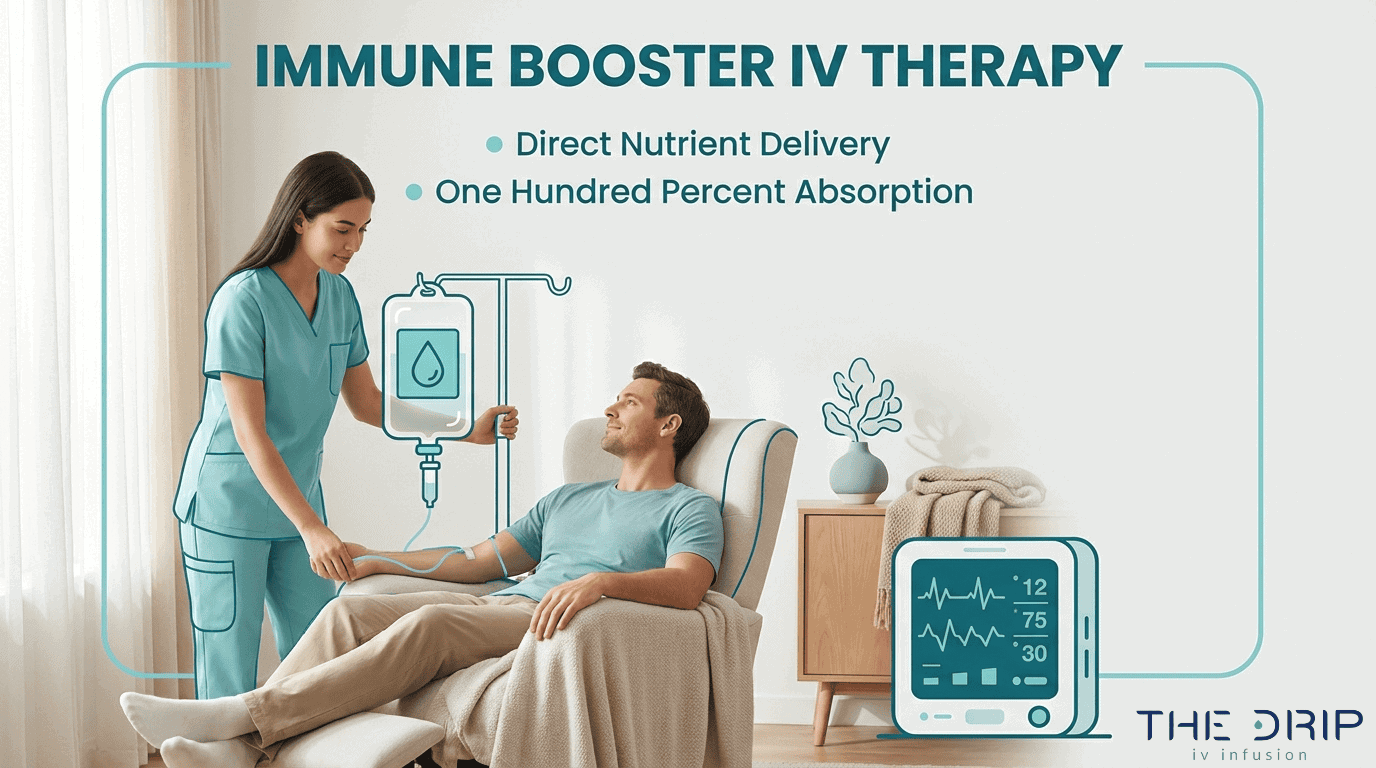
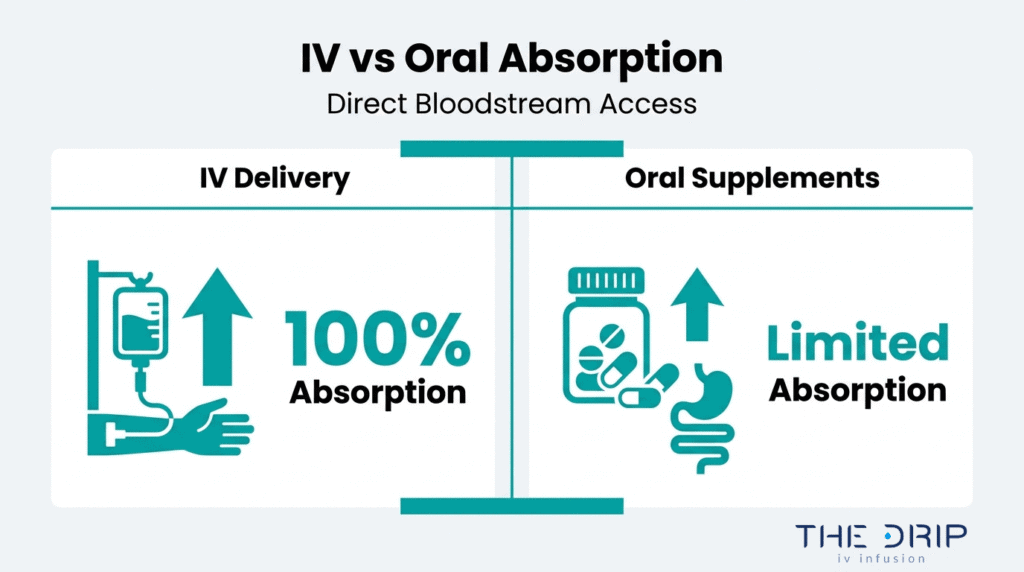
An immune booster IV is an intravenous infusion that delivers vitamins, minerals, and antioxidants directly into the bloodstream to support immune function and overall wellness. By bypassing the digestive system, this method achieves 100% bioavailability of nutrients like Vitamin C, B-complex vitamins, zinc, and glutathione.
This guide covers the core ingredients and how they work, the science behind IV absorption versus oral supplementation, specific immune and wellness benefits, who stands to gain the most from treatment, and what to expect from the session itself, including risks, frequency, and mobile delivery options.
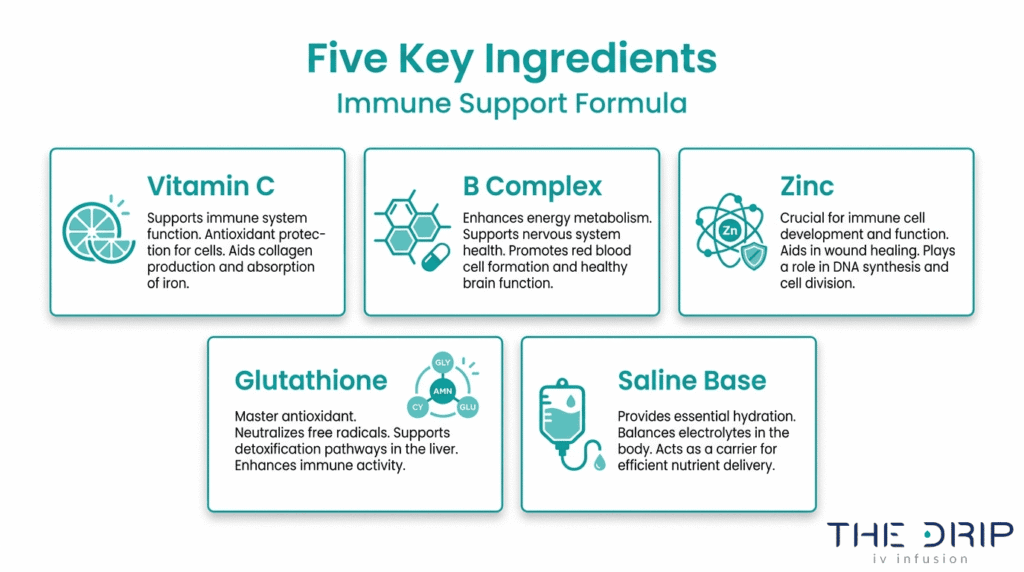
Each ingredient serves a distinct purpose. Vitamin C acts as a potent immunomodulator at doses oral intake cannot match, while B-complex vitamins fuel cellular energy metabolism and zinc supports over 300 enzymatic reactions critical to immune cell development. Glutathione protects against oxidative stress, and saline provides the hydration foundation every other nutrient depends on.
IV delivery achieves plasma concentrations of nutrients far beyond what oral supplements can produce. Oral Vitamin C absorption caps at roughly 200 mg per dose, whereas IV administration of the same amount yields approximately sixfold higher plasma levels. This absorption advantage matters most for individuals with compromised gut health, acute deficiencies, or illness-related digestive impairment.
The benefits extend beyond immune defense to include faster illness recovery, reduced fatigue through B-vitamin replenishment, immediate rehydration, and glutathione-driven detoxification support.
Frequent travelers, high-stress professionals, people navigating cold and flu season, and anyone recovering from illness are among those who benefit most. Sessions typically take about one hour, are administered by registered nurses under physician oversight, and can be delivered through mobile services directly to your home or office.
What Does an Immune Booster IV Contain?
An immune booster IV contains a combination of vitamins, minerals, antioxidants, and a hydrating saline base. The core ingredients include vitamin C, B-complex vitamins, zinc, glutathione, and saline solution.
Vitamin C
Vitamin C is a potent antioxidant and immunomodulator included in most immune booster IV formulations. It supports key immune cell functions, including phagocyte activity, lymphocyte proliferation, and cytokine production. Because oral absorption of vitamin C is saturable, intravenous delivery achieves significantly higher plasma concentrations. For immune support, IV dosages typically fall in the 5 to 25 gram range. This makes vitamin C one of the most impactful ingredients in any immunity infusion, particularly when rapid replenishment is the goal.
B-Complex Vitamins
B-complex vitamins are essential co-enzymes involved in energy production, DNA/RNA synthesis, and neurotransmitter synthesis. These functions are critical for maintaining cellular health, which indirectly supports immune responses. According to a 2002 review by Dr. Alan Gaby in Alternative Medicine Review, a standard Myers’ Cocktail includes B1 (100 mg), B2 (5 mg), B3 (100 mg), B5 (250 mg), B6 (100 mg), and B12 (1000 mcg). Without adequate B-vitamin levels, immune cell development and energy metabolism can both suffer, making this group a foundational component of IV immune formulations.
Zinc
Zinc is a vital trace mineral involved in over 300 enzymatic reactions within the body. It plays a key role in immune cell development, differentiation, and function, with significant anti-viral and anti-inflammatory properties. IV zinc dosages for immune support typically range from 5 to 25 mg. High doses require careful monitoring due to potential toxicity. For anyone already fighting off an infection, zinc is often the ingredient that makes the most noticeable difference in recovery speed.
Glutathione
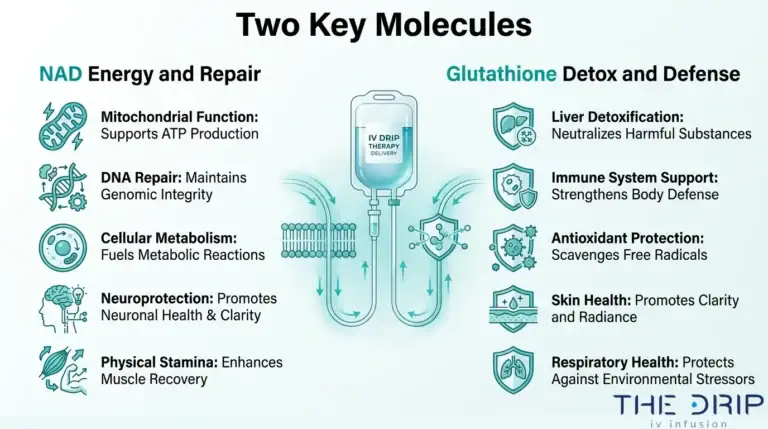
Glutathione is a tripeptide often called the body’s master antioxidant. It plays a crucial role in detoxification pathways, neutralizing free radicals, and maintaining cellular redox balance. IV glutathione dosages typically range from 600 mg to 2000 mg. By protecting immune cells against oxidative stress, glutathione helps preserve the body’s defensive capacity during periods of illness or high toxin exposure.
Saline Solution
Saline solution is the base of most IV infusions. It provides immediate hydration and acts as a vehicle for transporting nutrients directly into the bloodstream. Saline also helps maintain electrolyte balance and supports overall physiological function. This direct fluid delivery is particularly beneficial for individuals dehydrated from illness, intense physical activity, or inadequate oral intake. Proper hydration is foundational to every other ingredient working effectively, which is why saline is far more than just a carrier fluid.
Understanding these ingredients helps clarify how an immune booster IV works once it enters the body.
How Does an Immune Booster IV Work in the Body?
An immune booster IV works by delivering vitamins, minerals, and antioxidants directly into the bloodstream through a vein, bypassing the digestive system entirely. This process achieves 100% bioavailability. The following subsections explain intravenous delivery mechanics and how IV absorption compares to oral supplements.
How Does Intravenous Delivery Bypass the Digestive System?
Intravenous delivery bypasses the digestive system by infusing nutrients in a saline solution directly into a vein, where they enter the bloodstream immediately. This method skips the gastrointestinal tract altogether, avoiding barriers such as stomach acid, digestive enzymes, and first-pass liver metabolism that normally limit how much of a nutrient the body actually absorbs.
A 2004 study published in the Annals of Internal Medicine by Padayatty et al. demonstrated that intravenous administration of Vitamin C produces plasma concentrations significantly higher than those achievable with maximal oral dosing, confirming a pharmacological advantage for IV delivery. Because the full dose reaches systemic circulation without degradation, the body can use nutrients faster and more completely. For anyone with compromised gut health or absorption issues, this directness becomes especially valuable.
How Does IV Absorption Compare to Oral Supplement Absorption?
IV absorption delivers 100% bioavailability, while oral supplement absorption varies widely depending on the nutrient, dosage, and individual digestive health. Oral nutrients must pass through the gastrointestinal tract, where stomach acid, enzymes, and liver metabolism reduce the amount that reaches the bloodstream.
The differences are stark for specific nutrients:
- Vitamin C: Oral absorption caps at roughly 200 mg per dose. Oral doses of 1.25 grams produce peak plasma concentrations of 134.8 ± 20.6 μmol/L, whereas IV administration of the same dose achieves 885 ± 201 μmol/L, approximately a sixfold increase.
- Zinc: Oral zinc absorption is influenced by dietary factors and competing minerals. IV delivery ensures direct, consistent plasma levels, particularly for individuals with GI absorption issues.
- B-complex vitamins: Although generally well-absorbed orally, individual rates vary. IV delivery guarantees the full dose reaches circulation immediately, which matters most for acute deficiencies or malabsorption conditions.
For anyone weighing cost against results, this distinction is critical. Oral supplements work well for daily maintenance in healthy individuals, but when rapid correction or higher therapeutic concentrations are the goal, IV delivery offers a clear absorption advantage.
Understanding how these nutrients enter and move through the body sets the stage for exploring the specific immune benefits they provide.
What Are the Benefits of an Immune Booster IV?
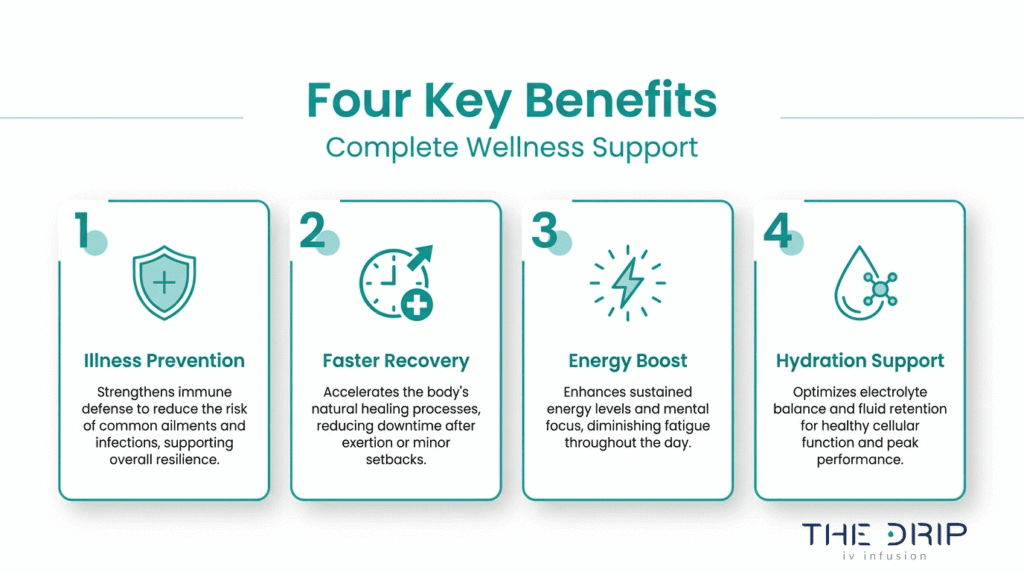
The benefits of an immune booster IV include illness prevention support, faster recovery from sickness, improved energy levels, enhanced hydration, and detoxification. Each benefit stems from the specific nutrients delivered directly into the bloodstream.
How Does an Immune Booster IV Help Prevent Illness?
An immune booster IV helps prevent illness by delivering high concentrations of immune-supporting nutrients directly into the bloodstream, where they can be immediately utilized by immune cells. High-dose IV Vitamin C has been studied for its potential to reduce the duration and severity of viral infections, while zinc supports immune cell development and function. Frequent travelers, who face exposure to new pathogens and disrupted sleep patterns, often use immune booster IVs to maintain resilience during vulnerable periods. Although direct clinical trials proving illness prevention for complete IV formulations remain limited, each individual component has well-documented immune-supporting roles. For proactive immune support, this combination of nutrients offers a more targeted approach than relying on any single supplement alone.
How Does an Immune Booster IV Speed Up Recovery From Sickness?
An immune booster IV speeds up recovery from sickness by replenishing depleted nutrients and rehydrating the body at a time when oral intake may be compromised. During cold and flu season, individuals often seek IV immune boosters to alleviate symptoms and accelerate recovery. When the body fights an infection, it rapidly consumes Vitamin C, zinc, and B vitamins, creating temporary deficiencies that can slow healing. IV delivery restores these nutrients to therapeutic levels quickly, bypassing a digestive system that may already be weakened by illness. For anyone dealing with nausea, vomiting, or loss of appetite during sickness, intravenous replenishment becomes especially practical since it removes the need to keep oral supplements down.
How Does an Immune Booster IV Improve Energy and Reduce Fatigue?
An immune booster IV improves energy and reduces fatigue by replenishing B-complex vitamins essential for cellular energy metabolism. According to a 2020 narrative review by Tardy et al. published in Nutrients, B vitamins and minerals play critical roles in energy production, fatigue reduction, and cognitive function. In individuals with deficiencies or chronic fatigue, intravenous B-vitamin replenishment can produce noticeable improvements because the nutrients reach cells at full concentration without digestive losses. Stress, poor diet, and illness all deplete B vitamins rapidly. IV delivery addresses this depletion more efficiently than oral supplementation in acute situations, making it a practical option for anyone experiencing persistent low energy despite adequate sleep and nutrition.
How Does an Immune Booster IV Support Hydration and Detoxification?
An immune booster IV supports hydration and detoxification by combining saline solution with glutathione, the body’s master antioxidant. The saline base delivers fluids directly into the bloodstream, providing immediate hydration for individuals dehydrated from illness, intense exercise, or chronic stress. Glutathione plays a critical role in detoxification pathways, neutralizing free radicals and maintaining cellular redox balance. Athletes experiencing oxidative stress from intense training and high-stress professionals dealing with immune suppression both benefit from this combination of rapid rehydration and antioxidant support. IV administration can temporarily increase glutathione levels beyond what oral supplementation achieves, which is particularly valuable for individuals with elevated toxin exposure or oxidative burden.
With these core benefits established, understanding who benefits most helps determine whether an immune booster IV fits your situation.
Who Should Consider Getting an Immune Booster IV?
Immune booster IV therapy suits individuals facing increased immune demands, such as seasonal illness exposure, frequent travel, chronic stress, or recovery from sickness. The following subsections cover who benefits most in each scenario.
Who Benefits Most During Cold and Flu Season?
People who benefit most during cold and flu season include those with heightened exposure to viral pathogens, such as office workers, parents of school-age children, healthcare staff, and anyone who feels run down as infections circulate. Seasonal infusions deliver vitamin C, zinc, and B-complex vitamins directly into the bloodstream, proactively supporting the immune system when viral activity peaks. Some individuals schedule these infusions at the start of fall or winter to maintain consistent nutrient levels before symptoms ever appear. For anyone who catches every cold that goes around, a proactive approach often makes more sense than waiting until illness hits.
Who Benefits Most Before or After Travel?
People who benefit most before or after travel are frequent flyers, international travelers, and anyone exposed to recirculated cabin air, unfamiliar pathogens, and disrupted sleep schedules. Air travel dehydrates the body and compresses rest cycles, both of which can suppress immune function. A pre-trip immune booster IV replenishes hydration through saline while delivering key nutrients like vitamin C and glutathione. Post-travel sessions help the body recover from jet lag and pathogen exposure more efficiently. For anyone with a packed itinerary or back-to-back trips, scheduling an infusion around travel dates is one of the most practical uses of IV therapy.
Who Benefits Most With a Demanding or High-Stress Lifestyle?
People who benefit most with a demanding or high-stress lifestyle include executives, shift workers, new parents, and anyone under sustained mental or physical pressure. Chronic stress depletes B vitamins and suppresses immune cell activity, leaving the body more vulnerable to infection. According to a 2023 Mayo Clinic Press article, robust clinical evidence for general wellness IV therapy remains limited; however, individuals with high-stress lifestyles often opt for weekly infusions to maintain consistent nutrient levels. Replenishing these nutrients intravenously bypasses absorption barriers that stress itself can worsen, such as reduced gut motility and impaired digestion.
Who Benefits Most While Recovering From Illness?
People who benefit most while recovering from illness are those dealing with lingering fatigue, dehydration, or nutrient depletion after a cold, flu, or stomach virus. Illness reduces appetite and impairs the gut’s ability to absorb oral supplements effectively. IV delivery bypasses these compromised pathways entirely, providing 100% bioavailability of immune-supporting nutrients like vitamin C, zinc, and B-complex vitamins. This direct replenishment can help shorten the tail end of recovery when the body needs nutrients most but is least equipped to absorb them orally. Anyone who should avoid IV therapy altogether, including those with severe kidney disease or congestive heart failure, must consult a healthcare provider first.
Understanding who benefits most helps determine whether an immune booster IV fits your situation and goals.
What Should You Expect During an Immune Booster IV Session?
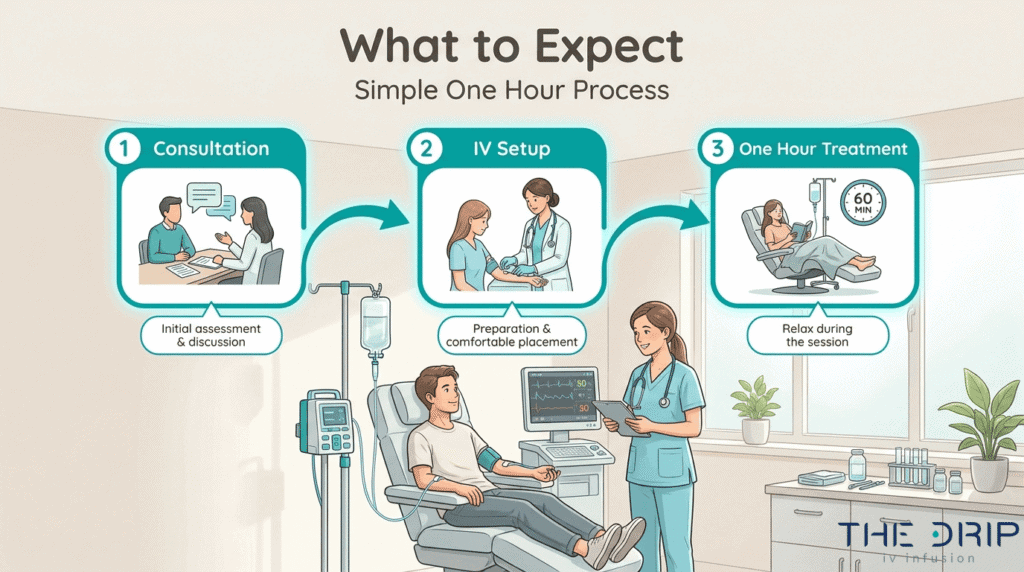
You should expect a straightforward process that typically takes about one hour, involves minimal discomfort, and is administered by a trained nurse. Below, each step of the session is covered in detail.
How Long Does an Immune Booster IV Infusion Take?
An immune booster IV infusion takes approximately one hour from start to finish. The exact duration depends on the volume of fluid and the specific nutrient blend being administered. During this time, a trained nurse monitors the drip rate and watches for any signs of vein irritation or phlebitis, a condition where the catheter or infused fluids cause temporary redness, pain, or swelling along the vein. Most sessions are completed comfortably in a relaxed setting, whether at home or in a clinic.
What Does the IV Administration Process Feel Like?
The IV administration process feels similar to a standard blood draw. A nurse inserts a small catheter into a vein, usually in the arm, which may cause a brief pinch. Once the infusion begins, some people notice a mild cool sensation as the fluid enters the bloodstream. Minor bruising at the insertion site is possible but uncommon.
It is worth noting that the U.S. Food and Drug Administration does not approve compounded IV vitamin formulations for general wellness, though the individual ingredients are FDA-approved. Choosing a reputable provider with proper medical oversight helps ensure both safety and comfort throughout the session.
Understanding what to expect during a session makes it easier to evaluate the potential side effects.
Are There Any Side Effects or Risks of an Immune Booster IV?
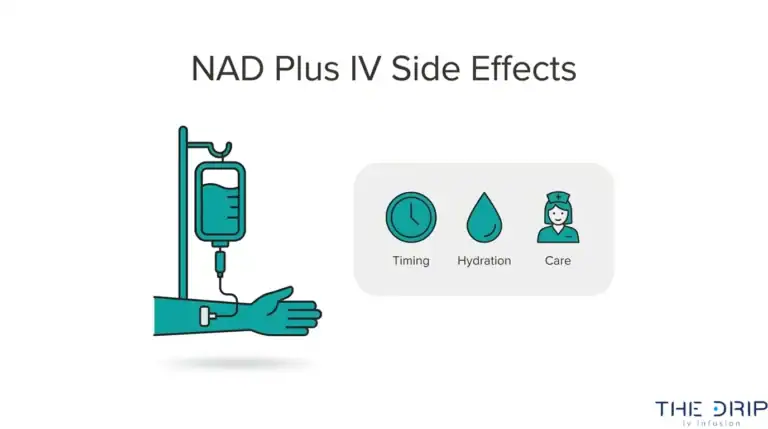
The side effects and risks of an immune booster IV are generally mild when qualified professionals administer the infusion, but several potential complications deserve transparent discussion. These include infection risk, vein irritation, electrolyte imbalance, allergic reactions, and fluid overload.
Immune booster IV therapy is considered safe under proper medical oversight, yet any procedure involving venous access carries inherent risks. The most common side effects involve the injection site itself, while more serious complications tend to affect individuals with pre-existing conditions.
The following risks apply to IV nutrient infusions broadly:
- Infection risk: Any skin puncture can introduce bacteria. Improper sterile technique during cannulation may cause local infection at the insertion site or, rarely, systemic infection.
- Vein irritation (phlebitis): Catheter insertion and fluid infusion can inflame the vein, producing pain, redness, and swelling along its path.
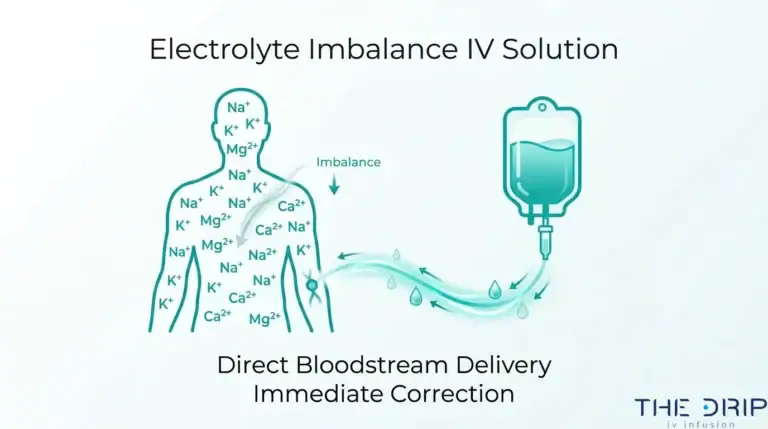
- Electrolyte imbalance: Infusing specific electrolytes or large fluid volumes without proper monitoring can disrupt the body’s natural balance, potentially leading to serious complications.
- Allergic reactions: Though uncommon, sensitivity to any component in the IV solution remains possible.
- Fluid overload: Individuals with pre-existing heart or kidney conditions face increased risk from rapid fluid infusion, which may cause shortness of breath and swelling.
Certain populations should avoid IV therapy altogether, including those with severe kidney disease, congestive heart failure, or specific medication interactions. A thorough medical history review before any session is essential.
According to the U.S. Food and Drug Administration (2023), compounded IV formulations used in hydration clinics, medical spas, and mobile services are generally not FDA-approved for general wellness, and the agency has raised specific concerns about sterility and appropriate medical oversight for these settings.
Comprehensive adverse event statistics for immune booster IV therapy specifically are not widely available from large-scale clinical trials. Most competitor content downplays these risks, but honest disclosure builds the trust that actually matters when someone is choosing a provider. The safest approach is always to work with licensed professionals who conduct a proper health screening before every infusion.
Understanding these risks helps you make an informed decision about how often to schedule sessions.
How Often Should You Get an Immune Booster IV?
You should get an immune booster IV on a schedule tailored to your individual health needs, goals, and a qualified healthcare provider’s guidance. Common frequency patterns include weekly, monthly, and seasonal options.
Frequency recommendations for immune booster IV therapy vary widely. Rather than following a single standardized protocol, the right cadence depends on your health status, lifestyle demands, and specific nutrient needs. The most common schedules include:
- Weekly: Individuals managing chronic conditions or high-stress lifestyles may benefit from weekly infusions to maintain consistent nutrient levels.
- Monthly: A monthly session is often recommended for general wellness and ongoing immune support, serving as a regular nutritional boost.
- Seasonal: Some people schedule infusions around cold and flu season or before and after extensive travel to proactively support immune resilience.
A qualified healthcare provider should always determine the appropriate frequency after evaluating your dietary intake, existing nutrient levels, and overall health. What works well for a frequent traveler exposed to new pathogens regularly will differ significantly from what suits someone seeking a periodic wellness boost. Consistency matters more than intensity; for most people pursuing general immune maintenance, a monthly session strikes the right balance between benefit and practicality.
Understanding your ideal frequency helps when comparing IV therapy to daily oral supplementation.
How Is an Immune Booster IV Different From Oral Immune Supplements?
An immune booster IV differs from oral immune supplements primarily in bioavailability, cost, and delivery speed. The sections below compare nutrient absorption, pricing, and the scientific consensus on each approach.
How Does Bioavailability Compare Between IV and Oral Delivery?
Bioavailability between IV and oral delivery differs significantly. Intravenous administration achieves 100% bioavailability because nutrients enter the bloodstream directly, bypassing gastrointestinal absorption barriers such as stomach acid, digestive enzymes, and first-pass liver metabolism. Oral supplements, by contrast, face saturable absorption limits that cap how much the body can use from a single dose.
This distinction matters most for nutrients like vitamin C, where oral intake plateaus regardless of dose size. Clinical studies indicate that IV administration of vitamin C at doses between 25 and 50 grams can substantially enhance immune function and reduce inflammation (Padayatty et al., 2004, Annals of Internal Medicine). For individuals with compromised gut health or acute deficiencies, IV delivery offers a measurable pharmacological advantage that oral supplements simply cannot replicate.
How Does Cost Compare Between IV Therapy and Oral Supplements?
The cost of IV therapy is significantly higher than oral supplements. A single IV session can range from $100 to $500 or more, driven by medical supplies, professional administration, and the specialized nature of the service. A month’s supply of oral supplements typically costs a fraction of that amount.
The trade-off centers on delivery speed versus long-term affordability. IV therapy delivers rapid, complete nutrient replenishment, making it practical for acute situations or severe deficiencies where immediate results matter. Oral supplements remain the more accessible option for daily maintenance in healthy individuals. For most people, a strategic combination of both methods yields better value than relying exclusively on either one.
What Does the Scientific Consensus Say About IV vs. Oral Immune Support?
The scientific consensus on IV versus oral immune support remains mixed. Individual IV ingredients, including vitamin C, zinc, and B-complex vitamins, have well-documented immune-supporting roles. Vitamin C functions as a potent antioxidant and immunomodulator, supporting phagocyte activity, lymphocyte proliferation, and cytokine production. Zinc participates in over 300 enzymatic reactions critical for immune cell development and carries significant anti-viral properties.
However, authoritative sources urge caution. According to a 2023 Harvard Health Publishing article, large-scale independent clinical trials demonstrating efficacy for general wellness beyond specific deficiency states are lacking. Comprehensive adverse event data for immune booster IV therapy also remains limited. When weighing both delivery methods, the decision should reflect individual health status, nutrient needs, and professional medical guidance rather than marketing claims alone.
Can a Mobile IV Therapy Service Deliver an Immune Booster IV to You?
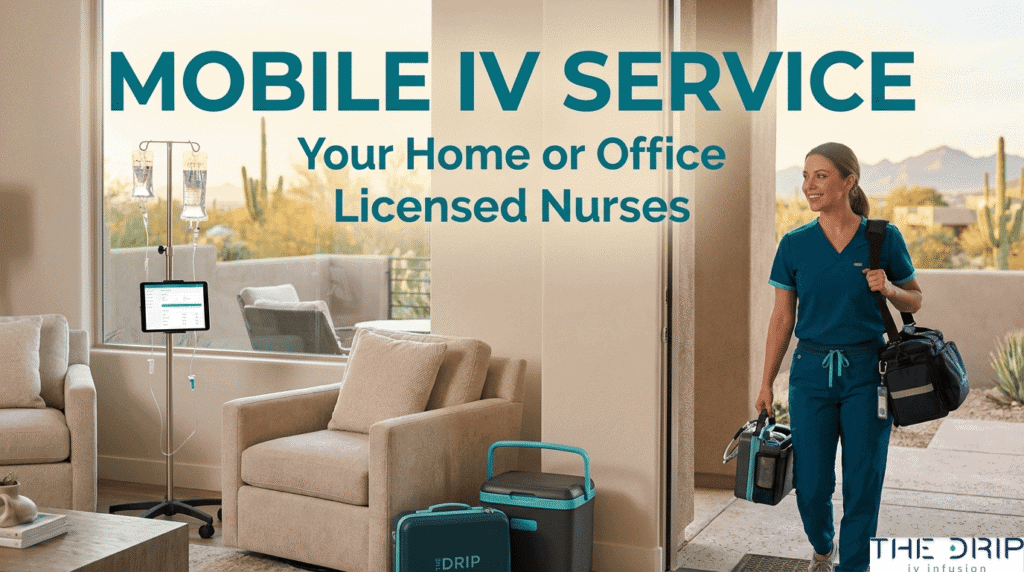
Yes, a mobile IV therapy service can deliver an immune booster IV directly to your home or office. These services are growing rapidly, with registered nurses administering infusions under physician oversight. Below, learn how The Drip IV Infusion provides this service and the key takeaways about immune booster IVs.
Does The Drip IV Infusion Offer Nurse-Administered Immune Booster IVs?
The Drip IV Infusion offers nurse-administered immune booster IVs as part of its mobile service throughout Arizona. Each session is conducted by a registered nurse who arrives at your chosen location, whether that is your home, office, or hotel. Mobile IV therapy is predominantly administered by registered nurses or other licensed healthcare professionals under the supervision of a medical director, ensuring strict adherence to safety protocols and state licensing requirements. The Drip IV Infusion was founded by professionals with decades of experience in nursing, emergency medicine, and IV medical techniques. For anyone seeking immune support without visiting a clinic, this on-demand model removes one of the biggest barriers to consistent nutrient replenishment.
What Are the Key Takeaways About Immune Booster IVs and How They Work?
The key takeaways about immune booster IVs center on three core principles: direct nutrient delivery, targeted immune support, and professional oversight.
- Immune booster IVs bypass the digestive system, delivering vitamins such as Vitamin C, B-Complex, Zinc, and Glutathione at 100% bioavailability.
- Individual ingredients like high-dose Vitamin C and Zinc have established roles in supporting immune cell function, though large-scale clinical trials on combined IV wellness formulas remain limited.
- Qualified nurse administration under a medical director is essential for safety, as the regulatory landscape for mobile IV therapy varies by state and most states require physician oversight.
- Session frequency depends on individual health goals; common schedules include weekly, monthly, or seasonal infusions.
- The global IV infusion therapy market was valued at USD 34.6 billion in 2023, according to Grand View Research, reflecting strong consumer demand for convenient, on-demand wellness services.
For most people exploring immune support options, the combination of clinical-grade ingredients and the convenience of mobile delivery makes immune booster IV therapy a practical complement to a healthy lifestyle. Understanding both the benefits and the current evidence helps you make an informed decision about whether this approach fits your wellness routine.