IV therapy helps with workplace burnout in Tempe by delivering hydration, vitamins, and minerals directly into the bloodstream, bypassing digestive limitations that chronic stress creates. This intravenous approach restores depleted nutrients at full bioavailability, addressing the fatigue, brain fog, and immune suppression that burnout produces.
This guide covers burnout’s prevalence in Tempe’s workforce, how chronic stress depletes the body nutritionally, the specific IV nutrients that target burnout symptoms, which local professionals benefit most, and how mobile delivery makes recovery practical.
Tempe’s dominant employment sectors in education, healthcare, retail, and tech each carry distinct burnout risk factors, from emotional labor and shift work to digital fatigue and sustained cognitive demands. These pressures affect over 111,000 employed residents.
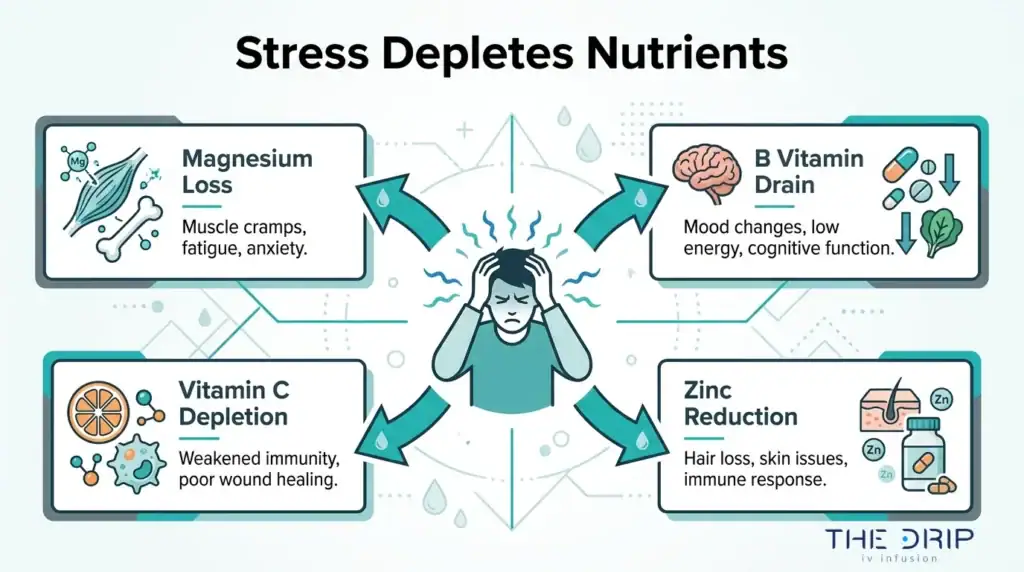
Prolonged cortisol exposure drains magnesium, B vitamins, zinc, and vitamin C while simultaneously damaging gut barrier integrity. This creates a cycle where the body loses nutrients faster than food or oral supplements can replace them.
IV infusions containing B-complex, magnesium, vitamin C, amino acids, and NAD+ each target a different layer of burnout recovery. These range from mitochondrial energy production and neurotransmitter synthesis to immune restoration and muscle tension relief.
Remote workers, corporate professionals, healthcare staff, and entrepreneurs across Tempe all face unique depletion patterns that benefit from tailored infusion protocols. Nurse-administered mobile sessions take under an hour and come directly to a home or workplace, removing the scheduling barrier that prevents most burned-out professionals from pursuing consistent recovery.
What Is Workplace Burnout and Why Is It Common in Tempe?
Workplace burnout is a syndrome caused by chronic job stress, marked by exhaustion, mental detachment, and reduced professional effectiveness. Tempe’s workforce faces unique pressures across its dominant industries, producing physical, mental, and emotional symptoms that compound over time.
What Are the Physical Symptoms of Workplace Burnout?
The physical symptoms of workplace burnout include chronic fatigue, persistent headaches, muscle tension, digestive problems, and disrupted sleep. Prolonged cortisol exposure from unmanaged stress can affect nearly every system in the body, weakening immunity and accelerating physical decline.
These symptoms often intensify in high-demand roles. According to a Haystack Analytics study, 83% of software developers suffer from workplace burnout, with high workload cited as the top reason. For Tempe professionals in the growing tech corridor, these physical warning signs frequently go unaddressed until they interfere with daily function. Recognizing them early is critical to preventing long-term health consequences.
What Are the Mental and Emotional Signs of Burnout?
The mental and emotional signs of burnout include persistent emotional exhaustion, depersonalization, and feelings of decreased personal accomplishment. According to research from the University of Nebraska Medical Center, these three dimensions define burnout syndrome and directly influence professional performance.
In practice, this often looks like cynicism toward coworkers, difficulty concentrating, irritability, and a growing sense that your work no longer matters. Emotional withdrawal tends to build gradually, making it harder to identify than physical symptoms. Many Tempe professionals, particularly those in education and healthcare, dismiss these signs as normal job stress until productivity and personal relationships begin to suffer.

Why Does Tempe’s Work Culture Contribute to Burnout?
Tempe’s work culture contributes to burnout because the city’s dominant employment sectors carry inherently high stress loads. According to Data USA, the most common employment sectors in Tempe are Educational Services (15,615 people), Retail Trade (11,899 people), and Health Care and Social Assistance (11,335 people) out of 111,606 employed residents.
Each of these industries demands sustained emotional labor, irregular schedules, or high-volume customer interaction. Healthcare workers nationally faced a 35.4% burnout rate in 2023 alone. Combined with ASU-adjacent academic pressures and a rapidly expanding local tech sector, Tempe creates a convergence of burnout risk factors that few Arizona cities match. For a workforce this diverse, burnout recovery strategies need to be equally accessible.
With burnout’s roots clearly tied to nutrient depletion, understanding how stress affects the body at a cellular level reveals why standard recovery methods often fall short.
How Does Burnout Affect Your Body at a Nutritional Level?
Burnout affects your body at a nutritional level by depleting essential vitamins and minerals, impairing hydration, and reducing gut absorption. The following subsections cover how chronic stress drains micronutrients, why dehydration and fatigue compound the problem, and how poor gut function slows recovery.
How Does Chronic Stress Deplete Vitamins and Minerals?
Chronic stress depletes vitamins and minerals by forcing the body to consume micronutrients at an accelerated rate during prolonged cortisol production. According to a 2020 review published in Advances in Nutrition (Oxford Academic), psychological and environmental stress often leads to micronutrient depletion, particularly affecting magnesium, zinc, and calcium. Elevated cortisol demands higher turnover of B vitamins for energy metabolism and vitamin C for adrenal function, leaving reserves consistently low. When these nutrients are not replenished at the rate they are consumed, deficiencies accumulate silently over weeks and months. This is one reason why burned-out professionals frequently test low in the very nutrients responsible for energy, mood regulation, and immune defense.
Why Does Burnout Lead to Dehydration and Fatigue?
Burnout leads to dehydration and fatigue because sustained cortisol elevation disrupts the body’s fluid-regulating hormones, while stress-driven habits like excessive caffeine intake and irregular meals accelerate water and electrolyte loss. Dehydration, even at mild levels, impairs cognitive function, worsens headaches, and intensifies the exhaustion that burnout already produces. Many people experiencing burnout mistake chronic dehydration for simply “being tired,” which delays meaningful recovery. Replacing fluids alone is not enough; electrolytes such as sodium, potassium, and magnesium must be restored simultaneously to support cellular energy production and proper nerve signaling.
How Does Poor Gut Absorption Worsen Burnout Recovery?
Poor gut absorption worsens burnout recovery by limiting the body’s ability to extract nutrients from food and oral supplements. A study published in The Journal of Physiology found that chronic stress-induced visceral hypersensitivity may result from impaired gut barrier integrity, altering gastrointestinal function. When the gut lining is compromised, even a nutrient-dense diet fails to deliver adequate vitamins and minerals into the bloodstream. This creates a frustrating cycle: burnout damages gut health, and poor gut health prevents the nutritional replenishment needed to recover. Intravenous delivery offers a practical workaround, since nutrients bypass the digestive system entirely and enter circulation at higher concentrations.
With nutritional depletion now clear, understanding how IV therapy works mechanically explains why it addresses these deficits so effectively.
What Is IV Therapy and How Does It Work for Burnout?
IV therapy is an intravenous method that delivers hydration, vitamins, and minerals directly into the bloodstream to help address burnout symptoms. The following sections explain why this delivery method bypasses the digestive system and how quickly results can be felt.
Why Does Intravenous Delivery Bypass the GI Tract?
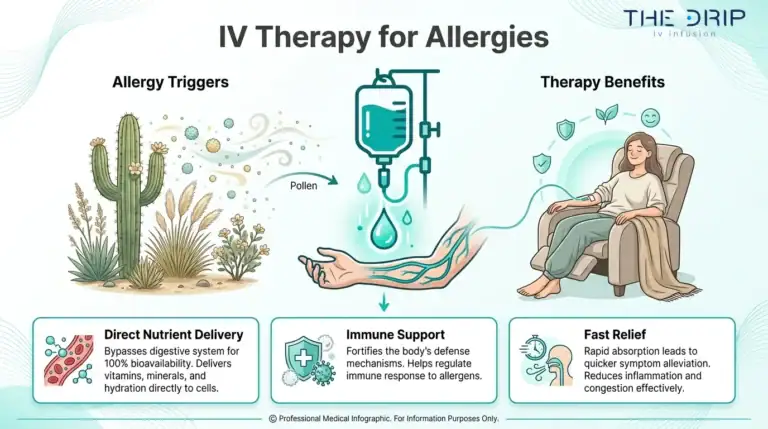
Intravenous delivery bypasses the GI tract because nutrients are infused directly into the bloodstream through a vein, completely skipping the digestive system. When vitamins and minerals are taken orally, they must pass through the stomach and intestines, where absorption can be slow, incomplete, or disrupted by stress-related gut issues. According to a 2025 review published in the Cureus Journal of Medical Science, nutrients administered intravenously have virtually 100% bioavailability, entering systemic circulation without gastrointestinal absorption limitations. This distinction matters significantly for burned-out professionals whose chronic stress may have already compromised digestive efficiency. For anyone dealing with ongoing nutrient depletion, the intravenous route offers a more reliable path to replenishment.
How Quickly Can IV Therapy Deliver Results for Burnout?
IV therapy can deliver results for burnout rapidly, with many individuals noticing improved energy and hydration within the session itself. Because nutrients enter the bloodstream immediately, the body begins utilizing them without the delays associated with oral digestion. A typical session takes about one hour, and the effects of rehydration and micronutrient replenishment are often felt shortly after. Three of four controlled studies reviewed by Zeam Health showed significant fatigue improvement with high-dose intravenous vitamin C administration, suggesting that targeted infusions can produce measurable outcomes quickly. For Tempe professionals juggling demanding schedules, this efficiency makes IV therapy a practical option worth considering.
With the delivery mechanism and timeline established, understanding which specific nutrients target burnout symptoms becomes the next step.
Which IV Nutrients Help With Burnout Symptoms?
IV nutrients that help with burnout symptoms include B-complex vitamins, magnesium, vitamin C, amino acids, and NAD+. Each targets a different dimension of burnout recovery, from energy production to cellular repair.
How Does B-Complex Support Energy and Stress Recovery?
B-complex supports energy and stress recovery by fueling cellular metabolism and regulating neurotransmitter production. B vitamins, including B1, B5, B6, B9, and B12, serve as essential cofactors in converting food into usable energy at the mitochondrial level. Chronic stress accelerates the body’s consumption of these vitamins, often creating deficits that worsen fatigue and mood instability.
According to a 2019 NIH review, B vitamin supplementation in healthy and at-risk populations demonstrated improvements in subjective mood and cognitive performance. Because burnout depletes these reserves faster than most diets can replenish them, intravenous B-complex delivery restores levels more efficiently than oral intake alone. For Tempe professionals dealing with sustained workloads, this makes B-complex one of the most practical foundational nutrients in any burnout recovery protocol.
How Does Magnesium Help With Burnout-Related Tension?
Magnesium helps with burnout-related tension by relaxing smooth muscle tissue and modulating the body’s stress response. Prolonged cortisol exposure from chronic workplace stress increases the risk of muscle tension, headaches, sleep problems, and anxiety, according to the Mayo Clinic. Magnesium directly counteracts several of these effects by calming nervous system excitability and supporting healthy sleep cycles.
When stress persists, the body excretes magnesium at accelerated rates, creating a cycle where low levels amplify the very symptoms burnout produces. A study published in the Stress and Health Journal found that magnesium supplementation provided meaningful clinical benefit for individuals experiencing stress and low magnesemia. Intravenous magnesium bypasses the digestive limitations that often accompany burnout, making it especially valuable for those whose gut absorption has been compromised.
How Does Vitamin C Rebuild Immune Function After Burnout?
Vitamin C rebuilds immune function after burnout by replenishing antioxidant reserves that chronic stress rapidly depletes. Sustained cortisol elevation suppresses immune cell activity, leaving burned-out individuals more vulnerable to infections, slow wound healing, and prolonged illness. As a powerful antioxidant, vitamin C neutralizes free radicals generated during periods of high stress while supporting white blood cell production.
Intravenous delivery achieves plasma concentrations far beyond what oral doses can reach, which is critical when the body’s reserves have been severely drawn down. For Tempe workers powering through demanding schedules, high-dose IV vitamin C offers a faster path to restoring the immune resilience that months of burnout erode.
How Do Amino Acids Help Restore Mental Clarity?
Amino acids help restore mental clarity by serving as direct precursors to neurotransmitters that regulate focus, mood, and cognitive function. Burnout disrupts production of serotonin, dopamine, and GABA, all of which depend on adequate amino acid availability. L-tryptophan, for example, is critical for serotonin synthesis. According to a NIH review, L-tryptophan has been widely studied for its behavioral effects, given its essential role in metabolic function and neurotransmitter pathways.
When chronic stress depletes these building blocks faster than dietary intake can restore them, mental fog and emotional flatness intensify. IV amino acid blends deliver these precursors directly into systemic circulation, supporting the neurochemical balance that sustained cognitive performance requires.
How Does NAD+ Support Cellular Recovery From Chronic Stress?
NAD+ supports cellular recovery from chronic stress by fueling mitochondrial energy production and activating DNA repair enzymes called sirtuins. The World Health Organization classifies burnout as a syndrome resulting from chronic workplace stress, characterized by energy depletion, mental distance, and reduced professional efficacy. At the cellular level, this prolonged stress damages mitochondria and accelerates NAD+ decline, which compounds the exhaustion cycle.
Chronic stress can also exacerbate malabsorption syndromes, further limiting the body’s ability to restore NAD+ through diet alone. IV NAD+ therapy bypasses these digestive barriers entirely, delivering the coenzyme directly to cells that need it most. Recovery protocols commonly begin with weekly sessions, then taper to every two to four weeks as cellular function stabilizes.
With targeted nutrients addressing each layer of burnout, the next consideration is identifying which Tempe professionals benefit most from these protocols.

Who in Tempe Should Consider IV Therapy for Burnout?
Several groups of Tempe professionals should consider IV therapy for burnout, including remote workers, corporate employees, healthcare staff, and entrepreneurs. Each faces distinct stressors that drain energy and deplete nutrients differently.
Can Remote Workers in Tempe Benefit From IV Therapy?
Yes, remote workers in Tempe can benefit from IV therapy. Digital fatigue, blurred work-life boundaries, and prolonged screen time accelerate nutrient depletion and chronic dehydration. According to Apollo Technical, employee burnout has hit an all-time high, with 66% of American workers now reporting burnout, and remote workers facing added stressors from digital fatigue to unclear boundaries. Because remote workers often skip meals or rely on convenience food, their intake of key micronutrients like B-complex vitamins and magnesium suffers. IV therapy bypasses these absorption gaps, delivering hydration and nutrients directly into the bloodstream during a single session at home.
Can Corporate Professionals Use IV Therapy for Burnout?
Yes, corporate professionals can use IV therapy for burnout. Tempe’s growing tech corridor and ASU-adjacent business districts create high-pressure environments where long hours, tight deadlines, and constant meetings compound stress. These demands raise cortisol levels, which deplete magnesium and B vitamins faster than most diets can replenish them. IV infusions containing B-complex, magnesium, and amino acids help restore what sustained cognitive workloads strip away. For corporate professionals managing back-to-back responsibilities, a session that takes about an hour fits more easily into a packed schedule than overhauling dietary habits alone.
Can Healthcare Workers in Tempe Use IV Therapy to Recover?
Yes, healthcare workers in Tempe can use IV therapy to recover from burnout. With over 11,335 Tempe residents employed in health care and social assistance, this workforce faces uniquely intense physical and emotional demands. Shift rotations, emotional labor, and irregular meals make consistent nutrient intake difficult. IV therapy delivers vitamins, minerals, and hydration at virtually 100% bioavailability, which matters for professionals whose irregular schedules compromise oral supplement absorption. For healthcare workers already familiar with intravenous protocols, the process feels straightforward and time-efficient.
Can Entrepreneurs and Small Business Owners Benefit?
Yes, entrepreneurs and small business owners can benefit from IV therapy for burnout. Running a business in Tempe means wearing multiple hats: operations, marketing, finance, and client relations often fall on one person. This sustained cognitive and emotional load mirrors the chronic workplace stress pattern that depletes zinc, magnesium, and B vitamins over time. Unlike employees with structured schedules, entrepreneurs rarely take dedicated recovery time. Mobile IV therapy fits this reality by bringing nutrient-rich infusions directly to a home office or workspace, eliminating the need to carve out additional travel time during an already overloaded day.
What Are the Advantages of IV Therapy Over Oral Supplements?
The advantages of IV therapy over oral supplements center on faster absorption, higher bioavailability, and more predictable nutrient delivery. These differences matter most when burnout has already compromised digestion and gut function.
Oral supplements are effective for many people, but absorption is slower and less predictable compared to intravenous delivery, according to CA Infusion Centers. IV therapy bypasses the gastrointestinal tract entirely, delivering vitamins and minerals straight into the bloodstream. For professionals in Tempe dealing with chronic stress, this distinction is significant; burnout often disrupts gut health, which further reduces how well the body processes oral vitamins. Intravenous delivery eliminates that bottleneck, ensuring the full dose reaches cells that need it. When nutrient depletion is already affecting energy and focus, the speed and reliability of IV therapy make it one of the most practical recovery tools available.
With absorption advantages established, the next consideration is how frequently these sessions should occur.
How Often Should You Get IV Therapy for Ongoing Burnout?
You should get IV therapy for ongoing burnout on a schedule that starts weekly during acute recovery, then tapers to every two to four weeks for maintenance. Individual factors like stress severity, nutrient depletion levels, and lifestyle demands influence the ideal frequency.
A common clinical pattern, as noted by Mobile IV Medics, is to begin at roughly weekly sessions while recovering from a deficit, then taper to every two to four weeks as recovery stabilizes. This phased approach allows the body to rebuild depleted nutrient stores before shifting to sustained support. For Tempe professionals managing chronic workplace stress, the maintenance phase is where most people settle long-term. Consistency matters more than frequency once baseline levels are restored; skipping sessions during high-stress periods often leads to symptom recurrence that could have been prevented with a predictable schedule.
With a sustainable rhythm established, the next consideration is whether IV therapy sessions are safe and professionally administered.
Is IV Therapy for Burnout Safe and Nurse-Administered?
IV therapy for burnout is safe when administered by a licensed nurse following individualized protocols. Arizona law requires a valid order from a licensed professional for IV hydration therapies, and orders must be tailored to each patient’s specific needs.
According to a study published in the International Journal of Nursing Studies, the peripheral intravenous catheter-related bloodstream infection rate was 0.044 per 1000 days, setting a new benchmark for healthcare facilities, though minor complications like phlebitis and infiltration remain possible risks. These low infection rates reflect the safety standards that professional IV administration achieves under proper clinical oversight.
Common side effects are typically mild and may include:
- Slight bruising or tenderness at the insertion site
- A cooling sensation during the infusion
- Temporary lightheadedness immediately after treatment
Every session should begin with a health screening to identify allergies, medications, or conditions that could affect treatment. Nurse-administered IV therapy ensures proper vein access, correct infusion rates, and real-time monitoring throughout the session. For burnout recovery specifically, this professional oversight matters because stressed individuals often present with dehydration or nutrient depletion that requires careful dosing adjustments.
Choosing a nurse-led service over unregulated alternatives is one of the most important decisions when pursuing IV therapy for stress recovery, as proper clinical training directly impacts both safety and treatment effectiveness.
How Can Mobile IV Therapy in Tempe Fit Your Busy Schedule?
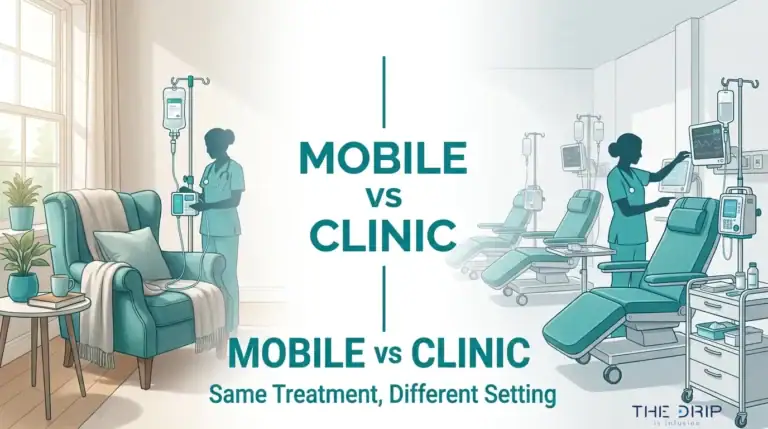
Mobile IV therapy in Tempe fits your busy schedule by bringing infusion treatments directly to your home or workplace, eliminating travel time entirely. The following sections cover workplace delivery options and key takeaways for burnout recovery.
Can The Drip IV Infusion Deliver Burnout Recovery to Your Workplace?
Yes, The Drip IV Infusion can deliver burnout recovery to your workplace. As a mobile IV therapy service operating across Arizona, The Drip IV Infusion sends experienced nurses directly to offices, co-working spaces, or home offices throughout Tempe. Mobile IV therapy brings hydration and nutrients to employees right at work, saving time and supporting health. A typical IV therapy session takes about one hour. Each session is individualized based on patient-specific needs, so a nurse can tailor the infusion to address your particular burnout symptoms. For busy professionals juggling demanding schedules, this on-site approach removes the biggest barrier to consistent wellness support.

What Are the Key Takeaways About IV Therapy for Workplace Burnout in Tempe?
The key takeaways about IV therapy for workplace burnout in Tempe center on three areas: nutritional recovery, convenience, and professional safety.
- Chronic workplace stress depletes critical micronutrients such as magnesium, B vitamins, and vitamin C, while also impairing gut absorption.
- Intravenous delivery achieves virtually 100% bioavailability, bypassing GI tract limitations that slow oral supplement absorption.
- Targeted IV nutrients, including B-complex, magnesium, vitamin C, amino acids, and NAD+, address specific burnout symptoms from fatigue to brain fog.
- Mobile IV therapy eliminates scheduling friction by coming to your Tempe home or workplace, with sessions completing in about an hour.
- All IV treatments in Arizona require individualized orders from a licensed professional, ensuring safe, nurse-administered care.
For Tempe’s workforce of over 111,000 employed residents spanning education, healthcare, retail, and tech, burnout recovery should not require another appointment to squeeze in. The Drip IV Infusion provides mobile, nurse-administered infusions tailored to your burnout symptoms, delivered wherever you work or rest in Tempe.