IV vitamin infusions for immune support are intravenous treatments that deliver immune-strengthening nutrients directly into the bloodstream, bypassing digestive absorption limits to achieve higher therapeutic concentrations than oral supplements allow.
This guide covers how IV immune infusions work and which nutrients they deliver, who benefits most from this therapy in Chandler, strategic timing and safety considerations, how Chandler’s desert climate creates unique immune challenges, and how mobile IV services make consistent support accessible.
IV infusions use direct venous delivery to eliminate the gastrointestinal bottlenecks that reduce oral supplement absorption, particularly at higher doses. Nutrients like vitamin C, zinc, and selenium reach full plasma concentration faster through this method, which matters most for individuals with malabsorption conditions or elevated immune demands.
Six key nutrients form the foundation of immune IV protocols: vitamin C enhances white blood cell production, zinc supports immune cell development and thymus regeneration, B-complex vitamins fuel energy metabolism and lymphocyte activity, glutathione neutralizes oxidative damage to immune cells, vitamin D modulates both innate and adaptive immune responses, and selenium drives selenoprotein production for inflammatory regulation.
Frequent travelers, athletes recovering from intense training, busy professionals with chronic stress, older adults facing age-related immune decline, and people managing chronic illness each present distinct reasons to consider IV immune support. Timing sessions before cold and flu season or at the first sign of symptoms maximizes their practical benefit.
Chandler’s persistent dry heat and year-round allergen cycles compound immune strain through chronic dehydration and prolonged inflammatory responses. Mobile nurse-administered IV therapy allows Chandler residents to receive targeted immune support at home, making consistent nutrient replenishment practical for those navigating these local conditions.
What Are IV Vitamin Infusions for Immune Support?
IV vitamin infusions for immune support are intravenous treatments that deliver immune-strengthening nutrients directly into the bloodstream. The following sections explain how these infusions differ from oral supplements and why bypassing digestion improves nutrient absorption.
How Do IV Vitamin Infusions Differ from Oral Supplements?
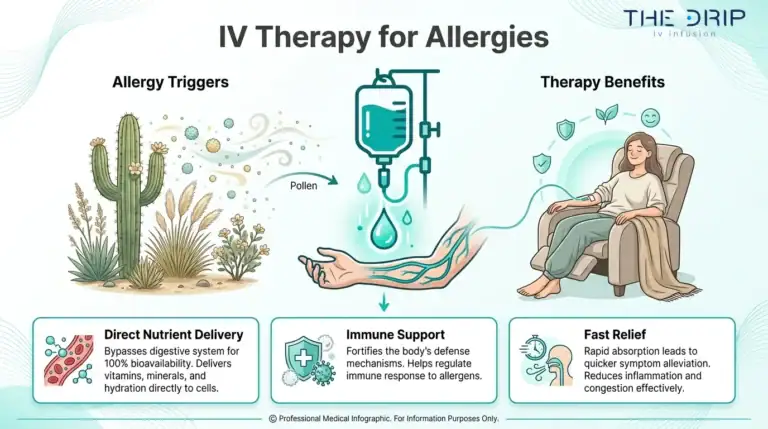
IV vitamin infusions differ from oral supplements in their delivery method and absorption rate. Oral supplements pass through the digestive system, where stomach acid, enzyme activity, and intestinal absorption limits reduce the amount of nutrients that reach the bloodstream. IV infusions skip this entire process by delivering vitamins, minerals, and antioxidants directly into the vein.
This distinction matters for immune-critical nutrients like vitamin C, zinc, and selenium. When taken orally at higher doses, these nutrients face diminishing absorption returns. Intravenous delivery achieves higher therapeutic concentrations in the blood, which oral routes simply cannot match. For anyone with digestive sensitivities or malabsorption conditions, this difference becomes even more significant.
Why Does Bypassing the Digestive System Improve Nutrient Absorption?
Bypassing the digestive system improves nutrient absorption because it eliminates the biological bottlenecks that limit how much of each nutrient enters circulation. The gastrointestinal tract regulates uptake through saturation-dependent transporters, meaning only a fixed amount of any given vitamin can cross the intestinal wall per dose.
According to a review published in Cureus, IV vitamin therapy offers enhanced bioavailability, higher therapeutic dosages, and targeted nutrient replenishment, making it particularly effective for individuals with malabsorption issues and chronic illnesses. Nutrients like selenium, which the immune system relies on for selenoprotein production and proper immune cell function, reach full concentration faster through intravenous delivery. For Chandler residents seeking reliable immune support, this direct-to-bloodstream approach represents one of the most efficient methods available.
With absorption mechanics established, understanding which specific vitamins and nutrients strengthen immunity adds practical depth to this foundation.
Which Vitamins and Nutrients in IV Infusions Strengthen Immunity?
The vitamins and nutrients in IV infusions that strengthen immunity include vitamin C, zinc, B-complex vitamins, glutathione, vitamin D, and selenium. According to Harvard T.H. Chan School of Public Health, a deficiency in even a single nutrient can alter the body’s immune response.

Vitamin C
Vitamin C is a powerful antioxidant that supports immune cell production and function. It helps white blood cells detect and neutralize pathogens more effectively. When delivered intravenously, vitamin C bypasses absorptive control in the intestine, allowing much higher plasma concentrations than oral doses can achieve. Oral ingestion above 500 mg results in progressively less absorption, which is why IV delivery offers a distinct advantage for those seeking therapeutic-level support. For Chandler residents exposed to environmental stressors year-round, this enhanced bioavailability makes IV vitamin C a practical immune investment.
Zinc
Zinc is an essential mineral that supports immune cell development and thymic function. According to Fred Hutchinson Cancer Center, zinc is required for development of a specialized type of immune cell and prompts the thymus, a critical immune organ, to regenerate after damage. Without adequate zinc levels, the body struggles to mount a timely defense against infections. Because zinc is not stored long-term in the body, consistent replenishment matters. IV delivery ensures rapid uptake without the gastrointestinal side effects that high-dose oral zinc sometimes causes.
B-Complex Vitamins
B-complex vitamins are a group of water-soluble nutrients that support energy metabolism and immune cell activity. B6 contributes directly to lymphocyte production, while B12 and folate help maintain healthy red blood cells that carry oxygen to immune tissues. The Myers’ formula, a well-known IV protocol, includes high doses of B vitamins alongside vitamin C and minerals. These nutrients work synergistically, and their combined IV delivery helps address multiple deficiency pathways simultaneously. For individuals with high metabolic demands, B-complex infusions provide efficient replenishment.
Glutathione
Glutathione is a tripeptide antioxidant present in every cell of the body. As described in a Frontiers in Nutrition review, glutathione functions as the “master antioxidant” and is involved in immune response, antiviral defense, detoxification, and intracellular redox homeostasis. It protects immune cells from oxidative damage that would otherwise impair their ability to fight infections. Oral glutathione supplements break down significantly during digestion, which makes IV administration particularly valuable for achieving effective cellular concentrations.
Vitamin D
Vitamin D modulates both innate and adaptive immune responses. Deficiency in this nutrient is associated with increased susceptibility to infection and heightened autoimmunity, according to a review published in PubMed Central. While Arizona’s abundant sunshine supports natural vitamin D synthesis, many Chandler residents spend most daylight hours indoors, limiting actual skin exposure. IV infusions offer a direct route to restore optimal vitamin D levels without relying on prolonged sun exposure or variable oral absorption.
Selenium
Selenium is an essential micronutrient that plays a crucial role in immune function. The immune system relies on adequate selenium intake because this mineral exerts its biological effects primarily through incorporation into selenoproteins, which regulate inflammation and support antioxidant defense. Even modest selenium deficiency can weaken the body’s ability to respond to viral and bacterial threats. IV delivery ensures precise dosing and immediate availability, making it a reliable option for individuals whose dietary intake falls short.
Understanding which nutrients strengthen immunity helps clarify how IV therapy protocols are designed to support your body’s defenses.
How Do IV Vitamin Infusions Help Your Immune System Work Better?
IV vitamin infusions help your immune system work better by delivering high-dose nutrients directly to immune cells, supporting their production, signaling, and defense against oxidative damage. As MedlinePlus from the National Library of Medicine notes, the immune system becomes slower to respond with age, increasing the risk of getting sick. The sections below explain how vitamin C, zinc, and glutathione each strengthen specific immune functions.

How Does High-Dose Vitamin C Support White Blood Cell Function?
High-dose vitamin C supports white blood cell function by enhancing the production and activity of lymphocytes and phagocytes. White blood cells rely on vitamin C to generate the reactive oxygen species needed to destroy pathogens during an immune response. Because oral doses above 500 mg face diminishing absorption in the gut, IV delivery achieves plasma concentrations that oral supplementation cannot reach. This higher availability means immune cells receive a more consistent supply of vitamin C when demand spikes during illness or stress. For Chandler residents dealing with seasonal immune challenges, this concentrated delivery makes IV vitamin C one of the most practical ways to keep white blood cells functioning at full capacity.
How Does Zinc in IV Therapy Regulate Immune Cell Signaling?
Zinc in IV therapy regulates immune cell signaling by acting as a cofactor for enzymes that control T-cell development and activation. Without adequate zinc, immune cells cannot communicate effectively to mount a coordinated defense. According to a 2022 report from Fred Hutchinson Cancer Center, zinc is required for the development of a specialized type of immune cell and prompts the thymus, a critical immune organ, to regenerate after damage. IV delivery ensures zinc reaches therapeutic levels quickly, which is especially valuable when the body’s signaling pathways are compromised by stress or nutrient depletion. This direct role in both cell development and organ repair makes zinc one of the most impactful minerals in an immune-focused IV protocol.
How Does Glutathione Protect Immune Cells from Oxidative Stress?
Glutathione protects immune cells from oxidative stress by neutralizing free radicals that would otherwise damage cell membranes and impair immune function. According to a review published in Frontiers in Nutrition, glutathione functions as the “master antioxidant” in all tissues and is involved in antioxidant defense, immune response, antiviral defense, and cell signaling. When immune cells fight pathogens, they generate oxidative byproducts that can harm the very cells producing them. Glutathione scavenges these reactive molecules, preserving immune cell integrity so the response continues without self-inflicted damage. IV administration bypasses the digestive breakdown that reduces oral glutathione availability, delivering it intact to the cells that need it most. Understanding how these nutrients protect and power immune cells helps clarify who benefits most from IV immune support.
Who in Chandler Should Consider IV Infusions for Immunity?
Several groups of Chandler residents benefit most from IV immune infusions, including frequent travelers, athletes, busy professionals, older adults, and people managing chronic illness.

Can IV Immune Infusions Help Frequent Travelers in Chandler?
Yes, IV immune infusions can help frequent travelers in Chandler maintain stronger defenses before and after trips. Air travel exposes the body to recirculated cabin air, disrupted sleep cycles, and dehydration, all of which suppress immune function. Travelers passing through multiple time zones often arrive nutrient-depleted and vulnerable to illness. An IV infusion delivering vitamin C, zinc, and B-complex vitamins replenishes these key nutrients rapidly before departure or shortly after landing. For Chandler residents who fly frequently for business or leisure, scheduling a session around travel dates is one of the most practical uses of immune IV therapy.
Should Athletes in Chandler Use IV Therapy for Immune Recovery?
Yes, athletes in Chandler should consider IV therapy for immune recovery after intense training or competition. Hard exercise temporarily suppresses immune cell activity, creating a window of vulnerability to infection. Replenishing fluids, electrolytes, and antioxidants like glutathione through IV delivery helps close that window faster than oral intake alone. Chandler’s dry heat accelerates sweat loss and mineral depletion during outdoor training, compounding the immune strain. For athletes who train year-round in Arizona conditions, periodic immune IV sessions can serve as a valuable recovery tool alongside proper nutrition and rest.
Do Busy Professionals Benefit from IV Immune Support?
Yes, busy professionals benefit from IV immune support, especially when chronic stress, poor sleep, and irregular eating habits drain nutrient reserves. Sustained workplace pressure elevates cortisol, which over time weakens immune cell responsiveness. Many professionals skip balanced meals or rely on caffeine, leaving gaps in vitamin C, B vitamins, and magnesium intake. IV infusions bypass these dietary shortfalls by delivering immune-supporting nutrients directly into the bloodstream. The convenience of mobile IV therapy makes it particularly practical for professionals in Chandler who cannot afford downtime from illness but struggle to maintain optimal nutrition through diet alone.
Can Older Adults Strengthen Immunity with IV Vitamin Therapy?
Yes, older adults can strengthen immunity with IV vitamin therapy by bypassing age-related declines in nutrient absorption. According to MedlinePlus (National Library of Medicine), the immune system becomes slower to respond with age, increasing infection risk and reducing vaccine effectiveness. Oral vitamin C absorption also drops at higher doses; the Linus Pauling Institute notes that intravenous administration bypasses intestinal absorptive limits, achieving far higher plasma concentrations than oral intake allows. Vitamin D, another critical nutrient for aging immunity, modulates both innate and adaptive immune responses. For older Chandler residents, IV delivery of these nutrients offers a more efficient path to maintaining protective nutrient levels. However, as the Merck Manuals caution, formulas containing high-dose B vitamins carry risks including anaphylaxis from thiamine and peripheral neuropathy from B6, so professional oversight is essential.
Should People with Chronic Illness Consider Immune IV Drips?
Yes, people with chronic illness should consider immune IV drips, particularly when their condition impairs nutrient absorption or increases immune demand. Conditions affecting the gastrointestinal tract often reduce the body’s ability to extract vitamins and minerals from food, creating persistent deficiencies that weaken immune defenses. IV infusions deliver nutrients like vitamin C, zinc, and glutathione directly into the bloodstream, circumventing digestive limitations entirely. That said, anyone managing a chronic condition should consult their healthcare provider before starting IV therapy to ensure compatibility with existing treatments and medications.
With the right candidates identified, timing these infusions strategically maximizes their immune benefit.
When Is the Best Time to Get an Immune-Boosting IV Infusion?
The best time to get an immune-boosting IV infusion depends on your health goals and seasonal exposure. Preventive sessions before peak illness seasons, targeted support during early symptoms, and consistent scheduling for year-round defense each serve distinct purposes.
Should You Get an IV Infusion Before Cold and Flu Season?
Yes, you should get an IV infusion before cold and flu season to build nutrient reserves when your immune system needs them most. Scheduling a session in early fall, several weeks before respiratory illness peaks, gives key nutrients like vitamin C, zinc, and glutathione time to support white blood cell function and antioxidant defenses.
Preventive timing works especially well for Chandler residents who travel frequently or work in high-contact environments. Rather than waiting until exposure has already occurred, a proactive infusion helps ensure your body has the micronutrient foundation to mount an effective response when viruses begin circulating.
Can IV Therapy Help When You Already Feel Sick?
Yes, IV therapy can help when you already feel sick by delivering immune-supporting nutrients directly into the bloodstream at a time when oral absorption may be compromised. Nausea, vomiting, and reduced appetite often limit what the gut can process during illness.
According to a Cureus review published in PubMed Central, intravenous vitamin therapy offers enhanced bioavailability and targeted nutrient replenishment, making it particularly effective for individuals with malabsorption issues. Starting an infusion at the first sign of symptoms, such as fatigue, sore throat, or body aches, positions your immune cells to respond faster. For many people, this early intervention window makes a noticeable difference in how quickly they recover.
How Often Should You Schedule IV Infusions for Ongoing Immunity?
You should schedule IV infusions for ongoing immunity on a consistent basis, typically every two to four weeks, depending on your lifestyle and health status. Individuals with higher immune demands, such as frequent travelers, athletes, or older adults with slower immune responses, often benefit from sessions closer to the two-week interval.
Consistency matters more than frequency alone. A single session provides a temporary nutrient boost, but regular infusions maintain steady circulating levels of vitamin C, zinc, B vitamins, and glutathione that the body cannot store long-term. Working with an infusion specialist to establish a personalized schedule ensures your immune support aligns with your actual risk factors and seasonal demands.
With timing strategies established, knowing what to expect during your session helps you prepare for the infusion itself.
What Should You Expect During an IV Vitamin Infusion Session?
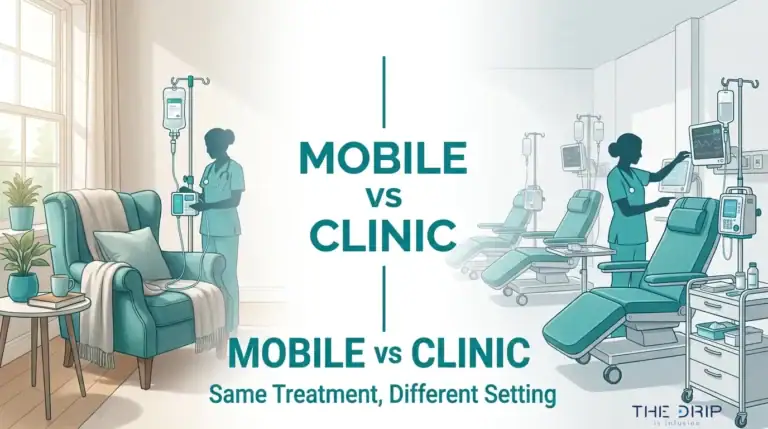
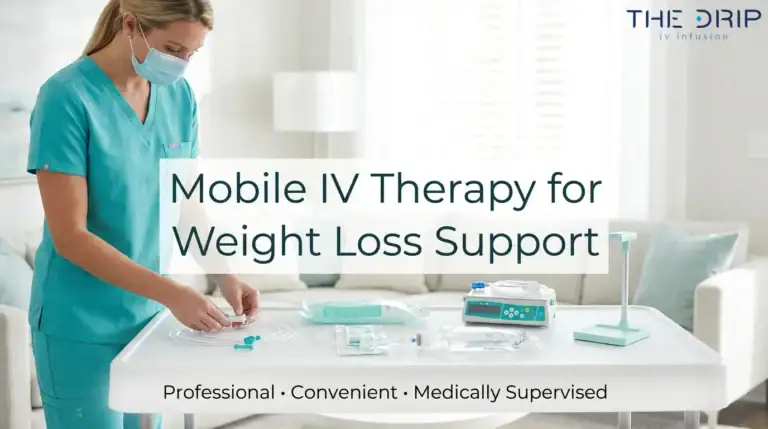
You should expect a comfortable, nurse-guided process during an IV vitamin infusion session that typically takes about one hour from start to finish. A registered nurse begins with a brief health assessment, reviewing your medical history and current wellness goals to select the appropriate infusion formula. After sanitizing the insertion site, the nurse places a small catheter into a vein, usually in the forearm. The IV drip then delivers nutrients such as vitamin C, zinc, B-complex vitamins, and glutathione directly into your bloodstream at a controlled rate. Most clients relax, read, or work on their phones throughout the session. Mild warmth or a cool sensation along the arm is common as the infusion flows; this is normal and typically fades quickly. Once the drip is complete, the nurse removes the catheter and monitors you briefly before wrapping up. Because The Drip IV Infusion offers mobile service in Chandler, this entire process can take place at your home or workplace, eliminating the need for a clinic visit. With safety protocols handled by experienced nurses, understanding the potential risks rounds out the full picture of IV immune support.
Are IV Vitamin Infusions for Immunity Safe?
IV vitamin infusions for immunity are generally safe when administered by qualified medical professionals using proper protocols. Safety depends on individual health factors, dosage, and the specific nutrients included. The following subsections cover potential side effects and who should avoid these treatments.
What Are the Potential Side Effects of Immune IV Drips?
The potential side effects of immune IV drips include mild, localized reactions and, in rare cases, more serious complications. Most people tolerate infusions well, but risks increase with higher nutrient doses.
Common and rare side effects include:
- Bruising, soreness, or swelling at the injection site.
- Temporary warmth, flushing, or a metallic taste during infusion.
- Mild nausea or lightheadedness as nutrients enter the bloodstream rapidly.
- Vein inflammation (phlebitis) if the IV catheter irritates the vessel wall.
- Allergic reactions, including anaphylaxis in rare cases with high-dose B vitamins.
- Peripheral neuropathy from excessive vitamin B6 levels over time.
According to the Merck Manuals, large IV doses of thiamine can cause anaphylaxis, and high doses of vitamin B6 may damage peripheral nerves. These risks underscore why professional oversight and individualized dosing matter. For most healthy adults receiving standard formulations, side effects remain mild and short-lived; however, no IV treatment should be approached without a proper health screening beforehand.
Who Should Avoid IV Vitamin Infusions for Immune Support?
People who should avoid IV vitamin infusions for immune support include individuals with certain pre-existing conditions that increase the risk of complications. Not everyone is a suitable candidate, regardless of the potential benefits.
Those who should exercise caution or avoid immune IV drips:
- Individuals with kidney disease, since impaired kidneys cannot efficiently clear high-dose vitamins and minerals.
- People with heart failure or fluid-sensitive conditions, because IV fluids add volume to the circulatory system.
- Anyone with a known allergy to specific vitamins, preservatives, or solution components.
- Individuals on blood thinners or medications that interact with high-dose nutrients like vitamin C or zinc.
- Pregnant or nursing women without explicit guidance from their healthcare provider.
A thorough health intake before each session is the most reliable safeguard. For Chandler residents considering immune IV therapy, choosing a nurse-administered service ensures proper screening identifies contraindications before any infusion begins.
How Do IV Immune Infusions Compare to Other Immune Strategies?
IV immune infusions compare to other immune strategies by offering higher bioavailability and faster nutrient delivery, while lifestyle habits like exercise, sleep, and balanced nutrition provide foundational long-term immune support. The most effective approach combines both. Each strategy differs in speed, absorption, and scope of benefit.
Oral supplements deliver nutrients through the digestive tract, where absorption depends on gut health and dosage. According to the Linus Pauling Institute at Oregon State University, 100% absorption efficiency occurs when ingesting vitamin C at doses up to 200 mg, but higher doses above 500 mg result in fractionally less absorption as the dose increases; intravenous administration bypasses this intestinal limitation entirely. This absorption gap makes IV infusions particularly useful when rapid or high-dose nutrient replenishment is the goal.
Regular physical activity also strengthens immunity through a different mechanism. Exercise reduces the incidence of communicable and non-communicable diseases over time, building a resilient baseline that IV therapy alone cannot replicate. Sleep and stress management further regulate immune cell production and inflammatory responses.
The practical comparison between these strategies comes down to purpose and timing:
- Oral supplements provide affordable, daily maintenance but face absorption ceilings at higher doses.
- IV immune infusions deliver nutrients directly to the bloodstream for immediate, full-concentration availability.
- Exercise builds long-term immune resilience by reducing chronic inflammation and infection rates.
- Balanced nutrition supplies the broad spectrum of micronutrients that single-nutrient strategies miss.
- Sleep and stress management regulate hormonal and cellular immune functions that no supplement can replace.
No single strategy covers every aspect of immune health. IV infusions excel at targeted, rapid nutrient delivery, especially for individuals with absorption challenges or acute needs. However, they work best as a complement to consistent lifestyle habits rather than a replacement. For Chandler residents navigating seasonal stressors, combining foundational habits with periodic IV support creates a more comprehensive immune defense.
Chandler’s unique desert climate introduces additional factors that can shift immune health priorities throughout the year.
Why Does Chandler’s Climate Affect Your Immune Health?
Chandler’s climate affects your immune health because persistent dry heat accelerates dehydration, while seasonal allergens trigger inflammatory responses that strain immune defenses. Below, each factor is explored in detail.
How Does Arizona’s Dry Heat Contribute to Dehydration and Immunity?
Arizona’s dry heat contributes to dehydration and weakened immunity by accelerating fluid loss through sweat and respiration in an environment with minimal atmospheric moisture. According to the Western Regional Climate Center, annual average humidity values in Arizona range from roughly 33% to 55%, with southern desert areas like Chandler consistently sitting at the lower end. In conditions this arid, the body loses water faster than most residents realize, even during routine outdoor activity.
Chronic mild dehydration impairs the transport of immune cells through the bloodstream and reduces the effectiveness of mucous membranes that serve as the body’s first barrier against pathogens. For Chandler residents spending time outdoors in triple-digit summer temperatures, maintaining optimal hydration is not just a comfort issue; it directly influences how well the immune system functions.
Can Seasonal Allergens in Chandler Weaken Your Immune System?
Yes, seasonal allergens in Chandler can weaken your immune system by forcing it into a prolonged inflammatory state. The Sonoran Desert environment produces year-round pollen cycles, from ragweed and bermuda grass in spring and fall to mold spores that spike after monsoon rains in late summer. When the immune system continuously responds to these airborne irritants, its resources are diverted from defending against viruses and bacteria.
This constant allergenic pressure is particularly taxing for residents with nutrient deficiencies. As Harvard T.H. Chan School of Public Health notes, deficiencies in zinc, selenium, vitamins A, B6, C, D, and E can alter immune responses. Chandler’s allergen load, combined with dehydration from dry heat, creates a compounding effect that makes proactive immune support especially valuable in this region.
With climate-driven immune challenges as context, mobile IV therapy offers a practical way to address these local vulnerabilities directly.
How Can Mobile IV Therapy in Chandler Support Your Immunity?
Mobile IV therapy in Chandler can support your immunity by delivering nurse-administered vitamin infusions directly to your home, eliminating the need to visit a clinic. The following sections cover how The Drip IV Infusion provides this service and the key takeaways from this guide.
Can The Drip IV Infusion’s Nurse-Administered Service Deliver Immune Support at Your Home?
Yes, The Drip IV Infusion’s nurse-administered service can deliver immune support at your home in Chandler. Founded in Fall 2022 by professionals with decades of experience in nursing, emergency medicine, and IV medical techniques, The Drip IV Infusion brings mobile infusions directly to residences and workplaces across Arizona.
The Drip IV Infusion offers immune-relevant nutrients as part of its customizable infusion menu, including:
- Vitamin C for antioxidant and white blood cell support
- Zinc for immune cell development
- Glutathione for cellular defense
- B-complex vitamins for energy and immune function
- Vitamin D for innate and adaptive immune regulation
Each session typically takes one hour. Because the service is mobile, Chandler residents can receive these infusions without traveling while recovering from illness or managing a busy schedule. For those balancing Chandler’s dry climate with everyday immune challenges, this convenience makes consistent nutrient support far more accessible.
What Are the Key Takeaways About Boosting Immunity with IV Vitamin Infusions in Chandler?
The key takeaways about boosting immunity with IV vitamin infusions in Chandler center on bioavailability, nutrient selection, local climate factors, and professional administration.
- IV vitamin infusions bypass the gastrointestinal tract, delivering nutrients like vitamin C and zinc at concentrations oral supplements cannot match.
- Immune-critical nutrients, such as vitamin C, zinc, B-complex vitamins, glutathione, vitamin D, and selenium, each play distinct roles in supporting white blood cell function, immune cell signaling, and oxidative stress defense.
- Chandler’s arid climate accelerates dehydration, which can compromise immune resilience; IV hydration addresses this directly.
- Timing matters: scheduling infusions before cold and flu season or during early symptoms offers the most practical benefit.
- The Drip IV Infusion provides nurse-administered mobile service throughout Chandler, making consistent immune support convenient for travelers, athletes, professionals, and older adults alike.
Prioritizing both hydration and targeted nutrient delivery is one of the most practical strategies for maintaining immune health in a desert environment.