IV therapy is a medical treatment that delivers fluids, vitamins, and minerals directly into the bloodstream through a vein, bypassing the digestive system for rapid absorption. In Gilbert, where desert heat, monsoon humidity, and constant air conditioning create overlapping dehydration risks, knowing when IV therapy is most beneficial helps residents make informed decisions.
This guide covers Gilbert’s climate-driven dehydration factors, the specific situations and symptoms that warrant IV therapy, who benefits most from treatment, seasonal demand patterns, and what to know before booking a session.
Gilbert’s triple threat of 105°F summer highs, monsoon-season humidity that blocks sweat evaporation, and moisture-stripping indoor AC creates a year-round cycle of fluid loss that many residents never fully correct through drinking water alone.
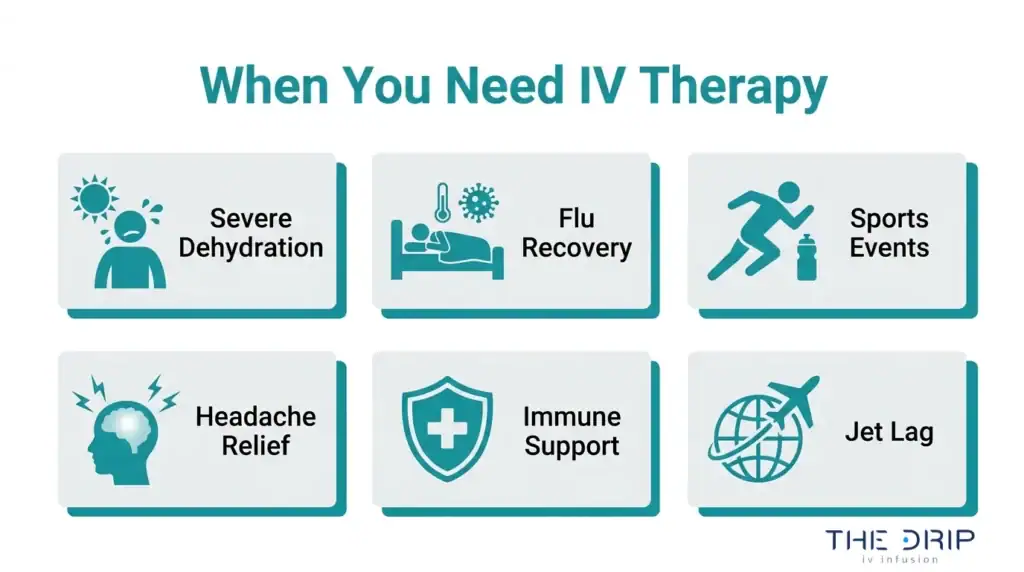
The most common scenarios calling for IV therapy range from severe heat-related dehydration and illness recovery to hangover relief, athletic event preparation, migraine management, immune support, and jet lag. Recognizing specific symptoms like persistent dizziness, dark urine, chronic fatigue unresponsive to oral supplements, or nausea that prevents fluid retention signals when IV delivery becomes the more effective option.
Outdoor workers, desert-training athletes, busy professionals, and older adults face the highest dehydration risks in Gilbert. Up to 40% of adults over 65 experience dehydration due to diminished thirst responses and reduced body water.
Summer drives peak IV demand, while fall and winter shift needs toward immune-boosting formulations during cold and flu season. Spring racing events create additional recovery demand. IV therapy achieves near-100% nutrient absorption compared to 20–50% through oral intake, but Arizona regulations require a licensed provider’s individualized medical order for every session, making provider selection critical to both safety and results.
Why Does Gilbert’s Desert Climate Increase Your Need for IV Therapy?
Gilbert’s desert climate increases your need for IV therapy because extreme heat, monsoon humidity, and constant air conditioning create overlapping dehydration risks. The following sections cover how each factor drains fluids faster than most residents realize.

How Does Extreme Heat in Gilbert Cause Chronic Dehydration?
Extreme heat in Gilbert causes chronic dehydration by accelerating fluid and electrolyte loss through sweat, often faster than oral intake can replace. With average July highs reaching 105 to 106°F, residents lose significant water volume during even routine outdoor activities. According to the Arizona Department of Health Services, approximately 4,298 people visit Arizona emergency rooms every year because of heat-related illnesses.
This persistent heat exposure doesn’t just cause acute episodes; it creates a cumulative fluid deficit that builds over days and weeks. Many Gilbert residents underestimate how much water they lose simply walking to their car or running errands. IV hydration therapy replenishes fluids and electrolytes directly into the bloodstream, bypassing the slower absorption of drinking water alone. For anyone living through a Gilbert summer, recognizing this chronic pattern is the first step toward staying ahead of dehydration.
When Does Monsoon Season Create Unique Hydration Challenges?
Monsoon season creates unique hydration challenges when high humidity combines with extreme heat, reducing the body’s ability to cool through sweat evaporation. According to Weather Spark, Arizona’s monsoon season runs from June 15 through September 30, with temperatures averaging approximately 105°F. During this window, the added moisture in the air traps body heat, making outdoor exposure more dangerous than dry-heat days.
The misleading aspect of monsoon season is that residents often feel less thirsty because of cloud cover and occasional rain, even though their bodies are working harder to regulate temperature. Sweat still flows, yet it evaporates less efficiently, so core body temperature rises faster. This combination makes monsoon months a particularly high-risk period for dehydration that oral fluids alone may not resolve quickly enough.
Why Is Indoor Air Conditioning Dehydrating Gilbert Residents?
Indoor air conditioning is dehydrating Gilbert residents because it strips moisture from the air, creating a low-humidity environment that pulls water from skin, nasal passages, and respiratory tissues. Most Gilbert homes and offices run air conditioning for six months or more each year, exposing residents to artificially dry conditions for the majority of their day.
This steady moisture loss often goes unnoticed because people feel comfortable and cool indoors. Without the obvious cue of sweating, many skip adequate fluid intake. Over time, this silent dehydration contributes to fatigue, headaches, and dry skin. For Gilbert residents cycling between scorching outdoor temperatures and heavily air-conditioned interiors, the body faces constant adjustment, and IV therapy can address the fluid imbalances that accumulate from this daily pattern.
Beyond seasonal heat alone, understanding the specific situations that warrant IV therapy helps Gilbert residents take action at the right time.
What Are the Most Common Situations That Call for IV Therapy?
The most common situations that call for IV therapy include severe dehydration, illness recovery, hangovers, athletic performance needs, migraines, immune support, and jet lag. Each scenario involves fluid or nutrient deficits that oral intake alone may struggle to resolve quickly enough.
When You Are Severely Dehydrated from Heat Exposure
Severe dehydration from heat exposure is one of the most urgent reasons Gilbert residents seek IV therapy. With summer temperatures routinely exceeding 105°F, the body can lose fluids faster than oral intake can replace them. According to OSHA, occupational risk factors for heat illness include heavy physical activity, warm environmental conditions, lack of acclimatization, and wearing clothing that holds body heat. Outdoor workers, hikers, and anyone spending extended time in direct sun face compounding fluid loss that water alone may not correct fast enough. IV hydration delivers isotonic fluids directly into the bloodstream, restoring electrolyte balance more rapidly than drinking water in critical situations.
When You Are Recovering from Illness or Flu Symptoms
Recovering from illness or flu symptoms often creates a cycle of dehydration that makes healing slower. Vomiting, diarrhea, and fever all accelerate fluid loss while simultaneously making it difficult to keep liquids down. IV therapy bypasses the gastrointestinal system entirely, delivering fluids, electrolytes, and vitamins when the stomach cannot tolerate oral intake. For Gilbert residents dealing with seasonal illness, this direct delivery can help shorten the window of discomfort. Pairing hydration with nutrients like vitamin C and zinc during recovery supports the body without relying on a compromised digestive system.
When You Have a Hangover That Won’t Resolve on Its Own
A hangover that won’t resolve on its own typically involves dehydration, electrolyte imbalance, and inflammation that persist despite drinking water or resting. According to the University of Rochester Medical Center, IV fluids can help with dehydration-related hangover symptoms like nausea and headache, though they are not recommended unless the patient cannot keep anything down. When oral hydration fails because nausea prevents fluid retention, IV therapy offers a practical alternative. For anyone in Gilbert recovering after a social event or celebration, this approach rehydrates and replenishes faster than waiting it out. However, IV therapy addresses symptoms rather than the underlying cause.
When You Are Preparing for or Recovering from Athletic Events
Preparing for or recovering from athletic events is a common reason Gilbert athletes consider IV therapy. The Gilbert Half Marathon, scheduled for November 2026, represents one of many local races that draw runners into desert conditions where fluid loss accelerates. Multiple running events occur throughout the year in Gilbert, including 5K, 10K, half marathon, and full marathon distances, with spring and fall racing seasons being especially popular. Pre-event hydration and post-event recovery both benefit from rapid fluid delivery. For most recreational athletes, prioritizing proper hydration planning alongside professional guidance yields better results than relying on IV therapy alone.
When You Are Experiencing Migraine or Chronic Fatigue Symptoms
Migraine or chronic fatigue symptoms often respond to IV therapy when oral treatments fall short. According to the American Headache Society, several IV medications have been evaluated for acute headache treatment, including magnesium, ketorolac, and metoclopramide, with many institutions using a “migraine cocktail” of three to four combined medications. IV magnesium sulphate may be a reasonable option for acute migraine with aura, based on randomized, placebo-controlled studies. Chronic fatigue that persists despite oral supplementation can signal absorption issues that IV delivery addresses directly. For Gilbert residents dealing with recurring episodes, working with a licensed provider to identify the right formulation matters more than choosing any generic drip.
When You Need Immune Support During Cold and Flu Season
Immune support during cold and flu season is a growing reason Arizona residents turn to IV therapy. As Arizona Foothills Magazine noted, even the desert cannot dodge cold and flu season, with growing interest in IV therapy as a proactive wellness tool before germs make their rounds. Formulations containing vitamin C, zinc, and B vitamins deliver immune-supporting nutrients at higher concentrations than oral supplements typically achieve. That said, these benefits tend to be transient; IV therapy should complement, not replace, foundational health practices like sleep, nutrition, and exercise. For Gilbert residents preparing for fall and winter months, a well-timed immune support session can serve as one layer of a broader prevention strategy.
When You Are Managing Jet Lag After Traveling Through Gilbert
Managing jet lag after traveling through Gilbert is a practical use case for IV therapy. Long flights cause dehydration from low cabin humidity, disrupt circadian rhythms, and deplete energy reserves. IV hydration replenishes fluids and delivers B vitamins that support energy metabolism, helping the body recalibrate faster than oral hydration alone. Business travelers passing through Phoenix Sky Harbor and staying in the Gilbert area often find that a single session reduces the recovery window significantly. For anyone arriving dehydrated and fatigued, IV therapy offers a shortcut that pairs well with rest and proper sleep hygiene.
Recognizing which situation applies to you is the first step; the next is understanding which symptoms signal that IV therapy is genuinely needed.
What Symptoms Tell You It Is Time to Get IV Therapy?
The symptoms that tell you it is time to get IV therapy include moderate to severe dehydration signs, chronic fatigue unresponsive to oral supplements, and persistent nausea or headaches that prevent you from keeping fluids down.
How Do You Recognize Moderate to Severe Dehydration Symptoms?
You recognize moderate to severe dehydration symptoms by watching for a specific cluster of physical warning signs. According to the Cleveland Clinic, severe dehydration symptoms include dizziness, dry eyes, dry lips and tongue, fatigue, fast breathing, cool or blotchy hands and feet, and dark yellow urine. When these symptoms appear together, oral rehydration may not be sufficient.
Intravenous fluids treat severe dehydration using isotonic crystalloids such as normal saline or lactated Ringer’s solution, which restore fluid balance and correct electrolyte imbalances directly through the bloodstream. IV fluids are particularly warranted when a patient cannot keep anything down, as noted by the University of Rochester Medical Center. If you can still sip water and retain it, that should always be the first approach. For Gilbert residents dealing with prolonged heat exposure, learning to spot these symptoms early can prevent a trip to the emergency room.
What Does Chronic Fatigue That Oral Supplements Cannot Fix Mean?
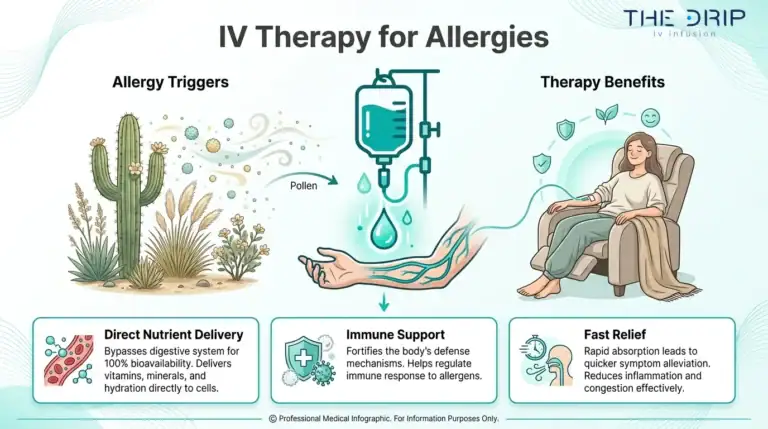
Chronic fatigue that oral supplements cannot fix often means your body is not absorbing nutrients efficiently through the digestive system. Oral supplements pass through the gut and typically achieve only 20–50% bioavailability, while IV drip therapy delivers nutrients directly into the bloodstream at near 100% absorption.
This gap widens significantly with certain nutrients. According to a 2004 study published in the Annals of Internal Medicine by Padayatty et al., vitamin C at doses above 500 mg achieves only 10–20% oral absorption due to SVCT1 transporter saturation, while IV administration reaches approximately 100% bioavailability. Oral magnesium oxide, similarly, has roughly 4% bioavailability. When someone takes supplements consistently yet still feels exhausted, the issue is often absorption rather than intake. IV therapy bypasses this bottleneck entirely, making it a practical option for persistent, unexplained fatigue.
When Should Persistent Nausea or Headaches Prompt IV Therapy?
Persistent nausea or headaches should prompt IV therapy when these symptoms prevent you from eating, drinking, or retaining oral fluids and medications. Nausea creates a frustrating cycle: your body needs hydration and nutrients to recover, but the very act of consuming them triggers more discomfort.
IV therapy breaks this cycle by delivering fluids and electrolytes directly into the bloodstream, bypassing the stomach entirely. However, as noted by the National Institutes of Health (Cureus Journal), the beneficial effects of IV therapy, such as temporary increases in energy or hydration, are usually transient and should not replace fundamental sustainable health practices. IV therapy works best as a targeted intervention during acute episodes rather than a long-term substitute for addressing root causes. If nausea or headaches recur frequently, consulting a healthcare provider to identify the underlying condition is essential before relying on infusions alone.
Understanding which symptoms warrant IV therapy helps you make informed decisions about the right timing and provider for your needs.
Who Benefits Most from IV Therapy in Gilbert?
IV therapy in Gilbert benefits outdoor workers, athletes, busy professionals, and older adults most. Each group faces distinct hydration and nutrient challenges shaped by the desert climate and demanding lifestyles.

Why Do Outdoor Workers in Gilbert Need IV Therapy Regularly?
Outdoor workers in Gilbert need IV therapy regularly because prolonged heat exposure depletes fluids and electrolytes faster than oral intake can restore them. According to the Arizona State Board of Nursing, orders for IV therapy must be individualized and based on patient-specific needs with a medical rationale, meaning each session should be tailored to the worker’s condition rather than administered as a routine standing order.
Landscapers, construction crews, and utility workers spending hours in triple-digit temperatures face compounding fluid losses that accumulate across shifts. For these individuals, a personalized IV session after severe heat exposure can address deficits that water alone struggles to correct.
How Does IV Therapy Help Athletes Training in Desert Heat?
IV therapy helps athletes training in desert heat by rapidly restoring fluids and electrolytes lost through intense exertion in extreme temperatures. Gilbert’s summer highs regularly exceed 105°F, which accelerates sweat rates and mineral depletion during outdoor training sessions.
That said, current evidence is nuanced. A study published in the NIH’s Sports Health Journal found no high-level studies confirming that IV prehydration prevents dehydration or exercise-associated muscle cramps, and noted IV fluid use should be reserved for high-level, fluid-sensitive athletes in well-monitored settings. Athletes considering IV recovery should consult a licensed provider to determine whether their training intensity and symptoms warrant intravenous support.
Why Do Busy Professionals Turn to IV Therapy for Energy?
Busy professionals turn to IV therapy for energy because it delivers vitamins and minerals directly into the bloodstream, bypassing digestive absorption limits. Long work hours, stress, and irregular meals can leave professionals feeling depleted, particularly in Gilbert’s demanding climate.
However, a review published in the NIH’s Cureus Journal identified one key disadvantage: the lack of solid evidence supporting IV therapy’s benefits for healthy individuals, despite claims that it can enhance energy or boost immunity. For professionals without a diagnosed deficiency or medical condition, IV therapy should complement, not replace, consistent sleep, nutrition, and hydration habits.
How Can Older Adults in Gilbert Benefit from IV Hydration?
Older adults in Gilbert can benefit from IV hydration because age-related physiological changes make them especially vulnerable to dehydration. According to a study published in the National Institutes of Health (PMC), up to 40% of adults older than 65 experience dehydration, with diminished thirst responses contributing to the problem.
People aged 65 and older carry less body water than younger adults, and decreased kidney function further affects fluid regulation. By the time an older adult feels thirsty, early dehydration may already be present. In Arizona, an RN or LPN must have a medical order from a licensed provider with prescriptive authority to administer IV hydration, ensuring each session is clinically appropriate.
Older adults in Gilbert represent one of the populations most likely to benefit from medically supervised IV hydration, making provider selection and individualized assessment essential steps before booking any session.
When Is IV Therapy More Effective Than Drinking Water Alone?
IV therapy is more effective than drinking water alone when the body cannot absorb fluids or nutrients efficiently through the digestive system. This applies to individuals dealing with malabsorption issues, chronic illnesses, severe dehydration, or situations where rapid nutrient replenishment is critical.
According to a review published in the Cureus Journal (National Institutes of Health), IV vitamin therapy offers enhanced bioavailability, higher therapeutic dosages, and targeted nutrient replenishment, making it particularly effective for individuals with malabsorption issues and chronic illnesses. Oral hydration works well for mild dehydration and daily maintenance, but it depends entirely on a functioning gut to process and absorb what you consume. When that pathway is compromised, whether by vomiting, gastrointestinal conditions, or nutrient-specific absorption limits, drinking water simply cannot keep pace with what the body needs.
For most healthy people in Gilbert managing routine hydration, water remains the first and best option. IV therapy earns its place when oral intake has failed, when speed of recovery matters, or when specific nutrients need to reach therapeutic levels that the digestive system cannot deliver on its own.
What Time of Year Do Gilbert Residents Need IV Therapy Most?
Gilbert residents need IV therapy most during summer, when extreme heat drives dehydration risk to its highest point. Demand also rises during fall and winter flu season and around spring athletic events.
Why Is Summer the Peak Season for IV Hydration in Gilbert?
Summer is the peak season for IV hydration in Gilbert because temperatures regularly exceed 105°F, accelerating fluid and electrolyte loss far beyond what most people can replace by drinking water alone. According to Weather Spark, Gilbert’s average July high reaches 105-106°F, making it the hottest month of the year. That sustained heat puts the town’s 287,285 residents at elevated dehydration risk, particularly the 11.0% who are 65 and older. Outdoor workers, athletes, and families spending time at pools or parks often underestimate how quickly the dry desert air compounds sweat-driven fluid loss. For anyone already behind on hydration, IV therapy offers a faster path to replenishment than oral intake during these critical months.
How Does Flu Season in Fall and Winter Drive IV Demand?
Flu season in fall and winter drives IV demand by shifting focus from hydration to immune support. As temperatures cool, respiratory illnesses circulate through schools, offices, and community spaces. According to RevivaGo, cold and flu season shifts demand toward immune boost treatments, while snowbirds returning to Arizona for winter months further increase demand. Illness-related nausea and vomiting also make oral hydration difficult, creating situations where IV delivery becomes the more practical option. Proactive residents often schedule vitamin C and zinc infusions before symptoms appear, treating IV therapy as a preventive measure rather than a reactive one.
Why Do Spring Events and Marathons Increase Recovery Needs?
Spring events and marathons increase recovery needs because athletic exertion in warm conditions depletes fluids, electrolytes, and key nutrients simultaneously. According to running event data from Find a Race, multiple races occur throughout the year in Gilbert, including 5K, 10K, half marathon, and full marathon distances, with spring and fall racing seasons especially popular in Arizona. Post-race recovery often demands faster replenishment than food and water can provide within a short window. IV therapy addresses this gap by delivering fluids and nutrients directly into the bloodstream. For recreational and competitive runners alike, scheduling a session after race day has become a practical recovery strategy.
With seasonal demand patterns identified, knowing what to expect before booking helps Gilbert residents plan ahead.
How Quickly Does IV Therapy Work Compared to Oral Hydration?
IV therapy works significantly faster than oral hydration because it delivers fluids and nutrients directly into the bloodstream, bypassing the digestive system entirely. The difference in speed, absorption rate, and recovery time explains why many Gilbert residents choose IV infusion during urgent hydration needs.
IV drip therapy achieves near-100% absorption, while oral supplements typically reach only 20-50% bioavailability depending on the nutrient. This gap widens further with specific vitamins and minerals. High-dose vitamin C (500mg or more), for example, achieves just 10-20% oral absorption due to transporter saturation in the gut; IV administration delivers approximately 100% bioavailability. IV magnesium produces serum level increases of 0.24 mg/dL, compared to 0.05-0.11 mg/dL from oral forms.
The recovery timeline difference is equally notable. According to NIH research, IV rehydration cut recovery time by 24 hours compared to oral rehydration in gastroenteritis patients. When someone in Gilbert is dealing with severe dehydration from summer heat exposure or illness-related fluid loss, that 24-hour advantage can be the difference between a lost day and a functional one.
Oral hydration remains effective for mild dehydration and daily maintenance. However, when the body cannot absorb fluids efficiently, whether due to nausea, vomiting, malabsorption issues, or the sheer severity of fluid deficit, IV therapy closes that gap immediately. For anyone weighing the two options, oral hydration is the everyday baseline, but IV therapy is the faster, more complete solution when the situation demands rapid results.

What Should You Know Before Booking IV Therapy in Gilbert?
Before booking IV therapy in Gilbert, you should understand the regulatory requirements and safety considerations that apply. The sections below cover prescription requirements and who may need to exercise caution.
Do You Need a Prescription or Doctor Referral for IV Therapy?
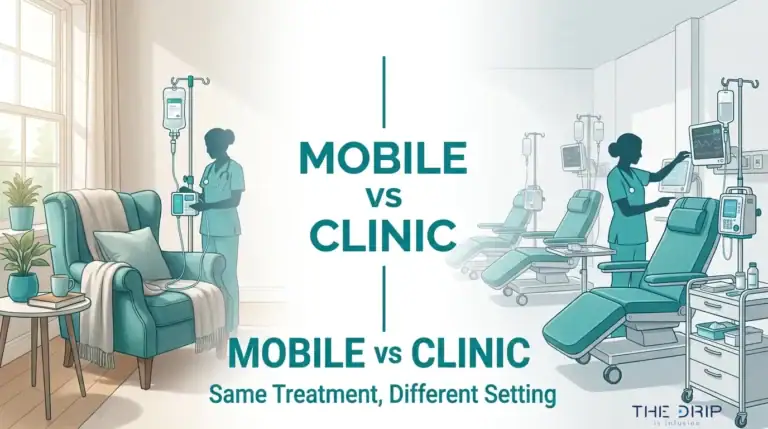
Yes, you do need a medical order for IV therapy in Gilbert. According to the Arizona State Board of Nursing, an LPN or RN must have a medical order from a licensed provider with prescriptive authority to administer IV therapy, including elective services marketed as wellness treatments. This requirement applies across all settings: clinics, homes, and mobile locations.
Orders must be individualized and based on patient-specific needs with documented medical rationale. Reputable providers in Gilbert handle this process as part of the booking workflow, so clients typically complete a health intake that a licensed provider reviews before any session begins. If a facility skips this step entirely, that is a significant red flag worth noting before you commit.
Is IV Therapy Safe for Everyone in Gilbert?
IV therapy is not universally safe for everyone in Gilbert. While most healthy adults tolerate infusions well, certain individuals face elevated risks that require careful screening beforehand.
Key safety considerations include:
- Repeated sessions can cause vein-related complications such as phlebitis, bruising, and vein damage, especially when performed too frequently or incorrectly.
- Infection remains one of the most critical risks, particularly when strict sterile techniques are not followed, potentially leading to bloodstream infections or sepsis.
- Proper administration requires rigorous adherence to sterility protocols to minimize these complications.
According to a 2025 study published in the Cureus Journal (NIH), proper IV therapy administration demands rigorous sterility protocols to prevent complications such as infections or abscess formation. Individuals with kidney disease, heart conditions, or those on blood thinners should consult their physician before booking any infusion.
Choosing a provider staffed by experienced nurses with clinical backgrounds significantly reduces these risks, making provider selection one of the most important decisions in the entire process.
How Can Mobile IV Therapy in Gilbert Meet You When You Need It?
Mobile IV therapy in Gilbert can meet you by bringing licensed nurses and treatments directly to your chosen location. The Drip IV Infusion offers convenient mobile service, and the following sections cover delivery options and key takeaways.
Can The Drip IV Infusion Deliver Treatments to Your Home or Office?
Yes, The Drip IV Infusion can deliver treatments to your home or office throughout Gilbert. Mobile IV therapy works through a simple process: you schedule an appointment, and a nurse arrives at your location with all necessary IV equipment and solutions. This eliminates the need to drive to a clinic while feeling unwell or dehydrated.
According to the Arizona State Board of Nursing, IV therapy regulations apply to all settings, including home, mobile hydration clinics, drip bars, and other non-facility locations. The Drip IV Infusion operates with licensed nurses who administer each infusion on-site, whether at a residence, workplace, or hotel. Because IV delivery bypasses the gastrointestinal system entirely, nutrients reach the bloodstream immediately. For Gilbert residents managing heat-related dehydration or recovery needs, this on-location convenience means faster access to care when symptoms are at their worst.
What Are the Key Takeaways About When You Need IV Therapy Most in Gilbert?
The key takeaways about when you need IV therapy most in Gilbert center on recognizing the right situations, choosing a qualified provider, and understanding the associated risks.
- Gilbert’s extreme desert heat, monsoon humidity, and dry indoor air create year-round dehydration risks that sometimes exceed what oral hydration can resolve.
- Severe dehydration, illness recovery, migraines, athletic events, and immune support during flu season represent the most common situations calling for IV therapy.
- Older adults, outdoor workers, and athletes training in desert conditions face elevated fluid-loss risks that make them strong candidates for IV support.
- IV therapy delivers near-100% absorption by bypassing the digestive system, offering faster results when the body cannot tolerate oral intake.
- Provider selection matters: according to a 2025 CSPI study, only 24.4% of surveyed IV hydration facilities disclosed risks such as bruising, infection, or bleeding.
- Always confirm that a licensed nurse administers your infusion under an individualized medical order, regardless of whether treatment occurs at a clinic or your home.
Choosing a provider with strict sterile protocols and transparent risk communication is the single most important decision you can make before booking any IV session. The Drip IV Infusion brings mobile IV therapy to locations across Gilbert with licensed nurses and proven treatment protocols; visit thedripivinfusion.com to schedule your appointment.