The best time of day for your IV therapy drip depends on your specific wellness goal and how your body’s circadian rhythm processes nutrients at different hours. Morning and evening sessions each offer distinct physiological advantages, and matching your infusion window to your intended outcome determines how much benefit you receive.
This guide covers the science behind IV therapy timing, the specific advantages of morning and evening sessions, goal-based scheduling for conditions like hangover recovery and pregnancy nausea, and practical considerations for building a consistent infusion routine.
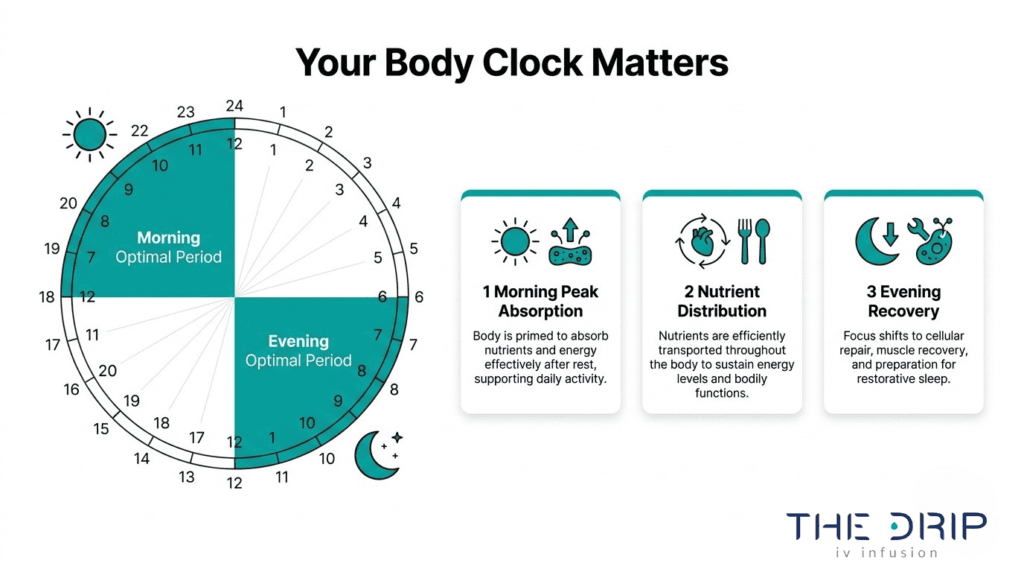
Your circadian rhythm regulates how the body distributes and metabolizes substances throughout a 24-hour cycle. Pharmacokinetic processes shift depending on the time of day, which means the same IV drip can be processed differently in the morning than in the evening. This biological reality makes session timing a meaningful variable rather than a matter of convenience.
Morning drips deliver energy, mental clarity, and immune support during the hours when metabolic activity naturally peaks. Pre-workout hydration, overnight dehydration recovery, and proactive immune defense all benefit from early scheduling that aligns nutrient delivery with the body’s active phase.
Evening drips support muscle recovery, sleep quality, and overnight cellular repair. Nutrients like magnesium and glutathione take effect as cortisol declines, fueling the body’s restorative processes during deep sleep phases when tissue regeneration is highest.
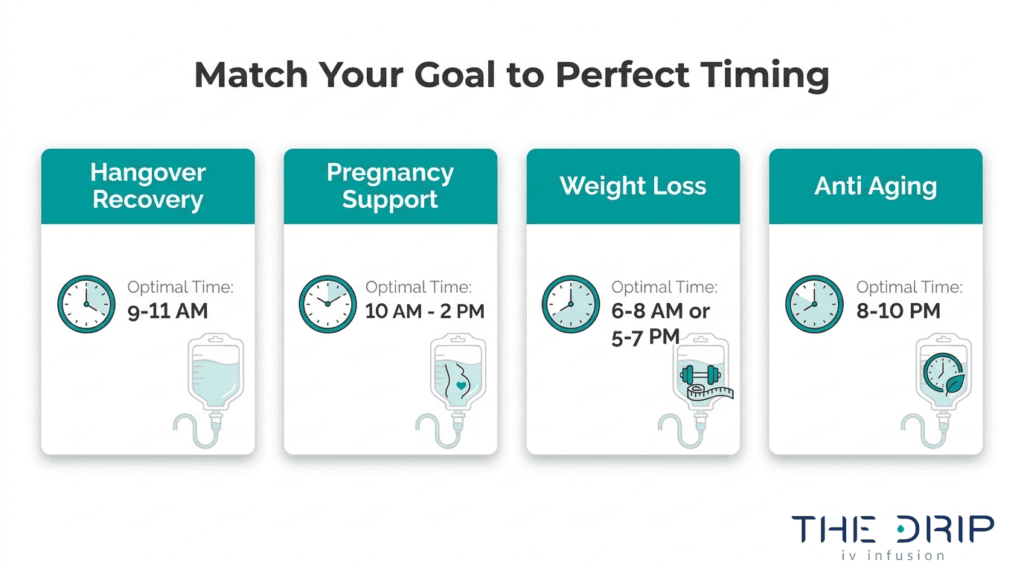
Goal-specific timing adds another layer. Hangover recovery works best first thing in the morning. Pregnancy nausea sessions align with individual symptom peaks. NAD+ anti-aging infusions fit naturally into a midday window. Weight loss support drips pair best with mid-morning metabolic peaks.
Flexible scheduling through mobile IV therapy removes the clinic barrier entirely, letting you book sessions around your circadian rhythm, workout schedule, or symptom patterns rather than around office hours.
Does the Time of Day You Get IV Therapy Actually Matter?
The time of day you get IV therapy does matter, though individual goals play a larger role than the clock alone. Your body’s internal rhythms influence how nutrients are absorbed and used. Below, we explore how circadian biology and current research shape the timing conversation.
How Does Your Circadian Rhythm Affect IV Nutrient Absorption?
Your circadian rhythm affects IV nutrient absorption by regulating the biological processes that govern how your body distributes, metabolizes, and excretes substances throughout a 24-hour cycle. These internal clocks influence enzyme activity, blood flow, and cellular uptake, all of which shift depending on the time of day.
According to a 2024 review published in MDPI’s Clocks & Sleep journal, the timing of drug administration can affect a medication’s effectiveness and side effects by up to tenefold based on circadian rhythms. Pharmacokinetic processes, collectively known as ADME (absorption, distribution, metabolism, excretion), all exhibit circadian variation. This means the same IV drip delivered in the morning may be processed differently than one administered in the evening. While IV therapy bypasses digestion, distribution and metabolism still follow your body’s clock, making session timing a worthwhile consideration for anyone seeking optimal results.
What Does Research Say About Timing and Intravenous Hydration?
Research on timing and intravenous hydration is still emerging in the wellness context, though the broader chronopharmacology field supports the principle that when you receive treatment matters. Most clinical IV hydration studies focus on hospital settings where timing relates to urgency rather than optimization.
What the data does confirm is growing consumer interest in personalized IV therapy scheduling. According to Grand View Research, the intravenous hydration therapy market was valued at $2.8 billion in 2025 and is projected to reach $5.7 billion by 2033 at a 9.2% CAGR. This rapid growth reflects increasing demand for tailored hydration solutions, including time-optimized sessions. For most people, the best approach combines circadian awareness with practical scheduling around specific health goals.
With timing principles established, the next step is understanding what morning sessions specifically offer.
What Are the Benefits of Getting IV Therapy in the Morning?
The benefits of getting IV therapy in the morning include increased energy, improved focus, better pre-workout performance, faster overnight dehydration recovery, and proactive immune support. Each advantage aligns with how your body functions during the first half of the day.
How Does a Morning Drip Boost Energy and Focus for the Day?
A morning drip boosts energy and focus by delivering B vitamins, magnesium, and amino acids directly into the bloodstream before daily demands begin. Because IV infusions bypass the digestive system, nutrients reach cells faster than oral supplements taken at breakfast. This rapid delivery supports mental clarity and sustained energy during peak productivity hours. For anyone facing a demanding workday or long schedule, starting with an infusion sets a strong metabolic foundation that oral hydration alone often cannot match.
Can Morning IV Therapy Improve Pre-Workout Athletic Performance?
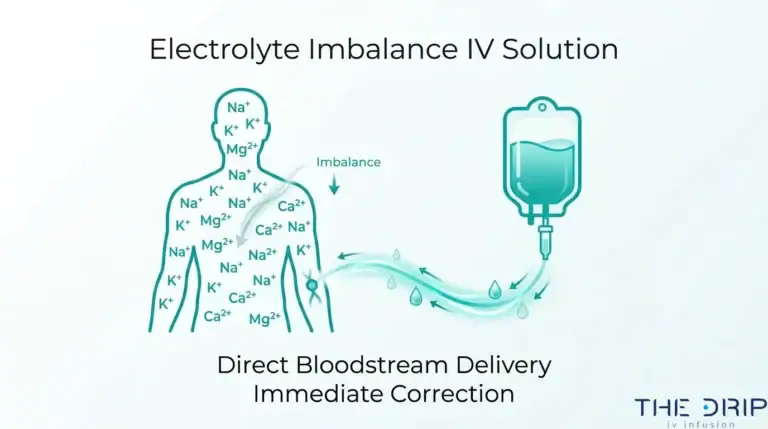
Yes, morning IV therapy can improve pre-workout athletic performance by optimizing hydration and electrolyte balance before physical exertion begins. Muscles require adequate fluid levels and minerals like magnesium and potassium to contract efficiently and resist early fatigue. Receiving an infusion before training ensures these nutrients are circulating at peak concentrations when the workout starts. This is particularly valuable for athletes training in hot climates, where sweat losses begin almost immediately.
Does Morning IV Hydration Help With Overnight Dehydration Recovery?
Morning IV hydration helps with overnight dehydration recovery by replenishing fluids lost during sleep. The body loses water through respiration and perspiration throughout the night, often leaving people mildly dehydrated upon waking. According to the Cleveland Clinic, IV fluids are specially formulated liquids injected into a vein to prevent or treat dehydration. Because IV delivery bypasses the gut, rehydration occurs faster than drinking water alone. This makes a morning session especially effective after nights involving alcohol consumption, poor sleep, or illness, when fluid deficits tend to be more pronounced.
Is Morning the Best Time for Immune Support Infusions?
Morning is often the best time for immune support infusions because the body’s immune responses are naturally more active during daytime hours. Vitamin C, zinc, and glutathione delivered intravenously in the morning give the immune system a concentrated supply of antioxidants during its most responsive period. For those fighting off early cold symptoms or preparing for travel, a morning session allows these nutrients to circulate throughout the day when exposure to pathogens is highest. Scheduling immune-focused drips before evening, when the body shifts toward rest and repair, tends to align better with how the immune system operates.
With morning benefits established, understanding how evening sessions offer their own distinct advantages helps you choose the right timing.
What Are the Benefits of Getting IV Therapy in the Evening?
The benefits of getting IV therapy in the evening include enhanced muscle recovery, improved sleep quality, and optimized overnight cellular repair. Each advantage aligns with the body’s natural wind-down processes.

How Does an Evening Drip Support Muscle Recovery After Exercise?
An evening drip supports muscle recovery after exercise by delivering electrolytes, amino acids, and fluids directly into the bloodstream during the body’s post-workout repair window. When muscles are stressed through training, they require rapid replenishment of nutrients to reduce soreness and rebuild tissue. Scheduling an infusion after an evening workout means those recovery nutrients arrive precisely when the body shifts into its restorative state.
According to a 2025 review in the Journal of Clinical Medicine, IV fluid administration is generally considered safe, though monitoring during and after the session remains essential to ensure proper response and rule out adverse effects. For athletes and active individuals, this combination of targeted nutrient delivery and professional oversight makes evening sessions particularly practical for recovery.
Can Evening IV Therapy Improve Sleep Quality and Relaxation?
Yes, evening IV therapy can improve sleep quality and relaxation by supplying key nutrients that support the body’s natural calming mechanisms. Magnesium, a common IV add-on, plays a direct role in nervous system regulation and muscle relaxation. B-complex vitamins also contribute to neurotransmitter production, which influences sleep-wake cycles.
Receiving an infusion in the evening allows these calming nutrients to take effect as cortisol levels naturally decline. Rather than relying on oral supplements that must pass through the digestive system, intravenous delivery ensures full absorption. For those who struggle with restless nights or difficulty unwinding, an evening session offers a more efficient pathway to relaxation before bed.
Does an Evening Infusion Help Your Body Repair Overnight?
An evening infusion helps the body repair overnight by ensuring cells have immediate access to hydration, vitamins, and minerals during the hours when tissue regeneration peaks. The body performs most of its cellular repair, immune activity, and hormone regulation during deep sleep phases.
By timing an IV session before this critical repair window, nutrients like vitamin C, zinc, and glutathione are already circulating when the body needs them most. This approach eliminates the absorption delays associated with oral intake, which can be further slowed by a resting digestive system. For anyone prioritizing recovery or general wellness, evening infusions align nutrient availability with the body’s built-in restoration schedule.
With evening benefits centered on recovery and rest, choosing the right time ultimately depends on your specific wellness goal.
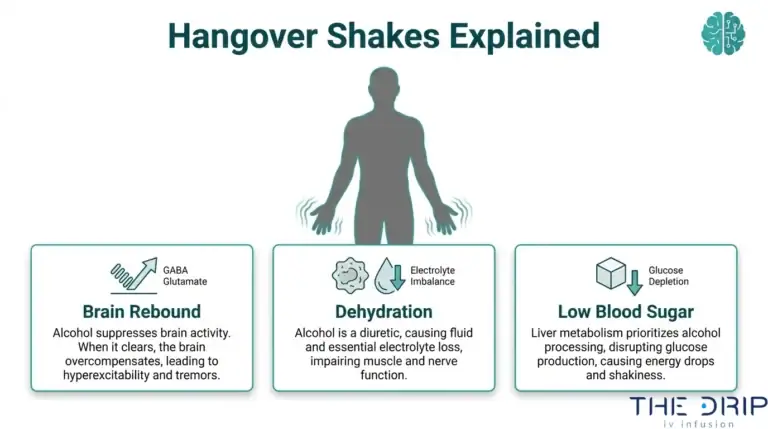
When Should You Schedule IV Therapy for Hangover Recovery?
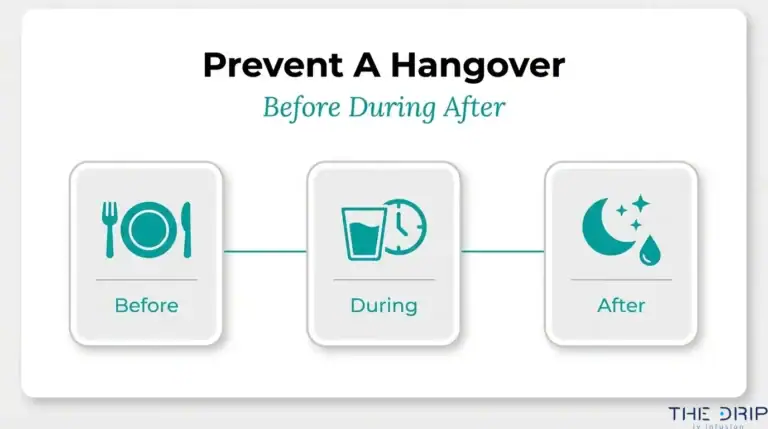
You should schedule IV therapy for hangover recovery as early as possible after symptoms appear, ideally the morning after drinking. IV therapy delivers fluids directly into the bloodstream, bypassing the digestive system, which allows the body to absorb 100% of the fluids and nutrients for much faster relief than drinking water or sports drinks, according to the University of Rochester Medical Center. This rapid absorption is especially valuable when nausea makes oral rehydration difficult. Waiting until late afternoon or evening prolongs dehydration and allows headaches, fatigue, and electrolyte imbalances to worsen. For planned events, booking a morning-after session in advance ensures the fastest possible recovery window. Proactive scheduling, rather than waiting until symptoms peak, consistently delivers better outcomes for hangover relief.
When Is the Best Time for IV Therapy During Pregnancy Nausea?
The best time for IV therapy during pregnancy nausea depends on when symptoms peak most severely. Nausea patterns, dehydration levels, and the specific pregnancy complication all influence optimal scheduling.
Pregnancy nausea often intensifies in the morning, making early-to-mid-morning sessions effective for preemptive relief before symptoms escalate. However, women with hyperemesis gravidarum may experience persistent nausea throughout the day, requiring timing based on individual symptom windows rather than a fixed schedule.
According to a review published in Reviews in Obstetrics and Gynecology (PMC), hyperemesis gravidarum affects homeostasis, electrolytes, and kidney function, and may have adverse fetal consequences. Because dehydration compounds these risks, IV fluid resuscitation becomes a clinical priority when oral intake fails.
Scheduling a session before the typical onset of the worst symptoms allows fluids and electrolytes to stabilize the body proactively. For most expecting mothers, this means booking in the morning or early afternoon. Women experiencing evening-dominant nausea may benefit from late-afternoon sessions instead. Consulting with a healthcare provider helps identify the right timing based on individual symptom patterns and trimester.
Does the Best IV Therapy Time Change Based on Your Goal?
The best IV therapy time does change based on your goal. Rehydration, illness recovery, weight loss support, and NAD+ anti-aging benefits each align with different windows during the day for optimal results.
What Time Is Best for IV Therapy if You Want Rehydration?
The best time for IV therapy if you want rehydration is typically early morning. After six to eight hours of sleep, the body loses fluid through respiration and perspiration overnight, making morning the period of greatest fluid deficit. Scheduling a rehydration drip first thing allows the body to restore fluid balance before daily demands compound the deficit. For situations like post-exercise or heat exposure dehydration, timing the session within an hour or two after fluid loss yields the fastest relief. Because IV fluids bypass the digestive system and deliver hydration directly into the bloodstream, the correction happens far more rapidly than oral intake alone. Morning rehydration sets a strong physiological baseline for the rest of the day.
What Time Is Best for IV Therapy if You Want Illness Recovery?
The best time for IV therapy if you want illness recovery is as early in the day as symptoms allow. Morning sessions replenish fluids and nutrients lost overnight from fever, sweating, or poor oral intake, giving the immune system a head start while cortisol levels are naturally elevated. Immune-supportive nutrients such as vitamin C and zinc reach peak circulating concentrations faster when delivered intravenously, which matters most during active illness. According to a 2020 review published in ScienceDirect’s Biochemical Pharmacology, circadian rhythms influence drug absorption, distribution, metabolism, and excretion, suggesting that aligning nutrient delivery with the body’s daytime metabolic peak may improve utilization. If morning scheduling is not possible, an early afternoon session still captures the body’s active immune window before evening wind-down begins.
What Time Is Best for IV Therapy if You Want Weight Loss Support?
The best time for IV therapy if you want weight loss support is mid-morning, ideally before the day’s largest meal. Metabolic rate tends to be highest during the first half of the day, so infusing lipotropic compounds and B vitamins during this window aligns nutrient availability with the body’s peak caloric expenditure. A mid-morning drip can also help curb appetite heading into lunch, supporting portion control naturally. For clients using semaglutide or tirzepatide alongside IV therapy, coordinating the infusion with the same weekly routine helps maintain consistency. Scheduling weight loss support sessions too late in the evening provides fewer metabolic advantages, since the body shifts toward restorative processes rather than active energy expenditure during sleep.
What Time Is Best for IV Therapy if You Want NAD+ Anti-Aging Benefits?
The best time for IV therapy if you want NAD+ anti-aging benefits is late morning or early afternoon. NAD+ infusions typically require a slower drip rate and a full one-hour session, so scheduling during a calm, unhurried part of the day improves comfort and completion. Cellular repair pathways that NAD+ supports remain active throughout daylight hours, making midday delivery effective for fueling those processes before the body transitions into overnight recovery mode. Some clients report a mild energy boost after NAD+ therapy; receiving the infusion too close to bedtime may interfere with sleep onset. Prioritizing a midday window balances therapeutic benefit with practical comfort, ensuring the session fits naturally into your routine.
With your goal clarified, matching your session time to that specific objective helps maximize every drip.
Should You Eat Before or After Your IV Therapy Session?
You should eat a light meal before your IV therapy session. Eating beforehand helps stabilize blood sugar and reduces the chance of nausea or lightheadedness during the infusion. A small, balanced snack after your session can also support continued nutrient absorption.
Here is what to keep in mind about meal timing around your drip:
- Eat a light meal 30 to 60 minutes before your appointment. Foods like toast, fruit, or a small portion of protein help your body tolerate the infusion without stomach discomfort.
- Hydrate well beforehand. Drinking water before your session makes veins easier to access and supports the overall hydration process.
- Avoid heavy, greasy, or large meals right before. A full stomach can increase nausea, especially with vitamin-rich formulations.
- Eat a balanced snack afterward if needed. Some clients feel mildly lightheaded post-infusion; a small meal helps restore steady energy.
- Skip alcohol before and shortly after your session. Alcohol dehydrates the body and can counteract the benefits of IV hydration.
Because IV therapy bypasses the digestive system entirely, what you eat does not interfere with nutrient delivery to the bloodstream. However, your overall comfort during the session depends heavily on whether your body has adequate fuel and hydration going in. Most people find that arriving neither too full nor on an empty stomach produces the best experience.
For those scheduling sessions around specific goals, such as athletic recovery or immune support, pairing proper nutrition with your infusion timing amplifies results. Knowing how frequently to schedule sessions helps you build a consistent wellness routine.
How Often Should You Schedule IV Therapy Sessions?
You should schedule IV therapy sessions based on your wellness goals, with most people benefiting from treatments every one to two weeks for general maintenance. Frequency depends on factors such as your hydration needs, activity level, and the specific nutrients in your drip formula.
For general wellness and hydration maintenance, a session once or twice per month is a common starting point. Those with more demanding needs, such as athletes in heavy training cycles or individuals recovering from illness, may benefit from weekly sessions until their body stabilizes. Seasonal immune support infusions often work well on a bi-weekly schedule leading into cold and flu season.
The key factors that influence ideal IV therapy frequency include:
- Wellness goal: Rehydration and recovery may require closer spacing than general maintenance.
- Nutrient levels: Individuals with specific deficiencies may need more frequent sessions initially.
- Physical demands: High-intensity training or frequent travel increases the body’s demand for replenishment.
- Provider guidance: A qualified nurse should help determine your personalized schedule based on how your body responds.
Starting conservatively and adjusting based on how you feel after each session is the most practical approach for most people. Your body’s response in the days following a drip tells you more than any fixed schedule can. With flexible options like mobile IV therapy, adjusting your session cadence becomes straightforward.
How Does Mobile IV Therapy Make Flexible Scheduling Easier?
Mobile IV therapy makes flexible scheduling easier by eliminating the need to visit a clinic, allowing clients to receive infusions at home or work during the time slot that best fits their routine. The sections below cover on-demand delivery and key takeaways for choosing your ideal session time.
Can The Drip IV Infusion Deliver Your Drip When It Fits Your Schedule?
Yes, The Drip IV Infusion can deliver your drip when it fits your schedule. As a mobile IV therapy service, The Drip IV Infusion sends an experienced infusion specialist directly to your home or workplace at a time you choose, whether that is an early morning energy session or a late evening recovery drip. This flexibility means timing your infusion around your circadian rhythm, workout schedule, or pregnancy symptom peaks becomes practical rather than aspirational. According to the University of Rochester Medical Center, IV therapy delivers fluids directly into the bloodstream, bypassing the digestive system and allowing the body to absorb 100% of fluids and nutrients for much faster relief than oral intake. With sessions lasting approximately one hour, fitting a drip into a busy day requires minimal disruption.

What Are the Key Takeaways About Choosing Morning vs Evening IV Therapy?
The key takeaways about choosing morning vs evening IV therapy center on matching session timing to your specific wellness goal:
- Morning drips support energy, focus, pre-workout performance, and immune defense when your body’s metabolic activity is naturally rising.
- Evening drips favor muscle recovery, relaxation, sleep quality, and overnight cellular repair during the body’s rest-and-restore phase.
- Hangover recovery and pregnancy nausea sessions work best when symptoms are most acute, regardless of time of day.
- Your circadian rhythm influences how the body absorbs and processes nutrients, so aligning infusion timing with your natural biological clock can enhance results.
There is no single best time for every person. The ideal schedule depends on whether you prioritize daytime performance or overnight recovery. The Drip IV Infusion offers the mobile flexibility to book either window, making it simple to align your drip with the timing strategies outlined throughout this guide.