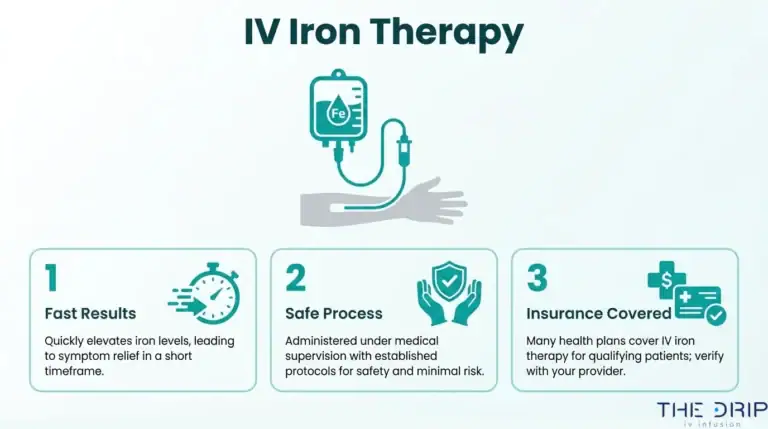
IV fluid therapy is a medical process that delivers sterile solutions directly into the bloodstream through a catheter inserted into a vein, ensuring 100% bioavailability by bypassing the digestive system entirely.
This guide covers IV fluid classifications and how they interact with your body, the physiological mechanism behind intravenous delivery, the step-by-step infusion process, therapeutic benefits and key ingredients, safety considerations, and how to choose a qualified provider.
IV fluids fall into two primary categories: crystalloids (containing small molecules like salts and sugars) and colloids (containing larger molecules like proteins). Isotonic, hypotonic, and hypertonic solutions each serve distinct purposes depending on whether cells need balanced hydration, intracellular rehydration, or rapid intravascular volume expansion.
Once infused, IV fluids enter venous circulation and reach capillary beds within minutes, where osmotic and hydrostatic pressure gradients drive nutrients into surrounding tissues. This direct route skips stomach acid, intestinal enzymes, and first-pass liver metabolism, which is why intravenous vitamin C can achieve plasma levels up to 100 times higher than oral doses.
The infusion process itself involves venipuncture, controlled drip rates managed by gravity systems or mechanical pumps, and sessions lasting anywhere from 30 minutes to 4 hours depending on the formulation. Nurses monitor patients throughout for comfort and safety.
We explore specific benefits including rapid rehydration, enhanced immune function through concentrated vitamin C and zinc delivery, athletic recovery support, morning sickness relief, and cellular repair via NAD+ and glutathione infusions. We also address potential risks like vein inflammation and infection, and why provider credentials and sterile technique are the most critical factors in a safe IV therapy experience.
What Are IV Fluids?
IV fluids are sterile solutions delivered directly into the bloodstream through a catheter inserted into a vein. Healthcare providers use these solutions to prevent or treat dehydration, restore electrolyte balance, and deliver medications or nutrients when oral intake is insufficient or impractical.
According to Nurseslabs, IV fluids are classified primarily into two categories: crystalloids, which contain small molecules like salts and sugars that pass easily through semipermeable membranes, and colloids, which contain larger molecules like proteins that remain in the intravascular space. Each category serves distinct clinical purposes depending on the patient’s condition.
Unlike oral supplements or medications that must pass through the gastrointestinal tract, IV fluids enter the systemic circulation immediately. This direct vascular access ensures 100% bioavailability, meaning the body receives the full concentration of fluids, electrolytes, or nutrients without any loss during digestion. For patients experiencing severe dehydration, nausea, or conditions that impair nutrient absorption, this delivery method offers a reliable alternative to oral hydration.
Understanding how these foundational solutions work sets the stage for exploring the specific types of IV fluids used in infusion therapy.
What Types of IV Fluids Are Used in Infusion Therapy?
The types of IV fluids used in infusion therapy fall into two primary categories: crystalloids and colloids. Each category contains solutions with distinct osmolality levels suited to different clinical needs. The sections below cover isotonic, hypotonic, hypertonic, colloid, and crystalloid solutions.

Isotonic Solutions
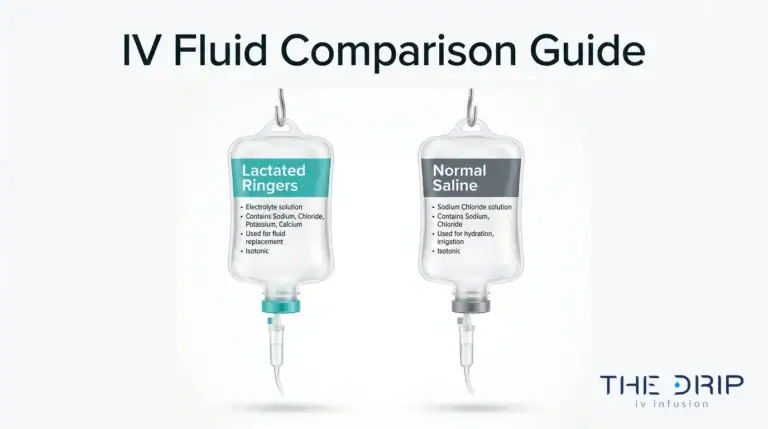
Isotonic solutions are IV fluids with a total osmolality close to that of extracellular fluid, approximately 310 mEq/L. According to Nurseslabs, isotonic solutions such as 0.9% sodium chloride (Normal Saline) and Lactated Ringer’s do not cause red blood cells to shrink or swell because their concentration matches the body’s natural fluid environment. This balanced osmolality makes them a first-line choice for general rehydration, blood loss replacement, and electrolyte correction. For most wellness and recovery infusions, isotonic solutions serve as the foundational base fluid that carries added vitamins and nutrients into the bloodstream.
Hypotonic Solutions
Hypotonic solutions have a lower osmolality than extracellular fluid. This lower concentration causes water to shift from the bloodstream into cells through osmosis, rehydrating them from the inside. Common examples include 0.45% sodium chloride (half-normal saline) and 2.5% dextrose in water. These fluids are typically selected when cells need intracellular rehydration, such as in cases of diabetic ketoacidosis or hypernatremia. Because they dilute the intravascular space, hypotonic solutions require careful monitoring to avoid excessive cellular swelling.
Hypertonic Solutions
Hypertonic solutions have a higher osmolality than extracellular fluid. This elevated concentration draws water out of cells and into the bloodstream through osmotic pressure. Examples include 3% sodium chloride and 5% dextrose in normal saline. Clinicians use hypertonic fluids to reduce cerebral edema, treat severe hyponatremia, or expand intravascular volume rapidly. Due to the risk of cellular dehydration, these solutions demand precise dosing and close patient observation during administration.
Colloid Solutions
Colloid solutions contain larger molecules, such as proteins and starches, that remain in the intravascular space rather than crossing semipermeable membranes. Common colloids include albumin, dextran, and hydroxyethyl starch. By staying within blood vessels, colloids effectively expand plasma volume and sustain blood pressure in patients experiencing significant fluid loss. Their oncotic properties make them particularly useful when crystalloids alone cannot maintain adequate circulation, though they typically carry a higher cost and require closer monitoring for allergic reactions.
Crystalloid Solutions
Crystalloid solutions contain small molecules like salts and sugars that pass easily through semipermeable membranes into surrounding tissues. As noted by Dr. Matt Vera, BSN, R.N., IV fluids are supplementary liquids used to restore or maintain normal fluid volume and electrolyte balance when oral intake is not possible. Crystalloids represent the most widely administered IV fluid category, encompassing isotonic, hypotonic, and hypertonic formulations. Their accessibility, lower cost, and predictable fluid distribution make crystalloids the standard choice for hydration, electrolyte correction, and serving as the carrier fluid for vitamin and nutrient infusions.
Understanding these fluid types helps clarify what goes into an IV bag and how each solution interacts with your body once the infusion begins.
How Do IV Fluids Enter and Work in Your Body?
IV fluids enter your body through a catheter placed in a vein, delivering hydration and nutrients directly into the bloodstream. The sections below explain how this process bypasses digestion, reaches your cells, and absorbs faster than oral intake.

How Does Intravenous Delivery Bypass the Digestive System?
Intravenous delivery bypasses the digestive system by introducing fluids, medications, and nutrients directly into a vein, where they enter systemic circulation immediately. This process skips the gastrointestinal tract entirely, eliminating the physiological barriers that break down or reduce substances before they reach the bloodstream.
When taken orally, a substance must survive stomach acid, intestinal enzymes, and first-pass metabolism in the liver. Each stage can significantly reduce the concentration that ultimately reaches circulation. According to a 2023 review published in Molecules (MDPI), intravenous injection ensures 100% bioavailability and immediate maximum concentration by bypassing these barriers completely.
This distinction matters most for nutrients like NAD+ and glutathione, where digestive degradation can sharply limit what the body actually absorbs.
How Do IV Fluids Reach Your Cells Through the Bloodstream?
IV fluids reach your cells through the bloodstream by flowing from the catheter insertion site into venous circulation, where the heart pumps them throughout the body. These sterile solutions travel through progressively smaller blood vessels until they reach the capillary beds surrounding tissues and organs.
At the capillary level, fluid and dissolved nutrients cross semi-permeable vessel walls through osmotic and hydrostatic pressure gradients. This mechanism ensures adequate tissue perfusion, delivering electrolytes, vitamins, and hydration directly to cells that need them. Because the circulatory system distributes IV fluids systemically within minutes, every organ and tissue receives the infused solution without relying on intestinal absorption.
Why Does IV Absorption Happen Faster Than Oral Intake?
IV absorption happens faster than oral intake because intravenous delivery places substances directly into the bloodstream, eliminating the hours-long process of gastric emptying, intestinal absorption, and hepatic metabolism. The result is near-instantaneous systemic availability.
The difference in achievable concentrations is striking. According to research published by the NIH’s PMC, high-dose vitamin C delivered intravenously can achieve plasma levels up to 100 times higher than oral administration. Even at moderate doses, intravenous ascorbic acid shows significantly higher bioavailability than oral forms at 500 mg and 1,250 mg single doses.
For anyone dealing with nausea, malabsorption conditions, or time-sensitive nutrient needs, this speed advantage makes IV delivery a practical choice over oral supplementation.
Understanding how IV fluids enter and work in the body sets the foundation for knowing what to expect during the infusion process itself.
What Happens During the IV Fluid Infusion Process?
The IV fluid infusion process involves inserting a catheter into a vein, controlling the drip rate, and monitoring the patient throughout the session. The following subsections cover line insertion, rate management, session duration, and what sensations to expect.
How Is the IV Line Inserted Into a Vein?
The IV line is inserted into a vein through a procedure called venipuncture. A nurse identifies a suitable vein, typically on the forearm or back of the hand, and cleans the site with an antiseptic solution. After anchoring the vein by applying gentle pressure below the insertion point, the nurse advances a small catheter needle at a shallow angle until blood return confirms proper placement. The needle is then withdrawn, leaving only a flexible catheter secured with medical tape. Most people feel a brief pinch during insertion that subsides within seconds. Proper technique and sterile handling throughout this step are critical for preventing complications like infiltration or infection.
How Is the Drip Rate Controlled During an Infusion?
The drip rate during an infusion is controlled using either gravity-based systems or mechanical infusion pumps. Gravity systems rely on the height of the IV bag relative to the patient; raising the bag increases flow, while lowering it slows delivery. According to a study published in Anesthesia & Analgesia, mechanical infusion pumps are often preferred over gravity-driven micro-drips in clinical settings to enhance the accuracy of medication and volume delivery. Pumps allow nurses to program a precise rate in milliliters per hour, which is especially important for sensitive formulations. Glutathione, for instance, is often delivered as an IV push or short infusion lasting 15 to 30 minutes, requiring tighter rate management than a standard hydration bag.
How Long Does a Typical IV Infusion Session Take?
A typical IV infusion session takes about one hour for standard hydration and vitamin cocktails. Session length varies based on the specific formulation and prescribed dose. NAD+ infusions, for example, are typically administered slowly via IV drip, with sessions lasting between 1 to 4 hours depending on the dose, as noted by Restore Hyper Wellness. Shorter add-on treatments like glutathione pushes may only require 15 to 30 minutes. Your nurse will outline the expected timeline before starting, so you can plan accordingly. For most wellness-focused infusions, setting aside roughly 60 minutes provides a comfortable window.
What Should You Expect to Feel During an IV Infusion?
You should expect to feel a brief pinch during catheter insertion, followed by minimal discomfort once the IV line is secured. As the infusion begins, a cool sensation may travel up the arm; this is normal and results from the room-temperature fluid entering the bloodstream. Some people notice a mild metallic taste with certain vitamin or mineral additions. Slight pressure at the IV site can occur but should not be painful. Safe IV therapy care is built around skilled clinicians, strict sterile technique, and clear medical oversight, so a qualified nurse monitors you throughout the session. Most clients feel relaxed during the process, and many report improved energy shortly after completion.
Understanding how the infusion process works sets the stage for exploring the specific health benefits IV fluid therapy can provide.
What Are the Key Benefits of IV Fluid Therapy?
The key benefits of IV fluid therapy include rapid hydration, enhanced nutrient absorption, faster illness recovery, stronger immune function, improved athletic performance, and morning sickness relief. Each benefit stems from direct bloodstream delivery.

How Does IV Therapy Improve Hydration Levels?
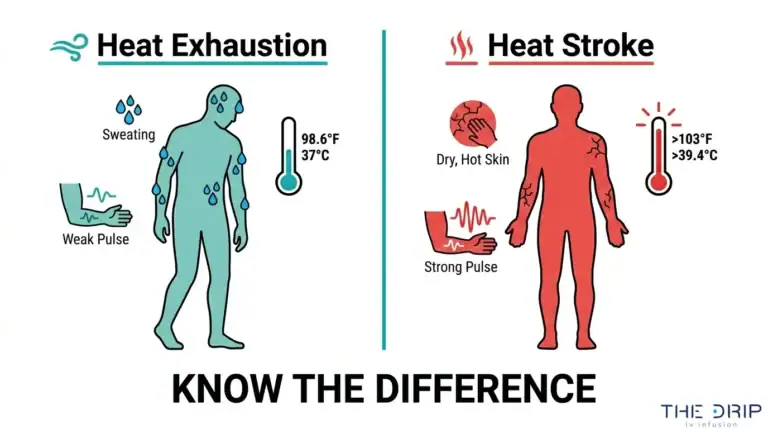
IV therapy improves hydration levels by delivering fluids directly into the bloodstream, bypassing the digestive system for immediate cellular absorption. This rapid rehydration corrects fluid deficits faster than drinking water alone, which is especially valuable during severe dehydration, heat exhaustion, or post-illness recovery.
Most patients experience significant improvement in symptoms within minutes of starting IV therapy due to immediate absorption into the bloodstream. The cost advantage is also notable: mobile IV therapy services often start at approximately $149, whereas a basic hydration visit to an emergency room can typically cost around $500 or more. For anyone needing fast, reliable rehydration, IV delivery remains the most efficient route available.
How Do IV Fluids Support Vitamin and Nutrient Absorption?
IV fluids support vitamin and nutrient absorption by delivering micronutrients directly into the bloodstream at 100% bioavailability. Oral supplements must pass through the digestive tract, where stomach acid, enzyme activity, and first-pass liver metabolism reduce the amount that actually reaches circulation.
With IV delivery, vitamins such as vitamin C, B-complex, and minerals like zinc and magnesium reach target cells at their full therapeutic concentration. This makes IV infusion particularly effective for individuals with digestive conditions, nutrient malabsorption issues, or those who simply need higher plasma levels than oral intake can achieve. The difference in absorption efficiency is one of the most practical reasons clients choose IV nutrient therapy over standard supplementation.
How Can IV Fluids Help With Illness Recovery?
IV fluids help with illness recovery by restoring hydration, replenishing electrolytes, and delivering medications directly into the bloodstream when the body is too depleted for effective oral intake. Vomiting, fever, and diarrhea accelerate fluid loss, making IV rehydration a critical recovery tool.
According to a study published in PMC, IV fluids correct dehydration and improve symptoms of morning sickness, with dextrose saline potentially being more effective at reducing nausea than normal saline. Many women with hyperemesis gravidarum report feeling significantly better immediately after receiving IV fluids, although symptoms may return within a few days without scheduled therapy. This principle extends beyond pregnancy; anyone fighting illness benefits from the rapid symptom relief that direct-to-bloodstream delivery provides.
How Does IV Therapy Enhance Immune System Function?
IV therapy enhances immune system function by delivering concentrated doses of immune-supporting nutrients directly into the bloodstream. This bypasses absorption limitations and ensures immune cells receive the resources they need at therapeutic levels.
According to a PMC study published through NIH, intravenous administration of vitamin C significantly enhances leukocyte function, bolstering the immune system’s capacity to combat pathogens. Zinc is equally crucial for immune cell development and inflammation control, and IV therapy provides a concentrated dose to ensure optimal resource availability. NAD+ augmentation through IV therapy has also been shown to restore mitochondrial function and bioenergetics, supporting enhanced cellular energy production. For clients who travel frequently or feel run down, IV immune support offers a proactive approach that oral vitamins simply cannot match in speed or potency.
How Do IV Fluids Boost Athletic Performance and Recovery?
IV fluids boost athletic performance and recovery by rapidly restoring hydration, electrolytes, and key nutrients depleted during intense physical exertion. Dehydration impairs muscle function, slows reaction time, and increases injury risk, making fast rehydration essential for competitive athletes.
IV rehydration has been proposed as an ergogenic aid to achieve euhydration more effectively and efficiently in athletes. Infusions containing B vitamins, amino acids, and magnesium support muscle repair and reduce post-exercise fatigue at a pace oral hydration cannot match. For athletes with tight training schedules, IV recovery sessions help minimize downtime between workouts and competitions. This is one of the most underappreciated applications of IV therapy in the wellness space.
How Can IV Therapy Provide Relief for Morning Sickness?
IV therapy provides relief for morning sickness by correcting dehydration and delivering anti-nausea medications directly into the bloodstream, bypassing a stomach that cannot tolerate oral intake. Nausea and vomiting of pregnancy affects a significant number of pregnant women, and severe cases often require IV intervention.
Patients frequently report symptom improvement within minutes of starting an infusion. However, for women with hyperemesis gravidarum, symptoms may return within a few days without scheduled therapy sessions. Consistent IV hydration schedules help maintain relief over time. For expecting mothers struggling to keep food or fluids down, IV therapy represents one of the safest and most immediate solutions available.
With these wide-ranging benefits established, the next consideration is who stands to gain the most from IV fluid therapy.
Who Should Consider Getting IV Fluid Therapy?
IV fluid therapy is worth considering for anyone whose hydration, nutrient absorption, or recovery needs exceed what oral intake can efficiently deliver. The following groups benefit most from intravenous support.
Individuals experiencing dehydration or illness. When vomiting, diarrhea, or fever depletes fluids faster than drinking can restore them, IV therapy corrects dehydration rapidly. Most patients experience significant improvement in nausea symptoms within minutes of starting IV therapy due to immediate absorption of medications into the bloodstream, according to OMG Wellness. This makes IV fluids especially practical for stomach illnesses where keeping liquids down is difficult.
Pregnant women with severe morning sickness. Nausea and vomiting of pregnancy affects up to 70% of pregnant women, and the more severe form, hyperemesis gravidarum, often requires intravenous fluid treatment. IV rehydration can provide relief when oral hydration fails entirely.
Athletes and active individuals. Intense training depletes electrolytes and fluids at rates that oral rehydration struggles to match. IV prehydration and rehydration has been proposed as an ergogenic aid to achieve euhydration more effectively in athletes, according to a review published in PMC. For those preparing for competition or recovering from endurance events, IV therapy offers a faster path to fluid balance.
People with nutrient absorption challenges. Certain gastrointestinal conditions limit how effectively the gut absorbs vitamins and minerals. Because IV delivery bypasses the digestive tract entirely, it ensures 100% bioavailability for nutrients like vitamin C, zinc, and glutathione that might otherwise be poorly absorbed orally.
Individuals seeking immune support or recovery. Frequent travelers, those recovering from illness, or anyone looking to strengthen immune defenses can benefit from concentrated nutrient delivery. IV vitamin C enhances leukocyte function, while zinc supports immune cell development and inflammation control.
Wellness-focused individuals. People with normal health who want optimized hydration, energy, or recovery between demanding schedules may also find value in IV therapy. However, Dr. Bauer of Mayo Clinic notes that limited evidence supports IV vitamins for people with normal nutritional intake and levels, so setting realistic expectations matters.
For most people, the decision comes down to whether oral intake alone meets their body’s demands. When it does not, IV fluid therapy bridges the gap efficiently. Understanding what goes into an IV bag helps clarify how each session can be tailored to individual needs.
What Ingredients Can Be Added to an IV Fluid Bag?
The ingredients added to an IV fluid bag include vitamins, minerals, electrolytes, antioxidants, and specialized compounds like NAD+. Each additive serves a distinct purpose, from immune support to cellular repair.
What Vitamins and Minerals Are Common in IV Cocktails?
The vitamins and minerals common in IV cocktails include vitamin C, B-complex vitamins, vitamin B12, vitamin D, zinc, and magnesium. These nutrients target specific functions once they enter the bloodstream:
- Vitamin C supports immune defense and collagen production.
- B-complex vitamins aid energy metabolism and nervous system function.
- Vitamin B12 promotes red blood cell formation and neurological health.
- Vitamin D contributes to bone strength and immune regulation.
- Zinc supports immune cell development and inflammation control.
- Magnesium assists muscle recovery and nerve signaling.
Because IV delivery bypasses digestion, these nutrients reach circulation at higher concentrations than most oral supplements achieve. For anyone with absorption issues or elevated nutritional demands, IV vitamin cocktails offer a practical alternative worth considering.
What Role Do Electrolytes Play in IV Fluids?
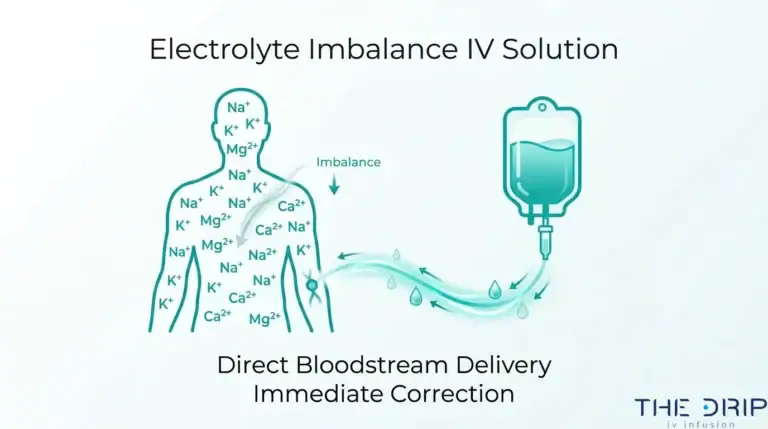
Electrolytes play a critical role in IV fluids by restoring fluid balance, supporting nerve conduction, and regulating muscle contractions. Sodium, potassium, calcium, and chloride are the primary electrolytes included in IV solutions.
- Sodium maintains extracellular fluid volume and blood pressure.
- Potassium regulates heart rhythm and intracellular fluid balance.
- Calcium supports cardiac function and muscle contraction.
- Chloride works alongside sodium to maintain osmotic pressure.
Solutions like Lactated Ringer’s contain a balanced electrolyte profile, including 130 mEq/L of sodium and 4 mEq/L of potassium. Replenishing these minerals intravenously is especially effective after intense physical activity, illness, or prolonged dehydration, when oral rehydration alone may not restore balance quickly enough.
How Do Antioxidants Like Glutathione Work in IV Therapy?
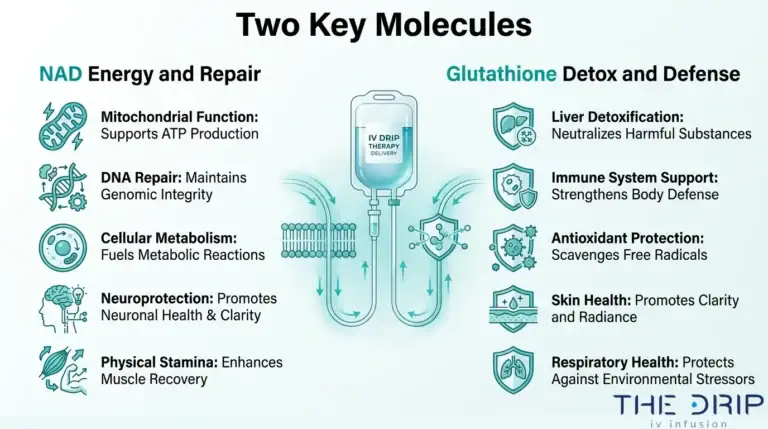
Glutathione works in IV therapy by neutralizing free radicals, reducing oxidative stress, and supporting detoxification pathways at the cellular level. Often called the body’s “master antioxidant,” glutathione is produced naturally in the liver but can become depleted under chronic stress, illness, or aging.
Oral glutathione supplements face significant breakdown in the digestive tract, which limits how much reaches circulation. IV delivery bypasses this limitation entirely. According to an analysis of top-ranking search results, most IV therapy articles lack specific bioavailability comparison data for glutathione, yet clinical practice consistently favors intravenous administration for maximum absorption.
Glutathione is typically delivered as a short infusion lasting 15 to 30 minutes, making it one of the faster IV add-ons available.
What Does NAD+ Do When Delivered Intravenously?
NAD+ delivered intravenously restores cellular energy production by replenishing a coenzyme essential for mitochondrial function. Nicotinamide adenine dinucleotide (NAD+) naturally declines with age, which can impair metabolism, cognitive performance, and recovery capacity.
According to a study published in PMC, NAD+ augmentation through therapy has been shown to restore mitochondrial function and bioenergetics, leading to enhanced neuronal survival and improved cognitive function. These effects make NAD+ infusions popular for anti-aging protocols, mental clarity, and addiction recovery support.
NAD+ infusions are administered slowly, with sessions typically lasting 1 to 4 hours depending on the prescribed dose. This gradual delivery minimizes side effects and allows steady cellular uptake. For those seeking both antioxidant and cellular repair benefits, NAD+ pairs well with glutathione in a single session.
Understanding what goes into an IV bag helps clarify how IV therapy compares to oral alternatives.
How Does IV Therapy Compare to Oral Hydration and Supplements?
IV therapy compares to oral hydration and supplements primarily through differences in bioavailability, absorption speed, and nutrient-specific effectiveness. The key distinctions involve how each method delivers nutrients to the bloodstream.
The comparison depends on the specific nutrient being delivered. For some compounds, IV administration achieves dramatically higher plasma concentrations than oral intake. For others, oral supplementation performs comparably. A nuanced, nutrient-by-nutrient evaluation matters more than blanket claims about either method’s superiority.
- Vitamin C: High-dose IV vitamin C can achieve plasma levels up to 100 times higher than oral administration. Standard oral supplements produce much lower plasma concentrations, though liposomal formulations can enhance oral absorption to approximately 70–90%, according to a comparative bioavailability study published on ResearchGate.
- Vitamin B12: Oral delivery performs surprisingly well. In two trials employing 1000 μg/day oral vitamin B12, researchers found no clinically relevant difference in B12 levels compared with intramuscular administration.
- NAD+ and glutathione: IV administration ensures 100% bioavailability for both compounds by bypassing the digestive tract, where oral forms degrade significantly before reaching circulation.
- General hydration: Oral rehydration works effectively for mild to moderate dehydration. IV fluids deliver faster results when gastrointestinal absorption is compromised by nausea, vomiting, or illness.
The practical takeaway is that IV therapy offers its clearest advantage for nutrients with poor oral bioavailability or when higher plasma concentrations are clinically meaningful. Oral supplementation remains effective for daily maintenance of many vitamins and minerals. Understanding which nutrients benefit most from intravenous delivery helps guide smarter decisions about when IV therapy justifies the investment over standard oral options.
What Are the Potential Side Effects or Risks of IV Fluids?
The potential side effects or risks of IV fluids include infection at the insertion site, vein inflammation, bruising, and allergic reactions to infused ingredients. Understanding these risks helps you make informed decisions.
IV fluid therapy is generally safe when administered by qualified professionals, but it is not entirely without risk. The most common side effects are mild and localized, occurring at or near the catheter insertion point. More serious complications, while rare, can arise from improper preparation of compounded solutions or from pre-existing health conditions that interact with certain fluid types.
- Bruising or soreness at the puncture site, which typically resolves within a day or two.
- Phlebitis, an inflammation of the vein wall, sometimes caused by the catheter or hypertonic solutions.
- Infection if sterile technique is not strictly followed during insertion or fluid preparation.
- Allergic reactions to vitamins, minerals, or other additives in the IV solution.
- Fluid overload, particularly in individuals with kidney problems or heart conditions, when too much fluid enters the bloodstream too quickly.
According to the U.S. Food and Drug Administration, concerns have been raised regarding drug products compounded at medical offices and clinics under insanitary conditions, highlighting potential safety risks for patients receiving IV treatments from unregulated providers. This underscores why choosing a reputable service with certified nurses and strict sterile protocols matters.
Individuals with severe renal insufficiency or hyperkalemia should approach IV fluid therapy with caution, as certain solutions can worsen these conditions without careful monitoring. For most healthy adults seeking wellness infusions, the risk profile remains low when a licensed professional manages the session. The key distinction between a safe experience and a problematic one almost always comes down to provider qualifications and preparation standards.
With side effects understood, choosing a qualified IV therapy provider becomes the next critical step.

How Should You Choose the Right IV Therapy Service?
You should choose the right IV therapy service by evaluating provider credentials, medical oversight, treatment options, and whether a mobile or clinic-based model fits your lifestyle. The following sections cover how The Drip IV Infusion’s mobile service addresses these factors and summarize how IV fluids work.
Can The Drip IV Infusion’s Mobile Service Meet Your Needs?
Yes, The Drip IV Infusion’s mobile service can meet your needs by delivering professional IV therapy directly to your home or workplace across Arizona. Founded in Fall 2022, The Drip IV Infusion brings decades of nursing and emergency medicine experience to every session, with treatments administered by skilled infusion specialists under clear medical oversight.
Mobile IV therapy does carry a price difference worth considering. According to CA Infusion Centers, receiving IV therapy through a mobile service can cost about $200 more per visit compared to the same treatment at a physical clinic location. However, that premium reflects the convenience of personalized care in your own space, no travel time, and no facility or exam fees. For anyone balancing a busy schedule or managing symptoms that make travel difficult, the added cost often proves worthwhile.
The Drip IV Infusion offers a comprehensive menu of IV cocktails, specialty treatments like NAD+ and glutathione, and customizable add-ons including vitamin C, zinc, B-complex vitamins, and magnesium.
What Are the Key Takeaways About How IV Fluids Work?
The key takeaways about how IV fluids work center on three principles: direct vascular delivery, 100% bioavailability, and rapid symptom relief.
- IV fluids bypass the digestive system entirely, delivering hydration, nutrients, and medications straight into the bloodstream through a catheter inserted into a vein.
- This route eliminates first-pass metabolism in the liver, allowing the body to use the full concentration of each substance immediately.
- Crystalloid and colloid solutions serve different clinical purposes, from basic hydration with isotonic saline to specialized nutrient cocktails containing vitamin C, NAD+, glutathione, and electrolytes.
- Session length, drip rate, and fluid composition are tailored to individual needs, whether for immune support, athletic recovery, illness relief, or general wellness.
- Choosing a qualified provider with certified staff and proper medical oversight remains the single most important factor in a safe, effective IV therapy experience.
For anyone seeking a convenient, professionally administered option, The Drip IV Infusion combines mobile accessibility with clinical expertise to support your individual health goals.