Glutathione IV therapy is an intravenous treatment that delivers the body’s most abundant antioxidant directly into the bloodstream, achieving 100% bioavailability and bypassing the absorption limitations of oral supplements. The optimal frequency depends on your specific goal, but most protocols follow a loading phase of one to three weekly sessions for four to eight weeks before transitioning to monthly maintenance.
This guide covers glutathione IV science and delivery methods, goal-specific treatment frequencies, schedule structure and personalization factors, dosage and duration of effects, safety considerations, combination therapies, and mobile IV convenience.
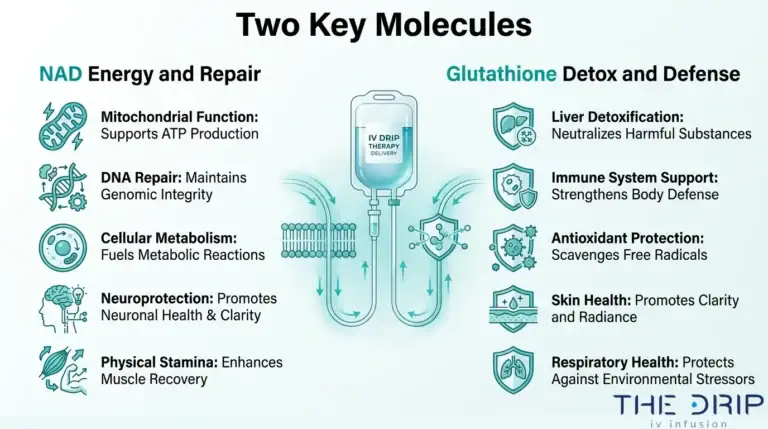
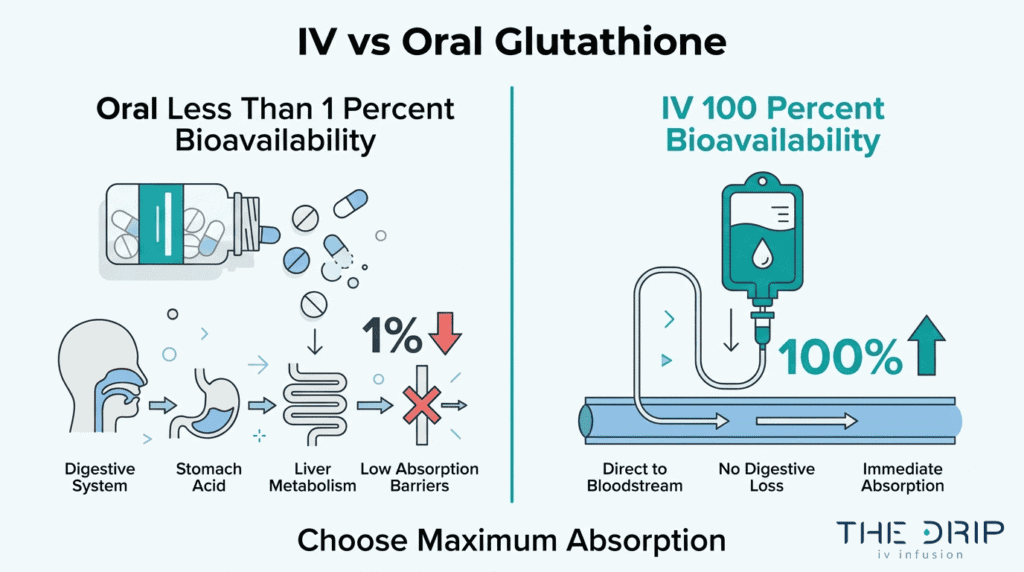
Glutathione earns its “master antioxidant” title through uniquely high intracellular concentrations and the ability to regenerate other antioxidants like vitamins C and E. IV delivery achieves peak plasma levels that oral forms, with bioavailability often below 1%, cannot replicate.
Treatment frequency varies significantly by purpose. Skin brightening protocols call for once or twice weekly sessions at 600 mg to 1,200 mg over 4 to 12 weeks. Detoxification and chronic illness management may require weekly infusions at higher dosages up to 2,000 mg. General wellness and immune support clients typically need less aggressive schedules once loading is complete.
Your ideal frequency hinges on personal variables. Endogenous glutathione declines roughly 10% per decade after age 20, and lifestyle factors like alcohol consumption or smoking accelerate depletion further. Diet, health status, and oxidative stress load all shift how quickly your body burns through its reserves.
Consistent treatment produces compounding benefits; sporadic sessions rarely sustain the cellular environment needed for lasting results. Combining glutathione with Vitamin C or NAD+ enhances antioxidant recycling, and mobile IV services like The Drip IV Infusion remove the scheduling friction that leads to missed appointments.
What Is Glutathione IV Therapy?
Glutathione IV therapy is an intravenous treatment that delivers glutathione, the body’s most abundant antioxidant, directly into the bloodstream. The sections below explain why glutathione earns its “master antioxidant” title and how IV delivery compares to oral supplements.
Why Is Glutathione Called the Master Antioxidant?
Glutathione is called the master antioxidant because of its exceptionally high intracellular concentration and its unique ability to regenerate other antioxidants in their active, reduced forms. This tripeptide, composed of glutamate, cysteine, and glycine, reaches concentrations up to 10 mM inside cells, far exceeding other antioxidant molecules. According to a review published by the National Institutes of Health, glutathione maintains this dominant role by neutralizing free radicals, supporting detoxification pathways, and recycling oxidized vitamins C and E back into their functional states. No other endogenous compound performs this combination of protective functions at such scale, which is precisely why declining glutathione levels correlate so strongly with age-related oxidative damage.
How Does IV Glutathione Differ From Oral Supplements?
IV glutathione differs from oral supplements primarily in bioavailability and speed of absorption. When glutathione is swallowed, digestive enzymes and first-pass hepatic metabolism break it down before it reaches circulation. A 2021 study published in the MDPI Antioxidants Journal found that oral glutathione often has a bioavailability of less than 1%, while intravenous administration achieves 100% bioavailability with significantly higher peak plasma concentrations. Even liposomal glutathione formulations, which represent an improvement over standard capsules, remain less efficient than IV delivery for immediate plasma saturation. For anyone prioritizing rapid replenishment, particularly during periods of elevated oxidative stress, IV delivery offers a measurable advantage that oral routes simply cannot match. Understanding this absorption gap helps explain why treatment frequency matters so much when building a glutathione protocol.
How Often Should You Get Glutathione IV Infusions?
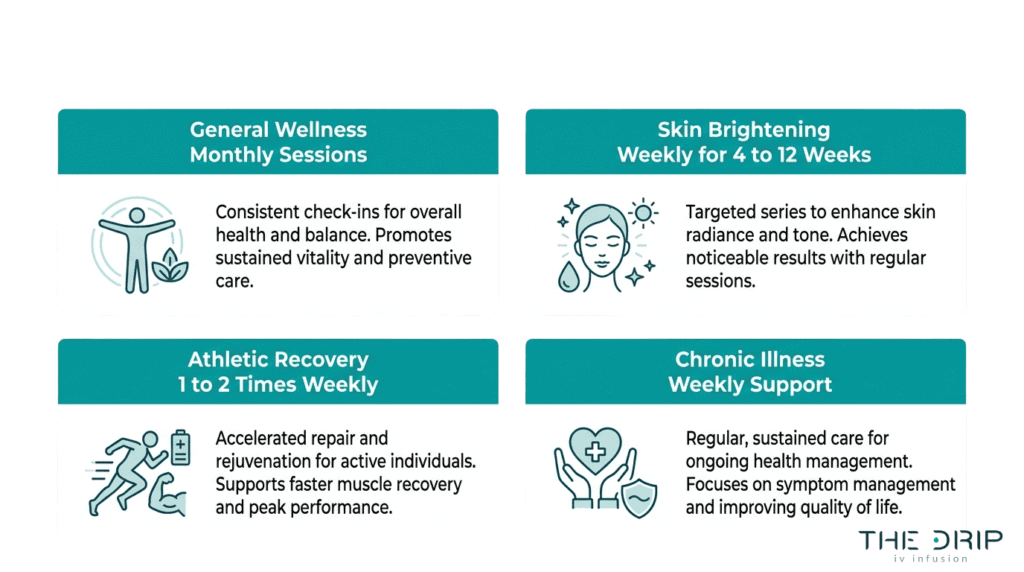
How often you should get glutathione IV infusions depends on your specific health goal. General wellness, skin brightening, detoxification, immune support, athletic recovery, and chronic illness management each require different schedules.
How Often Should You Get Glutathione IV for General Wellness?
You should get glutathione IV for general wellness one to three times per week during an initial loading phase of four to eight weeks, then transition to one session every two to four weeks for maintenance. This phased approach builds baseline antioxidant levels before shifting to long-term upkeep.
According to a study published in the European Journal of Clinical Investigation, plasma glutathione levels peak rapidly after IV infusion but decline with an elimination half-life of approximately 14.1 minutes, which explains why repeated sessions are necessary to sustain elevated levels. Approximately 30% of patients report increased energy within 24 to 48 hours of their first treatment, with peak effects typically realized after four to six consistent sessions. For most people without specific clinical concerns, the loading-to-maintenance structure offers the best balance between results and cost.
How Often Should You Get Glutathione IV for Skin Brightening?
You should get glutathione IV for skin brightening once or twice weekly for 4 to 12 weeks. Protocols typically use dosages of 600 mg to 1,200 mg per session to reduce hyperpigmentation and even skin tone.
A clinical trial published in Cureus utilized 1,200 mg of IV glutathione administered twice weekly for six weeks; 37.5% of participants reported lighter skin compared to 18.7% in the placebo group. Because melanin reduction is a gradual process, consistent weekly sessions produce more noticeable results than sporadic treatments. After the initial course, monthly maintenance infusions help preserve the brightening effects.
How Often Should You Get Glutathione IV for Detoxification?
You should get glutathione IV for detoxification once weekly, with dosages ranging from 600 mg to 2,000 mg based on your clinical assessment. Glutathione supports liver detoxification by conjugating toxins and neutralizing free radicals generated during Phase I and Phase II metabolism.
Individuals with higher toxic burdens from environmental exposures or lifestyle factors may benefit from twice-weekly sessions during the first few weeks. According to research published by Springer, acute alcohol intake can deplete liver glutathione stores by up to 80% to 90% in animal models, underscoring why people with significant exposure histories often need more aggressive initial protocols. Once detox markers stabilize, transitioning to biweekly or monthly sessions is a practical long-term strategy.
How Often Should You Get Glutathione IV for Immune Support?
You should get glutathione IV for immune support once weekly during periods of heightened vulnerability, such as cold and flu season or frequent travel. Reduced glutathione (GSH) directly supports lymphocyte function and helps maintain other antioxidants, including Vitamin C, in their active forms.
Combining glutathione with Vitamin C in the same IV session enhances this effect, as Vitamin C recycles oxidized glutathione back to its reduced form. During lower-risk periods, one infusion every two to four weeks typically sustains adequate immune defense. Individuals over 40 may benefit from a more consistent weekly schedule, since endogenous glutathione levels decline by approximately 10% per decade after age 20.
How Often Should You Get Glutathione IV for Athletic Recovery?
You should get glutathione IV for athletic recovery one to two times per week during intense training cycles and once every two to four weeks during off-season maintenance. Intense exercise generates significant oxidative stress that depletes GSH reserves and slows muscle repair.
IV glutathione achieves 100% bioavailability, delivering antioxidant support directly to stressed tissues without the absorption losses of oral supplements. According to research published in the MDPI Antioxidants Journal, IV administration bypasses first-pass hepatic metabolism, producing significantly higher peak plasma concentrations than oral forms, which often have bioavailability below 1%. Timing sessions within 24 hours after heavy training maximizes the recovery window, making this one of the most underutilized tools in serious athletic performance programs.
How Often Should You Get Glutathione IV for Chronic Illness?
You should get glutathione IV for chronic illness weekly at dosages of 600 mg to 2,000 mg, adjusted based on your condition and clinical response. Chronic conditions involving sustained oxidative stress, such as neurodegenerative disorders and autoimmune diseases, accelerate glutathione depletion faster than the body can replenish it.
A study published by the American Diabetes Association found that adolescents with type 1 diabetes have significantly lower blood glutathione levels compared to healthy controls, illustrating how chronic disease drives persistent deficiency. Weekly sessions help counteract this ongoing drain. Medical supervision is essential to calibrate both dosage and frequency, and some patients may require long-term protocols without a reduced maintenance phase.
With your ideal frequency established, understanding the structure of a typical treatment schedule helps you plan each phase effectively.
What Does a Typical Glutathione IV Treatment Schedule Look Like?
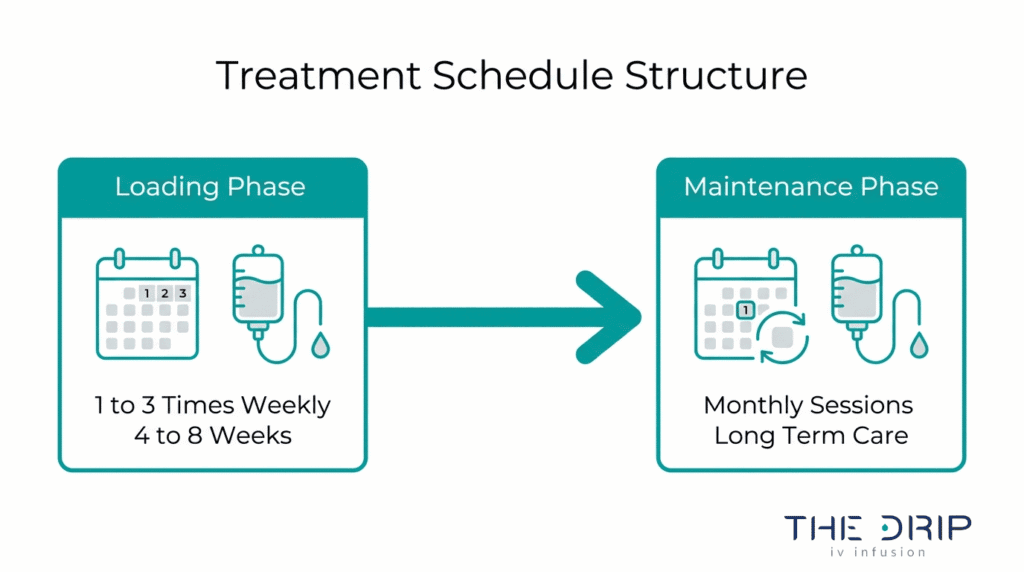
A typical glutathione IV treatment schedule includes two distinct phases: an initial loading phase with frequent sessions, followed by a spaced-out maintenance phase. The subsections below cover loading, maintenance, and when to adjust frequency.
What Does the Initial Loading Phase Involve?
The initial loading phase involves one to three glutathione IV sessions per week for four to eight weeks, designed to rapidly elevate depleted glutathione stores. Standard clinical dosages during this phase range from 600 mg to 2,500 mg per session, administered over 15 to 30 minutes via slow push or drip infusion, according to Oliva Skin & Hair Clinic.
Frequency within the loading phase depends on your primary goal. Skin brightening protocols typically require twice-weekly sessions at 600 mg to 1,200 mg, while chronic illness support may call for weekly infusions at higher dosages up to 2,000 mg. Because IV glutathione has a plasma elimination half-life measured in minutes, consistent repeat sessions are essential to build intracellular reserves before spacing treatments out.
How Does the Maintenance Phase Differ From Loading?
The maintenance phase differs from loading by reducing session frequency to one glutathione IV treatment every two to four weeks. Where loading saturates depleted stores through frequent visits, maintenance preserves those elevated levels with minimal sessions.
Most clients transition to maintenance after completing four to eight weeks of loading. Approximately 30% of patients report increased energy within 24 to 48 hours of their first session, though peak effects are typically realized after four to six consistent treatments, according to Renewme Medspa. Once that threshold is reached, the longer intervals of maintenance become sufficient. For most wellness goals, one monthly session strikes a practical balance between sustained antioxidant protection and schedule convenience.
When Should You Adjust Your Treatment Frequency?
You should adjust your treatment frequency when your health status, lifestyle demands, or treatment goals change. Several situations warrant a schedule modification:
- Increased oxidative stress from illness, travel, or high training volume may require temporarily returning to weekly sessions.
- Chronic alcohol consumption or smoking accelerates glutathione depletion, potentially necessitating more frequent infusions.
- Age-related decline reduces endogenous glutathione by roughly 10% per decade after age 20, so older clients often benefit from shorter maintenance intervals.
- Plateaued results after several months of maintenance may signal the need for a brief loading “booster” cycle.
Regular check-ins with your infusion specialist help ensure your schedule stays aligned with your body’s changing needs. Understanding these adjustment triggers prepares you for the specific factors that determine your ideal frequency.
What Factors Determine Your Ideal Glutathione IV Frequency?
Your ideal glutathione IV frequency depends on age, current health status, oxidative stress levels, and daily lifestyle habits. Each factor shifts how quickly your body depletes its natural glutathione stores, directly influencing how often replenishment is needed.
How Does Your Age Affect Glutathione IV Frequency?
Your age affects glutathione IV frequency because endogenous glutathione production declines steadily as you get older. According to WiFi Talents cellular health data, endogenous glutathione levels naturally decline by approximately 10% per decade after the age of 20, leading to cumulative deficiency that increases susceptibility to oxidative stress-related conditions.
This progressive drop means someone in their 40s may have lost roughly 20% of their baseline glutathione compared to their early twenties. Younger adults with adequate production may only need monthly maintenance sessions, while individuals over 50 often benefit from more frequent treatments. For anyone past midlife, prioritizing consistent IV replenishment becomes less optional and more foundational to sustained antioxidant defense.
How Does Your Current Health Status Change the Schedule?
Your current health status changes the schedule because chronic conditions accelerate glutathione depletion far beyond what aging alone causes. Individuals managing conditions such as type 1 diabetes, liver dysfunction, or neurodegenerative disorders typically require weekly sessions rather than biweekly or monthly treatments.
A study published by the American Diabetes Association found that adolescents with uncomplicated type 1 diabetes have significantly lower blood glutathione levels compared to healthy controls. When existing illness is continuously drawing down your antioxidant reserves, spacing sessions too far apart allows oxidative damage to accumulate between treatments. Healthy individuals without chronic conditions, by contrast, can often maintain adequate levels with less frequent infusions.
How Does Oxidative Stress Level Influence Treatment Timing?
Oxidative stress level influences treatment timing by determining how rapidly your body consumes available glutathione (GSH) to neutralize free radicals. Higher oxidative burden from pollution exposure, intense physical training, or chronic inflammation shortens the window between needed sessions.
Because IV glutathione has a plasma elimination half-life of only about 14 minutes, as documented in a study published in the European Journal of Clinical Investigation, the body relies on repeated replenishment rather than a single large dose. Individuals under heavy oxidative stress often need weekly sessions during acute periods, then taper as their burden decreases. Monitoring symptoms like persistent fatigue or slow recovery helps gauge whether current timing is adequate.
How Does Diet and Lifestyle Impact How Often You Need IV?
Diet and lifestyle impact how often you need glutathione IV because daily habits directly control how fast your body burns through its antioxidant reserves. Diets rich in sulfur-containing foods, such as cruciferous vegetables, eggs, and garlic, support natural glutathione synthesis and may reduce treatment frequency. Poor nutrition does the opposite.
According to research published by Springer, chronic alcohol consumption and smoking significantly accelerate glutathione depletion, with acute alcohol intake depleting liver glutathione stores by up to 80-90% in animal models. Regular exercise, adequate sleep, and minimal toxin exposure all help extend the benefits between sessions. For those with consistently healthy habits, monthly maintenance may suffice; individuals with high-stress lifestyles typically need treatments every one to two weeks.
Understanding these personal factors makes it easier to determine the right glutathione IV dosage per session.
What Glutathione IV Dosage Is Used Per Session?
The glutathione IV dosage used per session typically ranges from 600 mg to 2,500 mg, depending on the treatment goal and clinical assessment. According to Oliva Skin & Hair Clinic, standard clinical dosages for IV glutathione fall within this 600 mg to 2,500 mg range, with infusions typically administered over 15 to 30 minutes via slow push or drip method.
Dosage selection varies by purpose:
- Skin brightening protocols commonly use 600 mg to 1,200 mg per session.
- General wellness and antioxidant support sessions often start at 600 mg to 1,200 mg.
- Chronic illness management and detoxification may require higher doses between 1,200 mg and 2,000 mg.
- Intensive clinical applications can reach up to 2,500 mg per session.
A provider adjusts dosage based on body weight, baseline glutathione levels, oxidative stress burden, and individual response. Starting at a lower dose and increasing gradually helps minimize side effects while allowing clinicians to gauge tolerance. For most wellness-focused clients, 600 mg to 1,200 mg per session delivers meaningful antioxidant replenishment without unnecessary risk. Understanding typical dosage ranges helps set expectations before considering how long each session actually takes.
How Long Does a Single Glutathione IV Session Take?
A single glutathione IV session takes 15 to 30 minutes when administered via slow push or drip infusion. According to Oliva Skin & Hair Clinic, standard clinical dosages range from 600 mg to 2,500 mg per session, with the infusion time varying based on the dose and delivery method used. Higher dosages toward the 2,500 mg range generally require the full 30 minutes to allow for safe, controlled absorption. For clients booking through a mobile provider like The Drip IV Infusion, the total appointment typically lasts about 1 hour when accounting for intake assessment, vitals check, and post-infusion monitoring alongside the infusion itself.
Understanding session duration helps you plan realistic scheduling around your treatment frequency.
How Long Do the Effects of Glutathione IV Last?
The effects of glutathione IV last anywhere from a few days to several weeks, depending on dosage, individual metabolism, and overall health. Plasma levels, subjective benefits, and cumulative results each follow different timelines.
The body clears free glutathione from the bloodstream rapidly. A study published in the European Journal of Clinical Investigation found that following a 2 g/m² intravenous infusion, plasma glutathione levels declined with an elimination half-life of approximately 14.1 minutes. However, this fast plasma clearance does not mean the therapeutic effects vanish equally quickly; glutathione is taken up by cells and tissues where it continues to neutralize free radicals and support detoxification processes.
Subjective benefits tell a different story. Approximately 30% of patients report increased energy within 24 to 48 hours after their first session, with peak effects typically realized after four to six consistent treatments. For skin brightening goals, visible changes in hyperpigmentation generally emerge after several weeks of regular infusions rather than from a single session.
Several factors shorten or extend how long effects persist:
- Oxidative stress load: Chronic exposure to pollutants, alcohol, or cigarette smoke accelerates glutathione depletion, shortening the duration of benefits.
- Age: Endogenous glutathione production declines roughly 10% per decade after age 20, meaning older individuals may metabolize supplemental glutathione faster.
- Health conditions: Chronic diseases associated with oxidative stress can consume glutathione stores more rapidly, reducing the window of effect.
- Lifestyle and diet: Diets rich in sulfur-containing foods and regular exercise support endogenous production, helping extend the benefits between sessions.
This is precisely why most treatment protocols emphasize consistent scheduling over single-session results. A one-time infusion provides a temporary spike, but the real value comes from sustained replenishment that keeps cellular glutathione levels elevated over time. Understanding this duration helps determine why the right maintenance frequency matters so much for long-term outcomes.
What Are the Benefits of Consistent Glutathione IV Therapy?
The benefits of consistent glutathione IV therapy include stronger antioxidant defense, improved cardiovascular protection, and measurably higher glutathione concentrations over time. Because IV glutathione clears the bloodstream quickly, regular sessions are essential for sustaining therapeutic levels. A single infusion cannot replicate what structured, ongoing treatment achieves at the cellular level.
Consistent replenishment builds on each previous session rather than starting from zero. According to a Baylor College of Medicine study published in PubMed Central, long-term supplementation with glutathione precursors in elderly subjects resulted in 94.6% higher glutathione concentrations and a 230.9% higher fractional synthesis rate compared to baseline. These findings reinforce why periodic treatment outperforms sporadic dosing.
Cardiovascular health represents one of the most clinically significant benefits. Research published in the Journal of the American Heart Association found that consistent glutathione therapy protects vital myocardial components and endothelial cell function against pro-oxidant damage, particularly when administered early in clinical interventions.
Beyond heart health, sustained glutathione levels support several interconnected systems:
- Oxidative stress reduction neutralizes free radicals before they damage DNA, proteins, and lipid membranes.
- Immune function strengthens as glutathione optimizes lymphocyte activity and white blood cell production.
- Liver detoxification improves because glutathione conjugates toxins for elimination through bile and urine.
- Skin clarity and brightness develop gradually as melanin regulation stabilizes over multiple sessions.
- Energy and mental clarity often improve as mitochondrial function benefits from lower oxidative burden.
For most people pursuing wellness goals, the compounding nature of consistent therapy is what separates noticeable results from temporary relief. Sporadic sessions may offer a short-term boost, but they rarely sustain the cellular environment needed for lasting change. Understanding these cumulative benefits makes it easier to evaluate potential side effects of overtreatment.
What Are the Side Effects of Too Frequent Glutathione IV?
The side effects of too frequent glutathione IV include mild reactions like nausea and dizziness, potential nutrient depletion, and rare but serious allergic events. The risks below cover common, severe, and long-term concerns.
Common Side Effects of Frequent Glutathione Infusions
Common side effects of frequent glutathione infusions include dizziness, nausea, and abdominal cramps. These symptoms typically occur when sessions are spaced too closely or administered at higher dosages without adequate recovery time between treatments. According to WebMD, potential side effects of IV glutathione also include bloating and occasional skin flushing, particularly when high, frequent doses are used. Most mild reactions resolve within a few hours and do not require medical intervention. However, recurring symptoms across multiple sessions suggest the frequency or dosage needs adjustment. Any persistent discomfort should prompt a conversation with your infusion specialist before continuing treatment.
Serious Adverse Reactions and Allergic Risks
Serious adverse reactions from glutathione IV are rare but can include anaphylaxis and toxic epidermal necrolysis at high, frequent doses. The FDA reported an adverse event where seven patients receiving compounded L-glutathione via injection experienced fever, chills, and hypotension caused by excessive bacterial endotoxin levels in the product. This case highlights why sourcing matters as much as scheduling. Receiving treatments from providers that use properly compounded, quality-tested formulations significantly reduces the risk of contamination-related reactions. Patients with a history of allergic sensitivity should always disclose this before any IV session.
Long-Term Risks of Excessive Glutathione IV Use
Long-term risks of excessive glutathione IV use include mineral depletion and insufficient safety data for certain populations. According to Drugs.com, prolonged high-dose glutathione may lead to lower zinc levels, which can compromise immune function and wound healing over time. Glutathione IV is also generally recommended to be avoided during pregnancy and breastfeeding due to a lack of sufficient safety research. These concerns reinforce why a structured treatment schedule with defined loading and maintenance phases is preferable to indefinite high-frequency sessions. Periodic lab work can help monitor zinc and other nutrient levels for those on extended protocols.
Knowing these risks makes it easier to identify who should avoid glutathione IV entirely.
Who Should Avoid Glutathione IV Treatments?
Certain individuals should avoid glutathione IV treatments due to safety risks, insufficient research, or potential adverse reactions. Key groups include pregnant or breastfeeding women, those with specific allergies, and people on medications that may interact with high-dose glutathione.
- Pregnant and breastfeeding women should avoid glutathione IV treatments due to a lack of sufficient safety data for these populations. According to Drugs.com, long-term use of high-dose glutathione may also lead to lower zinc levels, making caution especially important during pregnancy when nutrient balance is critical.
- Individuals with known hypersensitivity to glutathione or any IV formulation ingredients should not receive treatments, since severe allergic reactions, including anaphylaxis, have been documented in rare cases.
- People taking certain medications, particularly chemotherapy drugs, should consult their oncologist before starting glutathione IV therapy, as the antioxidant may interfere with intended oxidative mechanisms of treatment.
- Those with asthma may experience bronchospasm when inhaling or receiving high doses of glutathione, so medical clearance is essential.
- Patients with organ transplants on immunosuppressive therapy should exercise caution, as glutathione’s immune-modulating properties could potentially affect medication efficacy.
For anyone with a complex medical history, a thorough consultation with a qualified healthcare provider before scheduling sessions is not optional; it is the single most important step. Understanding these contraindications helps frame whether glutathione IV fits safely into a broader wellness plan that includes combination therapies.
Can You Combine Glutathione IV With Other IV Therapies?
Yes, you can combine glutathione IV with other IV therapies. Vitamin C and NAD+ are the two most common additions, each amplifying glutathione’s antioxidant and cellular benefits through distinct mechanisms.
Can You Add Vitamin C to a Glutathione IV Drip?
Yes, you can add Vitamin C to a glutathione IV drip. Vitamin C helps recycle oxidized glutathione (GSSG) back to its active reduced form (GSH), directly enhancing antioxidant capacity. According to Goldman Laboratories, combining glutathione with Vitamin C is a common clinical protocol because this recycling mechanism keeps more glutathione in its functional state. The pairing is particularly useful for clients focused on immune support or skin health, since both nutrients contribute to collagen synthesis and free radical defense. For most wellness goals, adding Vitamin C is one of the simplest ways to get more value from each glutathione session.
Can You Combine Glutathione IV With NAD+ Therapy?
Yes, you can combine glutathione IV with NAD+ therapy. NAD+ supports mitochondrial energy production, while glutathione neutralizes the oxidative stress that mitochondrial activity generates. According to Ubie Health, synergistic protocols pairing NAD+ and glutathione boost mitochondrial energy output while simultaneously strengthening defense against oxidative damage. This combination is well suited for clients pursuing anti-aging, mental clarity, or recovery goals, where both cellular energy and detoxification matter.
Choosing the right combination depends on your specific goals, which a qualified provider can help tailor to your schedule.
How Can Mobile IV Therapy Simplify Your Glutathione Schedule?
Mobile IV therapy simplifies your glutathione schedule by eliminating clinic visits and bringing treatments directly to your location. The following sections cover how The Drip IV Infusion delivers glutathione at home and the key takeaways for building your ideal frequency.
Can The Drip IV Infusion Deliver Glutathione IV at Home?
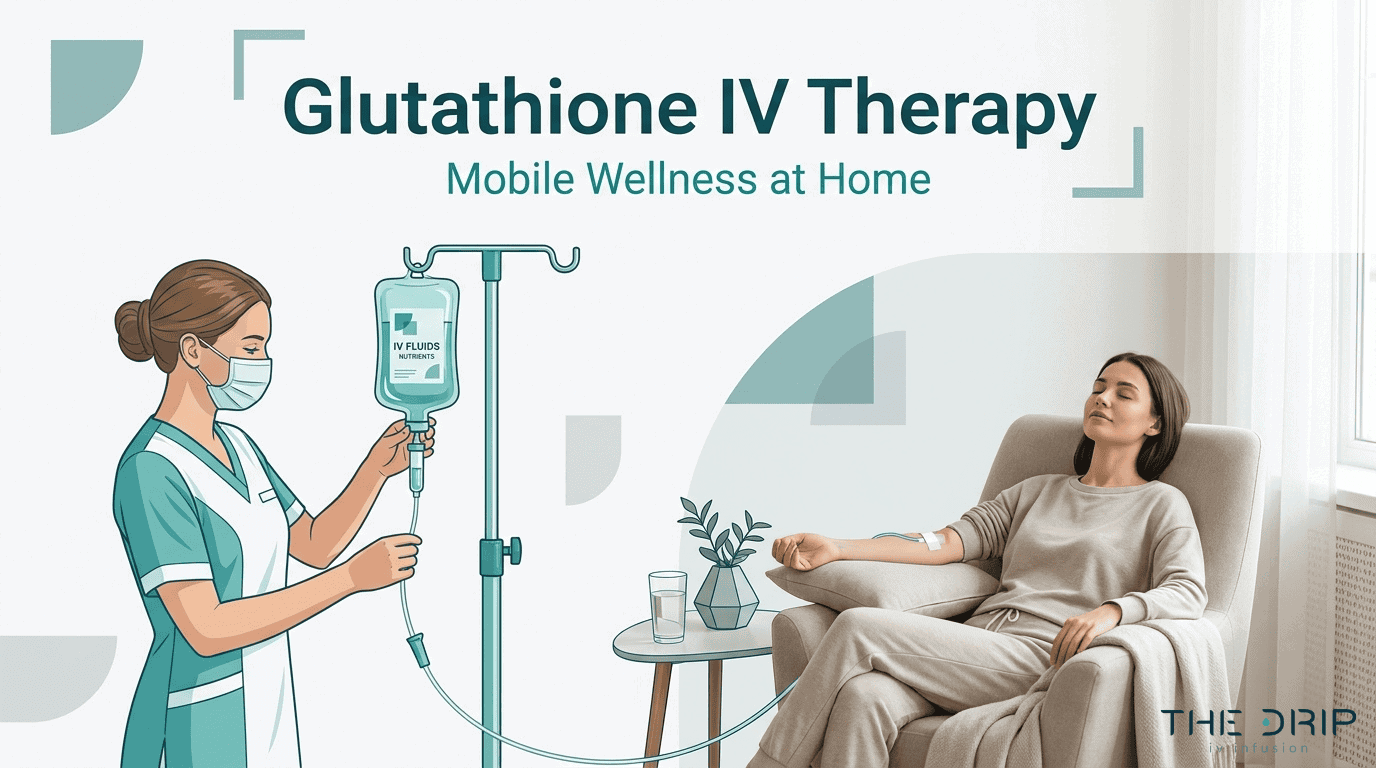
Yes, The Drip IV Infusion can deliver glutathione IV at home. The Drip IV Infusion is a mobile IV therapy service that sends licensed nurses directly to clients’ homes or workplaces in Arizona. Glutathione is available as an add-on to any IV cocktail, allowing you to incorporate it into a hydration, recovery, or wellness session without scheduling a separate clinic appointment.
According to a 2024 Grand View Research report, the global mobile IV hydration services market was valued at USD 1.3 billion and is projected to grow at a CAGR of 9.8% through 2030. This growth reflects rising demand for convenient, in-home wellness treatments. For anyone following a loading phase that requires weekly sessions, having a nurse arrive at your door removes the scheduling friction that often leads to missed appointments and inconsistent results.

What Are the Key Takeaways About Glutathione IV Frequency?
The key takeaways about glutathione IV frequency center on matching your treatment schedule to your specific health goals, baseline glutathione levels, and lifestyle factors. Here are the most actionable points from this guide:
- Most wellness protocols start with a loading phase of one to three sessions per week for four to eight weeks before transitioning to monthly maintenance.
- Skin brightening, detoxification, immune support, and chronic illness management each require different dosages and session frequencies.
- Age, oxidative stress exposure, diet, and overall health status all influence how quickly your body depletes glutathione between sessions.
- Consistent treatment produces stronger results than sporadic sessions; staying on schedule is more important than increasing dosage.
- Combining glutathione with Vitamin C or NAD+ can enhance antioxidant recycling and overall treatment effectiveness.
The Drip IV Infusion offers glutathione as part of a customizable mobile IV experience, making it easier to maintain the consistent schedule that produces lasting benefits.