Hydration IV therapy is a medical procedure that delivers fluids, electrolytes, and vitamins directly into the bloodstream through a vein, bypassing the digestive system for immediate absorption. We created this guide to cover how IV hydration works, who benefits most, which health conditions it supports, safety considerations, and what to expect from mobile infusion services.
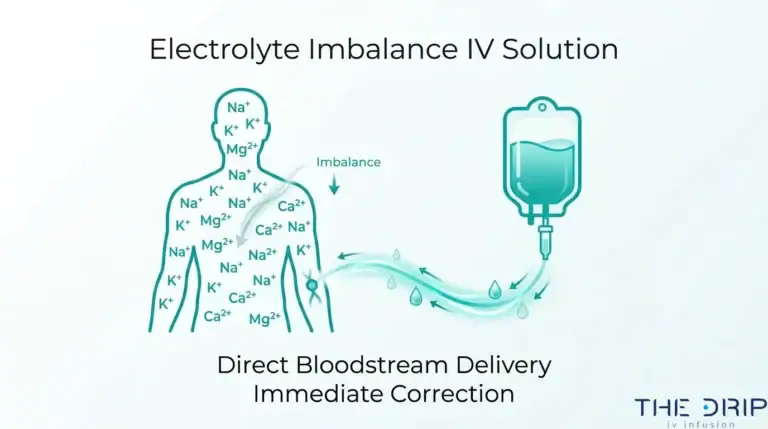
IV hydration uses sterile saline solutions combined with customizable nutrients like vitamin C, B-complex vitamins, and magnesium. Because these fluids enter the bloodstream directly, they achieve higher bioavailability than oral intake, making this method especially valuable when the digestive system is compromised or rapid correction is needed.
The strongest candidates span a wide range of profiles. Athletes use IV hydration to restore electrolytes lost during intense training. People recovering from illness benefit when nausea prevents oral fluid intake. Pregnant women with severe morning sickness, older adults with declining body water levels and reduced thirst sensation, frequent travelers exposed to dry cabin air, and busy professionals dealing with chronic low-grade dehydration all gain measurable relief from direct fluid delivery.
Beyond general hydration, IV therapy supports specific conditions including migraines, weakened immunity, persistent fatigue, and digestive disorders like IBD where gut inflammation blocks normal nutrient absorption. Nutrients such as magnesium and high-dose vitamin C reach therapeutic levels faster through IV delivery than oral supplements allow.
Not everyone is a safe candidate. Individuals with heart failure, kidney disease, or fluid-restricted diets should avoid IV infusions without medical clearance. Sessions typically last 30 minutes to one hour, and most people benefit from one to two treatments per month. Mobile services now bring professional infusion care directly to homes and offices, removing one of the biggest barriers to consistent hydration support.
What Is Hydration IV Therapy and How Does It Work?
Hydration IV therapy is a medical procedure that delivers fluids, electrolytes, and vitamins directly into the bloodstream through a vein. The following subsections cover the specific fluids used and how this method compares to oral hydration.
What Fluids and Nutrients Are Used in Hydration IV Therapy?
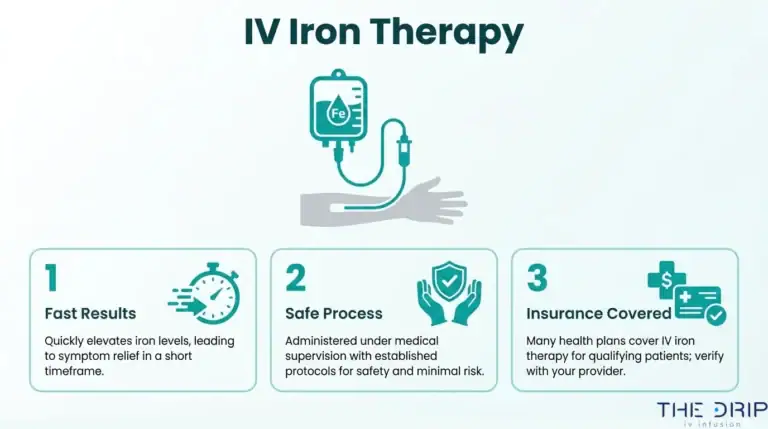
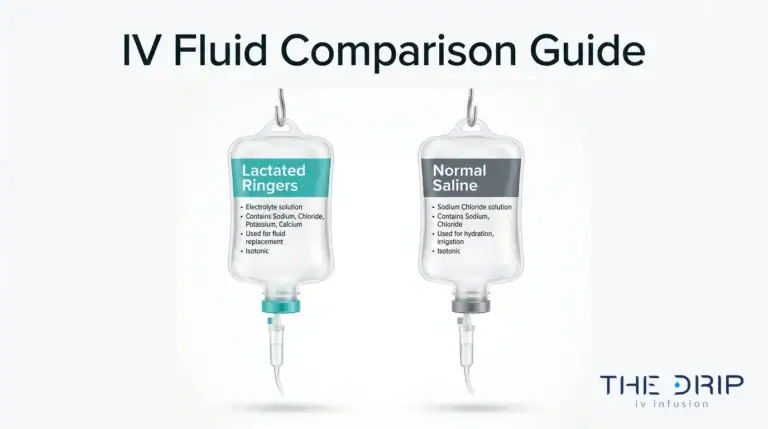
The fluids and nutrients used in hydration IV therapy include sterile saline solutions, electrolytes, and targeted vitamins. According to the National Institutes of Health, intravenous solutions contain small amounts of salt (sodium chloride) or sugar (dextrose, glucose, or levulose) dissolved in sterile water. Beyond these base fluids, providers often add micronutrients to address specific needs. Common additions include:
- Vitamin C for antioxidant and immune support
- B-complex vitamins for energy metabolism
- Magnesium for muscle and nerve function
- Zinc for immune defense
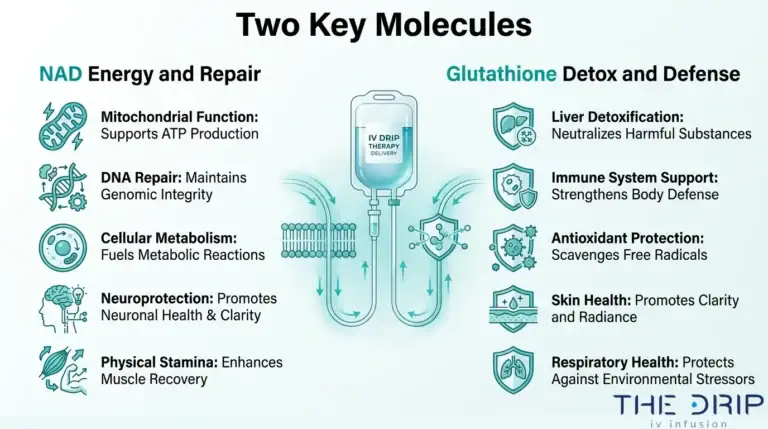
- Glutathione for cellular detoxification
Each formulation can be customized based on a client’s health goals, making IV therapy a flexible delivery method for essential nutrients that might otherwise be difficult to absorb orally.
How Does IV Hydration Differ From Drinking Water?
IV hydration differs from drinking water by bypassing the digestive system entirely. When you drink water, it must pass through the stomach and intestines before nutrients and fluids reach the bloodstream. This process takes time, and absorption rates vary based on gut health, food intake, and individual physiology.
IV hydration, by contrast, delivers fluids directly into the bloodstream for immediate availability. As published in the Cureus Journal of Medical Science, bypassing the GI tract ensures higher bioavailability, allowing for immediate absorption and utilization by tissues and cells. For someone with a compromised digestive system or severe fluid loss, this distinction becomes clinically meaningful. Oral rehydration remains effective for everyday needs, but IV delivery is the more efficient route when rapid correction matters.
Understanding these foundational mechanics helps clarify which individuals stand to gain the most from this therapy.

Who Are the Best Candidates for Hydration IV Therapy?
The best candidates for hydration IV therapy include athletes, people recovering from illness, pregnant women, chronic dehydration sufferers, frequent travelers, older adults, hangover sufferers, and busy professionals.

Can Athletes Benefit From Hydration IV Therapy?
Yes, athletes can benefit from hydration IV therapy. Intense training and competition cause significant fluid and electrolyte loss through sweat, and oral rehydration alone sometimes cannot keep pace with those demands. According to a Sports Health review, IV prehydration and rehydration has been proposed as an ergogenic aid to achieve euhydration more effectively and efficiently. Replenishing sodium, potassium, and magnesium directly into the bloodstream helps support muscle function and recovery between sessions. For competitive or endurance athletes who train in high heat, IV hydration is one of the most practical tools for closing the gap between fluid loss and intake.
Can People Recovering From Illness Benefit From IV Hydration?
Yes, people recovering from illness can benefit from IV hydration. Conditions such as the flu, food poisoning, and stomach viruses often cause vomiting and diarrhea, which deplete fluids faster than the body can replace them orally. According to StatPearls, dehydration accounts for approximately 1% to 3% of all hospital admissions in the United States. Because IV therapy bypasses the GI tract entirely, it delivers fluids, electrolytes, and vitamins directly into the bloodstream when the stomach cannot tolerate food or water. This makes IV hydration especially valuable during the acute phase of illness, when nausea prevents meaningful oral intake.
Can Pregnant Women Use IV Hydration for Morning Sickness?
Yes, pregnant women can use IV hydration for morning sickness. Severe nausea and vomiting during pregnancy can make it nearly impossible to stay hydrated through oral fluids alone. According to StatPearls, the incidence of hyperemesis gravidarum varies between 0.3% and 3% of all pregnancies. IV fluids restore hydration and deliver essential nutrients without requiring anything to pass through the stomach. For expecting mothers dealing with persistent morning sickness, this approach offers relief while supporting both maternal and fetal nutritional needs. Always consult an OB-GYN before scheduling a session.
Can Chronic Dehydration Sufferers Benefit From IV Therapy?
Yes, chronic dehydration sufferers can benefit from IV therapy. Some individuals struggle to maintain adequate hydration due to conditions like inflammatory bowel disease, where gut inflammation interferes with normal fluid and nutrient absorption. According to the Crohn’s & Colitis Foundation, IV therapy offers an alternative route by allowing nutrients to enter circulation directly without relying on the gut. Persistent low-grade dehydration often produces fatigue, headaches, and difficulty concentrating. When oral intake consistently falls short, periodic IV sessions can help bridge that deficit and restore baseline hydration levels.
Can Frequent Travelers Benefit From Hydration IV Therapy?
Yes, frequent travelers can benefit from hydration IV therapy. Cabin air on commercial flights contains significantly less humidity than air on the ground, which accelerates fluid loss during long journeys. Jet lag, disrupted sleep, and irregular eating patterns compound the dehydration problem. IV therapy replenishes fluids and nutrients faster than drinking water alone, helping travelers recover energy and mental clarity after arrival. For those with packed schedules who cannot afford a full day of recovery, a single session before or after a flight is one of the most efficient ways to counteract travel-related dehydration.
Can Older Adults Benefit From Hydration IV Therapy?
Yes, older adults can benefit from hydration IV therapy. Aging naturally reduces the body’s ability to maintain proper fluid balance. According to the Post-Acute and Long-Term Care Medical Association, older adults experience a progressive decline in total body water, from roughly 60% in young adults to 45% to 50% in those over 75, along with diminished thirst sensation and declining kidney function. These changes make chronic dehydration common and difficult to detect through symptoms alone. IV hydration delivers fluids and electrolytes efficiently, bypassing the need to rely on thirst cues that may no longer be accurate.
Can People With Hangovers Benefit From IV Hydration?
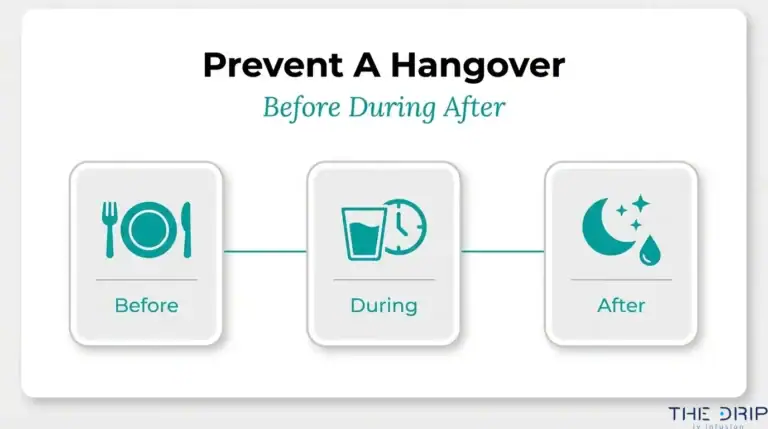
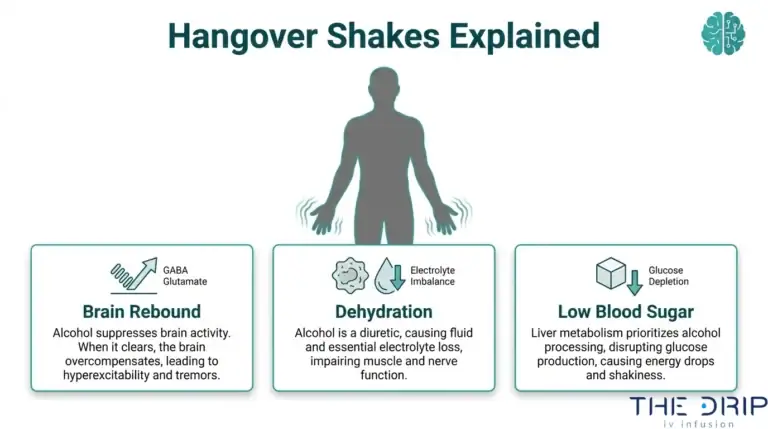
Yes, people with hangovers can benefit from IV hydration. Alcohol acts as a diuretic, causing the body to lose fluids and electrolytes at an accelerated rate. The resulting headache, nausea, and fatigue stem largely from this dehydration. According to the University of Rochester Medical Center, IV therapy delivers fluids directly into the bloodstream, bypassing the digestive system and allowing for faster rehydration compared to drinking water. Adding B vitamins and anti-nausea support to the infusion addresses multiple hangover symptoms simultaneously, making recovery noticeably quicker.
Can Busy Professionals Benefit From Hydration IV Therapy?
Yes, busy professionals can benefit from hydration IV therapy. Long work hours, high stress, and inconsistent meals often lead to mild but persistent dehydration that manifests as brain fog, fatigue, and reduced productivity. Because a typical session takes about one hour and can be administered at home or the office through mobile services, it fits into a packed schedule without disrupting the workday. Restoring optimal hydration along with B-complex vitamins and magnesium supports sustained mental clarity and energy. For professionals who routinely sacrifice self-care for deadlines, IV hydration is an efficient way to reset.
With the right candidate profile identified, understanding which specific health conditions IV therapy can support adds further clarity.
What Health Conditions Can Hydration IV Therapy Support?
Hydration IV therapy can support health conditions such as migraines, weakened immunity, chronic fatigue, and digestive disorders. The following sections explain how IV hydration addresses each condition.

How Does IV Hydration Help With Migraine and Headache Relief?
IV hydration helps with migraine and headache relief by delivering key nutrients directly into the bloodstream. Dehydration is a well-known migraine trigger, and restoring fluid balance can reduce the frequency and severity of episodes. According to the Cleveland Clinic, components of IV vitamin therapy, such as magnesium, calcium, vitamins B and C, have shown promise in migraine management studies. Magnesium, in particular, plays a role in regulating neurotransmitter signaling and blood vessel constriction. For individuals who experience recurrent migraines, IV delivery ensures these nutrients reach therapeutic levels faster than oral supplements can. This makes IV hydration a practical complementary option alongside standard migraine care.
How Does IV Hydration Support Immune System Recovery?
IV hydration supports immune system recovery by replenishing fluids and delivering immune-supporting nutrients at full bioavailability. When the body fights infection, it loses fluids rapidly through fever, sweating, and reduced oral intake. Vitamin C, a common addition to immune-focused IV formulations, plays a central role in white blood cell function and antioxidant defense. According to the National Cancer Institute, vitamin C has been shown to be safe at doses up to 1.5 g/kg in individuals without kidney disease or G6PD deficiency. Because oral absorption of vitamin C is limited by intestinal transporters, IV delivery achieves significantly higher plasma concentrations. This direct approach is especially valuable during acute illness when the digestive system is already compromised.
How Does IV Hydration Assist With Fatigue and Low Energy?
IV hydration assists with fatigue and low energy by correcting fluid deficits and restoring essential B vitamins, magnesium, and amino acids that directly influence cellular energy production. Even mild dehydration can impair cognitive function, reduce alertness, and amplify feelings of exhaustion. B-complex vitamins serve as cofactors in mitochondrial energy metabolism, and when delivered intravenously, they bypass absorption limitations that affect many people with digestive sensitivities. For those dealing with persistent low energy despite adequate sleep and nutrition, an underlying nutrient gap is often overlooked. IV hydration addresses this gap efficiently, delivering corrective doses in a single session rather than weeks of oral supplementation.
How Does IV Hydration Help With Digestive Issues?
IV hydration helps with digestive issues by providing fluids and nutrients without relying on a compromised gastrointestinal tract. According to the Crohn’s & Colitis Foundation, inflammation in conditions like IBD can interfere with normal digestion and nutrient absorption, making it harder for the body to utilize vitamins, minerals, and fluids through food or oral supplements alone. IV therapy offers an alternative route, allowing these nutrients to enter circulation directly. This bypassing mechanism is particularly valuable during flare-ups, when the gut lining is most inflamed and least capable of absorbing what the body needs. For anyone managing chronic digestive conditions, IV hydration can serve as a supportive bridge during periods of poor oral tolerance.
Beyond individual conditions, recognizing early warning signs of dehydration helps determine when IV therapy may be most beneficial.
What Are the Signs You Might Need Hydration IV Therapy?
The signs you might need hydration IV therapy include persistent fatigue, frequent headaches, dark urine, dizziness, dry skin, muscle cramps, and difficulty concentrating despite drinking water. These symptoms often indicate that oral fluid intake alone is not restoring adequate hydration at the cellular level.
When dehydration lingers or keeps returning, it can signal an underlying absorption issue or an elevated fluid demand that water and electrolyte drinks cannot fully address. According to StatPearls, dehydration accounts for approximately 1% to 3% of all hospital admissions in the United States, which underscores how common and clinically significant inadequate hydration remains.
Other situational signs worth watching for include:
- Slow recovery after exercise, illness, or travel.
- Nausea or vomiting that prevents you from keeping fluids down.
- Feeling unrested even after adequate sleep.
- Recurrent headaches that worsen with physical activity or heat exposure.
- Brain fog or reduced mental clarity during routine tasks.
If you notice several of these signs occurring together, or if a single symptom persists for more than a day or two, your body may benefit from the faster, more complete rehydration that IV therapy provides. Oral hydration works well for mild cases, but it relies on a functioning digestive system to absorb fluids gradually. IV hydration bypasses the GI tract entirely, delivering saline, electrolytes, and vitamins directly into the bloodstream for immediate use.
Recognizing these warning signs early is the first step; understanding who should avoid IV therapy altogether is equally important.
Who Should Avoid or Use Caution With IV Hydration Therapy?
People who should avoid or use caution with IV hydration therapy include those with heart failure, kidney disease, fluid-restricted diets, and certain electrolyte imbalances. The following conditions and risk factors require careful consideration before scheduling an infusion.
- Heart failure or congestive heart disease: Additional IV fluids can overload an already compromised cardiovascular system, increasing the risk of pulmonary edema.
- Kidney disease or renal impairment: Kidneys that cannot efficiently filter excess fluid and electrolytes may be overwhelmed by intravenous hydration.
- Fluid or salt-restricted diets: According to iVital Health, anyone on a fluid or salt-restricted diet or with conditions related to sodium deficiency should avoid IV infusions entirely.
- Electrolyte disorders: Conditions involving abnormal potassium, sodium, or magnesium levels may worsen if an IV formulation delivers more of an already-imbalanced electrolyte.
- G6PD deficiency: High-dose vitamin C, a common IV add-on, poses risks for individuals with this enzyme deficiency.
- Active infections at the IV site: Inserting a catheter near compromised skin increases the chance of introducing bacteria into the bloodstream.
- Allergies to IV additives: Sensitivities to B vitamins, preservatives, or other infusion components can trigger adverse reactions ranging from mild rash to anaphylaxis.
Pregnant women considering IV hydration for morning sickness should only proceed under direct guidance from their obstetric provider, since certain additives may not be appropriate during pregnancy. Similarly, individuals taking blood thinners or medications affected by vitamin K, magnesium, or high-dose antioxidants should disclose their full medication list before treatment.
For anyone with a chronic medical condition, a pre-infusion health screening is one of the most practical steps to ensure safety. Reputable providers review medical history, current medications, and lab work when necessary before recommending a specific IV formulation. Understanding how often sessions are appropriate adds another layer of safety planning.
How Often Should You Get Hydration IV Therapy?
You should get hydration IV therapy based on your individual health goals, with most people benefiting from sessions once or twice per month. Frequency depends on factors such as activity level, underlying conditions, and provider recommendations.
Most healthcare providers recommend a maximum of twice-weekly treatments, though the majority of clients need far less frequent sessions, according to Green Relief Health. For general wellness and maintenance, one to two sessions per month is a common starting point. Athletes in heavy training cycles or individuals recovering from acute dehydration may temporarily increase frequency under professional guidance.
Session duration also plays a role in scheduling. IV therapy sessions typically range from 30 minutes to an hour, making them easy to fit into a regular routine. Consulting with a qualified nurse before establishing a schedule ensures the frequency aligns with your body’s specific needs.
For most people seeking preventive hydration support, monthly sessions strike the right balance between consistent benefits and practicality. Understanding what happens during a session can help you prepare for your first appointment.
What Should You Expect During a Hydration IV Therapy Session?
You should expect a hydration IV therapy session to be a straightforward process lasting about one hour. The experience involves a brief health assessment, IV line insertion, and a relaxation period while fluids infuse.
A typical session begins with a short consultation. A nurse reviews your health history, current symptoms, and hydration goals. This screening helps determine which IV fluid formulation and optional nutrient add-ons, such as vitamin C, B-complex vitamins, or magnesium, best match your needs.
After the consultation, the nurse cleans a small area on your arm and inserts a thin catheter into a vein. Most clients describe the sensation as a brief pinch. Once the IV line is secured, the saline solution and any added nutrients begin flowing directly into your bloodstream.
According to WellSpot IV, guidelines for IV therapy duration typically recommend sessions ranging from 30 minutes to an hour. During this time, you can relax, read, work on a laptop, or simply rest. Some people notice improved energy and reduced symptoms before the session even finishes, since nutrients bypass the digestive system for immediate absorption.
Mild coolness at the injection site or a slight mineral taste are normal and temporary. After the infusion is complete, the nurse removes the IV line, applies a small bandage, and provides aftercare guidance. There is no required downtime, so most people return to their regular activities right away.
Understanding what a session involves can make the decision to try mobile IV therapy feel much simpler.
How Can Mobile IV Therapy Make Hydration More Accessible?
Mobile IV therapy makes hydration more accessible by delivering professional infusion services directly to a client’s home, office, or hotel. The following sections cover how The Drip IV Infusion’s at-home service supports hydration needs and the key takeaways about who benefits most.

Can The Drip IV Infusion’s At-Home Service Help With Your Hydration Needs?
Yes, The Drip IV Infusion’s at-home service can help with your hydration needs. The Drip IV Infusion provides both mobile IV therapy at home and in-office treatments, bringing decades of experience in nursing, emergency medicine, home health, and IV therapy directly to Arizona residents.
This mobile approach eliminates the need to travel while dehydrated or unwell. Whether recovering from illness, managing morning sickness, or rehydrating after travel, clients receive the same professional care in a comfortable setting. According to Grand View Research, the U.S. mobile IV hydration therapy market was estimated at USD 568.5 million in 2024, projected to grow at a CAGR of 10.4% from 2025 to 2030. That growth reflects rising demand for convenient, professional hydration solutions outside traditional clinical environments. The Drip IV Infusion meets this demand by partnering with each client to support their individual wellness goals with compassion and clinical expertise.
What Are the Key Takeaways About Who Can Benefit From Hydration IV Therapy?
The key takeaways about who can benefit from hydration IV therapy center on several core groups and practical considerations:
- Athletes and active individuals use IV hydration to restore fluid balance after intense training or competition.
- People recovering from illness benefit when nausea or digestive issues prevent adequate oral intake.
- Pregnant women experiencing severe morning sickness can replenish fluids that vomiting depletes.
- Older adults face higher dehydration risk due to reduced total body water and diminished thirst sensation.
- Frequent travelers recover faster from jet lag and cabin dehydration through direct fluid delivery.
- Individuals with chronic conditions, such as migraines or digestive disorders, may find IV hydration supports symptom management.
Anyone on a fluid-restricted diet or with sodium-related conditions should consult a healthcare provider before receiving IV therapy. For most people seeking faster, more complete rehydration, hydration IV therapy offers a practical solution. The Drip IV Infusion makes this process simple by bringing expert care to your door.